By: Chelsea Robinson
Walk through the lobby of a challenged boutique hotel, and you’ll sense it before you see it — the tired smiles, the strained greetings, the quiet friction between front desk and housekeeping. The décor might still shine, but the energy feels off. Somewhere between leadership turnover and training fatigue, the culture appears to have stalled.
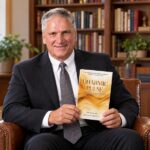
For Robert Reitknecht, an award-winning hotelier and founder of HospitalityRenu, this disconnect is exactly where the opportunity could begin. With more than two decades of luxury and boutique operations experience, Reitknecht has built his reputation on helping revive teams from within. His model isn’t built on endless workshops or executive replacements. Instead, he calls it fractional leadership: a hybrid approach that provides properties the expertise of a seasoned executive without the full-time overhead.
“Hotels don’t always need another consultant,” Reitknecht says. “They need someone who’s willing to roll up their sleeves, lead from the inside, and make themselves as unnecessary as possible by the time they leave.”
The Rise of the Fractional Leader
Across industries, fractional leadership has become a valuable lifeline for growing businesses: part-time CFOs, interim CMOs, and on-demand COOs offering targeted expertise. But in hospitality, the model may carry deeper cultural implications.
Boutique and independent hotels often lack the layered support systems of major brands. They can’t afford a full corporate structure, but they also can’t sustain the trial-and-error of traditional consulting. What they may need is continuity, and the kind that could bridge ownership vision, management execution, and frontline delivery.
That’s where Reitknecht steps in. His Service Refresh Framework™ blends cultural diagnostics, leadership coaching, and operational audits, embedding him directly within the property’s ecosystem. The result can be more than just an uptick in guest satisfaction scores; it has the potential to provide a cultural reboot that makes five-star service more achievable.
“Many consultants focus on the numbers,” Reitknecht explains. “But I start with emotion. I want to know how employees feel about showing up to work every day. Because if they’re just going through the motions, guests are likely to feel that too.”
Where Traditional Consulting Falls Short
Ask Reitknecht why so many hotels struggle after a consulting engagement, and his answer is simple: sustainability.
“Many consultants leave behind a binder of protocols but no emotional buy-in,” he says. “You can’t spreadsheet your way to service excellence. You have to make people want to believe in what they’re doing again.”
At one property, he began his work not with a strategy meeting but with one-on-one check-ins across the staff — from general managers to bellhops. The goal was to listen, not instruct. Over six weeks, he developed a roadmap that combined weekly accountability sessions, micro-coaching moments, and guest experience metrics.
The transformation was noticeable: higher satisfaction scores, stronger upsells, and a measurable improvement in morale. But the true win came later when the hotel continued to see those results long after Reitknecht’s departure.
“I know my work is done when I’m no longer needed,” he says. “When they’re running huddles without me, when my frameworks are on their walls, and when they still reach out months later just to say, ‘We’re keeping it alive.’ That’s the mark of a real culture shift.”
Leading, Then Leaving
In an industry often driven by short-term performance metrics, Reitknecht’s long game could feel radical. His leadership philosophy is guided by three verbs: lead, mentor, and release.
He leads by example, checking in with every department, walking the property, and modeling the small gestures that define true hospitality. He mentors by creating systems that empower others to lead authentically, not imitate him. And finally, he releases — stepping back once the culture appears to be self-sustaining.
“I’m not here to replace leadership,” he says. “I’m here to fortify it. My job is to close the gap between ownership’s vision and what actually happens at the front desk.”
This approach has earned him loyal clients across boutique hotels, luxury resorts, and even senior living communities looking to apply hospitality principles to resident care. What ties them all together is a hunger for human connection and a need to restore meaning to service in an era where efficiency often overshadows empathy.
Metrics That Matter
Reitknecht is quick to point out that emotional intelligence doesn’t replace accountability; it enhances it. His audits track guest satisfaction trends, employee engagement levels, and even internal communication scores.
“Numbers matter,” he says, “but context matters more. If guest satisfaction rises, I want to know why. Was it better training, better leadership, or just better energy in the building?”
He designs visual dashboards for teams to see their progress, turning performance into a shared, motivating experience. “It’s not enough to say who’s the top upseller,” he says. “People need to see the story of their growth. That’s what keeps them motivated.”
The Future of Service: Balancing High Tech and High Touch
As artificial intelligence continues reshaping hospitality operations, from check-ins to housekeeping logistics, Reitknecht believes the next frontier isn’t about choosing between technology and humanity, but about integration.
“AI should make an employee’s job easier, not colder,” he says. “Technology can anticipate needs, but it can’t replace the warmth of being seen.”
He predicts that boutique and luxury properties will lead the charge in redefining the balance, using technology to streamline the invisible work while doubling down on the personal touches that make a stay memorable. “At the end of the day,” he says, “hospitality will always be about belonging. Guests want to feel they’re part of something real.”
A Legacy of Belonging
For Reitknecht, success isn’t just measured in revenue or reviews. It’s in the handwritten cards, the farewell parties, and the former staff who still reach out years later.
“They’ll tell me, ‘You made me better,’” he says quietly. “That’s the legacy. Not that I turned a hotel around, but that I helped someone rediscover why they loved this industry in the first place.”
If your property is running efficiently but feeling emotionally flat, reach out to HospitalityRenu to learn how Robert Reitknecht’s Fractional Leadership Model could help transform your team into a culture of belonging, performance, and five-star guest experiences that last.