
New York’s state Senate has voted to put a class of products on hold before most parents have heard of them. On June 1, senators passed a bill placing a five-year moratorium on the manufacture, distribution, and sale of AI-powered chatbot toys aimed at young children, advancing it 57 to 3. The measure, carried by Brooklyn Sen. Andrew Gounardes, treats a small corner of the toy market as a test case for a larger question: whether New York will regulate consumer AI before it reaches scale rather than after.
The vote does not make the pause law. It clears one chamber and sends the bill toward the Assembly and, if it survives there, to Gov. Kathy Hochul’s desk. What the Senate did was set a marker, signaling that a precautionary approach to children’s AI products has majority support in at least one house of the Legislature.
What The Bill Would Do
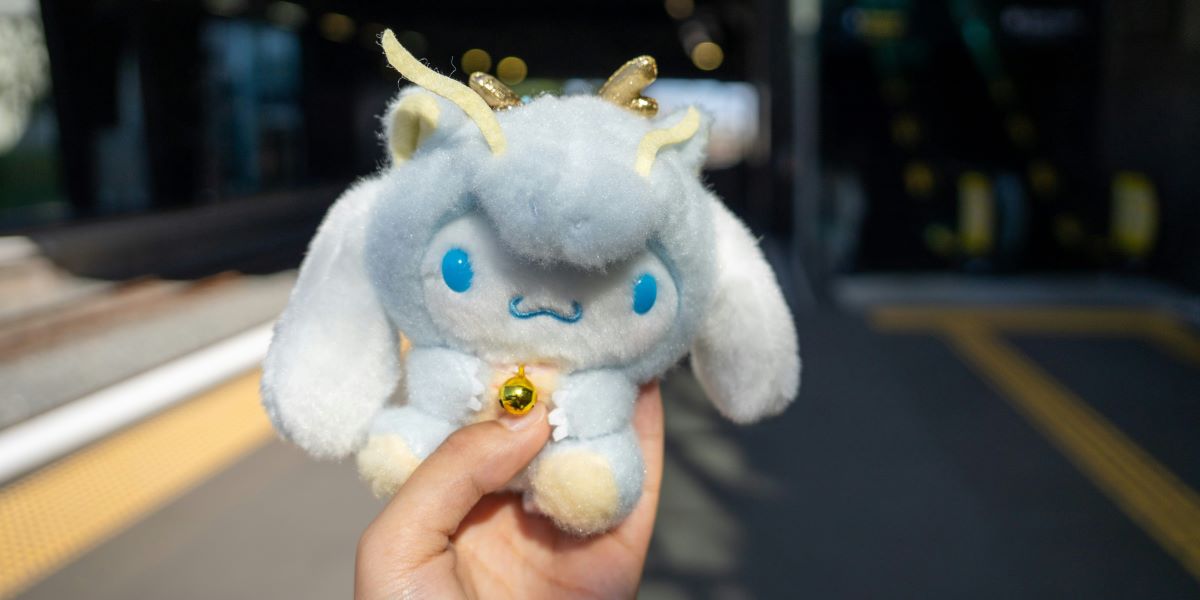
The legislation, numbered S9408A in the Senate, defines a “chatbot toy” as a children’s toy with an AI companion embedded in or integrated into it. That language is meant to capture stuffed animals, dolls, robots, and other voice-activated playthings built around large language models that connect to the internet and respond to a child’s speech. The bill adds a new article to the General Business Law, imposing the temporary ban and carrying penalties of up to $15,000 a day for violations.
The moratorium is written as a timeout, not a permanent prohibition. The provisions are set to expire when the five-year window closes, and the structure assumes the state will use that period to gather evidence rather than simply keep the products off shelves indefinitely.
A Brooklyn Senator’s Precautionary Case
Gounardes has built his argument on the idea that the toys have outrun the research. Manufacturers market them as educational, but he contends they have not been shown safe for very young children whose cognitive and emotional development is still forming. He has warned that the devices could crowd out physical play and in-person socializing, and could encourage dependent, repetitive interactions with a machine.
His framing leans on a cultural reference rather than a clinical one. Gounardes has likened the toys to “Talky Tina,” the doll from a 1963 episode of “The Twilight Zone” that preys on a lonely child, and called AI-powered toys a Twilight Zone episode come to life. The rhetorical move fits a pattern for the senator, who co-sponsored the RAISE Act, the state’s broader attempt to regulate large AI developers, a version of which Hochul signed late last year.
The Study Before The Sale
The bill’s core mechanism is not the ban itself but the work it would trigger during the pause. It directs an interagency task force to study the risks and benefits of chatbot toys for young children and to issue a public report. The group would draw on the Department of State, the Office of Mental Health, the state Attorney General, and the Office of Digital Innovation, Governance, Integrity, and Trust, the relatively new state body charged with technology oversight.
That design is the bill’s real argument. Rather than wait for harm to surface and litigate it afterward, the state would hold the market in place while specialists assess what these products do to children and what guardrails, if any, should govern them before sales resume.
Industry Resistance And The Road Through Albany
The proposal has not gone unchallenged. Industry groups have pushed back on outright bans, arguing that lawmakers should concentrate on data privacy rules and stronger parental controls instead. Tech:NYC, the city’s main tech trade group, has urged the state to pass comprehensive data privacy legislation first, framing that as the foundation on which narrower rules for toys and games should be built. The disagreement is less about whether children’s AI deserves scrutiny than about which tool the state should reach for.
New York is not acting in isolation. California’s Senate cleared a similar measure in late May, and consumer research has shown that even where major AI companies try to keep children off their systems, outside developers can still build kid-facing toys on top of the same underlying models. That gap is part of what gives the moratorium its rationale, and part of what makes a single-state pause an incomplete fix.
The path ahead is the harder stretch. The Assembly companion bill still needs to pass, and Hochul has stayed noncommittal, saying she would review any measure that clears both houses while pointing to her existing record on children’s online safety. Until those steps fall into place, the Senate vote stands as a milestone in New York’s AI agenda rather than a settled rule, a statement of where the state may be heading on the youngest users of the technology.