Exploring Midtown Manhattan: NYC’s Cultural and Commercial Core

Midtown Manhattan isn’t just a neighborhood, it’s the pulse of New York City. From the moment the streets fill with morning commuters to the late-night glow of Broadway marquees, this central district captures the rhythm of urban life in a way that feels both familiar and electric. For many, navigating Midtown Manhattan can be overwhelming, especially when trying to balance sightseeing with the everyday pace of the city. That’s a common challenge for visitors and locals alike.

The Everyday Energy of Midtown Manhattan

Walk through Midtown Manhattan on any weekday and you’ll see a mix of business professionals, tourists, and artists sharing the same sidewalks. It’s home to major corporate headquarters, but also to corner delis, pop-up galleries, and street performers. The neighborhood’s density means everything is close, yet the pace can feel relentless. That’s part of what makes Midtown Manhattan so unique, it’s both a destination and a daily reality.

For digital nomads or remote workers passing through, Midtown offers a surprising number of flexible workspaces and coffee shops. Some have even documented their experience navigating the city’s energy while working remotely, offering insights into how Midtown Manhattan supports modern work-life balance through its infrastructure and accessibility.

The neighborhood’s accessibility is another reason it remains central to city life. With multiple subway lines, bus routes, and walkable avenues, Midtown Manhattan connects uptown and downtown, east and west. It’s the kind of place where someone can grab a bagel, attend a meeting, visit a museum, and catch a show, all within a few blocks.

Landmarks That Shape Midtown’s Identity

Times Square, Grand Central Terminal, and the Empire State Building are just a few of the iconic landmarks that define Midtown Manhattan. These aren’t just tourist stops, they’re woven into the city’s daily function. Grand Central, for instance, isn’t only a transit hub but also a place where locals grab lunch, shop, or meet friends. The Empire State Building, while famous for its observation deck, also houses offices and studios that contribute to the city’s creative economy.

Theaters along Broadway and off-Broadway stages bring in audiences from around the world, but they also serve as creative homes for local performers and playwrights. Midtown Manhattan’s cultural footprint is deep, and it continues to evolve with each season. Bryant Park, for example, transforms from a summer reading spot to a winter skating rink, offering locals a place to unwind without leaving the neighborhood.

Even newer tech-driven initiatives are helping visitors navigate Midtown Manhattan more intuitively. Tools like Libby, an AI-powered city guide, have been introduced to help people explore neighborhoods like Midtown with more confidence and context. This kind of innovation reflects how the city continues to evolve while staying grounded in its traditions.

Culture, Commerce, and Community in Midtown Manhattan

Theatergoers flock to Broadway, but Midtown Manhattan’s cultural offerings extend beyond the stage. Museums, public art installations, and seasonal events fill the calendar year-round. The Museum of Modern Art, located just off Sixth Avenue, draws visitors with its rotating exhibits and permanent collections. Meanwhile, smaller galleries tucked into office buildings or hotel lobbies showcase emerging artists and local talent.

Retail is another major draw. Flagship stores line Fifth Avenue, while smaller boutiques and pop-ups offer more curated experiences. Midtown Manhattan is where global brands meet independent creators, and that mix keeps the area dynamic. It’s not uncommon to see a luxury fashion launch happening just blocks away from a local streetwear drop.

Food culture in Midtown Manhattan is equally diverse. From Michelin-starred restaurants to food trucks serving dumplings or tacos, the neighborhood offers something for every palate. Office workers might grab lunch from a salad bar or ramen shop, while visitors line up for classic New York pizza. The variety reflects the city’s multicultural roots and its openness to culinary experimentation.

Navigating Midtown Manhattan with Intention

Getting around Midtown Manhattan can be a challenge, especially during peak hours. Subway stations are busy, sidewalks are packed, and traffic rarely slows. But there are ways to move through the neighborhood with more ease. Many locals rely on walking routes that cut through quieter blocks or use apps that track congestion in real time. Midtown’s grid layout helps with orientation, even for those unfamiliar with the area.

Exploring Midtown Manhattan NYC’s Cultural and Commercial Core

Photo Credit: Unsplash.com

Hotels in Midtown Manhattan cater to a wide range of travelers. Business hotels offer conference rooms and high-speed internet, while boutique hotels focus on design and comfort. Some properties even host rooftop bars or lounges that overlook the skyline, giving guests a chance to experience the city from above.

For those exploring the city with limited time, Midtown Manhattan offers a condensed version of New York’s diversity. Whether it’s grabbing a quick bite from a halal cart or attending a rooftop networking event, the neighborhood delivers a full spectrum of experiences. Visitors often find that even a short walk through Midtown reveals layers of the city they hadn’t expected.

Why Midtown Manhattan Still Matters

Midtown Manhattan remains central to New York’s identity because it reflects the city’s complexity. It’s not just about skyscrapers or tourist attractions, it’s about how people live, work, and connect in one of the most densely populated areas in the country. The neighborhood’s ability to adapt, whether through tech tools or cultural programming, shows its resilience.

It’s also a place where tradition and innovation coexist. Historic buildings stand beside modern glass towers, and long-standing businesses operate next to startups. Midtown Manhattan doesn’t try to be perfect, it just keeps moving. That movement is what gives it character.

For anyone trying to understand New York City beyond the headlines, Midtown Manhattan offers a grounded perspective. It’s where ambition meets routine, and where the city’s heartbeat is most clearly felt. Whether passing through or staying awhile, Midtown leaves an impression that’s hard to shake.


NYC Running Essentials: Shin Splints Causes and Treatments

Running through the streets of New York City offers a unique kind of freedom. Whether it’s a morning jog through Central Park or a late-night sprint along the East River, the city’s energy often fuels the pace. But for many runners, especially those just starting out or ramping up their mileage, shin splints can quickly turn that momentum into discomfort. Understanding what contributes to shin splints and how to manage them is essential for anyone trying to build a sustainable running routine in NYC.

What Are Shin Splints and Why Do They Happen?

Shin splints generally refer to soreness or tenderness along the inner edge of the shinbone. This discomfort is often linked to repetitive impact on the lower legs, especially in activities like running or dancing. In New York City, where concrete and asphalt dominate the running landscape, the chance of experiencing shin splints may increase due to the hard surfaces and frequent stop-and-go movement.

While not considered a serious injury in most cases, shin splints can interfere with training and daily movement. Many runners push through the early signs, assuming it’s just part of the process. But recognizing the symptoms and adjusting habits early can help reduce strain and support recovery.

Common Contributors to Shin Splints in NYC Runners

One of the most frequent contributors is overuse. Runners who increase their mileage too quickly or switch from treadmill workouts to outdoor runs without easing into the change often notice discomfort. The sudden shift in terrain and intensity puts stress on the lower legs, especially when running on uneven sidewalks or uphill routes.

Footwear plays a major role. Worn-out shoes or sneakers that lack proper arch support may affect alignment and increase impact on the shins. In a city like New York, where runners often log miles across different boroughs, having the right gear is more than a comfort, it’s a necessity.

Running form matters too. Overstriding, landing heavily on the heels, or leaning too far forward can all contribute to shin discomfort. Many NYC runners benefit from gait analysis or coaching sessions to fine-tune their technique and reduce unnecessary strain.

Lifestyle factors can’t be ignored. Those who maintain active lifestyles in New York City often juggle running with other high-impact activities. Without adequate rest or cross-training, the body doesn’t get the recovery time it needs. That’s why some runners turn to balanced routines that support active living without overloading specific muscle groups.

Recognizing the Signs Early

Shin splints often begin as a dull ache along the front or inner part of the lower leg. The discomfort may show up during or after running and can linger even during rest. Some runners notice tenderness when touching the area or mild swelling. These signs tend to appear gradually, making it easy to dismiss them until they start affecting performance.

In NYC’s fast-paced environment, it’s common for runners to brush off minor aches. But consistent discomfort that worsens with activity is a signal to pause and reassess. Paying attention to these early signs can help runners adjust before things escalate.

Supportive Strategies for Recovery

Taking a break from high-impact activity is often helpful. Rest doesn’t mean giving up movement entirely. Low-impact options like swimming, cycling, or yoga can help maintain fitness while giving the shins time to settle.

Applying cold packs to the affected area for short intervals may ease soreness and reduce swelling. Some runners also use compression sleeves or wraps to support circulation and reduce fatigue.

Stretching and strengthening exercises are key to long-term support. Focusing on the calves, ankles, and hips helps improve overall stability and may reduce the load on the shins. Physical therapists often recommend routines that target muscle imbalances and promote better alignment, though it’s best to consult a professional before starting any new regimen.

Some runners explore orthotics or custom insoles to improve foot mechanics. These tools can be especially helpful for those with flat feet or high arches, both of which may contribute to shin discomfort. Shoe stores in NYC that specialize in running gear often offer fitting services to help identify the best options.

Preventing Shin Splints Before They Start

Prevention starts with smart training habits. Gradually increasing mileage, incorporating rest days, and mixing up workouts can all reduce the likelihood of shin splints. NYC runners often benefit from planning routes that include softer surfaces like park trails or tracks, which offer more cushioning than concrete sidewalks.

Warming up properly and cooling down after each run helps prepare the muscles and prevent tightness. Dynamic stretches before running and static stretches afterward create a balanced routine that supports recovery.

NYC Running Essentials Shin Splints Causes and Treatments

Photo Credit: Unsplash.com

Monitoring exercise frequency is also important. While consistency is key to progress, overtraining can backfire. Experts often recommend guidelines for optimal weekly exercise that balance intensity with rest. Following these recommendations can help runners stay active without pushing their limits too far.

Hydration and nutrition play supporting roles. Staying hydrated helps maintain muscle elasticity, while a diet rich in calcium and vitamin D supports bone health. These factors may not directly cause or prevent shin splints, but they contribute to overall resilience.

How NYC Runners Can Stay Ahead of Discomfort

Running in New York City comes with its own set of challenges. Crowded sidewalks, unpredictable weather, and varied terrain require adaptability. But with the right approach, runners can enjoy the city’s energy without compromising their well-being.

Joining local running groups or attending community fitness events can offer support and accountability. These spaces often provide access to experienced runners who share tips and encouragement. They also help normalize conversations around injury prevention and recovery.

Listening to the body is essential. Discomfort is a signal, not a weakness. Taking time to rest, adjust, and recover doesn’t mean falling behind, it means staying in the game longer. Shin splints may be common, but they’re not inevitable. With awareness and care, NYC runners can keep moving forward with confidence.

How Tariffs Drive Up Foreign Goods Prices in NYC

Foreign goods prices in New York City are rising, and tariffs are a major reason why. As trade policies shift and import duties increase, the cost of everyday items sourced from abroad is climbing steadily. From electronics and apparel to food and furniture, NYC consumers and businesses are feeling the impact of tariffs in ways that are both visible and hidden.

Understanding the Tariff Effect on NYC Imports

Tariffs are taxes imposed on imported goods, and while they’re often framed as tools for protecting domestic industries, their real-world impact is more complex. In NYC, where international trade fuels everything from retail to construction, tariffs are quietly reshaping pricing strategies and consumer behavior.

A recent report from the New York City Comptroller’s Office noted that the latest round of reciprocal tariffs introduced in April 2025 represents one of the largest shocks to international trade in over a century.  These duties are affecting imports from key trading partners, including China, Mexico, and Canada, and the result is higher foreign goods prices across the board.

Retailers and the Hidden Costs at Checkout

Retailers in NYC are grappling with how to manage rising import costs without alienating customers. Many are choosing to pass those costs on through subtle price increases or reduced product sizes. A home goods store in Manhattan recently raised prices on imported ceramic dishware by 12 percent, citing new tariffs on Chinese materials.

Some businesses are more transparent. A boutique in Brooklyn added a small note to its checkout page explaining that recent price adjustments were due to increased import duties. This kind of messaging helps customers understand why foreign goods prices are rising, even for items that haven’t changed in quality or design.

As outlined in this article on extra charges at checkout, many consumers are unaware that tariffs are baked into final prices. The lack of visibility makes it harder to track how trade policy affects everyday spending.

Small Businesses and Supply Chain Pressure

Small businesses in NYC are particularly vulnerable to tariff-related cost increases. Unlike large corporations, they often lack the leverage to negotiate better terms with suppliers or shift sourcing quickly. A Queens-based furniture maker who relies on imported wood and hardware saw his material costs jump by 18 percent in the past year. To stay afloat, he reduced his product line and raised prices on custom orders.

These adjustments affect not just pricing but also product availability. Some retailers are scaling back on imported inventory altogether, opting for domestic alternatives that may be more expensive or limited in variety. This shift is changing the landscape of foreign goods prices in NYC, with fewer options and higher costs becoming the norm.

Consumer Behavior and Budget Adjustments

As foreign goods prices rise, NYC consumers are adjusting their spending habits. Some are trading down to lower-cost alternatives, while others are delaying purchases or seeking secondhand options. A family in the Bronx recently switched from imported European baby formula to a domestic brand after noticing a 20 percent price increase.

These changes reflect a broader trend of price sensitivity. Shoppers are more likely to compare prices, seek promotions, and question the value of imported goods. Retailers are responding with bundled offers, loyalty programs, and messaging that emphasizes quality and durability.

The psychological impact of tariffs is also significant. When consumers feel that prices are rising due to external forces, they may become more cautious or frustrated. This sentiment can influence brand loyalty and long-term purchasing behavior.

Tariffs and Inflation in NYC

Tariffs are contributing to inflation in NYC, especially in sectors where foreign goods dominate. Food, electronics, and construction materials are among the hardest hit. A recent analysis by the Office of the State Comptroller found that tariffs are one of several factors driving up costs for imported goods.

In the restaurant industry, rising prices for imported ingredients are forcing menu changes and tighter margins. A chef in the East Village removed several seafood dishes from his menu after tariffs increased the cost of imported shellfish by 25 percent. The decision helped control costs but disappointed regular customers.

Construction firms are also feeling the squeeze. Tariffs on imported steel and aluminum have raised project costs, leading to delays and budget overruns. These effects ripple through the economy, influencing everything from housing prices to job creation.

Exporters and the Global Trade Equation

While tariffs primarily affect imports, they also influence NYC’s export landscape. Businesses that sell goods abroad face retaliatory tariffs, making their products less competitive in foreign markets. A Brooklyn-based apparel brand that exports to Europe saw a decline in orders after tariffs raised the cost of American-made clothing overseas.

Exporters are adapting by exploring new markets, adjusting pricing, and investing in logistics. As highlighted in this article on ExportUSA’s journey, long-term success in global trade requires resilience and strategic planning. NYC companies that navigate tariff challenges effectively are better positioned to grow internationally.

Policy Uncertainty and Business Planning

How Tariffs Drive Up Foreign Goods Prices in NYC

Photo Credit: Unsplash.com

One of the most difficult aspects of tariffs is their unpredictability. Trade policies can shift quickly, making it hard for businesses to plan inventory, pricing, and marketing. A Midtown electronics distributor delayed its spring product launch after new tariffs were announced on imported components. The company had to renegotiate supplier contracts and adjust its pricing strategy, causing a ripple effect across its retail partners.

To manage this uncertainty, some NYC firms are investing in analytics and scenario planning. They’re modeling different tariff outcomes and building flexibility into their operations. While these efforts improve resilience, they also require time and resources that smaller businesses may not have.

Looking Ahead: Strategic Adaptation

Foreign goods prices in NYC are likely to remain elevated as tariffs continue to shape global trade. For businesses, the key is strategic adaptation. That means understanding where tariffs hit hardest, exploring alternative sourcing, and communicating clearly with customers.

A home decor brand in Williamsburg launched a campaign highlighting its commitment to domestic sourcing. While not all products are tariff-free, the messaging helped build trust and justify price increases. The company also used the campaign to explain how tariffs affect foreign goods prices, turning a challenge into an opportunity for education.

In sectors like fashion, food, and electronics, companies are exploring long-term partnerships with suppliers in countries not subject to current tariffs. These relationships offer more stability and help mitigate future disruptions.

Tariffs and the NYC Consumer Experience

Tariffs are no longer an abstract policy issue, they’re a daily reality for NYC businesses and consumers. As foreign goods prices continue to rise, the city’s economic landscape is shifting. Transparency, adaptability, and strategic planning are essential for navigating this new normal.

Whether shopping for imported wine, furnishing a home, or managing a retail operation, New Yorkers are learning to live with the hidden costs of global trade. And as the city continues to evolve, so too will the strategies for managing foreign goods prices in a tariff-driven economy.


How Deep Learning Is Changing NYC’s Business and Tech Ecosystem

Deep learning is reshaping the business and tech landscape in New York City. As artificial intelligence becomes more integrated into everyday operations, NYC companies are leveraging deep learning to drive innovation, streamline processes, and stay competitive. From finance and healthcare to education and logistics, the city’s ecosystem is evolving rapidly under the influence of this powerful technology.

NYC’s Role in Deep Learning Adoption

New York City has long been a hub for technology and entrepreneurship. With its dense concentration of startups, enterprise firms, and academic institutions, the city is uniquely positioned to lead in deep learning adoption. Companies are using neural networks to analyze data, automate decision-making, and personalize customer experiences.

A Midtown-based fintech firm recently deployed deep learning models to detect fraud in real time. By analyzing transaction patterns and user behavior, the system flags anomalies faster than traditional rule-based systems. This not only improves security but also reduces false positives, saving time and resources.

Startups in Brooklyn and Queens are building platforms that use deep learning for everything from predictive maintenance to personalized marketing. These ventures benefit from NYC’s access to talent, funding, and collaborative networks.

Finance and Deep Learning in Manhattan

Wall Street firms are investing heavily in deep learning to enhance trading algorithms, risk modeling, and portfolio management. A hedge fund in the Financial District uses recurrent neural networks to forecast market trends based on historical data and news sentiment. The model adapts to new information, allowing traders to make more informed decisions.

Customer-facing financial platforms are also using deep learning to improve user experience. Chatbots powered by natural language processing help clients navigate services, while recommendation engines suggest financial products based on individual behavior.

These innovations are part of a broader movement to bridge the skills gap in AI-related roles. As discussed in this article on smart learning for smart careers, NYC institutions are developing programs to train professionals in deep learning and machine learning applications.

Healthcare Innovation Through Deep Learning

Healthcare providers and startups in NYC are using deep learning to improve diagnostics, treatment planning, and operational efficiency. A hospital in the Bronx implemented a convolutional neural network to analyze radiology scans for early signs of cancer. The system identifies patterns that may be missed by human eyes, leading to faster and more accurate diagnoses.

A healthtech startup in Chelsea developed a deep learning model that predicts patient readmission risk based on electronic health records. This helps care teams intervene proactively and allocate resources more effectively.

Administrative tasks are also being streamlined. Natural language processing tools summarize patient notes and automate billing codes, reducing paperwork and improving workflow.

Retail and Logistics Optimization

Retailers in NYC are applying deep learning to optimize inventory, forecast demand, and personalize shopping experiences. A SoHo-based fashion brand uses a recommendation engine that analyzes browsing behavior, purchase history, and seasonal trends. This system increases conversion rates and reduces returns by offering tailored suggestions.

In logistics, deep learning models help manage delivery routes, warehouse operations, and supply chain disruptions. A startup in Long Island City uses reinforcement learning to adapt delivery schedules based on traffic and weather conditions. This improves efficiency and customer satisfaction.

These applications are part of NYC’s broader strategy to integrate machine learning into business operations. As highlighted in this piece on New York’s adaptation to ML strategies, companies are investing in scalable AI solutions to stay ahead of market demands.

Education and Workforce Development

Deep learning is influencing how New Yorkers learn and work. Educational platforms are using AI to personalize instruction, assess performance, and identify learning gaps. A coding bootcamp in Flatiron teaches students how to build and deploy neural networks, preparing them for careers in data science and AI development.

Public-private partnerships are emerging to support workforce development. Tech companies collaborate with universities to offer certifications, internships, and mentorship programs focused on deep learning. These efforts help ensure that NYC’s talent pool remains competitive in a global AI economy.

Libraries and community centers are also hosting workshops on AI literacy, making deep learning more accessible to non-technical audiences. This democratization of knowledge supports inclusive growth and innovation.

Startups Driving Deep Learning Innovation

NYC’s startup ecosystem is a breeding ground for deep learning experimentation. Companies are building tools for natural language processing, computer vision, and generative AI across industries. A legal tech startup in Tribeca developed a model that summarizes contracts and flags risky clauses, helping law firms save time and reduce errors.

An urban planning firm in Harlem uses deep learning to analyze satellite imagery and predict infrastructure needs. Their platform supports city agencies in making data-driven decisions about transportation, housing, and environmental impact.

These startups benefit from NYC’s dense network of accelerators, venture capital firms, and academic institutions. The city’s collaborative culture encourages cross-disciplinary innovation, allowing deep learning to flourish in unexpected areas.

Challenges and Ethical Considerations

Despite its promise, deep learning presents challenges. Models can be opaque, making it difficult to explain decisions or ensure fairness. Bias in training data can lead to discriminatory outcomes, especially in hiring, lending, or healthcare.

How Deep Learning Is Changing NYC’s Business and Tech Ecosystem

Photo Credit: Unsplash.com

NYC companies are responding by investing in model interpretability and ethical AI frameworks. A media analytics firm in Midtown developed a dashboard that visualizes how its deep learning models weigh different inputs, helping clients understand and trust the results.

Regulators are also paying attention. The city’s AI task force is exploring guidelines for transparency, accountability, and data privacy in deep learning applications. These efforts aim to balance innovation with public trust and safety.

The Future of Deep Learning in NYC

As deep learning continues to evolve, its impact on NYC’s business and tech ecosystem will deepen. Companies are exploring new architectures, such as transformers and diffusion models, to push the boundaries of what AI can do. From real-time translation to autonomous systems, the possibilities are expanding rapidly.

NYC’s unique blend of industries, talent, and infrastructure makes it an ideal environment for deep learning to thrive. Whether in finance, healthcare, education, or urban planning, the city is embracing AI not just as a tool, but as a foundation for future growth.

The Essentials of Hosting a Stylish Micro Wedding in NYC


Micro weddings are redefining how couples celebrate love in New York City. With fewer guests, more flexibility, and a focus on meaningful details, these intimate gatherings offer a refreshing alternative to traditional large-scale events. In a city known for its creativity and charm, hosting a stylish micro wedding means blending personal taste with smart planning, and knowing how to make every moment count.

Why Micro Weddings Are Thriving in NYC

New York couples are increasingly drawn to micro weddings for their intimacy and customization. Whether it’s a rooftop ceremony in Tribeca or a candlelit dinner in a Brooklyn loft, the city offers endless possibilities for small-scale celebrations that feel big on style.

A couple who met at Columbia University chose to host their micro wedding in a West Village townhouse with just 20 guests. They focused on storytelling through curated music, handwritten menus, and a locally sourced tasting menu. The result was a deeply personal experience that reflected their journey together.

Micro weddings also allow couples to prioritize quality over quantity. With fewer guests, budgets can be directed toward elevated experiences, like custom cocktails, live acoustic performances, or designer attire, without the pressure of entertaining hundreds.

Choosing the Right Venue for a Micro Wedding

Venue selection is one of the most important decisions in micro wedding planning. NYC offers a wide range of intimate spaces, from historic brownstones and art galleries to garden courtyards and boutique hotels. The key is finding a location that matches the couple’s aesthetic and accommodates their guest count comfortably.

A pair of architects opted for a micro wedding at a minimalist loft in DUMBO, using the open space to showcase floral installations and modern lighting. Their guest list of 30 allowed for a relaxed flow between ceremony, dinner, and dancing, all within one venue.

Some couples choose to host their micro wedding in restaurants with private dining rooms, which often include catering and decor options. Others explore unique venues through platforms that specialize in hourly rentals, making it easier to find hidden gems across the boroughs.

Read Also: Elizabeth Glazko: Blending Photography and Cinematic Storytelling

Designing a Cohesive Look and Feel

Styling a micro wedding involves thoughtful design choices that reflect the couple’s personality. With fewer tables and a smaller space, every detail becomes more visible, from linens and lighting to signage and florals.

A fashion-forward couple in Nolita chose a monochrome palette with sculptural centerpieces and custom place cards. Their micro wedding felt editorial without being overproduced, thanks to a clear vision and a talented planner who understood how to scale luxury for a small guest count.

Florals play a major role in setting the tone. As discussed in this guide to reasonable flower budgets in New York, couples can achieve dramatic impact without overspending by focusing on focal arrangements and seasonal blooms. A single statement installation or a lush bridal bouquet can elevate the entire aesthetic.

Working with NYC Wedding Professionals

Hiring experienced vendors is essential for a seamless micro wedding. Planners, photographers, florists, and caterers who specialize in intimate events understand how to maximize impact without overwhelming the space.

A couple planning a micro wedding in Harlem worked with a local planner who had deep knowledge of neighborhood venues and vendors. Her connections helped them secure a jazz trio, a soul food caterer, and a florist who created arrangements using Harlem-grown blooms, all within budget.

As highlighted in this piece on becoming a wedding planner in New York, the city’s planning community is diverse and highly skilled. Many planners offer micro wedding packages that include day-of coordination, vendor referrals, and design support tailored to smaller events.

Navigating Guest Experience and Etiquette

Micro weddings require careful guest list curation. With limited seats, couples often invite only their closest family and friends. This intimacy fosters deeper connection but also calls for clear communication.

One couple sent personalized video invitations to their 25 guests, explaining the vision behind their micro wedding and expressing gratitude for each person’s role in their lives. The gesture set the tone for a warm, inclusive celebration.

Seating arrangements, welcome gifts, and handwritten notes can enhance the guest experience. With fewer people to manage, couples have more time to engage with each attendee, creating lasting memories and meaningful conversations.

Food, Drink, and Entertainment for Micro Weddings

Catering for a micro wedding allows for creativity and personalization. Instead of buffet lines or plated dinners for hundreds, couples can explore tasting menus, family-style service, or interactive food stations.

A couple in Williamsburg hosted a micro wedding with a six-course tasting menu inspired by their travels. Each dish came with a story, and the chef introduced courses tableside. The experience felt intimate and immersive, turning dinner into a highlight of the evening.

Drink menus can also reflect the couple’s personality. Signature cocktails, curated wine pairings, or small-batch spirits add flair without requiring a full bar setup. Entertainment options range from acoustic duos and spoken word performances to curated playlists and dance floors scaled for smaller groups.

Photography and Capturing the Moment

Photography is especially important in micro weddings, where every detail and interaction carries emotional weight. Hiring a photographer who specializes in intimate events ensures that the nuances of the day are captured authentically.

The Essentials of Hosting a Stylish Micro Wedding in NYC

Photo Credit: Unsplash.com

A couple who eloped in Central Park hired a documentary-style photographer to follow them from ceremony to dinner. The resulting images told a complete story, from quiet moments to joyful toasts, without feeling staged.

Some couples also opt for videography, especially when sharing the experience with loved ones who couldn’t attend. Short highlight reels or live-streamed ceremonies help extend the celebration beyond the guest list.

Budgeting for a Micro Wedding in NYC

Micro weddings can be more affordable than traditional weddings, but costs vary depending on priorities. Venue fees, catering, attire, and decor still require thoughtful budgeting. The advantage is flexibility, couples can choose where to invest and where to simplify.

A couple planning a micro wedding in Chelsea focused their budget on food and photography, choosing a minimalist venue and DIY decor. Their celebration felt elevated without excess, thanks to smart choices and clear priorities.

NYC couples often work with planners or use budgeting tools to track expenses and allocate funds. With fewer guests, per-person costs may increase, but overall spending can remain manageable.

Micro Weddings as a Stylish NYC Statement

Hosting a micro wedding in New York City is an opportunity to create a celebration that’s personal, stylish, and unforgettable. With the right venue, vendors, and vision, couples can design an experience that reflects their values and story, without the stress of a large-scale event.

In a city that thrives on individuality and creativity, micro weddings are more than a trend. They’re a statement of intention, intimacy, and style.

Understanding Broker Fee Cuts in NYC Real Estate Market

Broker fee cuts are changing the landscape of New York City’s real estate market. Long considered a standard cost of renting in the city, the broker fee is now under scrutiny as renters, landlords, and agents adjust to shifting expectations and evolving regulations. Whether you’re navigating a lease renewal or entering the market for the first time, understanding how broker fee cuts work, and what they mean financially, is essential.

In NYC, broker fees have traditionally ranged from one month’s rent to as much as 15% of the annual lease. These fees are paid to real estate agents who help tenants find apartments, negotiate terms, and manage paperwork. But recent changes in market dynamics and consumer advocacy have led to a growing number of listings that waive or reduce the broker fee entirely.

What Is a Broker Fee and Why Is It Changing?

A broker fee is a commission paid to the agent facilitating a rental transaction. In most cases, this fee is paid by the tenant, although some landlords cover it to attract renters. The fee compensates agents for their time, expertise, and access to listings.

Historically, NYC’s competitive rental market allowed brokers to charge steep fees. However, rising rents, increased transparency, and digital platforms have shifted the balance. More renters are questioning the value of broker fees, especially when listings are available online without agent assistance.

As highlighted in NYC’s real estate boom and business development, the market is evolving quickly. Developers and landlords are responding by offering no-fee listings, absorbing the cost themselves to stay competitive.

How Broker Fee Cuts Affect Renters

For renters, broker fee cuts can mean significant savings. Consider a one-bedroom apartment listed at $3,200 per month. A traditional broker fee of 15% of the annual rent would total:

  • $3,200 × 12 months = $38,400 annual rent
  • 15% of $38,400 = $5,760 broker fee

If the listing is no-fee, the renter saves $5,760 upfront. Even a reduced fee of 8% would still cost $3,072, money that could be used for moving expenses, furnishing, or savings.

These savings are especially impactful for first-time renters, students, and families relocating to NYC. Broker fee cuts make the city more accessible and reduce the financial barrier to entry.

Impact on Real Estate Agents and Brokerages

While broker fee cuts benefit renters, they present challenges for agents. Reduced commissions mean agents must close more deals to maintain income levels. Some brokerages are shifting their models, offering salaried positions or bonuses based on performance rather than commission alone.

Agents are also adapting by focusing on value-added services, such as virtual tours, lease negotiation, and relocation support. In competitive markets, professionalism and responsiveness can justify a fee, even when listings are widely available online.

Brokerages that specialize in multi-use commercial spaces, as discussed in NYC’s evolving commercial real estate, are also feeling the shift. As residential agents face fee pressure, some are pivoting to commercial leasing, where fee structures are often more stable and landlord-paid.

Landlords Absorbing Broker Fees to Fill Units

Understanding Broker Fee Cuts in NYC Real Estate Market

Photo Credit: Unsplash.com

Landlords are increasingly covering broker fees to attract tenants, especially in high-vacancy buildings or newly developed properties. This strategy helps fill units faster and reduces turnover costs.

For example, a landlord with 50 vacant units priced at $3,000 per month may choose to absorb the broker fee to speed up leasing. If the fee is 12%, the cost per unit is:

  • $3,000 × 12 months = $36,000 annual rent
  • 12% of $36,000 = $4,320 broker fee per unit
  • $4,320 × 50 units = $216,000 total broker fee expense

While this is a substantial investment, it may be offset by reduced vacancy loss. If each unit sits empty for one month, the landlord loses $3,000 per unit, or $150,000 across 50 units. Covering the broker fee can be a strategic move to minimize downtime and maintain cash flow.

Legal and Regulatory Considerations

Broker fee cuts are also influenced by legal developments. In recent years, tenant advocacy groups have pushed for clearer guidelines on who pays broker fees and under what circumstances. While no universal ban exists, court rulings and state-level proposals have sparked debate.

Some buildings now disclose broker fee policies upfront, allowing renters to make informed decisions. Transparency is becoming a standard, and agents are expected to clarify fee structures before showings or lease signings.

This shift aligns with broader consumer protection trends in NYC’s housing market, where renters are demanding fairness and accountability.

Digital Platforms and the No-Fee Movement

Technology is accelerating the broker fee shift. Online platforms allow renters to browse listings, schedule viewings, and apply for apartments without agent involvement. These tools reduce reliance on brokers and empower renters to take control of the process.

Apps and websites now filter listings by fee status, making it easier to find no-fee options. Some platforms partner directly with landlords, bypassing traditional brokerage models entirely. This digital disruption is reshaping how broker fees are perceived and negotiated.

Still, brokers remain valuable for complex transactions, relocations, and high-demand neighborhoods. Their expertise can streamline the process and prevent costly mistakes.

What Renters Should Watch For

While broker fee cuts offer savings, renters should remain vigilant. Some listings labeled “no-fee” may include hidden costs or require upfront deposits. Others may shift the fee to the landlord, who then raises the rent to compensate.

Renters should:

  • Confirm fee status before scheduling a viewing
  • Ask for written documentation of all costs
  • Compare similar listings to assess value
  • Factor in total move-in costs, including security deposit and first month’s rent

Understanding the full financial picture helps renters avoid surprises and make smarter decisions.

Broker Fee Cuts Reshape NYC Real Estate

Broker fee cuts are redefining how New Yorkers rent apartments. What was once a fixed cost is now negotiable, optional, or absorbed by landlords. This shift benefits renters, challenges agents, and forces the industry to evolve.

As NYC’s real estate market continues to grow and diversify, broker fees will remain a key point of discussion. Whether through legal reform, digital innovation, or market competition, the role of the broker fee is changing, and everyone involved must adapt.

Social Media’s Hidden Cost: How It’s Making Young Brains Weaker

Young brains are growing up in a world saturated with social media. From TikTok scrolls to Instagram stories, the digital landscape is shaping how the next generation thinks, reacts, and connects. While platforms offer entertainment and access to global conversations, they also come with hidden costs that are quietly influencing how young brains develop and function in everyday life.

Young Brains Are Constantly Processing Stimuli

Social media feeds are designed for speed. Short videos, rapid-fire comments, and algorithm-driven content keep users engaged, but they also demand constant attention shifts. Young brains, still forming patterns of focus and decision-making, are exposed to a stream of stimuli that rarely pauses.

A high school student in Queens described how switching between apps during study breaks made it harder to return to tasks with clarity. The habit of jumping from one platform to another created a loop of distraction that affected her ability to stay present, even offline.

This kind of fragmented attention is becoming more common. As young brains adapt to multitasking environments, the ability to engage deeply with one idea or task is often compromised.

Social Media Habits Are Changing How Young Brains Prioritize

The way content is ranked and presented on social media influences what young brains consider important. Viral trends, likes, and shares often take precedence over nuance or depth. Over time, this can shift how young users evaluate information and make decisions.

A college freshman in Manhattan shared how news updates on social media felt more urgent than classroom discussions. The constant exposure to headlines and reactions made it difficult to separate emotional response from critical thinking.

This shift in prioritization is part of a broader transformation in how young brains consume and process news. A closer look at news consumption and accessibility reveals how platforms are reshaping the way information is received and interpreted.

Young Brains Are Navigating Identity Through Digital Lenses

Social media also plays a role in how young people form identity. Likes, comments, and follower counts become metrics of validation. For young brains still exploring self-worth and belonging, this can create pressure to perform rather than express.

A Brooklyn-based teen described how curating her online persona felt like a full-time job. She adjusted captions, filtered photos, and timed posts to match what she believed her audience wanted. Over time, the line between authentic expression and digital performance blurred.

This kind of identity shaping isn’t inherently negative, but it does raise questions about how young brains distinguish between external feedback and internal values. The digital lens often amplifies comparison, which can influence confidence and creativity.

Attention Span Is Being Rewired by Social Media Design

The design of social media platforms encourages rapid consumption. Swipe-based navigation, autoplay features, and endless scrolls reward short bursts of attention. Young brains, exposed to these mechanics daily, begin to mirror that rhythm in other areas of life.

Social Media’s Hidden Cost How It’s Making Young Brains Weaker

Photo Credit: Unsplash.com

A middle school teacher in the Bronx noticed that students struggled to stay engaged during longer reading assignments. When asked, several admitted they were used to consuming content in 15-second clips and found sustained focus “boring.”

This isn’t about blaming technology, it’s about understanding how design choices influence behavior. The way platforms are built directly affects how young brains learn to allocate attention and process information.

Young Brains Are Developing New Forms of Creativity

Despite the challenges, social media also unlocks creative potential. Young users remix audio, edit video, and design graphics with tools that were once reserved for professionals. These platforms offer space for experimentation and self-expression.

A teen in Harlem gained recognition for her short-form comedy sketches on TikTok. She used editing apps, sound layering, and visual effects to create content that resonated with thousands. Her creative process was shaped by the platform’s constraints, and possibilities.

This kind of innovation shows that young brains are adapting. They’re learning to create within digital frameworks, often developing skills that translate into real-world opportunities. The key is balance: using social media as a tool, not a trap.

Social Media Habits Are Affecting Offline Behavior

The influence of social media doesn’t stop at the screen. Young brains often carry digital habits into offline spaces. This includes how they communicate, manage time, and respond to stimuli.

A teen driver in Queens admitted to checking notifications at stoplights, a habit that started during long scrolling sessions. Stories like this highlight how digital reflexes can impact physical environments. A deeper dive into distracted driving and social media habits shows how these behaviors are becoming more common, and more concerning.

Offline behavior shaped by online habits is a growing area of interest. Whether it’s reduced eye contact, shortened conversations, or constant phone checking, the ripple effect of digital engagement is visible in everyday interactions.

Young Brains Need Space to Disconnect and Reflect

One of the most important shifts happening now is the growing awareness of digital fatigue. Young users are beginning to recognize the need for boundaries and intentional breaks. Creative spaces, outdoor activities, and tech-free zones are becoming part of the conversation.

A group of high school students in Manhattan started a weekend club focused on analog creativity, journaling, painting, and storytelling without screens. They described the experience as “refreshing” and “mentally freeing,” noting how their focus and mood improved after unplugging.

These moments of disconnection give young brains a chance to recalibrate. They allow space for reflection, imagination, and deeper engagement with the world beyond the feed.

Young brains are navigating a complex digital landscape shaped by social media’s design, culture, and pace. While platforms offer creative tools and global connection, they also introduce habits that influence attention, identity, and offline behavior. As awareness grows, so does the opportunity to build healthier relationships with technology, ones that support growth, creativity, and resilience.

NYC Enforces Statewide Smartphone Ban in Schools: What It Means for Students and Parents

New York City has officially enforced a statewide smartphone ban in schools, a move that’s already changing the rhythm of daily life for students, teachers, and families. The new policy requires students from kindergarten through 12th grade to store away their phones during school hours. Whether tucked into lockers, sealed in pouches, or placed in bins, smartphones are now off-limits from the first bell to the last.

This isn’t just a citywide initiative. It’s part of a broader statewide push to reduce distractions and refocus attention on learning. While some schools had already adopted similar rules, this mandate brings uniformity across districts. The shift is visible in hallways and classrooms, where students are now walking with their heads up, not buried in screens. That change alone speaks volumes about how deeply phones had become embedded in the school experience.

Why NYC Decided to Enforce the Smartphone Ban in Schools

The decision to enforce a smartphone ban in schools didn’t come out of nowhere. Teachers and administrators have long voiced concerns about how phones interrupt lessons, fuel social drama, and pull students away from meaningful engagement. The constant ping of notifications, the lure of social media, and the ease of texting during class all contributed to a learning environment that felt fragmented.

This policy aims to restore focus. By removing smartphones from the equation, educators hope to create a space where students can concentrate, interact face-to-face, and participate without digital interference. It’s not about punishing students, it’s about giving them a chance to be fully present.

Still, it’s understandable that some families feel uneasy. The idea of not being able to reach a child during the day can be unsettling. Many parents have grown used to texting their children throughout the school day, whether to check in, coordinate pickups, or just say hello. Losing that connection, even temporarily, can feel jarring.

How Schools Are Handling the Transition

Each school has been given the flexibility to decide how to store phones. Some use lockable pouches that students carry with them, while others rely on classroom lockers or designated bins. The goal is to keep phones out of sight and out of mind, but still accessible in emergencies.

Educators are adjusting too. There’s a learning curve involved, especially for teachers who’ve grown accustomed to using phones for classroom activities. Phrases like “take a picture of the board” or “look this up” now require a different approach. It’s a shift in habit, not just policy.

Students are also navigating the change in their own way. Some say it’s refreshing to be less tethered to their devices. Others admit it’s tough, especially during breaks when they’d normally scroll through social media or message friends. But many are finding new ways to pass the time, talking, reading, or simply sitting with their thoughts.

Mixed Reactions to the NYC School Cellphone Policy

The smartphone ban in schools has sparked a wide range of reactions. Some students appreciate the break from constant digital stimulation. They say it helps them focus and feel more connected to their surroundings. Others feel restricted, especially those who relied on their phones for translation tools, reminders, or even emotional support.

Parents are split too. Some support the policy, believing it will help their children concentrate and reduce anxiety. Others worry about safety and accessibility. What if something happens and they can’t reach their child? What if a student needs help and doesn’t have their phone?

To address these concerns, schools have put systems in place to ensure communication during emergencies. Staff members are trained to relay messages quickly, and parents are encouraged to contact the school directly if needed. It’s not the same as instant messaging, but it’s a workable solution.

This shift also touches on broader issues in education, like how schools balance structure with flexibility. It’s part of a larger conversation about navigating the intricacies of school politics in New York, where decisions often reflect competing priorities and perspectives.

What the Smartphone Ban Means for Learning and Behavior

Removing smartphones from schools isn’t just about cutting distractions. It’s also about changing behavior. Without phones, students are more likely to engage in class discussions, collaborate with peers, and participate in hands-on activities. Teachers report fewer disruptions and more consistent attention spans.

NYC Enforces Statewide Smartphone Ban in Schools What It Means for Students and Parents

Photo Credit: Unsplash.com

There’s also a social benefit. Without phones, students are more likely to talk to each other during lunch or recess. That face-to-face interaction helps build relationships and develop communication skills that are harder to practice through screens.

Of course, not every student is thrilled. Some miss the comfort of having their phone nearby, especially those who use it to manage anxiety or stay connected to support networks. Schools are working to accommodate these needs, allowing exceptions for medical or educational reasons.

This policy also intersects with broader efforts to transform education through innovation. While phones are being removed from classrooms, technology isn’t disappearing. Schools continue to use tablets, laptops, and other tools to support learning. The difference is in how and when those tools are used.

Looking Ahead: Adapting to a Phone-Free School Day

The smartphone ban in schools marks a significant shift in how education is structured. It’s not just a rule, it’s a cultural change. Students, teachers, and families are learning to adapt, and that process takes time.

There will be bumps along the way. Some students will forget the rules. Some parents will feel disconnected. Some teachers will need to rethink their lesson plans. But over time, the hope is that this policy will lead to a more focused, engaged, and connected school experience.

It’s also a reminder of how quickly habits can change. Just a few years ago, phones were seen as essential tools for learning. Now, they’re being set aside to make room for something different. That shift reflects a growing awareness of how technology affects attention, behavior, and relationships.

For those feeling frustrated or unsure, that’s completely valid. Change isn’t always easy, especially when it touches something as personal as communication. But this policy isn’t about taking something away, it’s about creating space for something else to grow.

How Creative Spaces Drive Innovation in New York City

Creative spaces are reshaping how New York City works, builds, and innovates. From converted warehouses in Brooklyn to sunlit studios in SoHo, these environments are more than aesthetic backdrops, they’re engines of collaboration, experimentation, and growth. As industries evolve and hybrid work becomes the norm, creative spaces are helping entrepreneurs, artists, and technologists push boundaries and bring bold ideas to life.

Collaboration Is Built Into Creative Spaces

Innovation rarely happens in isolation. Creative spaces across the city are intentionally designed to spark interaction. Open layouts, flexible seating, and shared amenities encourage spontaneous conversations and cross-disciplinary thinking.

Inside Madison Square’s NeueHouse, a documentary editor might strike up a conversation with a startup founder over coffee, leading to a collaboration that blends storytelling with emerging platforms. These kinds of interactions are baked into the architecture and culture of the space.

The rise of hybrid work has made adaptable environments more valuable than ever. Spaces that support both focused solo work and group brainstorming are helping teams stay agile. Many NYC coffee shops and workspaces have evolved to meet this demand, offering setups that cater to creatives who need both inspiration and infrastructure. A deeper look at NYC’s coffee shop workspaces reveals how these venues are becoming informal innovation hubs.

Creative Spaces Mirror the City’s Cultural Pulse

New York thrives on diversity, and creative spaces reflect that energy. Whether it’s a mural-covered studio in Bushwick or a minimalist loft in Tribeca, these environments channel the personalities of the people who use them. That cultural resonance fuels creativity.

Flatiron’s Wing location, for instance, incorporates elements of feminist history, local art, and modular furniture. Members say the space makes them feel empowered and connected, which translates into more confident creative output. When people feel seen and supported, they take more risks, and risk is essential to innovation.

These spaces also serve as cultural incubators. Exhibitions, talks, and pop-ups bring together different communities, sparking dialogue and exposing creators to new perspectives. The result is often unexpected breakthroughs born from shared experience.

Emerging Talent Finds a Launchpad in Creative Spaces

Startups, freelancers, and independent creators often lack access to traditional corporate resources. Creative spaces fill that gap by offering infrastructure, mentorship, and visibility. In NYC, this support can be the difference between a stalled idea and a thriving venture.

Inside DUMBO’s Green Desk, early-stage founders pitch investors and build prototypes using shared conference rooms and high-speed internet. One sustainable fashion brand began with a single desk and eventually scaled to a full showroom in the same building.

These environments also help emerging talent connect with established professionals. A graphic designer working out of a co-working hub might land a contract with a media company simply by sharing their portfolio during a community event. These organic opportunities are part of what makes NYC’s creative ecosystem so dynamic.

Purpose-Driven Innovation Thrives in Creative Spaces

Innovation isn’t just about new products, it’s about solving meaningful problems. Creative spaces in New York often attract mission-driven individuals who want to build with impact. The environment reinforces that intention.

Social entrepreneurs, nonprofit leaders, and sustainability advocates gather in hubs like Impact Hub NYC, where workshops on ethical business practices and inclusive design are part of the weekly rhythm. Members say the shared values create a sense of accountability and purpose that drives better outcomes.

Spaces that nurture a creative environment with clear values tend to produce more thoughtful innovation. Insights on building environments that drive results show how intentional design and culture can shape the quality of ideas.

Creative Spaces Are Redefining the Future of Work

The traditional office is being reimagined, and creative spaces are leading that transformation. In New York City, companies are trading cubicles for studios, boardrooms for lounges, and rigid schedules for fluid collaboration. This shift is attracting top talent and encouraging experimentation.

How Creative Spaces Drive Innovation in New York City

Photo Credit: Unsplash.com

Inside Tribeca’s Spring Place, fashion executives, music producers, and tech founders share a multi-level space that includes recording booths, event stages, and private offices. The blend of industries creates fertile ground for innovation. A music producer might team up with a fashion label to launch a branded audio experience, merging sound and style in a way that feels fresh and relevant.

Wellness and sustainability are also part of the equation. Natural light, ergonomic furniture, and eco-conscious design help creators stay energized and focused. When people feel good in their environment, they produce better work.

Community Is the Cornerstone of Creative Spaces

Innovation thrives in community. Creative spaces in New York aren’t just places to work, they’re places to belong. Members support each other, share resources, and celebrate wins together. That sense of connection fuels resilience and creativity.

At Brooklyn Creative League, members describe the culture of generosity as a key driver of progress. Whether it’s a writer offering feedback on a pitch or a developer helping troubleshoot code, the environment encourages collaboration and mutual support.

Community also helps creators stay accountable. Surrounded by others who are building and experimenting, it’s easier to stay motivated and push through challenges. Creative spaces offer that daily reminder that innovation is a shared journey.

Creative spaces are more than trendy interiors, they’re catalysts for innovation in New York City. By blending design, culture, and community, these environments help creators think bigger, move faster, and build with purpose. As the city continues to evolve, creative spaces will remain at the heart of its entrepreneurial and artistic energy.

Navigating NYC’s Financial Strain: Budget Cut Strategies for Businesses

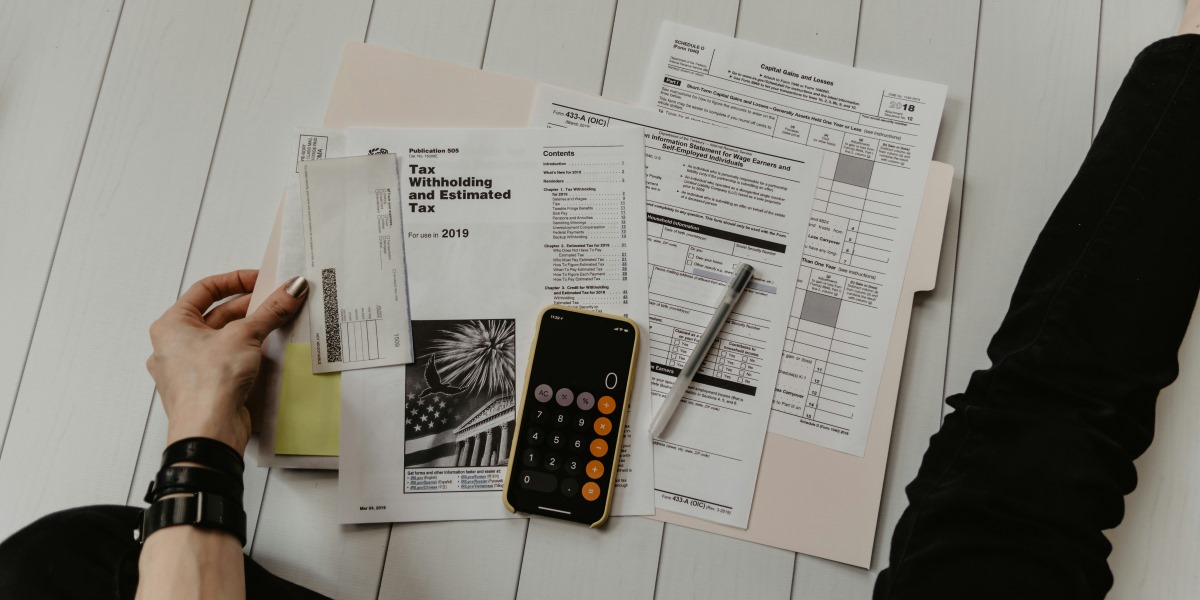
In a city where overheads are high and margins are tight, budget cut decisions are no longer a last resort, they’re a strategic necessity. From startups in SoHo to legacy firms in Midtown, NYC businesses are facing mounting financial pressure driven by inflation, shifting consumer behavior, and post-pandemic recovery costs. The challenge isn’t just cutting costs, it’s doing so without cutting momentum.

As economic headwinds persist, business owners across New York are rethinking how they allocate resources, manage teams, and preserve brand integrity. Budget cut strategies are evolving from reactive measures to proactive tools for resilience, and the smartest leaders are treating them as opportunities to streamline, refocus, and future-proof their operations.

Why Budget Cuts Are Hitting NYC Businesses Hard

New York’s business ecosystem thrives on ambition, but it also runs on high fixed costs. Commercial leases, payroll, insurance, and compliance expenses stack up quickly, especially for small and mid-sized enterprises. Add to that rising interest rates, supply chain volatility, and shifting consumer priorities, and the pressure to implement budget cuts becomes unavoidable.

Retailers are seeing foot traffic fluctuate. Hospitality groups are navigating labor shortages. Tech firms are recalibrating growth forecasts. Across sectors, the need to reduce spending is real, but the approach must be strategic.

Smart Budget Cut Strategies That Preserve Value

Cutting costs doesn’t mean cutting corners. NYC businesses are finding creative ways to reduce expenses while maintaining quality and customer trust. Some of the most effective strategies include:

  • Vendor renegotiation: Revisiting contracts with suppliers, landlords, and service providers can yield savings without sacrificing service.
  • Hybrid staffing models: Combining full-time employees with freelancers or fractional roles helps manage payroll while retaining expertise.
  • Energy audits: Reducing utility costs through LED upgrades, smart thermostats, and off-peak usage can make a measurable impact.
  • Software consolidation: Streamlining tech stacks by eliminating redundant platforms saves money and improves workflow.
  • Inventory optimization: Using data to forecast demand and reduce excess stock lowers storage costs and waste.

These budget cut strategies aren’t just about trimming, they’re about tightening alignment between spending and strategic goals.

Protecting Team Culture During Budget Cuts

One of the biggest risks of budget cuts is damaging team morale. In NYC’s competitive talent market, retaining top performers is critical. Transparent communication, inclusive decision-making, and creative incentives can help maintain trust during lean periods.

Some companies are offering flexible schedules, remote work options, or skill-building opportunities in lieu of raises. Others are involving employees in cost-saving initiatives, tapping into frontline insights to identify inefficiencies.

The goal is to treat budget cuts as a shared challenge, not a top-down mandate. When teams feel empowered, they’re more likely to support and sustain the changes.

Marketing on a Budget: Doing More with Less

Marketing budgets are often among the first to be reduced, but NYC businesses are finding ways to stay visible without overspending. Organic content, community partnerships, and influencer collaborations offer high-impact alternatives to traditional ad buys.

Local businesses are leaning into storytelling, using platforms like Instagram and LinkedIn to showcase behind-the-scenes culture, customer testimonials, and product development. Others are co-hosting events or cross-promoting with neighboring brands to expand reach.

Budget cut strategies in marketing require creativity, but they also open doors to more authentic engagement.

Financial Tools and Credit Strategy

Managing cash flow during budget cuts requires more than spreadsheets. NYC businesses are turning to financial tools that offer real-time insights, automated forecasting, and scenario planning. Platforms like QuickBooks, Ramp, and Brex are helping founders make data-driven decisions.

Credit strategy also plays a role. Businesses with strong scores can access better loan terms, credit lines, and vendor relationships. As highlighted in recent coverage on improving credit scores in NYC, maintaining financial health is key to navigating downturns and positioning for recovery.

Budget Cuts and Operational Efficiency

Budget cuts often reveal inefficiencies that were previously overlooked. NYC businesses are using this moment to audit workflows, eliminate redundancies, and invest in automation. Whether it’s streamlining customer service with AI chatbots or optimizing delivery routes with logistics software, operational upgrades can offset budget reductions.

Some companies are adopting lean methodologies, focusing on value creation and continuous improvement. Others are restructuring teams to align with core priorities, reducing layers of management and empowering cross-functional collaboration.

Efficiency isn’t just a cost-saving measure, it’s a competitive advantage.

Community Support and Resource Sharing

NYC’s business community is known for its resilience and collaboration. During times of financial strain, many companies are turning to peer networks, trade associations, and local chambers for support. Shared resources, from co-working spaces to bulk purchasing agreements, help reduce costs and build solidarity.

Navigating NYC’s Financial Strain: Budget Cut Strategies for Businesses

Photo Credit: Unsplash.com

Educational initiatives are also gaining traction. Workshops, webinars, and mentorship programs offer guidance on budgeting, financial planning, and strategic pivots. As noted in coverage of budgeting tips for every income level, financial literacy is a powerful tool for both individuals and organizations.

Long-Term Thinking in a Short-Term Crisis

While budget cuts often feel urgent, NYC’s most resilient businesses are keeping long-term goals in sight. That means protecting core values, maintaining customer relationships, and investing in scalable systems.

Some are using this period to refine brand positioning, explore new revenue streams, or pilot low-cost innovations. Others are building financial reserves, renegotiating debt, or preparing for acquisition opportunities.

Budget cut strategies that balance short-term survival with long-term vision are the ones that lead to sustainable success.

Why Budget Cuts Matter More Than Ever

In NYC’s fast-moving business landscape, budget cuts are no longer a sign of weakness, they’re a sign of adaptability. The ability to pivot, prioritize, and preserve value is what separates thriving companies from struggling ones.

As economic conditions continue to shift, budget cut strategies will remain central to business planning. But with the right mindset, tools, and community support, NYC businesses can turn financial strain into strategic strength.