
Midtown Manhattan isn’t just a neighborhood, it’s the pulse of New York City. From the moment the streets fill with morning commuters to the late-night glow of Broadway marquees, this central district captures the rhythm of urban life in a way that feels both familiar and electric. For many, navigating Midtown Manhattan can be overwhelming, especially when trying to balance sightseeing with the everyday pace of the city. That’s a common challenge for visitors and locals alike.
The Everyday Energy of Midtown Manhattan
Walk through Midtown Manhattan on any weekday and you’ll see a mix of business professionals, tourists, and artists sharing the same sidewalks. It’s home to major corporate headquarters, but also to corner delis, pop-up galleries, and street performers. The neighborhood’s density means everything is close, yet the pace can feel relentless. That’s part of what makes Midtown Manhattan so unique, it’s both a destination and a daily reality.
For digital nomads or remote workers passing through, Midtown offers a surprising number of flexible workspaces and coffee shops. Some have even documented their experience navigating the city’s energy while working remotely, offering insights into how Midtown Manhattan supports modern work-life balance through its infrastructure and accessibility.
The neighborhood’s accessibility is another reason it remains central to city life. With multiple subway lines, bus routes, and walkable avenues, Midtown Manhattan connects uptown and downtown, east and west. It’s the kind of place where someone can grab a bagel, attend a meeting, visit a museum, and catch a show, all within a few blocks.
Landmarks That Shape Midtown’s Identity
Times Square, Grand Central Terminal, and the Empire State Building are just a few of the iconic landmarks that define Midtown Manhattan. These aren’t just tourist stops, they’re woven into the city’s daily function. Grand Central, for instance, isn’t only a transit hub but also a place where locals grab lunch, shop, or meet friends. The Empire State Building, while famous for its observation deck, also houses offices and studios that contribute to the city’s creative economy.
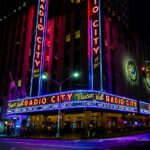
Theaters along Broadway and off-Broadway stages bring in audiences from around the world, but they also serve as creative homes for local performers and playwrights. Midtown Manhattan’s cultural footprint is deep, and it continues to evolve with each season. Bryant Park, for example, transforms from a summer reading spot to a winter skating rink, offering locals a place to unwind without leaving the neighborhood.
Even newer tech-driven initiatives are helping visitors navigate Midtown Manhattan more intuitively. Tools like Libby, an AI-powered city guide, have been introduced to help people explore neighborhoods like Midtown with more confidence and context. This kind of innovation reflects how the city continues to evolve while staying grounded in its traditions.
Culture, Commerce, and Community in Midtown Manhattan
Theatergoers flock to Broadway, but Midtown Manhattan’s cultural offerings extend beyond the stage. Museums, public art installations, and seasonal events fill the calendar year-round. The Museum of Modern Art, located just off Sixth Avenue, draws visitors with its rotating exhibits and permanent collections. Meanwhile, smaller galleries tucked into office buildings or hotel lobbies showcase emerging artists and local talent.
Retail is another major draw. Flagship stores line Fifth Avenue, while smaller boutiques and pop-ups offer more curated experiences. Midtown Manhattan is where global brands meet independent creators, and that mix keeps the area dynamic. It’s not uncommon to see a luxury fashion launch happening just blocks away from a local streetwear drop.
Food culture in Midtown Manhattan is equally diverse. From Michelin-starred restaurants to food trucks serving dumplings or tacos, the neighborhood offers something for every palate. Office workers might grab lunch from a salad bar or ramen shop, while visitors line up for classic New York pizza. The variety reflects the city’s multicultural roots and its openness to culinary experimentation.
Navigating Midtown Manhattan with Intention
Getting around Midtown Manhattan can be a challenge, especially during peak hours. Subway stations are busy, sidewalks are packed, and traffic rarely slows. But there are ways to move through the neighborhood with more ease. Many locals rely on walking routes that cut through quieter blocks or use apps that track congestion in real time. Midtown’s grid layout helps with orientation, even for those unfamiliar with the area.

Photo Credit: Unsplash.com
Hotels in Midtown Manhattan cater to a wide range of travelers. Business hotels offer conference rooms and high-speed internet, while boutique hotels focus on design and comfort. Some properties even host rooftop bars or lounges that overlook the skyline, giving guests a chance to experience the city from above.
For those exploring the city with limited time, Midtown Manhattan offers a condensed version of New York’s diversity. Whether it’s grabbing a quick bite from a halal cart or attending a rooftop networking event, the neighborhood delivers a full spectrum of experiences. Visitors often find that even a short walk through Midtown reveals layers of the city they hadn’t expected.
Why Midtown Manhattan Still Matters
Midtown Manhattan remains central to New York’s identity because it reflects the city’s complexity. It’s not just about skyscrapers or tourist attractions, it’s about how people live, work, and connect in one of the most densely populated areas in the country. The neighborhood’s ability to adapt, whether through tech tools or cultural programming, shows its resilience.
It’s also a place where tradition and innovation coexist. Historic buildings stand beside modern glass towers, and long-standing businesses operate next to startups. Midtown Manhattan doesn’t try to be perfect, it just keeps moving. That movement is what gives it character.
For anyone trying to understand New York City beyond the headlines, Midtown Manhattan offers a grounded perspective. It’s where ambition meets routine, and where the city’s heartbeat is most clearly felt. Whether passing through or staying awhile, Midtown leaves an impression that’s hard to shake.