
By: William Jones
Corporate and nonprofit events are increasingly being designed around experience, connection, and audience engagement rather than simple coordination. As organizations place greater emphasis on how attendees feel during and after an event, the role of entertainment professionals has also started to evolve. According to Jaime Kravitz, founder of The Energy Producer Entertainment, clients are no longer looking solely for someone to manage music or announcements. From her perspective, they are looking for a creative partner who becomes integrated into the structure, pacing, and emotional flow of the entire experience.
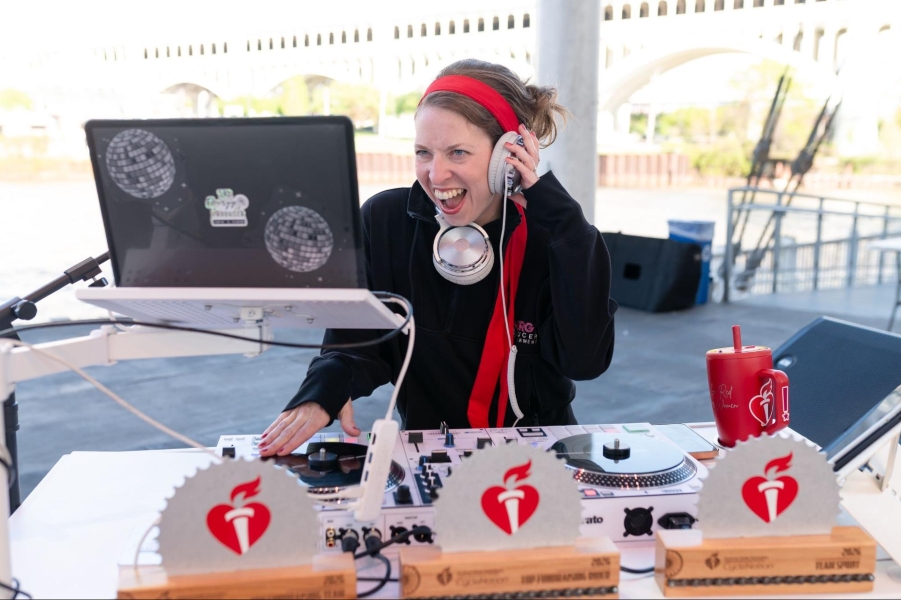
Photo Courtesy: The Energy Producer Entertainment (Jaime Kravitz)
Research on event marketing has increasingly emphasized the role of live experiences in shaping audience perception, engagement, and long-term relationship building. It shows that event marketing is designed to influence not only attendee perception but also behavior and ongoing engagement with organizations and brands. Within that environment, Jaime Kravitz says companies are placing greater emphasis on immersive and relationship-driven experiences that strengthen connection and audience participation.
From her perspective, that shift has influenced how organizations approach live productions, particularly as internal teams balance event responsibilities alongside broader operational demands. She notes that many event organizers are simultaneously managing full-time corporate or nonprofit roles, which often limits their bandwidth to plan at a higher level.
According to Kravitz, a result of this limitation is that many spend the event troubleshooting logistics instead of engaging with employees, clients, or guests. “I want the CEO to be fully immersed in the experience, sharing gratitude, leading employee recognition, and connecting deeper with the people in the room,” she says. “The biggest gift I can offer is taking pressure off their shoulders to do it all, so they can truly enjoy the event, which leads to stronger audience participation.”
She notes that this shift has contributed to what she frames as embedded event leadership. In her view, the role goes beyond executing a brief. It involves becoming deeply involved in the organization’s messaging, objectives, and audience expectations so the production team can guide the overall experience with intention. “Embedded event leadership occurs when there’s synergy between the entertainment leadership and the organization itself, leading to attendees thinking we are actually part of the company,” Kravitz explains. “We are curating the experience from beginning to end and shaping how people feel throughout the event.”
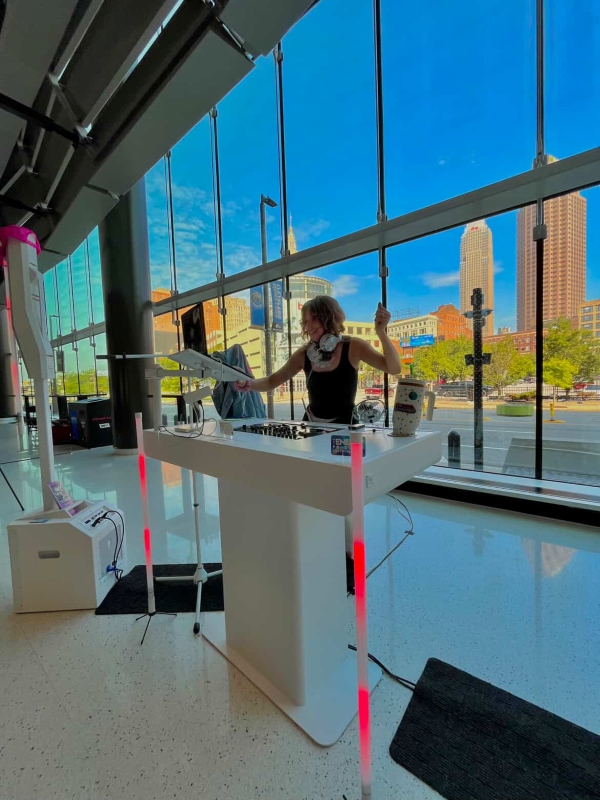
Photo Courtesy: The Energy Producer Entertainment (Jaime Kravitz)
The Energy Producer Entertainment, based in Cleveland, Ohio, operates as a live event production company providing creative event planning, DJing, emceeing, lighting, and appeal hosting for nonprofit fundraisers, corporate gatherings, and private celebrations. Kravitz explains that her work begins long before the event itself. According to her, the company becomes involved in planning discussions, scripting reviews, timeline creation, integration of music, and production strategy so events function as cohesive experiences rather than disconnected segments.
A significant part of that process involves scripting and production development. Kravitz explains that she reviews data from prior years to identify pacing issues, audience engagement patterns, and areas where transitions or presentations may have lost momentum. From there, she works with organizers to restructure or create timelines, revise scripts, and refine production flow.
According to her, scripting has become one of the most important and time-intensive parts of event preparation. “Knowing that attendees lose attention quickly, I can restructure the order, trim verbiage, and allow music to enhance the energy throughout,” Kravitz says. “Part of my role is identifying what truly matters and making sure the flow feels natural in the room.”
She explains that this work often includes reviewing speaker notes, coordinating video and music cues, building timing structures, and creating detailed run-of-show documents that account for both scripted and unscripted moments. According to Kravitz, every adjustment is tied to the broader purpose of the event.
“What is the mission? What is the priority? How do you want people to feel at the end of the night?” Kravitz says these are some of the questions that guide her planning process. “Those answers influence every decision, from pacing and timing to audience interaction and storytelling.”
This approach also influences guest experience. Kravitz notes that when transitions are rushed or programs extend too long, audiences disengage quickly. In contrast, events with clear pacing and intentional emotional continuity often create stronger audience participation and higher perceived value.
In fundraising environments, Kravitz says the same planning principles apply with added sensitivity around timing, clarity, and audience trust. Rather than treating the appeal as a standalone segment, she focuses on how the program builds toward that moment, how donor levels are explained, and how the room is guided through the donation. From her perspective, when attendees understand the purpose behind each contribution level and the program gives them enough time to respond, the appeal can feel more connected to the mission and raise more funds.
From her perspective, those outcomes are tied to preparation and audience understanding rather than improvisation alone. She explains that effective event leadership requires extensive knowledge of the mission and goals of the organization, studying demographics, understanding attendee expectations, and building enough flexibility into the production to respond in real time.
As corporate and nonprofit events continue to evolve, Kravitz believes the industry is moving toward greater integration between planners, creative operators, and clients. According to her, organizations increasingly expect cohesion rather than isolated coordination.
“When entertainment teams are fully integrated into the planning and storytelling process, the entire experience becomes more connected,” Kravitz says. “People remember how the event made them feel, and that level of trust and familiarity is what keeps organizations coming back year after year.”