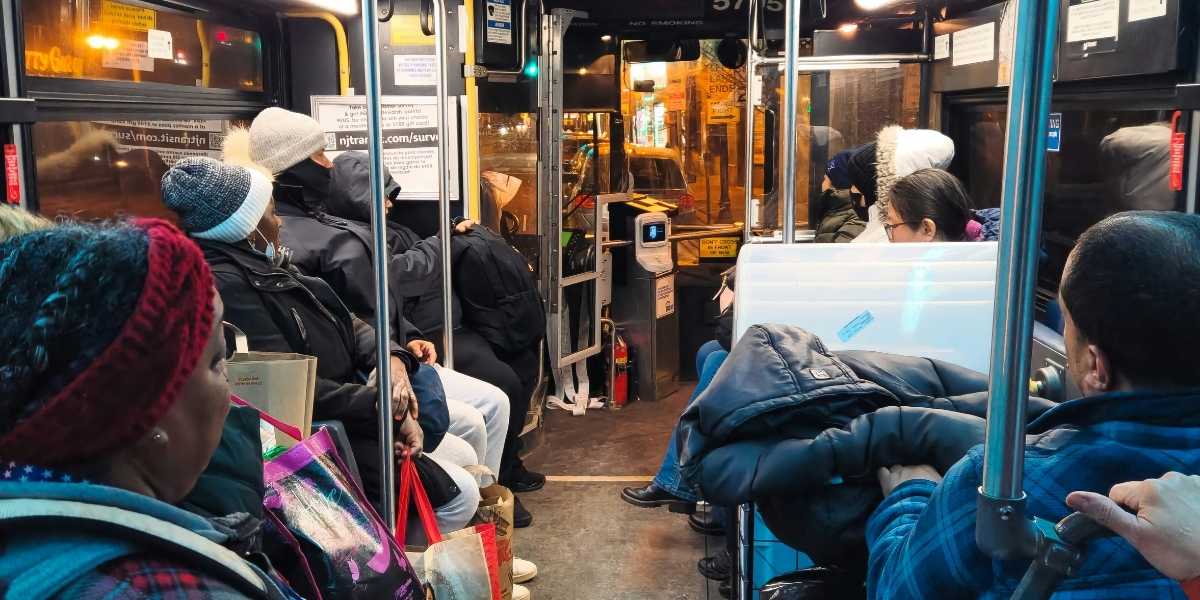
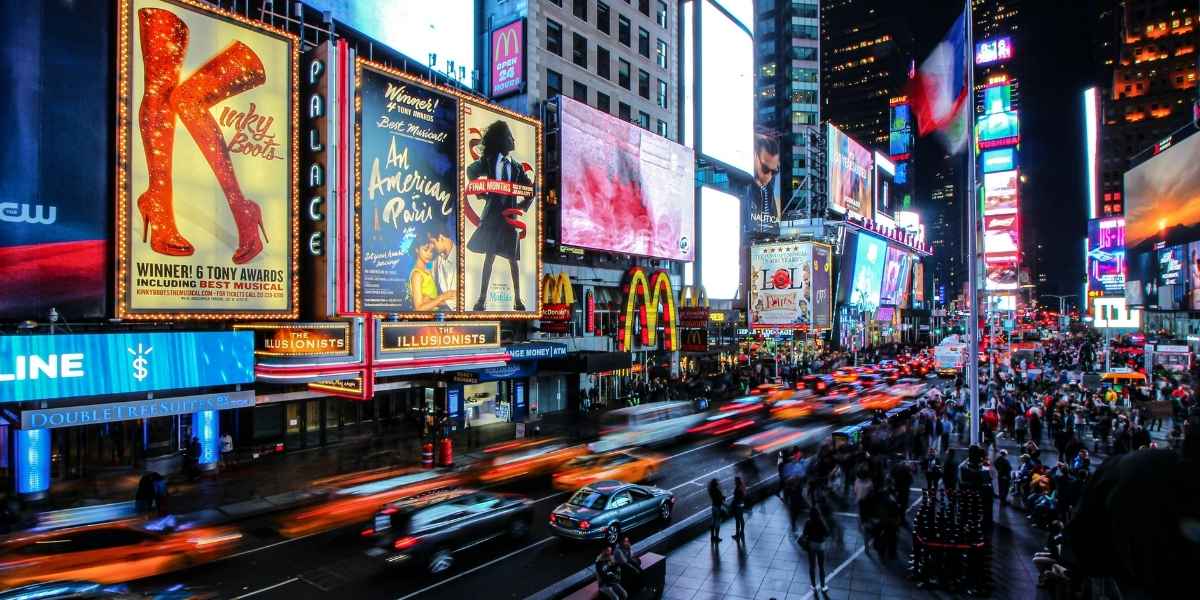
Demand for UI Designers in New York

User Interface (UI) design focuses on the visual and interactive elements of digital products — the buttons, menus, screens, and layouts users see and interact with. It differs from User Experience (UX) design, which centers on usability and overall flow. In the United States, demand for digital design talent continues to rise as technology companies, agencies, and startups invest heavily in online platforms.

National labor projections show that employment for web and digital interface designers is expected to grow around 7 percent from 2024 to 2034, placing UI design above the average pace for most careers. That growth is driven by the broader need for polished, functional digital experiences across industries.

New York City mirrors this trend. With tech, finance, healthcare, and media all competing for user attention, UI designers play a central role in making digital tools accessible, visually consistent, and easy to use.


Why New York Is a Strong Market

New York’s digital economy spans technology firms, creative agencies, fintech companies, enterprise software teams, retail technology groups, and healthcare systems. All of them rely on thoughtful interface design to keep users engaged and operations smooth.

Salary data commonly cited in the industry shows mid-level UI designers in New York earning between $95,000 and $135,000, with senior experts often exceeding $150,000 depending on experience, complexity of work, and industry. That range reflects both the city’s higher cost of living and the premium placed on strong digital design skills.

While the market is competitive, it offers diversity. Designers can specialize in financial interfaces, streaming platforms, healthcare dashboards, consumer apps, or internal enterprise tools. The volume of employers means there are opportunities for both focused career paths and wide-ranging project experience.


Skills New York Employers Look For

UI designers shape how products look and behave. Their responsibilities include:

  • Creating visual layouts and page structures
  • Designing buttons, icons, and interaction elements
  • Selecting color palettes and typography
  • Maintaining brand and interface consistency
  • Collaborating with UX, product, and engineering teams

Industry educators like Noble Desktop emphasize the balance needed between creativity and usability. Designers must understand how users move through a page, where attention naturally falls, and how to maintain predictable interaction patterns.

Common tools in the New York market include:

  • Figma
  • Sketch
  • Adobe XD
  • Design-system management tools
  • Prototyping and collaboration platforms

While coding expertise isn’t required, familiarity with HTML and CSS principles often improves communication with developers and helps designers make realistic choices.

Soft skills matter just as much. Teams expect designers to explain their decisions clearly, give and receive feedback, and adjust based on analytics or user-testing insights.


Challenges Within the Market

Even with steady demand, candidates face several realities:

1. Competition is strong.

New York attracts seasoned designers from across the country. Portfolios are often the deciding factor in interviews, and candidates without polished, real-world examples may struggle to stand out.

2. Compensation varies by company.

Tech firms and financial institutions often pay at the top of the range. Agencies, nonprofits, or early-stage startups may offer lower salaries but provide more creative flexibility or more diverse project work.

3. Tools evolve quickly.

Design software updates constantly, and digital interaction trends shift rapidly. Continuous learning — workshops, certifications, peer collaboration — helps designers remain competitive.


Why the Outlook Remains Stable

The long-term outlook for UI design in New York remains positive. Nearly every major digital service — financial apps, media platforms, healthcare portals, shopping interfaces — depends on intuitive design. That ongoing dependence keeps UI roles relevant even as technologies shift.

The combination of measurable job growth, stable salary ranges, and cross-industry demand creates reliability for current and aspiring UI designers. Unlike some creative fields that fluctuate with trends, UI design sits at the intersection of design, technology, and business operations, giving it staying power.

For newcomers, the message is balanced optimism: the opportunities are real, but preparation matters. A strong portfolio, current technical skills, and an understanding of how digital products work are essential to entering the market.

New York’s demand for UI designers reflects national employment trends and the city’s own digital growth. Labor projections, industry salary ranges, and insights from design educators all point to a field with steady momentum — not hype, but an enduring need.

For those considering the profession, New York offers both challenge and reward. It’s a competitive environment, but one of the most active and opportunity-rich markets for interface designers in the country. With thoughtful preparation and ongoing skill development, UI designers can build long-term, meaningful careers in a city that thrives on strong digital experiences.


Apartment Culture in NYC: What Makes It Stand Out in Business

Apartment culture in NYC isn’t just about square footage or skyline views, it’s a business ecosystem. From the way deals are made to how brands position themselves, the city’s housing habits influence everything from marketing strategy to startup culture. In a city where space is currency and lifestyle is leverage, apartment living has become a defining feature of how New Yorkers work, connect, and build.

Whether it’s the rise of micro-units, the dominance of co-living startups, or the way renters navigate broker fees, apartment culture in NYC reflects the city’s pace, priorities, and personality. And for business leaders, understanding that culture isn’t optional, it’s strategic.

The Business Behind the Broker Fee

One of the most talked-about aspects of apartment culture in NYC is the broker fee. It’s a cost that’s long been baked into the rental process, but recent shifts in legislation and consumer behavior are changing the game. As covered in NY Weekly’s piece on broker fee cuts, renters are pushing back, and platforms are adapting.

This shift isn’t just about affordability, it’s about transparency. In a city where renters are increasingly business-savvy, hidden costs are a liability. Real estate firms are rebranding around clarity, offering fee-free listings and digital walkthroughs to stay competitive.

The ripple effect touches everything from proptech innovation to influencer marketing. Apartment culture in NYC has created a demand for tools that simplify the search, streamline the lease, and personalize the experience. That demand is fueling startups, reshaping agency models, and redefining what it means to “rent smart.”

Micro-Apartments and the Rise of Lean Living

Space in NYC is a premium, and apartment culture reflects that reality. The rise of micro-apartments, compact units designed for efficiency, has become a symbol of urban adaptation. These spaces aren’t just small; they’re strategic. Built-in storage, convertible furniture, and communal amenities turn minimal square footage into maximum utility.

For entrepreneurs and remote workers, micro-living offers flexibility. It’s easier to relocate, easier to budget, and often located in high-demand neighborhoods. That accessibility supports mobility, which in turn supports business.

Brands are responding. Furniture companies are designing modular pieces tailored to NYC layouts. Co-working spaces are partnering with residential buildings to offer hybrid work-live packages. Apartment culture in NYC is driving innovation across sectors, from interior design to logistics.

How Apartment Culture Shapes Work Habits

The way New Yorkers live affects how they work. Apartment culture in NYC has normalized remote collaboration, side hustles, and flexible schedules. In buildings where living rooms double as offices and rooftops host client meetings, the boundaries between personal and professional are fluid.

This shift has implications for business strategy. Companies targeting NYC audiences are rethinking their messaging, emphasizing convenience, customization, and community. Whether it’s a fintech app that helps roommates split bills or a wellness brand offering apartment-friendly workouts, the products that thrive are the ones that fit the rhythm of NYC living.

Even hiring is affected. Employers understand that apartment culture means employees may be working from tight quarters, shared spaces, or rotating sublets. That awareness is shaping policies around remote work, mental health, and team communication.

Renters as Economic Drivers

Apartment culture in NYC is powered by renters, and their influence on the city’s economy is anything but passive. With more than two-thirds of New Yorkers living in rental units, renters shape everything from consumer trends to neighborhood development. Their decisions ripple across industries, driving demand for services, products, and experiences tailored to the realities of urban living.

This influence starts with spending. Renters fuel entire sectors built around convenience and flexibility: food delivery, modular furniture, cleaning services, and subscription-based home goods. Their apartments may be compact, but their expectations are high. Businesses that cater to renters understand the need for speed, customization, and low-friction transactions.

Retail and hospitality are adapting accordingly. In neighborhoods dominated by renters, you’ll find fewer big-box stores and more boutique fitness studios, fast-casual dining spots, and pop-up experiences. These aren’t just aesthetic choices, they’re strategic responses to how renters live, work, and socialize. The demand for walkable, service-rich environments is reshaping commercial real estate and zoning priorities across the city.

Tech startups are also building around renter behavior. Apps that streamline roommate agreements, automate rent payments, or offer virtual apartment tours are thriving. These platforms aren’t just solving logistical problems, they’re tapping into a renter-driven economy that values transparency and control. The rise of proptech in NYC is a direct response to the complexities of apartment culture, and renters are the early adopters pushing innovation forward.

Even real estate developers are paying attention. Amenities like package lockers, coworking lounges, and pet-friendly policies aren’t just perks, they’re business decisions informed by renter preferences. Developers track leasing data, social media sentiment, and demographic shifts to design buildings that attract and retain tenants. In this way, renters are quietly steering the future of urban architecture.

Apartment Culture in NYC What Makes It Stand Out in Business

Photo Credit: Unsplash.com

As NY Weekly explored in its feature on how NYC renters cope with a tight housing market, the pressure to find and keep housing affects everything from career choices to lifestyle habits. Renters are strategic, resourceful, and increasingly vocal about what they want, from flexible lease terms to community engagement. Their feedback isn’t just shaping policy, it’s influencing how businesses position themselves in the market.

Culturally, renters are also redefining what it means to “live in New York.” Their apartments double as content studios, pop-up venues, and brand activation spaces. Influencers shoot campaigns in their kitchens. Designers host trunk shows in their lofts. Founders pitch investors from their living rooms. The apartment isn’t just a private space, it’s a platform for creativity, commerce, and connection.

Renters in NYC are economic drivers in every sense. They influence what gets built, what gets sold, and how brands communicate. Apartment culture isn’t just a backdrop, it’s a business model. And in a city that thrives on movement, renters are the ones setting the pace.

Cultural Identity and Apartment Living

Apartment culture in NYC is deeply tied to identity. The type of building you live in, the neighborhood you choose, the way you decorate your space, all of it signals something. In a city where personal branding is part of daily life, apartments become extensions of self.

This dynamic plays out in media, fashion, and tech. Influencers shoot content in their kitchens. Designers host trunk shows in their lofts. Founders pitch investors from their living rooms. The apartment isn’t just a backdrop, it’s part of the narrative.

That narrative is shaping business. Brands are collaborating with residents to co-create content, host events, and test products. Apartment culture in NYC is turning homes into hubs, and businesses are taking note.

What’s Next for Apartment Culture in NYC

Apartment culture in NYC is evolving. As affordability challenges persist and remote work becomes permanent for many, the city’s housing habits will continue to shift. Co-living models, flexible leases, and tech-enabled amenities are gaining traction.

For businesses, the takeaway is clear: apartment culture isn’t just lifestyle, it’s infrastructure. It affects how people spend, connect, and create. Understanding it means understanding the pulse of NYC.

Whether you’re launching a startup, scaling a brand, or investing in real estate, apartment culture in NYC offers insights that go beyond square footage. It’s a lens into how New Yorkers live, and how business gets done.

NYC Faces Growing Need for Special Education Services

New York City is facing a surge in demand for special education services, and the system is under pressure. With more students being diagnosed with learning differences, developmental delays, and behavioral challenges, the city’s public schools are scrambling to meet the moment. The urgency isn’t just about numbers, it’s about equity, access, and the future of inclusive education in one of the most diverse school systems in the country.

Why the Demand Is Rising

The rise in demand for special education services in NYC is driven by a mix of factors, some expected, others more recent. First, there’s increased awareness. Parents and educators are spotting signs of neurodivergence earlier, thanks to better screening tools and a cultural shift toward destigmatizing learning differences.

Second, the pandemic disrupted developmental milestones. Remote learning created gaps in socialization, routine, and academic progress, especially for students who rely on structure and individualized support. Many children who slipped through the cracks during lockdowns are now surfacing with needs that require formal intervention.

Third, digital habits are reshaping how young brains function. As NY Weekly recently explored in its piece on the hidden cognitive cost of social media, attention spans, emotional regulation, and executive function are all being impacted. These shifts are contributing to a rise in behavioral and learning concerns that demand specialized support.

Staffing Shortages Are Undermining Progress

Even as demand grows, NYC schools are facing a chronic shortage of qualified special education professionals. The number of certified special education teachers, therapists, and paraprofessionals hasn’t kept pace with student needs. In some districts, caseloads are double what’s recommended, leaving educators stretched thin and students underserved.

This staffing crisis affects everything from classroom ratios to the timely delivery of Individualized Education Programs (IEPs). Delays in evaluations, missed service hours, and inconsistent support are becoming common, even in schools with strong reputations.

Retention is another issue. Special education roles are emotionally demanding and often underpaid. Without adequate support, burnout is high. NYC’s Department of Education has launched recruitment initiatives, but experts say more needs to be done to make these careers sustainable. That includes better pay, mentorship programs, and mental health resources for educators themselves.

Families Are Navigating a Complex System

For parents, accessing special education services in NYC can feel like navigating a bureaucratic maze. The process involves evaluations, documentation, meetings, and advocacy, often with little guidance. Language barriers, limited digital access, and systemic delays make it even harder for families in marginalized communities.

Some parents turn to private evaluations or legal support to secure services, but that’s not an option for everyone. The result is a two-tiered system where wealthier families can fast-track support, while others wait in limbo.

The city’s recent smartphone ban in schools has added another layer to the conversation. While the policy aims to reduce distractions, some educators worry it could limit access to assistive technologies used by students with disabilities. Balancing discipline with accommodation is becoming a key challenge.

Parents also report inconsistent communication from schools. Some receive regular updates and collaborative support, while others struggle to get basic information. This inconsistency erodes trust and makes it harder to advocate effectively.

Schools Are Innovating, But It’s Not Enough

Despite the challenges, many NYC schools are finding creative ways to expand special education services. Some are partnering with nonprofits to offer speech therapy, occupational support, and counseling. Others are using technology to deliver personalized learning plans and track progress.

NYC Faces Growing Need for Special Education Services

Photo Credit: Unsplash.com

Charter schools and magnet programs are experimenting with inclusive models that integrate special education students into general classrooms with co-teaching support. These approaches show promise, but scaling them across the city’s vast school system is a major hurdle.

There’s also a push to train general education teachers in special education strategies. With better tools and understanding, they can support students more effectively and reduce reliance on pull-out services. But professional development requires funding, time, and buy-in from leadership.

Some schools are piloting sensory-friendly classrooms, peer mentoring programs, and trauma-informed teaching practices. These innovations reflect a growing understanding that special education isn’t just about academics, it’s about creating environments where all students can thrive.

Policy and Funding Need to Catch Up

At the policy level, NYC’s special education services are governed by federal mandates like IDEA (Individuals with Disabilities Education Act), but implementation varies widely. Advocates say the city needs clearer accountability metrics, faster evaluation timelines, and more transparent data reporting.

Funding is another sticking point. While NYC allocates billions to education, special education often competes with other priorities. Advocates are calling for dedicated budgets that reflect the true cost of services, including staffing, training, and infrastructure.

The city’s annual special education reports show incremental progress, but the pace isn’t matching the urgency. Without bold investment and reform, the system risks falling further behind.

There’s also a need for better data. Tracking outcomes, service delivery, and student progress across boroughs would help identify gaps and allocate resources more effectively. Transparency isn’t just good policy, it’s essential for trust.

What’s Next for NYC’s Special Education Landscape

The growing need for special education services in NYC is a wake-up call, not just for educators, but for policymakers, tech developers, and community leaders. It’s a chance to rethink how we support diverse learners in a city that prides itself on inclusion.

That means listening to families, empowering teachers, and designing systems that are flexible, equitable, and responsive. It also means recognizing that special education isn’t a niche, it’s a core part of the city’s educational future.

As NYC continues to evolve, so must its approach to learning differences. The students are here. The need is clear. Now it’s time for the system to rise to the challenge.

Autumn in NYC: Understanding the Science of Its Vibrant Colors

Autumn in NYC isn’t just a seasonal shift, it’s a spectacle. From the fiery reds of Central Park’s sugar maples to the golden hues lining Riverside Drive, the city transforms into a living canvas. But behind the beauty lies a fascinating blend of biology, climate, and chemistry that makes fall in New York unlike anywhere else.

As the air cools and daylight fades, trees across the five boroughs begin a process that’s as scientific as it is stunning. And while leaf peeping might feel like a simple pleasure, understanding the science behind it adds a whole new layer of appreciation to autumn in NYC.

Why Leaves Change Color in the First Place

The color transformation during autumn in NYC is more than seasonal flair, it’s a survival strategy. As trees prepare for winter, they undergo a series of internal changes that result in the brilliant reds, oranges, and yellows we associate with fall. This process, known as senescence, is triggered by environmental cues like shorter daylight hours and cooler temperatures.

During the growing season, chlorophyll dominates. It’s the green pigment responsible for photosynthesis, allowing trees to convert sunlight into energy. But chlorophyll is fragile. As autumn approaches, trees begin to break it down and reabsorb its nutrients to conserve energy for the dormant months ahead.

With chlorophyll fading, other pigments step into the spotlight. Carotenoids, which are always present but masked by green, reveal themselves in golden yellows and warm oranges. Anthocyanins, on the other hand, are produced in response to light and sugar concentration in the leaves. These pigments create the deep reds and purples that give autumn in NYC its signature vibrancy.

Different tree species produce different pigment combinations. Sugar maples are known for their fiery reds, while birches lean toward bright yellow. Oaks tend to hold onto their leaves longer and shift into muted browns and russets. That diversity is part of what makes NYC’s urban canopy so visually dynamic, especially in parks like Fort Tryon or Pelham Bay, where multiple species coexist.

Interestingly, the timing and intensity of color change can vary block by block. Trees planted along shaded avenues may turn later than those in open plazas. Microclimates created by buildings, traffic, and elevation all influence how and when leaves shift. That’s why autumn in NYC feels like a slow-motion mosaic, each neighborhood unfolding at its own pace.

The science also explains why some years are more spectacular than others. A warm, wet spring followed by a dry summer and cool, sunny fall tends to produce the most vivid colors. If early frost hits or rainfall is erratic, leaves may drop before reaching peak brilliance. It’s a delicate balance, and one that makes every autumn in NYC slightly different from the last.

Climate’s Role in NYC’s Fall Palette

Autumn in NYC is shaped not just by biology, but by climate. The city’s unique blend of urban heat, coastal influence, and tree diversity creates a foliage season that’s both unpredictable and spectacular.

Columbia University climate scientist Mukund Palat Rao notes that cooler temperatures and reduced daylight are key triggers for leaf senescence, the process of leaf aging and color change.  But rainfall also plays a role. More moisture during the growing season can lead to healthier leaves and richer fall colors.

This year, NYC saw a relatively wet summer followed by a crisp early October, setting the stage for a vibrant autumn. Parks like Prospect, Inwood Hill, and Pelham Bay are already showing strong reds and golds, while the Bronx River Greenway is expected to peak in late October.

Where to See Peak Autumn in NYC

Timing is everything when it comes to fall foliage. Peak autumn in NYC typically hits between mid-October and early November, but it varies by borough and tree type. Sugar maples turn early, while oaks hold their color longer.

The NYC Parks offers real-time updates on color changes across the city’s green spaces. It’s a go-to resource for planning weekend strolls or spontaneous leaf-peeping detours.

Central Park’s North Woods, Fort Tryon Park’s Heather Garden, and the Brooklyn Botanic Garden are perennial favorites. But lesser-known spots like Alley Pond Park in Queens or Clove Lakes Park in Staten Island offer equally stunning views, often with fewer crowds.

The Business of Fall in the City

Autumn in NYC isn’t just a visual treat, it’s an economic engine. Seasonal tourism spikes as visitors flock to experience the city’s fall charm. Local businesses, from cafés to boutiques, lean into the aesthetic, launching fall menus, foliage-themed events, and seasonal campaigns.

Autumn in NYC: Understanding the Science of Its Vibrant Colors

Photo Credit: Unsplash.com

Apple orchards just outside the city see a surge in traffic, especially on weekends. As highlighted in NY Weekly’s feature on apple orchard experiences, these destinations blend agritourism with lifestyle appeal, drawing both families and influencers.

Even media coverage shifts. Fashion shoots, film productions, and influencer content often center around autumn in NYC, using the city’s natural backdrop to amplify storytelling. It’s a reminder that fall isn’t just a season, it’s a brand.

How Autumn in NYC Compares Globally

While New York’s fall foliage is iconic, it’s part of a broader global phenomenon. Temperate regions across the Northern Hemisphere experience similar transformations, but the timing and intensity vary.

In tropical climates, seasonal shifts are less about color and more about weather. NY Weekly’s recent piece on typhoon season travel timing explores how autumn in places like Southeast Asia is defined by rainfall and storm cycles, not leaf color.

What sets autumn in NYC apart is its urban context. Few cities offer such a dense mix of architecture, culture, and nature. Watching leaves change against the backdrop of brownstones, skyscrapers, and subway entrances creates a contrast that’s uniquely New York.

Why Autumn in NYC Still Captivates

There’s something timeless about autumn in NYC. It’s a season that invites reflection, movement, and connection. Whether you’re walking through a canopy of gold in Morningside Heights or sipping cider on a Brooklyn stoop, fall feels like a reset.

It’s also a reminder of nature’s rhythm. In a city that never stops, autumn slows things down, if only for a moment. The science behind the colors adds depth, but the experience itself is visceral. It’s the crunch of leaves underfoot, the smell of roasted chestnuts, the way the light hits a red oak at 4 p.m.

And while the season is fleeting, its impact lingers. Autumn in NYC isn’t just about trees, it’s about texture, tone, and transition. It’s proof that even in the most fast-paced city in the world, nature still knows how to steal the show.

Navigating Global Insurance Challenges: Economic Uncertainty & AI

Global insurance is at a crossroads. Economic instability, climate volatility, and artificial intelligence are converging to reshape how insurers assess risk, serve customers, and stay profitable. For an industry built on predictability, the current landscape is anything but.

From life and health to property and casualty, insurers are being forced to rethink their models, modernize their systems, and redefine their value. The challenge isn’t just technological, it’s existential. The companies that adapt will lead. The ones that don’t may not survive.

Economic Volatility Is Rewriting the Risk Playbook

The global economy is in flux. Inflation, interest rate swings, and geopolitical tensions are disrupting markets and consumer behavior. For insurers, this means recalibrating risk models that were built for more stable times.

Traditional actuarial assumptions are no longer reliable. Catastrophic weather events are more frequent and severe. Cyberattacks are more sophisticated. Political unrest is more unpredictable. These variables are harder to price, and harder to reinsure.

Capital markets are also shifting. Busineses are demanding higher returns, while reinsurers are tightening capacity and raising premiums. This puts pressure on insurers to maintain profitability while still offering competitive products. Many are responding by adopting dynamic pricing strategies and scenario-based forecasting, which require deeper data and faster analytics.

The shift is especially pronounced in life and health insurance, where longevity trends, healthcare inflation, and behavioral shifts are forcing carriers to rethink how they assess and price long-term risk. Understanding how life insurance companies determine premium rates is becoming more complex, as lifestyle data, wearable tech, and predictive modeling play a larger role in underwriting.

AI Is Transforming the Insurance Stack

Artificial intelligence is no longer a buzzword, it’s embedded in nearly every layer of the global insurance ecosystem. From underwriting and claims to fraud detection and customer service, AI is driving efficiency, personalization, and scale.

Machine learning models are now used to assess risk in real time, drawing from diverse data sources like credit scores, driving behavior, and even social media activity. This allows insurers to offer more tailored policies, but it also raises concerns about bias, transparency, and data privacy.

In claims processing, AI-powered tools are reducing turnaround times from weeks to hours. Image recognition software can assess vehicle damage from photos. Natural language processing can scan medical records for billing accuracy. These tools cut costs and improve customer satisfaction, but they also require robust oversight to avoid errors and abuse.

Customer service is also evolving. Chatbots and virtual agents are handling routine inquiries, freeing up human agents for more complex issues. While this improves efficiency, it also changes the nature of the customer relationship. Insurers must balance automation with empathy, especially in moments of crisis.

AI is also enabling new product development. Usage-based insurance, on-demand coverage, and embedded policies are becoming more common, especially in auto and travel. These innovations are reshaping how consumers interact with insurance, and what they expect from providers.

Consumer Expectations Are Driving Digital Transformation

Today’s insurance customers expect more than a policy. They want transparency, speed, and personalization. Global insurers are under pressure to deliver seamless digital experiences, clear policy language, and flexible products that reflect modern lifestyles.

Navigating Global Insurance Challenges Economic Uncertainty & AI

Photo Credit: Unsplash.com

Mobile-first platforms, instant quotes, and self-service portals are now table stakes. Consumers want to manage their policies the same way they manage their banking or shopping, with a few taps on a screen. This requires insurers to invest heavily in UX design, data integration, and cloud infrastructure.

Younger consumers are especially demanding. Gen Z and millennials are less loyal, more tech-savvy, and more likely to switch providers based on digital experience and social impact. They want policies that align with their values, including sustainability, equity, and mental health support.

In health insurance, this shift is particularly visible. Consumers are looking for plans that go beyond reimbursement to include preventive care, wellness incentives, and mental health resources. Understanding the importance of insurance for health care providers is now part of the consumer equation, as patients expect insurers to play a more active role in care coordination and cost transparency.

To meet these expectations, insurers are experimenting with new models. Subscription-based coverage, peer-to-peer insurance, and parametric policies are gaining traction. These products offer simplicity, speed, and clarity, qualities that traditional insurance often lacks.

Regulatory Complexity Is Raising the Stakes

As insurers innovate, regulators are racing to keep up. Around the world, governments are introducing new rules to address data privacy, algorithmic accountability, and climate-related disclosures. These regulations are reshaping how insurers collect data, price risk, and communicate with customers.

In the European Union, the AI Act is setting precedent for how machine learning can be used in financial services. In the United States, state regulators are scrutinizing pricing models and consumer protections. In Asia, digital licensing frameworks are enabling new entrants while tightening oversight.

Cybersecurity is also a growing concern. As insurers collect more personal data and rely on cloud-based infrastructure, they become prime targets for breaches. Regulators are demanding stronger safeguards, incident reporting protocols, and third-party risk assessments.

Compliance is no longer a back-office function, it’s a strategic imperative. Insurers must build systems that are not only efficient but also auditable, explainable, and resilient. This requires collaboration between legal, tech, and business teams, and a willingness to spend in long-term infrastructure.

The Industry Is Pivoting Toward Resilience and Relevance

Global insurance is no longer just about protection, it’s about resilience. Carriers are rethinking their value propositions, moving from reactive coverage to proactive risk management. This includes offering wellness incentives, climate adaptation tools, and business continuity planning for commercial clients.

Partnerships are playing a key role. Insurers are teaming up with tech firms, healthcare providers, and even governments to deliver more integrated solutions. These collaborations allow for better data sharing, faster innovation, and broader impact.

Talent is also a priority. The future of insurance depends on professionals who understand both risk and technology, actuaries who can code, underwriters who can interpret AI outputs, and executives who can lead through uncertainty. Recruiting and retaining this talent is becoming a competitive differentiator.

At the same time, insurers are being asked to do more with less. Margins are tightening, customer acquisition costs are rising, and expectations are growing. To stay competitive, carriers must streamline operations, eliminate friction, and deliver value at every touchpoint.

This means rethinking legacy systems, embracing open APIs, and adopting agile methodologies. It also means listening to customers, not just through surveys, but through behavioral data, sentiment analysis, and real-time feedback loops.

The companies that succeed will be those that treat disruption not as a threat, but as a catalyst. They’ll build systems that are adaptive, inclusive, and transparent. They’ll prioritize trust, relevance, and resilience. And they’ll redefine what it means to be an insurer in a world where risk is constant, and change is the only certainty.


Disclaimer:
This article is intended for informational purposes only and does not constitute financial, legal, or regulatory advice. The global insurance landscape is complex and rapidly evolving, and interpretations may vary based on jurisdiction, market conditions, and organizational context. Readers should consult licensed professionals, legal counsel, or certified insurance experts before making decisions related to coverage, compliance, or strategic planning. 

Behind Schedule: Why NYC’s Bus System Struggles to Meet Riders’ Needs

The bus system in New York City is supposed to be the backbone of outer-borough transit. But for over a million daily riders, it’s become a symbol of frustration, slow, unreliable, and increasingly out of sync with the city it’s meant to serve.

While subways grab headlines, buses remain the only viable option for many New Yorkers, especially in transit deserts like southeast Queens, the Bronx, and Staten Island. Yet despite their importance, buses are consistently behind schedule, and the reasons why are layered, systemic, and long overdue for a fix.

The System Is Losing Riders, and Relevance

Bus ridership in NYC has been in steady decline for over two decades. Since 2002, the system has lost millions of riders, with many turning to rideshares, e-bikes, or simply walking to avoid the wait. According to the NYC Comptroller’s 2025 report, over 1.1 million people still rely on buses daily, a population larger than most U.S. cities, but they’re doing so with decreasing confidence.

The problem isn’t just perception. Buses are slow. The average speed across the five boroughs is under 8 mph, and in Manhattan, it drops below 5 mph during peak hours. Add in inconsistent headways, outdated routes, and traffic congestion, and it’s no wonder riders are fed up.

Traffic is the biggest culprit. Double-parked cars, delivery trucks, and gridlocked intersections choke bus lanes and delay service. While the city has expanded dedicated bus lanes in recent years, enforcement remains spotty. Cameras help, but they’re not everywhere, and drivers know it.

The MTA and DOT have launched initiatives like the Better Buses Action Plan, which aims to redesign routes and speed up service. But progress is slow, and implementation varies by borough. Riders in Brooklyn and the Bronx often see little change, even as pilot programs roll out in Manhattan.

Outdated Routes and Accessibility Gaps Keep Riders Waiting

Many of NYC’s bus routes haven’t been updated in decades. They were designed for a city that no longer exists, one where people commuted from home to a single job site, not between multiple gigs, schools, and caretaking responsibilities.

Today’s riders need flexibility, frequency, and real-time information. But the current bus system still relies on legacy routes that snake through neighborhoods inefficiently, often duplicating subway lines or failing to connect key destinations.

The MTA’s borough-based bus redesigns are meant to address this, but community feedback has been mixed. Some riders worry about losing stops; others say the changes don’t go far enough. What’s clear is that the system needs to evolve, and fast.

For many disabled New Yorkers, the bus system is the only accessible form of public transit. With most subway stations still lacking elevators, buses are a lifeline. But delays, overcrowding, and inconsistent service make that lifeline unreliable.

Older adults, parents with strollers, and riders with mobility devices often face long waits and limited seating. And while low-floor buses and kneeling features help, they’re not enough when buses don’t show up, or skip stops altogether.

Tech and Electrification Are Promising, But Incomplete

The MTA has made strides in modernizing the bus system, from real-time tracking apps to OMNY tap-and-go fare payments. But glitches remain. A 2025 survey found that 74% of riders experienced issues with OMNY, including failed taps and overcharges.

Meanwhile, AI and data analytics are being used to optimize routes and predict delays. These tools are part of a broader push to rework public transportation across NYC, but implementation is uneven. Some routes benefit from smart scheduling and signal priority; others are stuck in analog limbo.

Behind Schedule Why NYC’s Bus System Struggles to Meet Riders’ Needs

Photo Credit: Unsplash.com

Riders want consistency. They want to know when the bus is coming, and that it won’t disappear from the tracker five minutes before arrival. Until tech upgrades are universal and reliable, trust in the system will remain low.

The MTA has also committed to transitioning its entire fleet to electric buses by 2040. That’s a win for the environment and for neighborhoods plagued by diesel pollution. But electrification alone won’t solve the system’s core issues.

Electric buses still get stuck in traffic. They still follow outdated routes. And they still require drivers, maintenance, and infrastructure that the city is struggling to scale. The shift to electric public transportation in NYC is a step forward, but it’s only one piece of a much larger puzzle.

What Riders Actually Want, and Why It’s Not Happening

Ask any regular bus rider what they want, and the answers are remarkably consistent:

  • More frequent service, especially during off-peak hours
  • Reliable arrival times that match what’s shown on apps
  • Faster trips, with fewer unnecessary stops and detours
  • Better enforcement of bus lanes and traffic violations
  • Cleaner, safer buses, especially at night

These aren’t radical demands. They’re basic expectations for a city that prides itself on being global, modern, and mobile.

Mayor Adams and the City Council have voiced support for bus improvements, and the MTA has outlined ambitious plans. But execution is everything. Without sustained funding, community engagement, and inter-agency coordination, even the best plans stall.

Transit advocates are calling for more transparency, faster implementation, and a rider-first approach. That means listening to feedback, adjusting quickly, and treating bus riders with the same urgency given to subway riders and drivers.

The Bottom Line

New York’s bus system is essential, and it’s failing too many people. Fixing it won’t happen overnight, but it can’t wait another decade either. With the right mix of technology, policy, and political courage, the city can deliver a bus system that actually works for the people who rely on it most.

Until then, riders will keep waiting, behind schedule, again.

How NYC’s Real Estate Boom Is Fueling Business Development

New York City’s commercial real estate boom isn’t just about rising property values, it’s actively shaping how businesses launch, expand, and operate across the boroughs. From logistics hubs in Brooklyn to multi-use buildings in Queens, the city’s evolving property landscape is creating new opportunities for entrepreneurs, developers, and investors who are looking for more than just square footage.

The shift is visible in the numbers. Leasing activity in Manhattan’s Midtown South has surged, with mid-sized companies signing longer-term deals for flexible office space. In Brooklyn, warehouse conversions are attracting e-commerce startups that need proximity to last-mile delivery routes. Even in traditionally residential neighborhoods, storefronts are being reimagined as hybrid spaces that serve both retail and community functions.

Why Businesses Are Betting on NYC Again

Confidence is returning to the market, and it’s not just coming from legacy firms. Independent retailers, food entrepreneurs, and tech startups are all making moves. A small design studio recently signed a lease in Long Island City, choosing a former industrial loft that had been renovated to include shared amenities and modular workstations. The team cited access to transit, walkable dining options, and flexible lease terms as key reasons for choosing the space.

In Midtown, a boutique consulting firm expanded into a second floor of its building after seeing a spike in client visits. The firm had previously considered relocating to a suburban office park but ultimately chose to stay in Manhattan because of the city’s density and visibility. That decision reflects a broader trend: businesses are realizing that being in NYC isn’t just about prestige, it’s about access to talent, infrastructure, and customers.

Logistics and Waterfront Zones Are Driving Growth

One of the most overlooked drivers of business development is the transformation of waterfront logistics zones. These areas, once dominated by shipping and industrial use, are now becoming strategic hubs for distribution, warehousing, and hybrid retail operations. In Red Hook, for instance, a former cargo terminal has been converted into a fulfillment center that supports dozens of small brands selling direct-to-consumer.

Businesses looking to streamline supply chains are taking advantage of NYC’s waterfront logistics powerhouse to move goods faster and more efficiently. A local beverage company recently relocated its storage and distribution operations to a waterfront facility in Sunset Park, cutting delivery times to Manhattan and Queens by nearly 40%. That kind of logistical advantage is helping smaller companies compete with national brands.

The city’s investment in infrastructure is also playing a role. Upgrades to ferry terminals, truck routes, and rail connections are making it easier for businesses to operate in areas that were previously considered too remote or industrial. As a result, neighborhoods like Hunts Point and the Brooklyn Navy Yard are seeing a wave of new tenants, from food producers to fashion labels, who value proximity to both suppliers and consumers.

Multi-Use Spaces Are Changing How Businesses Operate

Flexibility is no longer a perk, it’s a requirement. Multi-use commercial buildings are becoming the norm, offering tenants the ability to adapt their space to changing needs. A storefront in Williamsburg, for example, functions as a coffee shop by day and a live music venue by night. Upstairs, the same building houses a podcast studio and a shared editing suite used by freelance creators.

How NYC’s Real Estate Boom Is Fueling Business Development

Photo Credit: Unsplash.com

The demand for such spaces is growing, especially in neighborhoods where traditional leases no longer make financial sense. As highlighted in this look at multi-use commercial spaces in NYC, these environments support shared costs, diversified revenue, and community engagement, all critical for long-term sustainability.

In Harlem, a wellness brand recently opened a flagship location that includes a retail boutique, yoga studio, and event space. The founder chose the site specifically because of its flexible layout and zoning allowances. By combining multiple revenue streams under one roof, the business was able to offset seasonal fluctuations and build a loyal customer base.

Entrepreneurship Is Thriving in Unexpected Places

The real estate boom isn’t just benefiting large firms. Independent creators, boutique retailers, and food entrepreneurs are finding new footholds in reimagined spaces. In Bushwick, a former auto repair shop now houses a ceramics studio, a vegan bakery, and a pop-up gallery, all sharing utilities and foot traffic.

What’s driving this? Access to flexible leases, shared amenities, and spaces that reflect local culture. In Jackson Heights, a group of immigrant-owned businesses recently collaborated to lease a multi-unit building that includes a grocery store, tailoring service, and language school. The arrangement allows each tenant to operate independently while benefiting from shared marketing and community events.

These aren’t just places to do business, they’re places to build identity. For many founders, the ability to test ideas without long-term commitment is the difference between launching and waiting. And in NYC, the variety of available spaces, combined with a culture of experimentation, makes that possible.

The Real Estate Boom Is Reshaping Business Strategy

This isn’t just a property story, it’s a business story. As NYC’s commercial real estate continues to evolve, it’s influencing how companies think about growth, risk, and innovation. Developers are designing buildings with modular interiors and shared infrastructure. Tenants are experimenting with new formats. And consumers are responding to spaces that feel more personal and engaging.

In SoHo, a fashion brand recently opened a showroom that doubles as a content studio. The space includes movable walls, adjustable lighting, and built-in livestream capabilities. The brand uses the location not only for customer appointments but also for photo shoots, influencer events, and product launches. That kind of multifunctional use is becoming more common, especially among businesses that rely on digital engagement.

There’s still complexity to navigate, zoning, compliance, branding, but the overall direction is clear. NYC’s real estate boom is giving businesses more tools, more flexibility, and more reasons to invest in the city’s future. And while not every space will be a perfect fit, the sheer variety of options means that businesses can find environments that support their goals, values, and growth plans.

For those building something new, the city isn’t just a backdrop, it’s a catalyst. And right now, it’s moving fast.


How Broadway Continues to Shape NYC’s Cultural Identity

Broadway isn’t just a stretch of theaters, it’s a living part of New York City’s cultural DNA. For generations, it’s been the place where stories unfold, voices rise, and audiences gather to experience something bigger than themselves. From landmark productions to quiet revivals, Broadway continues to shape how the city sees itself and how the world sees New York.

The influence goes beyond the stage. Broadway fuels tourism, supports thousands of jobs, and anchors the city’s reputation as a global creative capital. It’s a space where tradition meets experimentation, and where the emotional pulse of the city finds its voice.

Broadway as a Cultural Anchor

Ask any longtime New Yorker about their first Broadway show, and you’ll likely hear about a childhood milestone, a school field trip, or a family outing that left a lasting impression. These experiences aren’t just entertainment, they’re formative. They help shape how people connect to the city and to each other.

Broadway’s role as a cultural anchor is especially visible in how it supports local businesses. Restaurants, hotels, and shops near the Theater District rely on the steady flow of theatergoers. A small bistro on 46th Street might see its busiest nights when a new musical opens next door. That kind of economic ripple effect keeps entire neighborhoods vibrant.

Theater also plays a role in how NYC presents itself to the world. Tourists often plan their trips around Broadway shows, treating them as essential experiences. Whether it’s a blockbuster musical or an intimate play, the performance becomes part of their New York story. That connection helps reinforce the city’s identity as a place where art matters.

Creative Innovation on and off the Stage

Broadway isn’t static. It evolves with the times, reflecting shifts in culture, politics, and technology. Productions now incorporate digital projections, immersive sound design, and unconventional staging to tell stories in new ways. A recent musical used real-time video feeds to blur the line between audience and performer, creating a layered experience that felt both theatrical and cinematic.

Off-Broadway and experimental spaces also contribute to this innovation. Smaller venues in neighborhoods like the East Village and Chelsea host shows that push boundaries, challenge norms, and explore themes that might not fit traditional formats. These productions often serve as incubators for ideas that eventually make their way to Broadway.

This creative energy mirrors what’s happening across NYC’s broader music and arts scene. As New York continues to define global music culture, Broadway remains part of that conversation. It’s not just about legacy, it’s about relevance. The city’s mix of ambition, diversity, and artistic tension keeps its theater scene fresh and resonant.

Broadway’s Role in Music and Performance Culture

The influence of Broadway extends into music, shaping how artists think about storytelling, performance, and audience connection. Many musicians cite Broadway as a source of inspiration, whether through its lyrical depth, emotional range, or live production values. A singer-songwriter performing in Brooklyn might draw from musical theater techniques to enhance their stage presence or narrative arc.

Broadway also contributes to how music is produced and consumed. Cast recordings often chart alongside mainstream albums, and songs from musicals find their way into playlists, social media trends, and even award shows. This crossover reflects the city’s ability to blend genres and formats in ways that feel natural.

As artists thrive in the digital age, Broadway offers a model for how to balance tradition with innovation. Live theater demands presence, timing, and connection, qualities that translate well to digital platforms when adapted thoughtfully. Some productions now stream select performances, reaching global audiences while maintaining the intimacy of the stage.

Broadway and the Emotional Landscape of NYC

There’s a reason people cry, laugh, and cheer in Broadway theaters. The emotional intensity of live performance taps into something deeply human. In a city known for its pace and pressure, theater offers a moment to pause, reflect, and feel. That emotional resonance helps shape how New Yorkers relate to their environment and to each other.

Broadway also reflects the city’s diversity. Productions increasingly feature stories from a wide range of backgrounds, voices, and perspectives. A recent play centered on immigrant experiences in Queens, while a musical explored generational trauma through a Harlem family’s journey. These narratives help audiences see themselves on stage, and see others with empathy.

Theater isn’t just about escape. It’s about engagement. Broadway encourages people to think, question, and connect. That kind of cultural participation strengthens NYC’s identity as a place where ideas matter and where art is part of everyday life.

Why Broadway Still Sets the Standard

Even as entertainment shifts toward streaming and virtual formats, Broadway remains a benchmark. Its blend of craft, scale, and emotional depth continues to influence how stories are told across media. Directors, writers, and performers often look to Broadway for cues on pacing, structure, and audience impact.

How Broadway Continues to Shape NYC's Cultural Identity

Photo Credit: Unsplash.com

The city’s infrastructure supports this standard. From rehearsal studios to costume shops, from lighting designers to stage managers, NYC offers a network of talent that makes Broadway possible. These behind-the-scenes roles are part of the city’s creative ecosystem, contributing to its reputation as a place where excellence is expected.

Broadway also sets the tone for how NYC celebrates its cultural achievements. Award shows, festivals, and industry events often center around theater milestones. Whether it’s a Tony-winning performance or a groundbreaking debut, these moments become part of the city’s narrative.

In a city that’s always changing, Broadway remains a constant. It adapts, evolves, and responds, but it never loses its place at the heart of New York’s cultural identity. For creatives, audiences, and communities alike, Broadway continues to be a space where stories come alive and where the city finds its voice.


Former Navy SEAL Pete Scobell Breaks Silence On Hidden Brain Injuries To Support Fellow Warriors

Written by: Dillon Kivo


For many Americans, Navy SEALs exist at the intersection of myth and reality. They operate in the shadows, completing missions seldom discussed and living lives defined by grit, endurance, and quiet resolve. The culture prizes humility and silence. Yet in recent years, a new kind of courage has begun to surface inside that community. A small number of former operators are stepping forward to talk about the battles that linger long after combat ends.

Pete Scobell is one of them. His story, shared widely following his appearance on The Shawn Ryan Show, has become a touchstone in a growing national conversation about traumatic brain injury among post-9/11 service members. It is a story not about combat heroics, but about what happens when the body and mind refuse to recover long after the uniform comes off.

Scobell’s experience offers a window into a complex truth. Many who spent careers breaching doors, absorbing blast waves, and operating in high-stress environments carry neurological wounds that are only now being widely understood. For Scobell, acknowledging that reality was not a moment of weakness. It was the first step toward becoming whole again.


A Decline Almost Too Subtle To See

The symptoms arrived quietly. A numb arm. Persistent headaches. A back that never seemed to loosen. Sleepless nights that turned into sleepless weeks. A slipping memory that made routine tasks difficult. Occasional moments of emotional distance that felt unfamiliar and out of place.

“In the kitchen, [Morgan] goes, ‘dude, you got TBI. You need to go to NICoE.’” Scobell recalled. “I was like, what is TBI and what’s NICoE?… you can’t sleep for your headaches… You quite literally can’t hold a conversation.

In isolation, each symptom could be dismissed. Together, they formed a constellation of warning signs that something deeper was happening. But for men conditioned to push pain aside, a doctor’s visit often ranks low on the priority list.

Family members sensed the change first. Scobell had always been present, grounded, and engaged at home. Slowly, he drifted. He misplaced keys. He repeated the questions. He sat in silence where conversation once came easily. To outsiders, he looked the same. Inside, a fog was forming.

The Special Operations community values stamina in every form. Physical. Mental. Emotional. Service members grow accustomed to demands that feel endless. It is not unusual to assume that exhaustion and irritability are simply the cost of service. For many, acknowledging a deeper problem can feel like stepping outside the culture.


A Teammate Recognizes The Signs

It was another SEAL, Morgan Luttrell, who first confronted Scobell about the changes. Luttrell had walked a similar path. He knew the signs of traumatic brain injury and recognized them immediately. Rather than offering reassurance, he offered direction. It was time to seek help.

I walked in… and I was like, I need help,” Scobell said of going to medical after Morgan urged him to get evaluated. “I just dumped it… and they pulled my resignation… ‘he’s not getting out yet.’

That intervention mattered. Within the Special Operations community, trust is currency. Advice carries more weight when it comes from someone who understands both the science and the lifestyle.

Scobell listened. It was not an admission of defeat, but an act of strength. The decision would change his life.


A Different Kind Of Mission At NICoE

The National Intrepid Center of Excellence, known as NICoE, is one of the nation’s leading institutions for treating traumatic brain injury and psychological trauma in the military. Its model is comprehensive. Rather than sending patients to specialists in isolation, NICoE brings experts together under one roof. Neurologists, psychiatrists, pain specialists, sleep experts, cognitive therapists, nutritionists, and integrative medicine providers collaborate on a single plan.

For warriors accustomed to compartmentalization, the experience can feel transformative.

Scobell underwent ninety-three medical appointments and multiple MRIs. Doctors used language that resonated with someone trained to assess systems and damage patterns. “Think of your brain like a city… gray matter is the buildings, white matter the streets and the sidewalks… with blasts, it’s like an earthquake… the damage is in the infrastructure you can’t see,” he was taught.

NICoE focused on reducing inflammation and cortisol, restoring restorative sleep, addressing pain, and retraining neural pathways. “They used acupuncture… it was like somebody hit a button and my headache went away… I slept for 18 hours… and I started to piece myself back together,” Scobell said.

Healing did not happen overnight. It was measured and intentional. But it was real.

Learn more at the National Intrepid Center of Excellence.


Pete Scobell’s Grief Arrives Without Warning

Recovery unfolded alongside heartbreak. During his treatment, the Extortion 17 crash claimed the lives of thirty American service members, including many from the SEAL Teams. The loss sent shockwaves through the community. Scobell attended memorials, sang in honor of fallen teammates, and confronted grief without turning away from it.

For some, moments like that cause withdrawal. For Scobell, they created purpose. Healing strengthened his resolve. If his recovery could help even one operator avoid silent suffering, he would speak.


Sharing Knowledge, Quietly And Persistently 

After completing treatment, Scobell returned determined to help others. He created a briefing that explained traumatic brain injury in clear, direct terms. He traveled to units and family gatherings. He spoke not as a clinician, but as a teammate who had walked the same path.

Every guy in the room was like, ‘dude, I got all of that.’… we started stacking guys up, going to NICoE… I was fielding calls at two in the morning from guys hurting, and I just found this purpose,” he said. “I came here to save… I’m going to save these guys.

“I came here to save… I’m going to save these guys.”

The mission shifted from combat to connection. It was still service, just in another form.


Rebuilding On New Ground

Transitioning from active duty brought new challenges. Purpose does not always translate instantly into civilian life. Scobell found grounding in the mountains. Skiing became both meditation and discipline. Movement returned. Breath steadied. Identity evolved.

He continued advocating for expanded access to NICoE-style care. Over time, his story spread. Then it accelerated. When he sat across from Shawn Ryan and shared his journey, millions saw not a mythic figure, but a human being learning to rebuild.


Former Navy SEAL Pete Scobell Breaks Silence On Hidden Brain Injuries To Support Fellow Warriors

Photo Courtesy: The Shawn Ryan Show

Watch the full conversation on The Shawn Ryan Show.


A New Understanding Of Strength

Today, Scobell is part of a cultural shift in how military service and resilience are understood. Strength is not measured only by endurance. It is also measured by honesty, awareness, and willingness to heal.

The SEAL community does not seek attention. Yet stories like this move the culture forward. They remind warriors that recovery is not a surrender. It is readiness, return, and service by another name.

A Path Forward

For many veterans, traumatic brain injury remains misunderstood. Some do not know what to look for. Others know, but hesitate to ask for help. Scobell’s message is simple: recognize the symptoms and step forward. Healing is possible.

Progress does not always arrive with headlines or ceremonies. Often it begins in a quiet moment, with a sentence that many warriors struggle to speak:

I need help.

Strength lives not only in the struggle, but in what comes next.

If you or someone you know is experiencing symptoms of traumatic brain injury, support is available through the Defense and Veterans Brain Injury Center and military care providers.


Manhattan’s Office Rent Surge: A Challenge for Commercial Growth

Office rent in Manhattan has always been a high-stakes game, but 2025 is pushing that pressure to new levels. As companies reevaluate their footprints and landlords navigate shifting demand, the city’s commercial real estate market is facing a recalibration, one that’s forcing innovation, adaptation, and tough decisions.

Why Office Rent Is Climbing in Manhattan

Several factors are driving the spike in office rent across Manhattan. Prime locations remain in high demand, especially in Midtown and the Financial District, where proximity to transit and prestige still carry weight. But beyond location, the cost of maintaining and upgrading buildings has climbed. Energy efficiency standards, safety retrofits, and tech infrastructure all add to the overhead, and those costs often get passed down to tenants.

According to Colliers, Manhattan’s leasing volume during the first half of 2025 totaled 20.63 million square feet, a 42% increase from the same period in 2024 and the strongest first-half demand since 2014. While Q2 leasing dipped slightly from Q1, it still landed 28% above the five-year quarterly average. CBRE reports that Class A office space in Midtown now averages over $83 per square foot, with trophy buildings like One Vanderbilt commanding well above $100.

Hybrid work hasn’t eliminated the need for office space, it’s just changed how companies use it. Many firms now want flexible layouts, collaborative zones, and wellness features, which often come at a premium. The result is a market where square footage may shrink, but price per square foot continues to rise.

The Impact on Commercial Growth and Planning

Manhattan’s commercial growth depends on more than just available space, it relies on affordability, adaptability, and long-term viability. When office rent surges, it doesn’t just affect tenants. It reshapes how developers plan new projects, how brokers pitch properties, and how city officials think about zoning and incentives.

Some buildings are being repositioned to attract niche tenants, while others are undergoing full-scale conversions. NYC office-to-residence conversions are becoming a more common strategy, especially for older buildings that no longer meet modern office standards. These conversions reflect a broader shift in priorities, from maximizing commercial density to meeting residential demand.

Still, the transition isn’t simple. Converting office space into housing requires navigating zoning laws, infrastructure challenges, and community concerns. And while it may ease pressure on the residential market, it also signals a retreat from traditional commercial expansion.

Developers are also facing a new kind of scrutiny. Investors want to know how projects will perform in a market where rent volatility is becoming the norm. That means more emphasis on mixed-use models, flexible leasing structures, and long-term sustainability, not just in terms of energy, but in terms of economic resilience.

Occupancy Management as a Strategic Response

As rent climbs, companies are rethinking how they use space. Occupancy management strategies have become essential for firms trying to balance cost with productivity. Instead of assigning desks to every employee, many offices now operate on a reservation system, with shared workstations and rotating schedules.

This approach allows businesses to reduce their footprint without sacrificing collaboration. It also opens the door to more dynamic layouts, ones that can shift based on team needs, project cycles, or seasonal demand. For landlords, this means reconfiguring spaces to support modular design and flexible leasing terms.

At Google’s Chelsea campus, the company has leaned into hybrid flexibility by redesigning floors to support both in-person collaboration and asynchronous work. Meanwhile, smaller firms in Flatiron and SoHo are adopting similar strategies, using occupancy data to inform lease negotiations and space planning.

There’s also a growing interest in data-driven space planning. Companies are using sensors and analytics to understand how their offices are actually used, which areas get the most traffic, which rooms sit empty, and how employees interact with the environment. That insight helps them make smarter decisions about layout, amenities, and lease terms.

The Pressure on Mid-Sized Firms and Local Operators

While large corporations may have the resources to absorb rent increases or negotiate favorable terms, mid-sized firms and local operators often face tougher choices. Some are relocating to outer boroughs, while others are downsizing or exploring co-working options. The challenge isn’t just financial, it’s strategic. These businesses must weigh the value of a Manhattan address against the realities of their budget and growth plans.

There’s also a cultural factor. For many NYC-based companies, being in Manhattan isn’t just about convenience, it’s about identity. Moving out of the borough can feel like a loss of visibility or prestige, even if the new space is more affordable. That tension is playing out across industries, from media and tech to finance and design.

Manhattan's Office Rent Surge A Challenge for Commercial Growth

Photo Credit: Unsplash.com

In some cases, firms are choosing to stay put but renegotiate their leases, asking for shorter terms or more flexible clauses. Others are investing in remote infrastructure, allowing them to maintain a presence in the city while shifting day-to-day operations elsewhere.

The emotional toll of these decisions shouldn’t be overlooked. Business owners who’ve built their companies in Manhattan are now facing a landscape that feels less predictable, and that uncertainty can be exhausting. Balancing ambition with practicality is a constant negotiation.

What This Means for Manhattan’s Commercial Future

The surge in office rent is more than a pricing issue, it’s a signal that Manhattan’s commercial landscape is evolving. Developers, tenants, and policymakers are all being pushed to rethink what makes a space valuable, and how that value can be sustained in a changing economy.

For some, the answer lies in innovation, smarter layouts, greener buildings, and tech-enabled amenities. For others, it’s about diversification, using mixed-use models to balance risk and attract a broader range of tenants. And for many, it’s simply about survival, finding ways to stay in the game without compromising their mission or bottom line.

This moment isn’t without frustration. Businesses that have long called Manhattan home are now facing decisions they didn’t anticipate, and the stakes are high. But it’s also a moment of possibility. The city has always thrived on reinvention, and the commercial sector is no exception.

As office rent continues to climb, the question isn’t just how to manage costs, it’s how to build something that lasts. And in Manhattan, where every square foot tells a story, that challenge is as complex as the city itself.