
New York City’s public transportation system is facing a major transition as cities around the world look for ways to reduce emissions and move toward cleaner forms of mobility. For the Metropolitan Transportation Authority (MTA), electrification is already part of the long-term strategy, but moving an entire regional transportation network away from fossil fuels presents significant technical, financial, and infrastructure challenges.
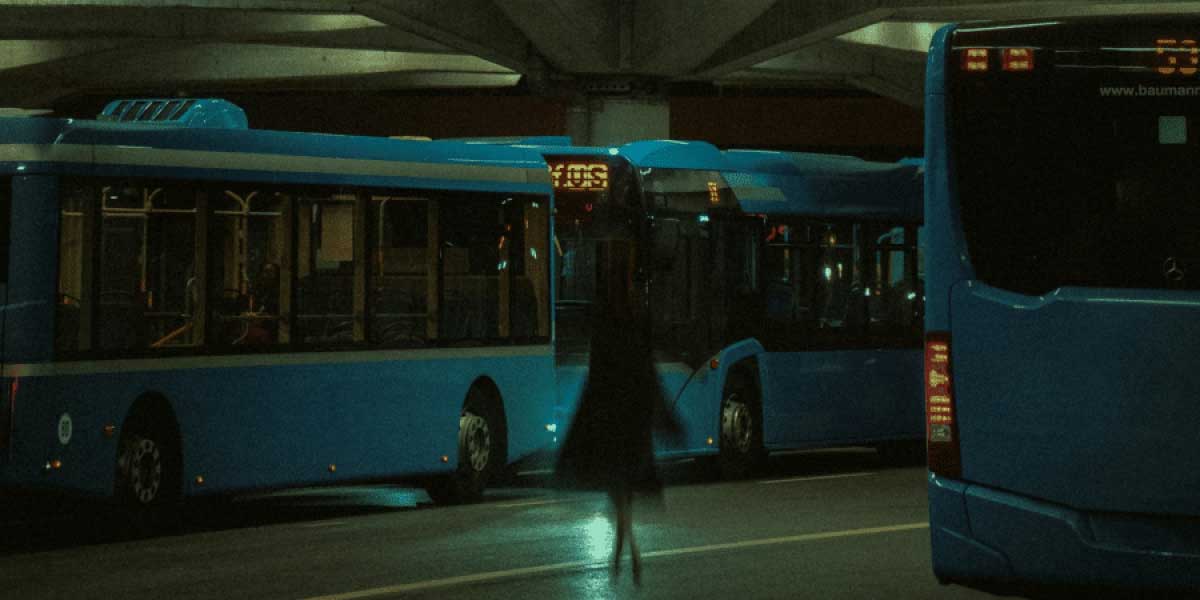
New York already has one of the country’s largest electric rail networks. The subway system operates on electricity, while commuter railroads have also used electric trains for decades. The more difficult challenge is the city’s extensive bus network, where thousands of vehicles operate across the five boroughs every day.
The question is therefore not whether New York can electrify its public transportation system. It is how quickly the city and state can build the infrastructure, secure the funding, and manage the operational changes required to make broader electrification practical.
Key Takeaways
- New York already operates an extensive electric subway and commuter rail network.
- Electrifying the city’s bus fleet represents a more complex challenge because it requires new charging infrastructure and changes to depot operations.
- Electric buses could help reduce tailpipe emissions and improve air quality in communities located near busy transportation corridors.
- The transition requires significant investment in vehicles, charging systems, electrical capacity, maintenance facilities, and workforce training.
- A successful transition will likely depend on long-term coordination between the MTA, New York State, New York City, utilities, and other public agencies.
New York Already Has an Electric Transportation Foundation
Unlike many American cities, New York is not starting from scratch.
The subway system is powered by electricity and forms the backbone of the city’s transportation network. The MTA’s commuter rail system also includes extensive electrified service, particularly on the Long Island Rail Road and Metro-North Railroad.
This existing infrastructure gives New York an advantage as policymakers consider broader transportation electrification. The city already has decades of experience operating electric trains, maintaining electrical systems, and managing a transportation network that depends on reliable power.
However, buses present a different problem.
Why Electric Buses Are More Complicated
Replacing diesel or hybrid buses with battery-electric models requires more than purchasing new vehicles. Transit agencies also need to install charging equipment, upgrade electrical connections, redesign portions of bus depots, and ensure that vehicles can complete their scheduled routes.
Bus operations are particularly demanding because vehicles may run for long periods with limited downtime. Charging infrastructure must therefore be carefully planned around existing schedules.
Extreme weather can also affect battery performance and energy consumption. Heating and cooling systems require additional power, while long routes and heavy passenger loads can influence how frequently a vehicle needs to recharge.
For New York, these challenges are amplified by the size and density of the system. A transition involving thousands of buses would require coordination across multiple depots and neighborhoods.
The Environmental Case for Electrification
Transportation is a significant source of greenhouse gas emissions, and reducing emissions from buses could contribute to New York’s broader climate goals.
Electric buses produce no tailpipe emissions while operating. This can be particularly relevant in densely populated areas where buses travel through neighborhoods with large numbers of pedestrians, cyclists, and residents.
Reducing diesel exhaust could also provide local air-quality benefits, particularly in communities located near heavily traveled roads and bus depots.
The overall climate impact of electric transportation also depends on how electricity is generated. As the power grid incorporates more renewable energy, the emissions associated with electric vehicles can decline further.
The Grid Is Part of the Challenge
Large-scale transportation electrification will place additional demands on New York’s electricity infrastructure.
Charging hundreds or thousands of buses requires substantial electrical capacity, particularly when vehicles need to recharge during similar periods. Transit agencies and utilities must therefore coordinate to ensure that the grid can support new demand without creating reliability problems.
Infrastructure upgrades may be necessary at individual depots as well as across the wider electrical network. These projects can require significant planning and investment.
The challenge extends beyond buses. As more residents transition to electric cars and other electric transportation options, overall electricity demand could increase at the same time that the state works to expand renewable energy generation.
Costs Could Determine the Speed of the Transition
Electric buses typically involve higher upfront costs than conventional vehicles, although they can offer savings in fuel and maintenance over time.
For a public transportation system operating on a large scale, the financial equation includes much more than the cost of the buses themselves. Agencies must account for charging stations, electrical upgrades, facility modifications, workforce training, replacement parts, and long-term maintenance.
Funding will therefore play an important role in determining how quickly electrification can progress.
New York’s transportation agencies already face major capital needs involving subway infrastructure, commuter rail, bridges, tunnels, and accessibility improvements. Electric transportation projects must compete for funding within a broader infrastructure budget.
Modernizing the Bus Network
Electrification could also create an opportunity to rethink how bus depots and transit operations function.
New charging systems can be paired with energy-management technologies that help agencies monitor electricity use and schedule charging more efficiently. Transit operators may also gain more detailed information about vehicle performance and energy consumption.
These improvements could support a broader modernization of the bus network. However, technology alone cannot solve operational challenges. Routes, schedules, depot locations, and maintenance procedures may all need to evolve as the fleet changes.
New York’s Workforce Will Be Part of the Transition
Electric buses have different mechanical and electrical systems from traditional diesel vehicles. As the fleet changes, maintenance workers and technicians will need training to work safely with high-voltage battery systems and new vehicle technologies.
This creates both a challenge and an opportunity. A large-scale transition could require new technical skills and create demand for workers with expertise in electric vehicle maintenance, charging infrastructure, electrical systems, and energy management.
Investing in workforce development could therefore be an important part of ensuring that electrification does not disrupt transit reliability.
Can NYC Go Fully Electric?
New York has many of the characteristics needed to become a leader in electric public transportation. Its subway system is already electric, its commuter rail network includes substantial electrified service, and the city has a dense transit system where reducing emissions could provide significant public benefits.
The hardest part will be scaling electrification across the bus network while maintaining reliable service for millions of riders.
The transition will require sustained investment, careful infrastructure planning, and coordination among transportation agencies, government officials, utilities, and communities. It will also need to account for the realities of operating a transit system around the clock in one of the world’s busiest cities.
New York’s public transportation system can become increasingly electric, but the transformation will not happen overnight. The city’s existing electric rail infrastructure provides a strong foundation. The next challenge is building the power systems, facilities, funding, and workforce needed to bring that transition to the rest of the network.
For the Big Apple, the future of public transportation may ultimately depend not only on replacing vehicles, but on building an entire transportation ecosystem capable of running on cleaner energy.
FAQs
Is New York City’s subway system electric?
Yes. The New York City subway operates using electric power, making it one of the world’s largest electric urban rail systems.
Are New York City buses electric?
New York has introduced electric buses and continues to evaluate and expand zero-emission bus technology. However, the city’s entire bus fleet has not yet transitioned to fully electric operation.
Why is it difficult to electrify all NYC buses?
The transition requires large investments in electric buses, charging infrastructure, electrical capacity, depot upgrades, maintenance, and workforce training. Transit agencies must also ensure that buses can operate reliably across demanding routes and schedules.
Would electric buses improve air quality?
Electric buses produce no tailpipe emissions, which can reduce local vehicle emissions along routes and near bus depots. The broader environmental impact also depends partly on the sources used to generate electricity.
What would NYC need to fully electrify public transportation?
The transition would require continued investment in electric buses and trains, charging infrastructure, power-grid capacity, depot modernization, workforce training, and long-term transportation planning.