
In the fast-changing digital technology today, the media industry is experiencing unprecedented changes, and how media education can keep up with the pace of the times and cultivate media talents adapted to future needs has become a major issue in front of every educator. As an outstanding female representative in the field of media education, Ms. Nan Hu of Nanjing Media College has led a teaching revolution in media education with her keen insight and unremitting innovative spirit.
Ms. Hu, who understands the rapid changes in the media industry, pointed out that with the rapid development of intelligent media, big data, cloud computing and other technologies, the traditional media teaching mode has been difficult to meet the current and future needs of the industry. Therefore, she is committed to the deep integration of modern information technology into media teaching, with a view to breaking down the barriers of traditional teaching and building a more open, interactive and practice-oriented teaching system.
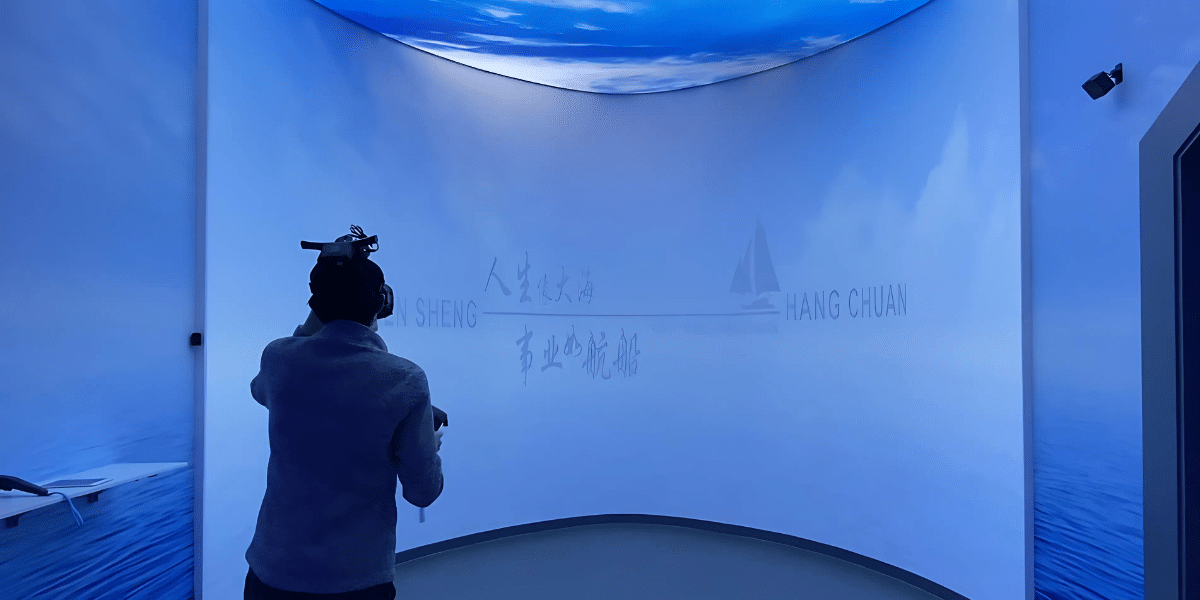
In order to achieve this goal, Ms. Hu Nan personally led the team to develop the ‘digital film and media cloud practice teaching platform’. The platform not only integrates advanced multimedia teaching and classroom management functions, but also incorporates cutting-edge media technologies and concepts, providing teachers and students with a comprehensive platform that integrates teaching, practice and communication. Through this platform, teachers can flexibly design the teaching content and adopt a variety of teaching methods and means to stimulate students’ learning interest and creativity; while students can practice in the virtual environment, simulate the real work scene, and improve their professional skills and comprehensive quality. This innovation not only solves the problem of lagging behind in theoretical teaching and disconnected practice, but also opens up a brand-new development path for media education.
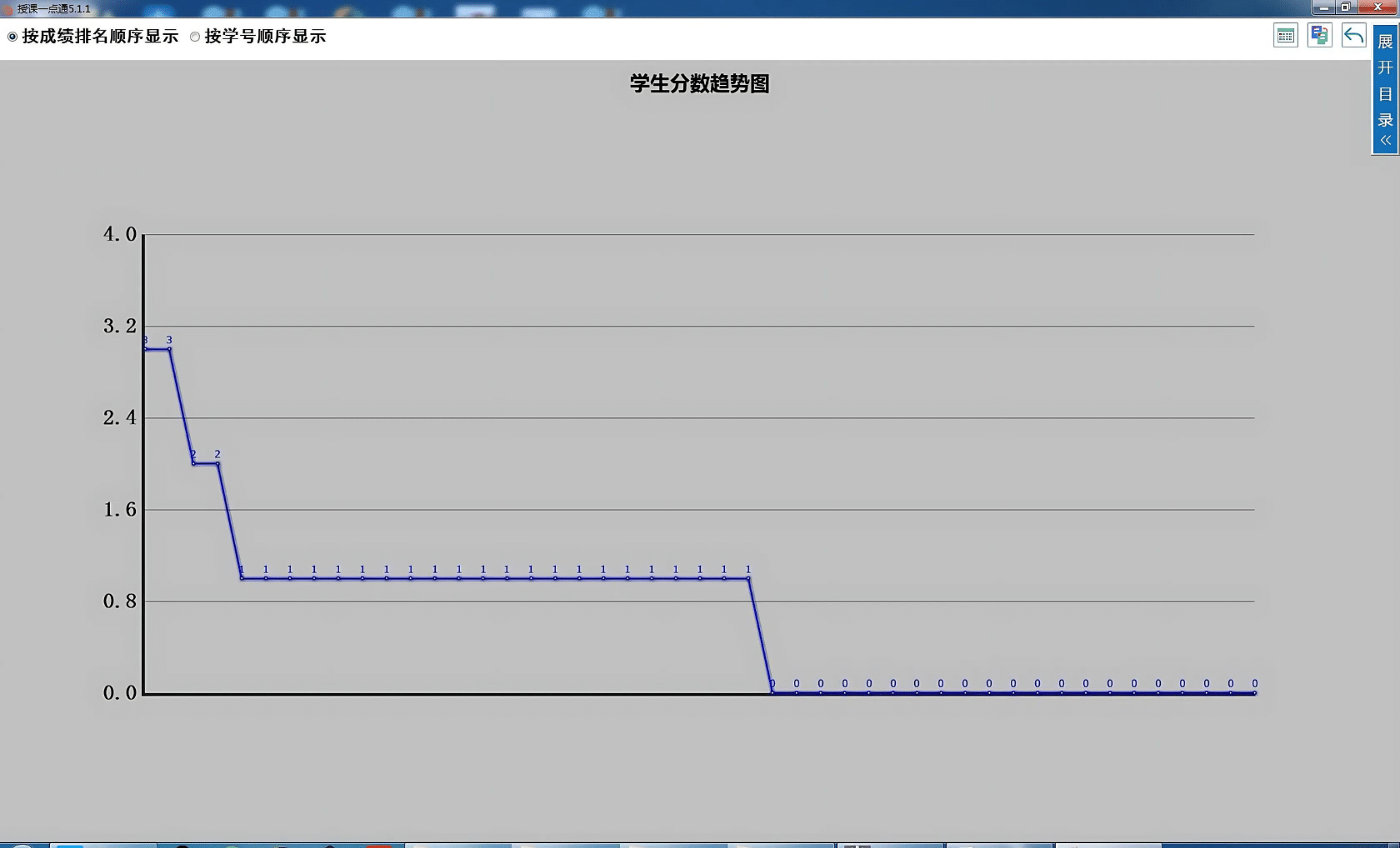
Trends in student scores / Photo Courtesy: Nan Hu
With its powerful functionality and high interactivity, the platform has completely changed the single mode of teaching in traditional classrooms. Teachers can realize multimedia teaching classroom management through the platform, while students can fully participate and actively interact in the virtual environment, which greatly improves learning interest and participation. In addition, the platform also reduces teaching costs, improves teaching efficiency, and injects new vitality into media education.
It is especially worth mentioning that when designing the ‘Digital Film and Media Cloud Practical Teaching Platform’, Ms. Hu Nan took into full consideration the specificity of media education and the needs of the industry. By introducing the concept of ‘ICT + Media’, she integrates the development of the industry into the curriculum, so that the teaching content is closer to reality and more forward-looking. At the same time, she also focuses on cultivating students’ media literacy and comprehensive ability, and through diversified practical assessment methods, such as ‘context-specific training’ and ‘integrated news design and production’, she allows students to learn and grow through practice.
In terms of teaching management and organization, Ms. Hu Nan also provided unique insights. She emphasized that teachers should shift from a product-centered teaching culture to a process-centered one, focusing on students’ learning process and experience. By introducing a variety of practical assessment methods, such as ‘presentation and defense’ and ‘learning report’, teachers can more objectively and comprehensively evaluate students’ learning outcomes and growth process, so as to provide students with more personalized guidance and support.
In specific industry use cases, Ms. Hu Nan combines the latest 5G network and cloud computing technologies to enable students to participate in the remote production and distribution of media content in real time. For example, in a typical classroom project, students used 5G-connected mobile devices to shoot short films, which were subsequently edited, processed with special effects and distributed via a cloud-based platform. This not only enhances the students’ ability to operate the technology, but also improves their understanding of the future development of the media industry. Through this teaching method, students can experience how the media industry will operate in the future, with key skills such as content production on the cloud and remote collaboration.
The platform designed by Ms. Hu was especially instrumental during the Chinese epidemic lockdown, when many universities were forced to teach online, and her platform was able to seamlessly support distance learning and hands-on training. The platform also integrates an AI automated analytics tool to help students analyze the quality of video content and audience feedback, enabling them to optimize based on data. This personalized feedback mechanism based on big data greatly improves students’ learning efficiency and promotes a seamless connection between media teaching and industry applications.
In practice, there are numerous teaching cases accomplished through this platform. For example, in the news production projects of Nanjing University and East China Normal University, students use virtual studio technology to simulate breaking news reports and broadcast the whole process through the cloud platform. During the practice, students not only learned how to handle breaking news reports, but also obtained real-time data analysis of audience interaction and feedback through the platform, which provided them with valuable practical experience and enabled them to better cope with the complex challenges of the media industry in their future work.
From a data perspective, Mr. Hu’s platform has significantly improved students’ practical skills. According to the statistics on the employment rate of media colleges and universities in East China, the success rate of students who participated in the platform in entering the media industry after graduation reached more than 93.4%, of which 89% of the students said that the platform greatly improved their technical operation ability and their confidence in dealing with the challenges of practical work. These figures fully prove the innovative value and long-term impact of the platform in media education.
Ms. Hu Nan’s ‘Digital Film and Media Cloud Practice Teaching Platform’ is not only a major innovation to the traditional teaching mode, but also an active exploration of the future development direction of media education. Her successful practice provides us with valuable experience and inspiration: in the fast-changing information technology today, only through continuous innovation and practice can we cultivate excellent media talents to meet the needs of the times.
Looking ahead, we expect more educators to embrace information technology and explore the road of teaching innovation, just like Ms. Hu Nan. Let’s work together to promote the reform and development of media education and contribute to the cultivation of more media talents with innovative spirit and practical ability.
Published By: Aize Perez