New York Beauty Schools Require Training for All Hair Types

New York beauty schools are now operating under a statewide requirement that expands cosmetology and natural hair styling education to cover all hair types and textures. Effective Sept. 1, 2026, the standard adds textured-hair instruction to existing licensing programs without increasing required training hours. Readers will find what changed, who is affected and how schools are implementing it.

New York’s Department of State confirmed the requirement took effect Sept. 1. Training must now address textured hair and other hair patterns, including hair and scalp properties, hair care, treatments and styling techniques used across different textures.

The law also requires applicable licensing examination questions related to serving people with varying hair types and textures, including curl and wave patterns, hair-strand thickness and hair volume.

Key Takeaways

  • The statewide requirement took effect Sept. 1, 2026.
  • Cosmetology remains a 1,000-hour course, while natural hair styling remains a 300-hour course.
  • State analysis estimated 297 schools approved for cosmetology courses and 45 approved for natural hair styling courses would be subject to the standards.
  • The Department of State says instruction includes hair and scalp properties, care, treatments and styling techniques.
  • On Sept. 2, the state Education Department said detailed curriculum guidance was still being finalized.

New York Beauty Schools Shift to an All-Hair-Types Standard

New York law now directs educational requirements for cosmetologists and natural hair stylists to include services for people with all hair types and textures.

The Department of State’s Sept. 1 announcement said programs must include instruction on textured hair and other hair patterns. The agency listed hair and scalp properties, hair care, treatments and styling techniques among the areas covered.

Earlier state rulemaking materials outlined expanded hair analysis and textured-hair techniques across styling, preparation, blow-drying and heat-damage prevention. Schools continue to receive formal implementation guidance through state education channels.

The shift also places more emphasis on adapting technique to the client and service setting. Related information for freelance and mobile hairstylists highlights the range of practical conditions hair professionals can encounter outside a traditional salon.

Training Expands Without Adding Licensing Hours

New York Beauty Schools Require Training for All Hair Types


Photo Credit: Unsplash.com

New York has kept existing program lengths in place. The state Education Department lists 1,000 required training hours for cosmetology and 300 for natural hair styling, and the Department of State said the new instruction will be incorporated within those totals.

The update broadens what approved programs must teach without adding licensing hours.

State regulatory analysis estimated that about 297 appearance-enhancement schools approved to offer cosmetology courses and 45 approved to offer natural hair styling courses would be subject to the standards. The analysis said the added material was intended to fit within the existing programs.

During the rulemaking process, the New York State Beauty School Association said it did not foresee significant barriers preventing schools from meeting the revised requirements. It also said “institutions will be able to integrate these changes without undue burden,” according to the State Register.

For schools, integration can involve updating lesson plans, demonstrations, practice requirements and assessment materials. For students, it means learning a broader range of hair characteristics and service considerations before completing the licensing process.

The technical focus also sits alongside a wider range of equipment and styling methods. Coverage of hair styling tools shows how devices can combine several functions, while the state standard centers on the training needed to work across different hair types.

Schools Face an Active Requirement as Guidance Catches Up

The timing creates an implementation detail for schools. On Sept. 2, one day after the requirement took effect, the New York State Education Department’s Bureau of Proprietary School Supervision said changes to natural hairstyling and cosmetology curricula were forthcoming.

The bureau said it was finalizing guidance documents with the Department of State and would email affected schools with curriculum changes and instructions once the materials were ready. The requirement is active while some administrative guidance is still moving through the school-approval process.

The exact administrative steps for updating or submitting materials may depend on the guidance distributed by the agencies.

For prospective license applicants, required education now includes training across hair types and textures while training-hour totals remain unchanged.

For New York beauty schools, textured-hair education is now part of the required licensing pathway. The immediate focus is aligning instruction with the state standard and the implementation guidance being distributed to affected programs.

Frequently Asked Questions

When did the new hair training requirement take effect?

The requirement took effect Sept. 1, 2026. The Department of State said cosmetology and natural hair styling programs must include instruction covering all hair types and textures.

Did New York increase cosmetology training hours?

No. Cosmetology remains a 1,000-hour approved course of study, while natural hair styling remains a 300-hour program.

What does the new training cover?

The Department of State says instruction covers textured hair and other hair patterns, including hair and scalp properties, hair care, treatments and styling techniques. State law also identifies curl or wave patterns, strand thickness and hair volume.

Are New York beauty schools already required to follow the change?

Yes. New York beauty schools subject to the requirement entered the new standard on Sept. 1, although the Education Department said the next day that detailed guidance was still being finalized.

Will licensing exams also address hair types and textures?

State law requires applicable examination questions to address services for varying hair types and textures. The testing requirement is tied to the same areas covered by the education standard.


Bringing a Generation Back to the Kitchen and The Woman Behind Did You Khado?

By: Zach Miller

Chef Raina Mirchandani is building more than a culinary business; she’s putting the heart back into the kitchen.

“Food has a way of holding us when life cannot. It brings us back to people, to memories, to laughter, and sometimes, back to ourselves. And maybe that is why cooking has always been about so much more than feeding people. Sometimes, it is how we love. And sometimes, it is how we rescue one another.

Did You Khado? Which means: Did you eat yet?

Because sometimes asking if someone has eaten is really another way of saying: You are cared for!”

A Career Built in the Kitchen

Long before Did You Khado? became a business, cooking was already part of Mirchandani’s identity.

A culinary-school graduate with roughly a decade of professional kitchen experience, she built her career in an industry famous for demanding long hours, physical endurance, and an almost obsessive commitment to detail.

She worked as a sous chef, a spice chef, and a private chef in New York, cooking in environments where expectations were high and mistakes were noticed. Her career included private chef work for clients throughout the city. While building and running “Did You Khado?”, she also works as a Manager at Burgerology in Midtown, Manhattan, balancing the demands of entrepreneurship with the realities of hospitality.

Life Doesn’t Follow the Recipe

The past chapter of Mirchandani’s life taught her something no success ever could: sometimes life has to become unrecognizable before you discover what you are capable of becoming.

There are seasons when moving forward doesn’t look like strength. It looks like getting out of bed when your heart is heavy, showing up when no one knows what you’re carrying, and believing in a future you cannot see yet. With consistency and resilience, her broken pieces become the foundation of something beautiful.

The Meaning Behind Did You Khado?

Mirchandani believes food can do what words sometimes cannot. It can bring strangers to the same table, turn coworkers into teammates, give families a reason to slow down, and remind people that they are deeply cared for.

That is why DYK was never meant to be just another cooking class. From corporate team-building and school programs to birthdays, date nights, and private experiences, people don’t simply watch someone cook; they cook together, laugh together, make mistakes together, and leave with something more valuable than just a recipe.

Food as a Way Back to Each Other

Raina Mirchandani says, “Modern life has made eating remarkably convenient and, paradoxically, increasingly disconnected. Meals arrive at doors in paper bags. Families eat while looking at screens. Coworkers communicate through messages despite sitting only a few feet apart.”

Mirchandani’s concept pushes in the opposite direction.

Put people around a table.

Give them ingredients.

Make them use their hands.

Put down the phones. Pick up the dough. Ruin a dumpling. Laugh about it. Make another. Share stories. Eat together.

“There is something wonderfully democratic about cooking this way. Job titles disappear when everyone is struggling to seal the same piece of dough. Because DYK isn’t selling cooking classes; it’s giving people a reason to come back to each other.”

The Table Is Still Being Set

Raina Mirchandani’s journey from professional kitchens to restaurant management has taught her that hospitality is bigger than what lands on the plate; it is about understanding the entire room and making people feel they belong in it. And while life has changed around her, she has continued to dream beyond her circumstances.

“Spend enough time in hospitality, and you learn that taking care of people can become instinctive.

The more difficult skill is learning how to take care of yourself. That’s when survival slowly becomes ambition again. And maybe the best chapters begin when you stop waiting for life to get easier and start becoming stronger anyway. If there is one thing I have learned through all of this, it is that sometimes the promise of who you could become has to become bigger than the difficulty of where you are right now.

There were moments when I had no idea what the next chapter of my life was supposed to look like. And eventually I realized I was asking myself the wrong question.

Instead of asking, ’How am I going to get everything I want?’ I started asking, ’Who do I need to become to build the life I want?’

That question changed something in me.

Because we spend so much time making lists of what we want (a career, a business, stability, love, success, a beautiful life) and very little time making a list of the person capable of carrying all of it.

I began paying attention to the small things.

Showing up when I said I would. Taking care of the space around me. Doing something properly even when nobody was watching. Learning from people who knew more than I did. Protecting my energy. Taking care of my body. Cooking instead of always choosing what was convenient. Walking. Resting. Working. Trying again.

None of those things sound extraordinary. That is the point.

I used to think changing your life would feel like one enormous, cinematic moment. Instead, I learned that a life is mostly built in tiny decisions nobody applauds.

It is the habit. It is what you do when there is no audience.

And strangely, those little promises you keep to yourself begin to change the way you see yourself. You trust yourself a little more. You stand a little taller. You stop needing every accomplishment to prove that you are valuable, because you are becoming someone you respect.

I also learned to be careful about ambition.

There is nothing wrong with wanting more. I want more. I dream enormously.

But I never want to become so obsessed with what I am trying to achieve that I lose the person I wanted to be when I get there.

Success is expensive if it costs you your kindness, your integrity, your health, your relationships, or your ability to recognize yourself.

So now I think about the future differently.

I still look back, but only long enough to learn. Because your past can give you experience, but your future gives you a reason to get out of bed in the morning.

And if you are reading this while your own life feels uncertain, write down what you want. Then underneath it, write down why you want it. Keep asking why until the answer means something to you.

Then ask yourself one more question:

Who would I have to become to make this possible?

You do not have to become that person tomorrow.

Start with one habit. One promise to yourself. One thing you do differently when nobody is looking.

And begin there.

Maybe that is what I have really been doing all along with Did You Khado?

I thought I was building a business around food.

But somewhere between the kitchens, the classes, the mistakes, the heartbreak, the people I met, and the life I had to rebuild, I realized I was building myself too.

And perhaps that is the recipe none of us are ever taught:

You don’t have to know exactly where your life is going. You just have to keep becoming someone capable of meeting it when it arrives.”

For Raina Mirchandani, the next chapter is about giving people reasons to gather, learn, and share. As Did You Khado? continues to grow, Raina Mirchandani’s work suggests the kitchen gives people a place to slow down, put their phones away, and sit together at the same table.

Pizuna 400 Thread Count King Sheet Set Brings Buttery Smooth Cotton Comfort to the Bedroom

Choosing the right bedding often comes down to details that become apparent only after extended use. Fabric texture, breathability, mattress fit, appearance, and performance after washing can all influence whether a sheet set feels genuinely premium or simply looks impressive out of the package.

These Pizuna 400 Thread Count 100% Long Staple Natural Cotton King Sheet Set in white stands out primarily for its exceptionally smooth texture, breathable construction, and polished sateen appearance. Designed as a four-piece set featuring one fitted sheet, one flat sheet, and two pillowcases, the bedding combines everyday practicality with a distinctly luxurious feel.

For shoppers looking for natural long-staple cotton sheets with a sleek, hotel-inspired finish, this Pizuna set offers a compelling combination of comfort and presentation.

A Smooth, Buttery Feel

The most noticeable characteristic of the Pizuna 400 thread count sheets is their smoothness.

Made from 100% long-staple natural cotton, the fabric has a sleek hand feel with very little surface resistance. Rather than offering the crisp, textured sensation associated with some traditional cotton sheets, the Pizuna set delivers a softer and more fluid experience.

The sateen weave also gives the fabric a subtle shine. Under natural or ambient light, the surface develops a refined luster that adds depth to the bedding and creates an appearance reminiscent of upscale hotel linens.

That exceptionally smooth texture will particularly appeal to sleepers who prefer soft, low-friction bedding.

Comfort Through the Night

The sleeping experience extends beyond the initial feel of the fabric.

The Pizuna sheets are designed to provide breathable cotton comfort while allowing air and moisture to move through the material. During extended use, the fabric maintains a comfortable sleep environment without creating a heavy or overly warm sensation.

Rather than relying on artificial cooling technology, the set benefits from the natural breathability of cotton. This makes the sheets suitable for year-round use and potentially appealing to sleepers who want bedding capable of managing changing temperatures throughout the night.

The fabric also has enough substance to provide a premium feel without becoming unnecessarily heavy.

A Secure Fitted Sheet

A comfortable sheet can quickly become frustrating if the fitted sheet continually slips from the mattress.

The Pizuna fitted sheet is designed with elasticized construction to help maintain a secure position during normal movement. When properly matched to the mattress depth, the sheet creates a smoother sleeping surface and reduces the need for repeated adjustments.

Mattress dimensions remain an important consideration for buyers. Those using particularly thick mattresses, mattress toppers, or protective layers should compare the mattress depth with the product’s listed pocket dimensions before ordering.

Flat Sheet and Pillowcase Comfort

The king-size flat sheet provides generous coverage while maintaining the same fluid feel found throughout the set.

Its drape contributes to both comfort and appearance, allowing the bedding to create either a neatly tucked hotel-style look or a more relaxed presentation.

The two pillowcases continue the smooth cotton experience and provide a soft surface against the face. Their low-friction texture may appeal particularly to sleepers who prefer silky, sleek bedding over rougher or more textured cotton fabrics.

A Polished Bedroom Appearance

Pizuna’s 400 thread count bedding is not designed solely around comfort. Its visual presentation is another notable feature.

The smooth fabric and subtle sateen shine create a clean, elevated appearance without decorative patterns or unnecessary embellishments. The luster becomes particularly visible under natural light, emphasizing the folds and giving the bedding a sophisticated finish.

The overall look works well with minimalist, contemporary, transitional, and hotel-inspired bedroom designs.

Photo Courtesy: Pizuna

Performance After Washing

Long-term bedding performance is ultimately determined by what happens after repeated washing.

During the review period, the Pizuna sheets were washed multiple times, with the fabric maintaining its defining smoothness and visible sateen finish. The material became more relaxed with continued use while retaining its soft hand feel.

As with natural cotton bedding, some wrinkling can occur after washing. Washing in warm water with a mild detergent and using a low dryer setting can help maintain the fabric’s appearance and feel. Removing the sheets from the dryer promptly can also reduce unnecessary creasing.

The continued softness after multiple washes strengthens the impression that the set’s initial smooth texture is more than simply an out-of-the-package characteristic.

Who Should Consider Pizuna’s 400 Thread Count Sheets?

The Pizuna King Sheet Set is particularly suited to sleepers who prioritize:

  • Exceptionally smooth cotton bedding
  • A soft, low-friction sleeping surface
  • Breathable natural cotton
  • A subtle sateen shine
  • A hotel-inspired bedroom appearance
  • A secure fitted sheet
  • Year-round comfort
  • A four-piece sheet set

The main consideration is personal preference. Sleepers who strongly favor crisp, dry, or heavily textured cotton may prefer a different style of bedding, while those who enjoy sleek and smooth surfaces are likely to appreciate Pizuna’s approach.

Final Verdict

The Pizuna 400 Thread Count 100% Long Staple Natural Cotton Sheet Set distinguishes itself through a combination of buttery smoothness, breathable cotton construction, refined sateen shine, and reliable fitted sheet performance.

Its strongest characteristic is unmistakably the fabric. The exceptionally smooth surface creates a comfortable feel against the skin, while the subtle luster gives the bed a more sophisticated appearance. The sheets also maintained their defining softness and polished look through multiple washes during the review period.

For shoppers seeking 400-thread-count cotton sheets, long-staple cotton bedding, breathable king-size sheets, or hotel-style sateen sheets, Pizuna’s offering provides a distinctive option focused on both comfort and presentation.

More information about Pizuna’s bedding collection is available through Pizuna Linens.

Different Roads, One Opportunity: The Entrepreneurs Behind Forests VC

By: Aman Jalan

An unexpected meeting in Costa Rica connected finance, business strategy, real estate, and regenerative land expertise. The relationships that followed eventually led to the creation of a natural capital development company.

Ronny Castillo and Kimberly Lacayo did not arrive at natural capital from the same direction. Neither did the people who would eventually become their business partners.

Their paths crossed through circumstances no business plan could have scripted.

A group had set out to visit a Costa Rican forest planted decades earlier by attorney Tatiana “Tati” Salgado. When Castillo’s vehicle broke down on the rugged road, he stayed behind while the others continued to the property in Salgado’s aging manual-transmission 4WD, with forester Javier Esquivel squeezed into the jump seat.

Later, the group reconvened at a local restaurant while Salgado and Alain Romero, co-founder of Forests to Fortune, worked on solving the transportation problem. Romero would later reenter the story in a different capacity, with Forests to Fortune working alongside Forests VC as a regenerative silviculture strategic partner.

Castillo found himself sharing local bar food and conversation with Lacayo, attorney Meli Vega, and Costa Rican businessman Marco Zúñiga.

The broken car eventually got sorted out. The relationships lasted, and in time the broader group came back together in Costa Rica to evaluate a real estate opportunity.

That gathering became consequential.

The property helped crystallize what would become Raíz de Oro, a natural capital development project with Castillo as its president. Within weeks, Castillo and Lacayo had formed Forests VC, with an ambition extending well beyond a single property.

Their different professional paths suddenly made considerable sense together.

Castillo brought conventional and regenerative finance. Lacayo brought communications, business strategy, ESG, and corporate social responsibility. Zúñiga contributed Costa Rican business and real estate experience. Around them was a broader team spanning Javier Esquivel’s forestry and silviculture experience, Adrian Vargas’s agronomy and agricultural systems expertise, engineering, law, and decades of hands-on land stewardship.

What emerged was a shared business proposition: undervalued land can contain considerably more productive and economic potential than its current use reveals.

Photo Courtesy: Forests VC

“The question extends beyond what the land is worth today,” Zúñiga says. “It’s what the land could become.”

Forests VC is building an acquisition and development platform around answering that question.

Its FINCA Framework provides a methodology to Acquire, Design, Grow, Measure, Optimize, and Connect natural assets. High-value regenerative forestry can create biological growth with long-duration asset value. Agriculture can provide nearer-term revenue. Processing, circular systems, technology and complementary enterprises can add additional layers of productivity and resilience.

For Lacayo, the opportunity connects stewardship directly with value creation.

“Better stewardship should be one of the reasons the asset becomes more valuable,” she says.

Castillo approaches the same opportunity through capital.

“The challenge isn’t finding capital,” he says. “It’s building natural assets that deserve it.”

The longer-term vision also includes developing creative financial structures that can broaden participation in real-world natural assets, creating new connections between capital, productive land, and the value generated through thoughtful development.

That creates two sides of the Forests VC model: landowners with properties capable of becoming more, and investors seeking differentiated real assets.

The company that emerged from those relationships now intends to make that process repeatable.

Something about the way it began feels fitting.

A failed vehicle interrupted the original journey. The relationships created along the way opened the road to another one.

How to Streamline Nonprofit Online Registration and Boost Program Enrollment

Nonprofits exist to serve their communities; nevertheless, administrative challenges often stand in the way of useful programs and those who would benefit most. High community interest and low enrollment numbers may mean one thing: the problem lies not in the mission itself, but in its registration process.

Lengthy forms, inactive web links, and payment methods of the past actively deter potential participants. Implementation of the nonprofit online registration software eliminates all these obstacles, creating the smoothest possible path from community interest to active program enrollment.

The Hidden Cost of Registration Friction in Nonprofits

Online users demand a seamless experience on the internet. In all industries, complex web forms have average abandonment rates of almost 68%. For NGOs, community centers, and youth foundations, every abandoned form means lost money, lower presence in the community, and wasted administrative effort.

When prospective participants face PDF download, form submission, or payment outside of the internet, the initial excitement quickly becomes frustration. Smoothing out these key interaction points updates the entire administrative process and makes your digital doorwork a steady and consistent source of growth.

4 Core Bottlenecks Slowing Down Program Enrollment

Identifying where registrants drop out of your funnel is the first step toward optimization. Four main challenges slow down the enrollment of most mission-oriented organizations:

  • Excessive Fields in Forms: Collecting unneeded background information upfront results in extra cognitive load and higher bounce rates.
  • Lack of Mobile Friendliness: Over 80% of the internet traffic comes from smartphones; lack of optimized mobile layout leads to abandoned registrations.
  • Unfriendly Payment Methods: Accepting payments only in cash or checks deters modern users used to digital wallets, credit cards, and recurring payments.
  • Manual Data Processing: Making administrators collect information about participants from paper documents takes up too much of their time.

Key Features of Modern Nonprofit Online Registration Software

Eliminating administrative drag requires software tailored to organizational workflows. Adopting specialized nonprofit online registration software equips teams with dynamic digital forms that automatically adapt based on user selections.

Core capabilities include automated email confirmations, dynamic capacity tracking for popular workshops, and integrated secure payment gateways. Modern platforms also offer centralized, cloud-based databases that protect sensitive participant records while making grant reporting, compliance audits, and demographic tracking completely effortless for operational leads.

Operational Impact: Legacy Processing vs. Modern Automation

Upgrading digital infrastructure transforms administrative capacity across every department. The operational differences between manual workflows and modern automated platforms highlight clear efficiency gains:

Photo Courtesy: Unsplash.com

Best Practices for Implementing a Streamlined System

Switching to an efficient and easy digital registration system requires an approach to its implementation:

  1. Data Field Audit: Cut out unnecessary questions and stick to only the required information regarding compliance.
  2. Support Guest and Mobile Registrations: Allow people who are coming to register fill out forms instantly without being forced to create a password.
  3. Send Automated Reminders: Send instant email/text messages that include schedule, receipt, and venue information.
  4. Integrate Core Infrastructure: Synchronize registration database with your CRM, email platform, and accounting services.

Empowering Community Impact Through Digital Access

Minimizing the amount of administrative friction directly benefits the entire community mission. Making things easier for your clients saves their time and improves program retention rates. Upgrading your registration system makes sure that your initiatives work at the highest possible level throughout the year.

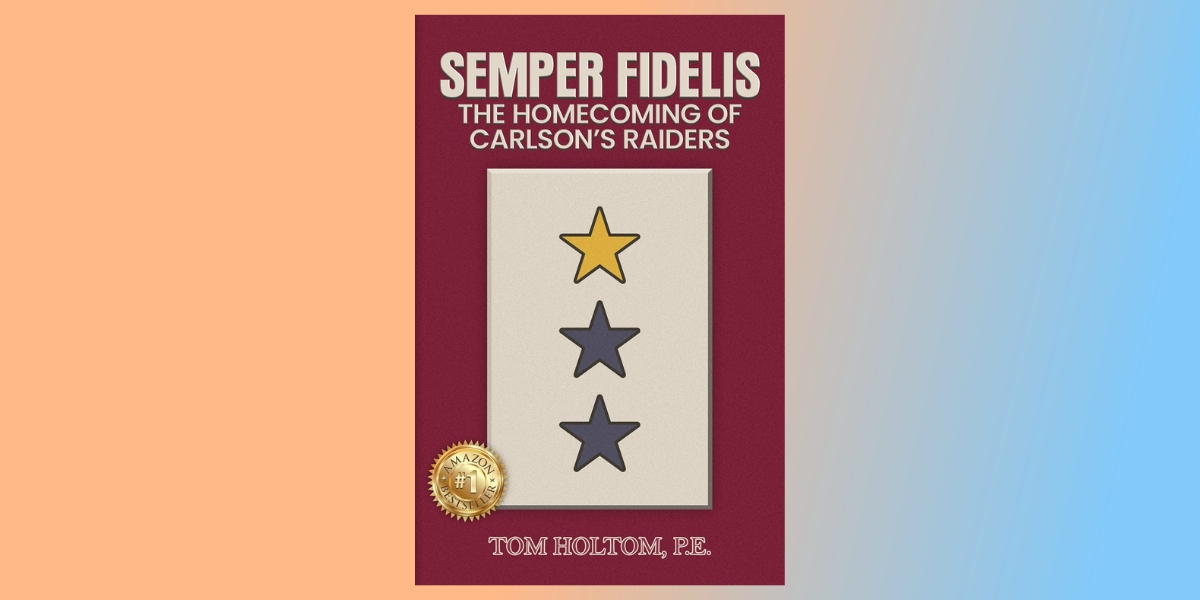
Semper Fidelis: The Book Filling a 57-Year Gap in Marine Corps History

Some stories slip through the cracks of history. For 57 years, the men who carried out one of the boldest raids of World War II waited in an unmarked grave a thousand miles from home. A new book finally gives them the place in the record they earned.

Semper Fidelis: The Homecoming of Carlson’s Raiders follows the men of the 2nd Marine Raider Battalion, better known as Carlson’s Raiders, and their daring strike on Makin Island in August 1942. It reads like history, but it feels far more personal. There is a clear reason for that.

A story the author lived

Tom Holtom did not study this story from a distance. He is the nephew of Captain Gerald Holtom, the only officer killed during the Makin raid and one of just two Marine Corps language officers lost in the entire war. As the family’s Primary Next of Kin, the author stood at the center of the long effort to bring his uncle home.

That connection is what sets the book apart. Many war accounts report events. This one remembers them. Readers feel the weight of a mother sewing a gold star into a window banner, and the quiet promise a family made to keep waiting, however long it took.

The gap it fills

The problem the book confronts is simple and painful. After the raid, nineteen Marines were buried on the island by local Gilbertese residents. Years later, a military board marked their remains “non-recoverable,” and the case effectively closed. For more than half a century, the official record stayed unfinished.

Holtom walks readers through how that began to change, the forensic scientists, the repeated searches, and the witnesses who never forgot where the men were laid to rest. Without giving away the journey, the book shows how a promise honored across generations can rewrite an ending no one saw coming.

Why it matters now

Carlson’s Raiders shaped far more than a single battle. Their training inspired the Navy SEALs, the Army Rangers, the Green Berets, and Delta Force. Their password, “Gung Ho,” entered everyday American speech. Sergeant Clyde Thomason, one of the nineteen, became the first enlisted Marine to receive the Medal of Honor in the war.

For readers who love military history, the book delivers accurate, well-sourced storytelling. For everyone else, it offers something more human: proof that “no man left behind” is not a slogan. It is a debt the Marine Corps pays, no matter how many years pass.

A fitting tribute

What makes this book memorable is its restraint. Holtom never overstates the emotion, because the facts carry it on their own. He names each of the nineteen fallen Raiders, honoring them as individuals instead of a footnote. The result reads less like a war chronicle and more like a homecoming the reader is invited to witness.

History often forgets its quiet heroes. This book makes sure these Marines are not among them. Semper Fidelis: The Homecoming of Carlson’s Raiders closes a 57-year gap in Marine Corps history and gives a remarkable group of men the recognition they were always owed.

How Jheri South Built the WIRED Framework Around the Emotional Side of ADHD

Jheri South did not set out to become an ADHD coach. Her work grew from something far more personal: years spent trying to understand the neurodivergent people closest to her, including herself.

South is a Master Certified ADHD Coach who specializes in ADHD, autism, emotional regulation, and the ways neurodivergence can shape families and relationships. She is also a mother of seven neurodivergent children and was diagnosed with ADHD herself at age 40. Her experience led her to question the common tendency to frame ADHD primarily as a problem of focus.

Her answer became the WIRED Framework, a system built around identifying what activates an ADHD brain and then designing practical strategies around those triggers.

At the center of South’s work is a simple idea she often repeats: “Focus follows feelings.”

A Career That Started With a Family Crisis

South’s path into ADHD coaching began during a serious mental health crisis involving one of her children. She began looking for support but felt the conventional systems and advice available to her weren’t reaching her family in the way they needed.

That search eventually led her deeper into ADHD education and coaching.

As she looked for answers, South sought out ADHD specialists and began learning directly from people working in the field. One of the most influential was Dr. William Dodson, whom South describes as one of the world’s leading ADHD experts. She credits Dodson as the first ADHD expert to write about Rejection Sensitive Dysphoria, or RSD, and as the person who coined the term “interest-based nervous system.”

South had the opportunity to learn from Dodson, and many of her tools were inspired by his teachings, including his suggestion that people with ADHD should develop their own unique “Owner’s Manual” for understanding how their brain works.

For South, that professional influence was layered onto years of lived experience. Raising seven neurodivergent children gave her a view of ADHD and autism that extended well beyond productivity, time management, or classroom performance.

Her focus increasingly shifted toward the emotional patterns that can shape behavior.

“ADHD is an emotional issue, and I focus on the part that often gets overlooked,” South said, referring to the emotional side of ADHD that she believes receives less attention than challenges involving focus and organization.

Together, Dodson’s teachings and South’s emotional perspective helped shape the WIRED Framework she now uses throughout her coaching work.

The Idea Behind the WIRED Framework

The WIRED Framework is designed around five types of activation that South says can help explain why someone with ADHD may struggle to begin one task but become intensely focused on another.

WIRED stands for:

● W: Want

● I: Interest

● R: Race or Rivalry

● E: Emergency

● D: Different

South’s approach reflects her view that attention in ADHD does not always respond predictably to importance or obligation. Instead, she looks at what creates enough emotional or mental activation for a person to engage.

Under Want, the focus is on identifying what the person genuinely wants rather than what they feel they should want.

Interest looks at fascination and curiosity as drivers of attention.

Race or Rivalry introduces healthy competition or urgency, including competition with oneself.

Emergency examines how stakes and deadlines can activate action, with the goal of creating structure before everything reaches crisis mode.

And Different centers on novelty. Because routines can lose their effectiveness over time, this part of the framework encourages changes in tools, environments, and approaches to help keep engagement fresh.

The objective is not to force one productivity system onto every person. It is to identify which conditions make engagement more likely, then build systems around those conditions.

Why Emotional Regulation Comes First

South does not present the WIRED Framework as a stand-alone productivity method.

In her broader coaching model, emotional regulation comes first.

South describes her approach as “RSD-first,” with emotional regulation serving as the foundation for the strategies that follow. The idea is that planning tools and routines may be difficult to use consistently when someone is overwhelmed by rejection, shame, criticism, frustration, or perceived failure.

South’s work therefore examines patterns such as people-pleasing, perfectionism, avoidance, heightened emotional responses, and abandoning projects when failure feels possible.

Her approach is also shaped by a belief that neurodivergent clients should not be treated as deficient or in need of being “fixed.” Instead, she focuses on helping people understand their own patterns and build tools around the way they process emotions, motivation, and behavior.

That distinction matters to South because much of her own life was spent without an explanation for the patterns she later connected to ADHD.

From Lived Experience to a Structured Method

South’s professional path before ADHD coaching was unusually varied.

She built businesses across several industries, operated a dance studio in Mesa, Arizona for 13 years, worked in broadcasting, and later brought her experience in entrepreneurship, teaching, and public speaking into her coaching practice. At 34, South went through a major personal rebuilding period, starting over after a divorce while raising six children.

That history shaped another principle behind her work: systems need to function under real conditions, not only in theory.

South has since brought her coaching approach into educational and community settings. She created and taught an eight-week mindset curriculum in the school system, led neurodivergence training for educators and administrators, and taught for two years in Sheriff Lamb’s Youth Redirection Program in San Tan Valley, Arizona. She also co-founded the THRIVE with ADHD Transformation Program with Althea Academy and continues to teach ADHD internationally through weekly webinars.

The WIRED Framework became a way to bring those experiences and lessons together into a more structured coaching approach.

Moving Beyond ADHD Alone

South’s work has gradually expanded beyond ADHD.

She is developing a dedicated cohort for autistic adults designed around the ways participants may process emotion and experience the world, rather than simply adapting an existing ADHD program.

Her work is also expanding to support neurodivergent couples, particularly relationships in which one or both partners may not fully understand how neurological differences may influence communication, conflict, and connection.

Another initiative, Reset Mastery, is planned as the first year-long private ADHD community for adults who want to make emotional regulation an ongoing part of managing ADHD.

South is also writing her first book, which will explore ADHD through the lens of emotional regulation and the experiences that can extend beyond attention and productivity.

Building Something That Can Travel

South is now working to make her frameworks teachable beyond her own coaching practice.

She is developing an international coach training and certification program designed to prepare other coaches to apply the methods in their own practices.

That goal reflects a broader theme in South’s career. She is less interested in creating a model that depends entirely on her own time and more focused on building something others can learn, adapt, and carry forward.

In that sense, the WIRED Framework is more than a collection of ADHD strategies. It represents South’s attempt to turn years of personal experience, professional training, and coaching into a practical structure for understanding what helps people engage in different areas of their lives.

For South, the central idea remains the same: before asking why someone cannot focus, it may be more useful to ask what their brain is responding to in the first place.

And that is where WIRED begins.

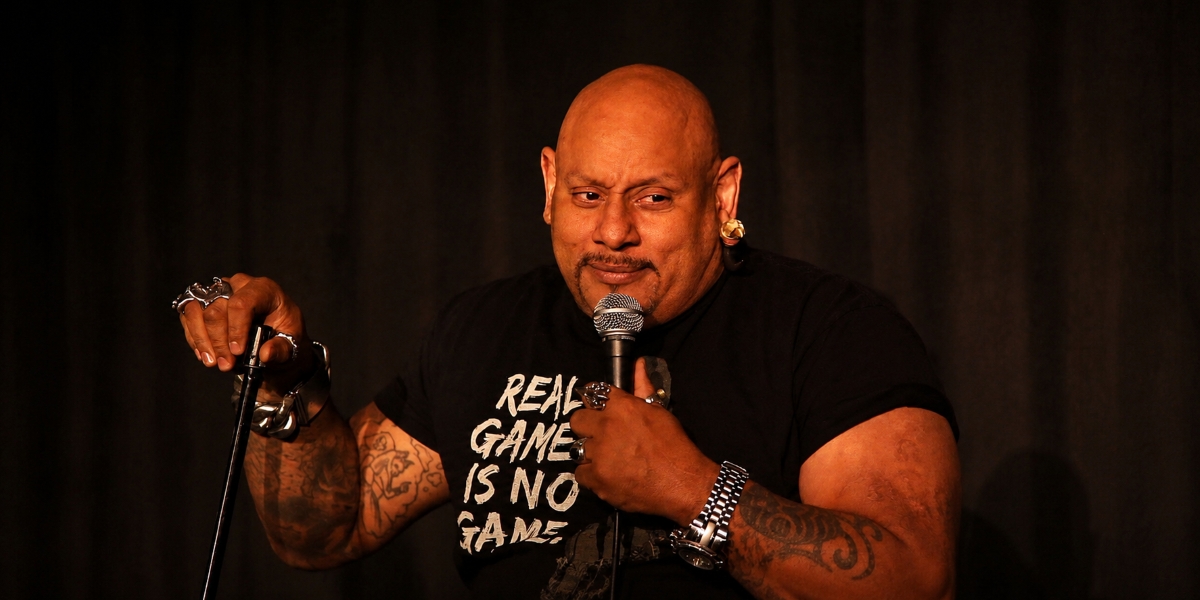
Dante Nero Has Spent a Lifetime Studying What Makes Men and Women Tick

By: Elliot Mercer

From Brooklyn streets and New York comedy clubs to Patrice O’Neal’s Black Phillip Show and Man School 202, Dante Nero’s unconventional life became an education in relationships, masculinity, and human behavior.

Dante Nero was never supposed to become a relationship strategist.

Growing up in Brooklyn, his interests pointed in almost every other direction. He trained in martial arts, became a competitive fencer, studied biology and psychology at SUNY New Paltz, and once imagined a future in genetic engineering. Along the way, he worked in foster care, spent years in New York nightlife, became a male exotic dancer, fought for money, and eventually found his way onto comedy stages.

It sounds less like a career path and more like several different lives stitched together.

But Nero believes those experiences taught him something no classroom could, showing him how people behave when they’re afraid, attracted, insecure, confident, in love, or trying desperately to appear like they have everything figured out.

Comedy gave him a place to talk about it.

For more than two decades, Nero became part of New York’s stand-up scene while building a career that also extended into television and film. His acting credits include appearances in productions such as The Blacklist, Power, Ray Donovan, Fringe and Ocean’s Eight. His official biography describes more than 60 screen credits.

But one relationship would shape the next chapter of his career more than any acting role.

Patrice O’Neal wasn’t simply another comedian Nero knew. Dante describes him as his best friend.

In 2006, the two helped create something that, in retrospect, feels remarkably ahead of its time. They launched The Black Phillip Show on Sirius XM.

Long before relationship podcasts, dating influencers and online debates about masculinity became their own media industry, O’Neal and Nero were publicly having the conversations men often reserved for private rooms, about attraction, sex, commitment, confidence, jealousy and the sometimes uncomfortable differences between what people say they want and how they actually behave.

There was comedy in it, but there was also a philosophy developing underneath it.

When O’Neal died in 2011, the recordings survived. Audiences continued discovering them online. Nero eventually continued the conversation through The Beige Phillip Show, which evolved into Man School 202, now hosted with comedian Harry Terjanian. Apple Podcasts describes the show as carrying forward the relationship conversations associated with O’Neal and The Black Phillip Show.

Today, Nero’s mission has become clearer.

He wants to give younger men a framework for manhood, relationships and life, something he believes many men were simply never taught.

That puts Nero in the middle of a cultural conversation that has grown considerably louder over the past decade. Masculinity content now ranges from thoughtful self-development to outright hostility between the sexes. Nero’s perspective doesn’t fit neatly into either extreme.

He believes men and women are different. He believes men need strength, conviction and direction. But he also believes strength without character is largely meaningless.

His personal code can be reduced to three words:

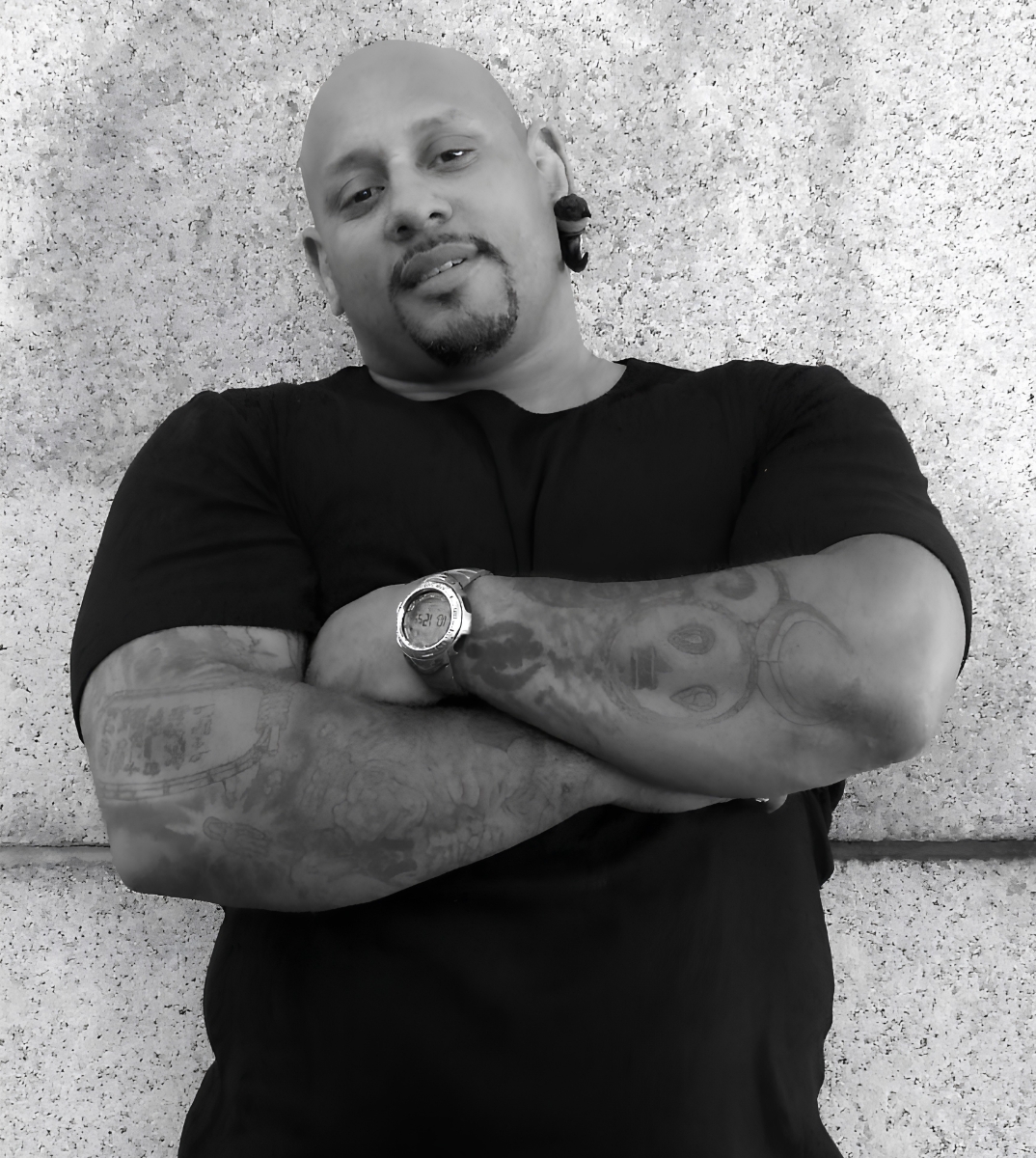
Photo Courtesy: Dante Nero Media

Authenticity. Credibility. Empathy.

He calls it ACE.

For Nero, empathy is not the opposite of masculinity. It’s part of becoming a better man.

“Character is the most important thing about your value,” he says.

Perhaps the most unusual ingredient in Nero’s relationship philosophy comes from the decade he spent working as a male exotic dancer. While most relationship experts study attraction from the outside, Nero spent years observing women in an environment where attraction and sexuality were anything but theoretical.

It gave him an unconventional front-row seat to the differences between what people say, what they think they want, and what they actually respond to.

Those lessons now collide with decades of comedy, psychology, street experience and conversations with thousands of men and women on Man School 202.

The show remains intentionally blunt. But underneath the humor and provocative conversations is a fairly straightforward objective: to teach people how to understand themselves well enough to stop making the same mistakes.

And for Nero, the work is becoming bigger than a podcast.

He is expanding Man School 202, developing his speaking platform and looking toward live events and a broader international audience. His official platform now includes the podcast, Patreon community, private consultations and additional Man School programming.

After decades of comedy, acting, nightlife, radio and relationships, Dante Nero has accumulated enough stories for several careers.

Yet when asked what he ultimately wants people to remember about him, he doesn’t mention television credits, comedy clubs or famous friends.

His answer is four words:

“That I made people better.”

Maybe that is the thread connecting all those seemingly unrelated lives after all.

Connect With Dante Nero

Official Website (DanteNero.com)

Instagram (@TheDanteNero)

YouTube (Man School 202)

Patreon (Man School 202)

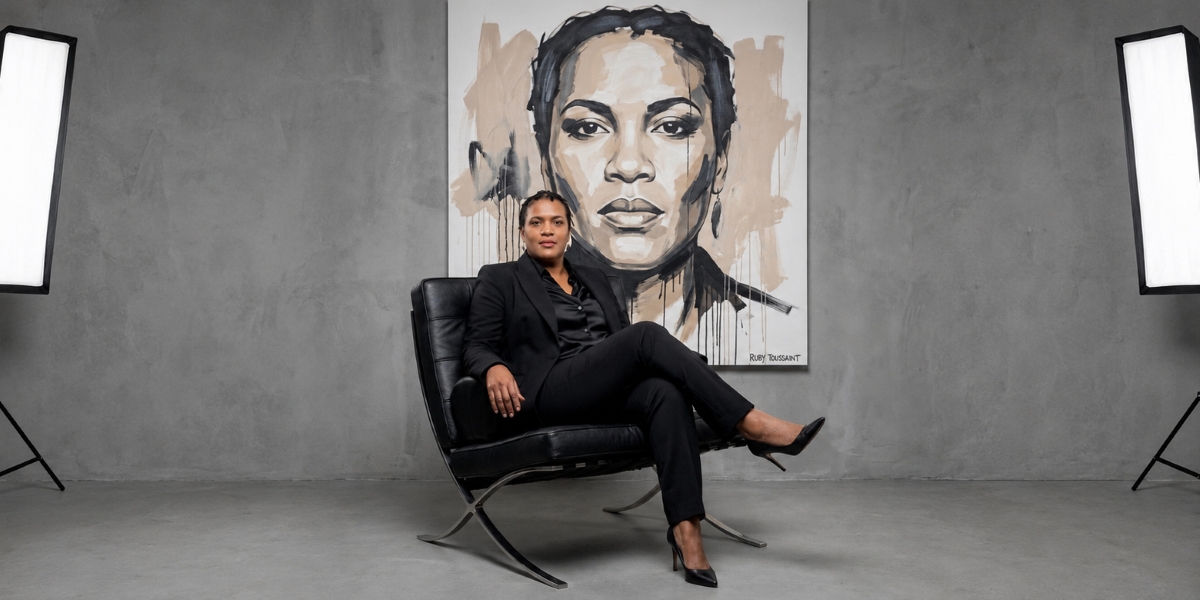
Abandoned but Not Defeated: How One Mother Raised a Leader Alone

Ruby never really tried to end up as a single mother. Like so many women, her story kinda slips past the spotlight, and she ended up in it because of circumstances she never picked at all : assault, abandonment, betrayal. What she built afterward, quietly and without any kind of cheering, becomes something of a map for what real fortitude actually looks like.

That moment, the one decision everything shifted around

Ruby’s turning point happened when she was pushed to terminate the pregnancy and she wouldn’t. “It wasn’t part of what I believe in,” she tells it, as plainly as she can. Right there she made peace with a tough fact, she would raise her child alone, and she would still try her best. That choice, made in a kind of isolation, turned into the base everything else grew from.

Her road into motherhood was not at all smooth. Ruby first got pregnant when she was still very young, and it came after she was raped, before she even understood what was happening to her body. Later, years down the line, in another relationship, she faced a pregnancy scare that tested her faith in a way nothing else did. She bled for seven days and doctors thought she’d miscarried. Then an ultrasound proved it wasn’t over. When she told her child’s father the pregnancy was continuing, he said she was being selfish, and he went further, warning her the baby would arrive with disabilities. Ruby refused to accept that future. She prayed, she spoke life over her unborn child, and she chose faith instead of fear. In the end, her son was born healthy.

“I felt ready,” she says about that time, “even if in that moment I was abandoned it didn’t matter much to me, because I knew God was going to be with me.”

What Society Gets Wrong About Single Mothers

Ruby is candid about the judgment she faced, including from institutions meant to offer grace. She recalls being passed over for marriage by a man who told her, plainly, that the church would not accept a woman who had children outside of wedlock, even as he admitted she was a better match than his former wife. That experience pushed her away from organized religion altogether, though not away from her personal relationship with God.

Her message to a society quick to label single mothers by what they lack is direct: most women do not choose this path. “A woman does not just become a single mother,” she says. “Circumstances happen.” She wants people, especially within faith communities, to understand that judgment rarely accounts for the reality behind the label. Women are too often written off as unworthy of love or opportunity because of situations that were never within their control.

Raising a Leader, One Choice at a Time

If there is a throughline in Ruby’s parenting, it is intention. She describes shifting away from an authoritative style toward one built on partnership and listening. She and her son made decisions together. She encouraged him to read constantly, and by the time he was five or six, he had developed an independence that carried him through the rest of his life.

More than any single lesson, Ruby focused on living a life her son could be proud of. She made a conscious choice never to expose him to instability, chaos, or a revolving door of relationships. “I want you to be the man tomorrow that your father will look behind and say, I wish I had done things different,” she told him. That standard shaped her own daily choices as much as his.

The results speak for themselves. Ruby’s son grew into someone his friends describe with real admiration, a young man his mother calls disciplined and compassionate. During his school years, he wrote about her often, drawn to the example she had quietly set. She has gone nearly seven years without dating, a choice rooted entirely in protecting the environment she was building for her children.

Ruby is pretty firm on one rule, she thinks every parent should live by: don’t talk negatively about the other parent in front of the child. Whatever happened during the relationship, she says, is for the adults to handle. The kids deserve a real chance to build their own relationships with both parents, without carrying, like a quiet inheritance, the resentment that adults never really let go of.

Faith, Forgiveness, and Moving Forward

Faith stays as the backbone of Ruby’s resilience. Even after stepping away from formal church life, she said she still made a personal relationship with God, and it’s one she describes as trust based, not ritual driven. When the hard stuff showed up, she decided to believe it had a purpose, even if she could not yet see how that would play out.

Forgiveness became as essential to her recovery as faith itself. “I had to forgive so I can smile,” she says, “Because without forgiving I could not have found healing.” And that choice didn’t stop at people who were easier to forgive. She extends it even to the ones who hurt her the most, crediting that decision with helping her move forward instead of staying tied to her pain, like it was an anchor.

Her Message to Other Mothers

To other mothers who worry that their situation will shrink their children’s futures, Ruby offers a kind of hard-won clarity. She believes that staying in something harmful does more damage to a child than stepping away from it. In her view, single mothers are in a special place to teach compassion and love, not just despite what they’ve been through, but sometimes because of the resilience those moments demanded.

Ruby’s story is not one of perfect circumstances or easy choices. It is one of a woman who refused to let abandonment, abuse, and judgment write the ending to her story, or her son’s. She built a life of quiet discipline and unwavering faith, and in doing so, raised a leader the world is only beginning to notice.

As Ruby puts it, looking back on the life she built alone: “She did it for me.” Her son knows it. Now, so does everyone else.

Discover Abandoned But Not Defeated, Ruby S. Toussaint’s inspiring story of motherhood, faith, resilience, and overcoming life’s greatest challenges. A powerful reminder that abandonment does not mean defeat. Published by one of New York’s finest, Trinity Publishing Press.

Buy your copy from Amazon today:

Abandoned But Not Defeated

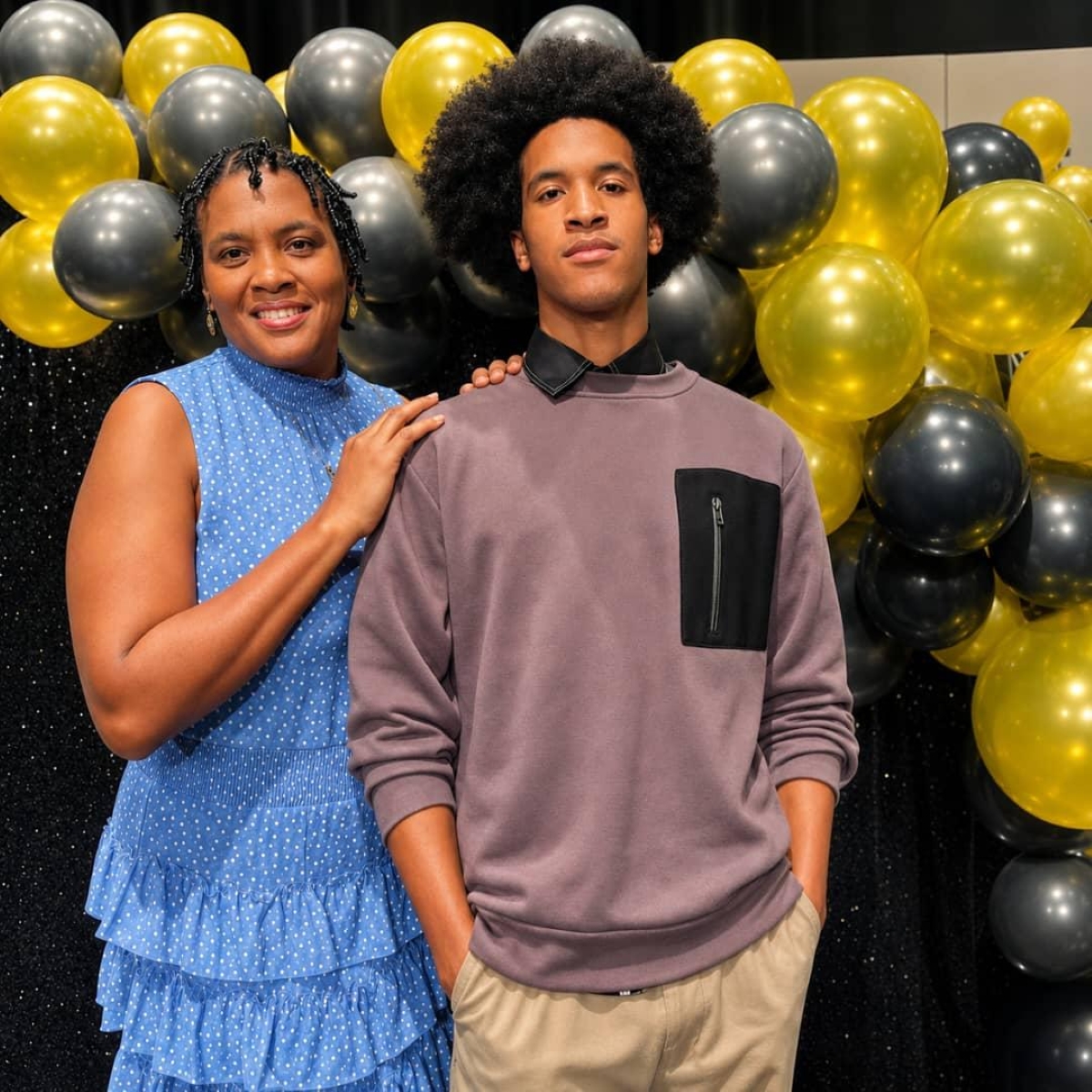
Photo Courtesy: Ruby S. Toussaint (A Mother’s Pride: Ruby celebrating her son’s journey, growth, and the bright future that lies ahead.)

After A Lifetime Of Giving To Others, Donna LeClair Reminds The World That Every Life Holds A Story Worth Sharing

For many people, aging brings unexpected questions.

After years of building families, creating careers, supporting loved ones, and navigating life’s challenges, some begin to wonder where they fit in the world.

They quietly ask themselves:

“Am I still important?”
“Does anyone notice me?”
“Do I still have something meaningful to contribute?”

Author Donna LeClair knows these questions well.

At 73, she has turned those feelings of uncertainty and invisibility into a message of encouragement for people everywhere, reminding them that their value does not disappear with time.

Instead, she believes the later chapters of life often contain the greatest stories waiting to be told.

That belief became the foundation for her first book, Tiptoeing Into The Light; Awakening Value, Peace, Faith and Love Beyond Fifty-Five.

The book speaks directly to individuals who find themselves searching for renewed purpose after decades of responsibility and service.

Donna’s message is not about accepting limitations. It is about discovering possibilities.

She believes people do not become less valuable as they age. Too often, they simply forget how much they have already accomplished and how much wisdom they carry.

Her writing comes from a place of connection rather than instruction. She understands what it feels like to search for meaning, to reflect on the past, and to wonder what the future can still hold.

Through her words, she encourages readers to embrace every part of their journey, including the difficult moments that helped shape who they are today.

But Donna soon realized her message reached beyond personal reflection.

Many people wanted to share their own stories but felt unsure about where to begin.

During her Writing Your Legacy workshop, she saw the powerful desire people had to preserve their memories. Thirty-eight individuals attended the session, while others expressed interest in participating in future workshops.

That moment revealed something important.

People were not simply looking for inspiration.

They were looking for a way to be remembered.

They wanted their experiences, lessons, and stories to live beyond them.

This realization inspired Donna’s second book, Tiptoeing Beyond The Light: Transforming Value, Peace, Faith, and Love Into an Authored Legacy.

The short but meaningful guide helps people over 55 begin creating their personal legacy by documenting the moments, memories, and lessons that shaped their lives.

Donna believes everyone has a legacy.

It does not need to be displayed on a building or written in history books.

Sometimes a legacy is a grandmother’s advice shared with a grandchild.

Sometimes it is a story about overcoming hardship.

Sometimes it is a simple memory that allows future generations to understand where they came from.

The greatest challenge, Donna believes, is that many people underestimate the importance of their own experiences.

They assume their stories are ordinary.

They do not realize that ordinary lives are filled with extraordinary moments.

Her mission is to help people recognize that every journey has meaning.

Through her books, Donna hopes to create stronger connections between generations. She believes storytelling allows families to see their loved ones not just as names in a family tree, but as real people with dreams, challenges, humor, courage, and wisdom.

At a time when many people feel disconnected, Donna’s message is one of belonging.

It is a reminder that every person has something valuable to share.

At 73, she is not looking back at what has ended.

She is looking forward at what is still possible.

Her journey proves that creativity, purpose, and transformation do not have an expiration date.

Donna encourages everyone who has spent years caring for others to finally take time to recognize themselves.

To remember their achievements.

To celebrate their experiences.

To share their voice.

Because every person carries a story.

And every story deserves a place in the light.

Donna also embraces the role of modern technology in helping people capture those stories. Artificial intelligence tools such as ChatGPT and Claude can support writers by organizing ideas, improving structure, and helping transform memories into words, without replacing the unique voice of the person telling the story.

The pen is still yours.

The memories are still yours.

The legacy is still yours.

Now is the time to write it.