
New York beauty schools are now operating under a statewide requirement that expands cosmetology and natural hair styling education to cover all hair types and textures. Effective Sept. 1, 2026, the standard adds textured-hair instruction to existing licensing programs without increasing required training hours. Readers will find what changed, who is affected and how schools are implementing it.
New York’s Department of State confirmed the requirement took effect Sept. 1. Training must now address textured hair and other hair patterns, including hair and scalp properties, hair care, treatments and styling techniques used across different textures.
The law also requires applicable licensing examination questions related to serving people with varying hair types and textures, including curl and wave patterns, hair-strand thickness and hair volume.
Key Takeaways
- The statewide requirement took effect Sept. 1, 2026.
- Cosmetology remains a 1,000-hour course, while natural hair styling remains a 300-hour course.
- State analysis estimated 297 schools approved for cosmetology courses and 45 approved for natural hair styling courses would be subject to the standards.
- The Department of State says instruction includes hair and scalp properties, care, treatments and styling techniques.
- On Sept. 2, the state Education Department said detailed curriculum guidance was still being finalized.
New York Beauty Schools Shift to an All-Hair-Types Standard
New York law now directs educational requirements for cosmetologists and natural hair stylists to include services for people with all hair types and textures.
The Department of State’s Sept. 1 announcement said programs must include instruction on textured hair and other hair patterns. The agency listed hair and scalp properties, hair care, treatments and styling techniques among the areas covered.
Earlier state rulemaking materials outlined expanded hair analysis and textured-hair techniques across styling, preparation, blow-drying and heat-damage prevention. Schools continue to receive formal implementation guidance through state education channels.
The shift also places more emphasis on adapting technique to the client and service setting. Related information for freelance and mobile hairstylists highlights the range of practical conditions hair professionals can encounter outside a traditional salon.
Training Expands Without Adding Licensing Hours
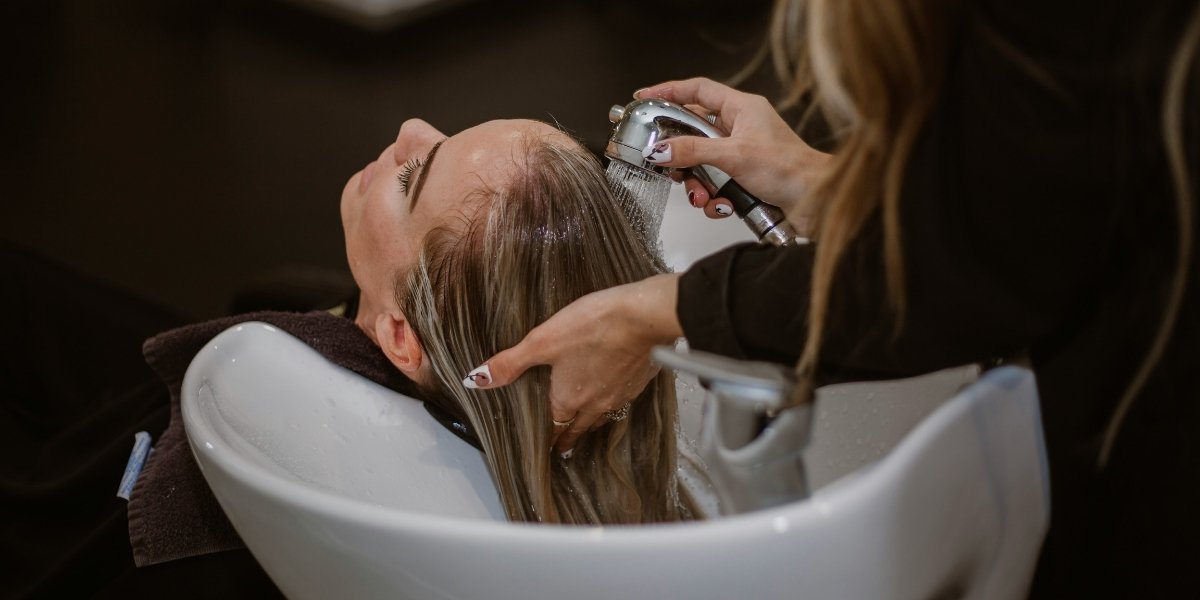
Photo Credit: Unsplash.com
New York has kept existing program lengths in place. The state Education Department lists 1,000 required training hours for cosmetology and 300 for natural hair styling, and the Department of State said the new instruction will be incorporated within those totals.
The update broadens what approved programs must teach without adding licensing hours.
State regulatory analysis estimated that about 297 appearance-enhancement schools approved to offer cosmetology courses and 45 approved to offer natural hair styling courses would be subject to the standards. The analysis said the added material was intended to fit within the existing programs.
During the rulemaking process, the New York State Beauty School Association said it did not foresee significant barriers preventing schools from meeting the revised requirements. It also said “institutions will be able to integrate these changes without undue burden,” according to the State Register.
For schools, integration can involve updating lesson plans, demonstrations, practice requirements and assessment materials. For students, it means learning a broader range of hair characteristics and service considerations before completing the licensing process.
The technical focus also sits alongside a wider range of equipment and styling methods. Coverage of hair styling tools shows how devices can combine several functions, while the state standard centers on the training needed to work across different hair types.
Schools Face an Active Requirement as Guidance Catches Up
The timing creates an implementation detail for schools. On Sept. 2, one day after the requirement took effect, the New York State Education Department’s Bureau of Proprietary School Supervision said changes to natural hairstyling and cosmetology curricula were forthcoming.
The bureau said it was finalizing guidance documents with the Department of State and would email affected schools with curriculum changes and instructions once the materials were ready. The requirement is active while some administrative guidance is still moving through the school-approval process.
The exact administrative steps for updating or submitting materials may depend on the guidance distributed by the agencies.
For prospective license applicants, required education now includes training across hair types and textures while training-hour totals remain unchanged.
For New York beauty schools, textured-hair education is now part of the required licensing pathway. The immediate focus is aligning instruction with the state standard and the implementation guidance being distributed to affected programs.
Frequently Asked Questions
When did the new hair training requirement take effect?
The requirement took effect Sept. 1, 2026. The Department of State said cosmetology and natural hair styling programs must include instruction covering all hair types and textures.
Did New York increase cosmetology training hours?
No. Cosmetology remains a 1,000-hour approved course of study, while natural hair styling remains a 300-hour program.
What does the new training cover?
The Department of State says instruction covers textured hair and other hair patterns, including hair and scalp properties, hair care, treatments and styling techniques. State law also identifies curl or wave patterns, strand thickness and hair volume.
Are New York beauty schools already required to follow the change?
Yes. New York beauty schools subject to the requirement entered the new standard on Sept. 1, although the Education Department said the next day that detailed guidance was still being finalized.
Will licensing exams also address hair types and textures?
State law requires applicable examination questions to address services for varying hair types and textures. The testing requirement is tied to the same areas covered by the education standard.