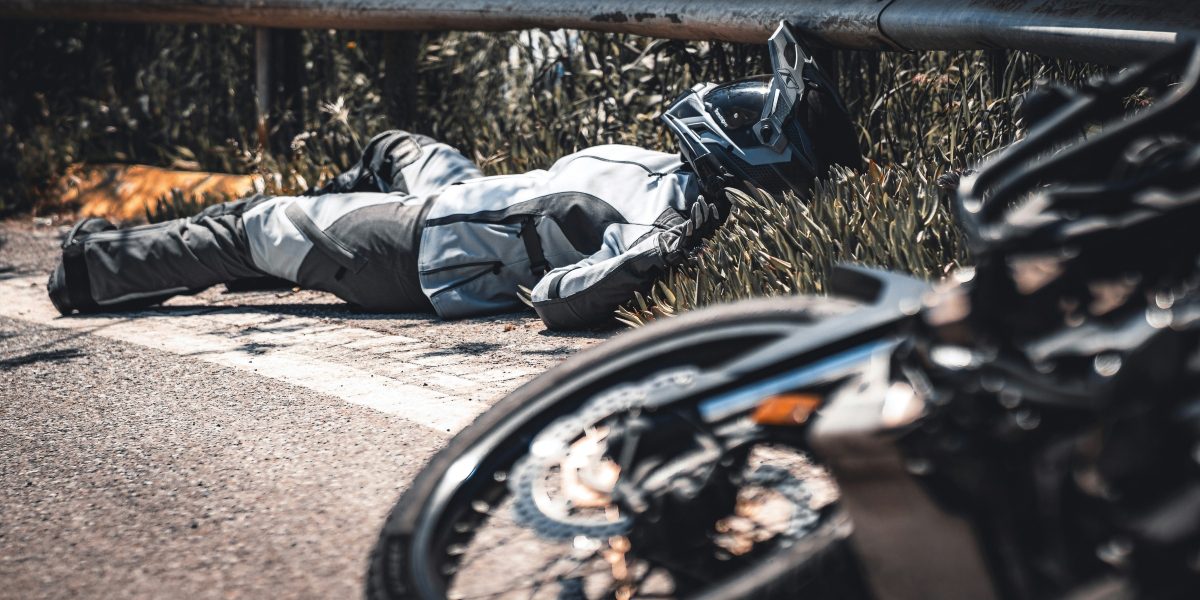

Motorcycles make up a small share of vehicles on Long Island roads, yet riders face outsized risk at every intersection. National crash data shows left-turn collisions cause more than 40 percent of fatal crashes between a motorcycle and another vehicle, and Long Island’s busy intersections along routes like Sunrise Highway and Jericho Turnpike create plenty of chances for this exact scenario. A car waiting to turn left often misjudges how fast an oncoming motorcycle is moving, or simply does not see it at all. Because these crashes often turn into disputes over who had the right of way, a motorcycle accident attorney in Long Island often gets called in early to sort out what the evidence shows.
How a Left-Turn Crash Typically Happens
A left-turn crash usually starts the same way. A driver sits at an intersection or driveway, waiting for a gap in oncoming traffic. When a motorcycle approaches, the driver often misjudges its speed, since the bike’s narrow shape makes distance harder to gauge than a car or truck. The driver turns, and the motorcycle has little room to stop or swerve.
These crashes also happen when a motorcyclist passes another vehicle just as it begins a left turn. The car in front has no clear signal that a rider is coming up alongside, especially in the driver’s blind spot. Either way, the collision usually strikes the front or side of the motorcycle directly.
Why Motorcycles Are Easy to Miss at Intersections
A motorcycle presents a much smaller profile than a car, so it is easy for a driver’s eyes to skip right past one. A single headlight can also make it hard to judge distance, unlike the wider light pattern from a car’s two headlights. Add in a driver checking a phone or scanning for other cars, and a motorcycle can slip through unnoticed.
Traffic volume on Long Island’s busiest roads makes this worse. Multiple lanes can hide a motorcycle behind larger vehicles until it suddenly appears in a gap, leaving a turning driver only a split second to react. This visibility gap is a major reason left-turn crashes keep repeating at the same intersections.
New York Law on Yielding During a Left Turn
New York law spells out who has the right of way when a vehicle turns left. Under Vehicle and Traffic Law § 1141, a driver turning left must yield to any oncoming vehicle already in the intersection or close enough to create an immediate hazard. This rule applies whether the oncoming vehicle is a car, truck, or motorcycle.
New York also requires drivers to signal before turning. Vehicle and Traffic Law § 1163 requires a turn signal for at least the last one hundred feet before a turn, giving other drivers and riders time to react. A driver who skips this signal, or turns without yielding under Section 1141, often creates the central issue in a claim.
The Injuries These Crashes Commonly Cause
Left-turn crashes tend to produce more severe injuries than many other motorcycle accidents. Riders have little protection between themselves and the striking vehicle, so impact force transfers directly to the body.
● Broken bones
● Head injuries
● Spinal cord damage
● Road rash
● Knee and leg injuries
Head injuries remain especially common when a rider is thrown from the motorcycle on impact. Leg and knee injuries also happen often, since a vehicle frequently strikes the motorcycle low and to the side, right where a rider’s legs sit.
Who Carries the Blame When Fault Is Disputed
Insurance companies often try to shift blame onto the motorcyclist after a left-turn crash, arguing the rider was speeding or should have braked sooner. This defense can reduce what an injured rider receives, even when the driver clearly failed to yield.
Under CPLR § 1411, a rider’s own careless conduct reduces compensation rather than blocking it entirely. A 2026 update to CPLR § 1411(b) now blocks any recovery in motor vehicle cases if the rider is found more at fault than the driver, making it important to challenge weak fault arguments with solid evidence like camera footage or witness accounts.
Steps to Take After a Left-Turn Motorcycle Crash
What happens right after a motorcycle accident can shape the outcome of a claim. Calling the police creates an official record of the scene, including statements from both drivers. Getting medical care right away also documents injuries before an insurer can argue they were minor.
● Call police
● Seek medical care
● Photograph the scene
● Get witness contacts
● Avoid recorded statements
Photos of the intersection, skid marks, and vehicle positions can later show whether a driver had time to see the motorcycle before turning. Avoiding recorded statements with an adjuster protects a rider from having their own words used against them.
Staying Safe at Long Island Intersections
Left-turn crashes remain common because they combine driver misjudgment, limited visibility, and split-second timing at busy intersections. Riders cannot control what other drivers see or fail to see, but understanding how these crashes typically unfold can help riders anticipate danger before it happens. Long Island’s mix of highways and heavy traffic will likely keep this pattern in place for years to come. Knowing the rules around yielding and signaling gives injured riders a clearer picture of who bears responsibility after a crash. Riders who understand these patterns are better equipped to protect themselves on the road and to question unfair blame if a crash happens.