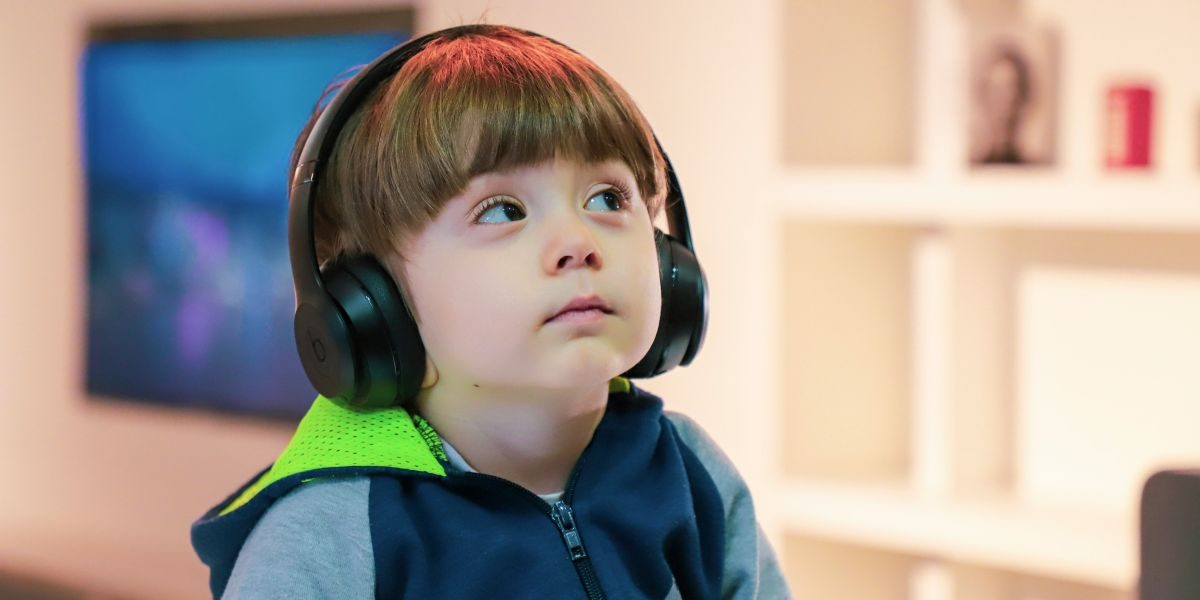

It’s important to recognize that each autistic individual experiences sensory input differently. Because of this variability, environments should offer meaningful choices, both in sensory experiences and social engagement.
It is equally important to allow individuals enough time to process these choices in a pressure-free, judgment-free setting.
As one autistic adult described a common experience:
“When I go shopping… it feels like I’m being rushed or pushed into trying to finish tasks” (MacLennan et al., 2023).
Providing choice and reducing pressure can significantly improve comfort, participation, and overall experience.
Providing Different Sensory Options
The most effective environments are flexible enough to accommodate a range of sensory preferences for both autistic and non-autistic individuals.
For instance, a 2024 study looked at multi-sensory rooms featuring motor skill interventions. They found that adapting the sensory experience led to fewer situations of sensory overload, along with fewer “defensive sensory behaviors” (De Domenico et al., 2024). Researchers came to the conclusion that building a better learning environment and improving engagement were possible through customization.
Additional research in healthcare settings shows similar benefits. In one study, pre-operative patients were provided with adaptive sensory environments (ASEs), which included personalized adjustments to lighting, seating, colors, and sensory tools. Autistic patients in these environments experienced significantly lower anxiety compared to those in standard hospital settings (Antosh et al., 2024).
While these findings are promising, further research is needed to determine which specific design elements are most effective.
The Role of Social Choices
Social demands add a layer of complexity for many autistic individuals, especially when paired with sensory challenges. This experience was described by a student: “You can’t separate the social problems from sensory problems because if you’re already stressed out because of a social situation, you’re going to be more susceptible to sensory overload” (Clément et al., 2022).
Offering choice in social interaction can improve quality of life. For example, clearly mapping out areas for smaller group interactions of two to three people, or to enjoy individually, is important. A designer’s forethought to include easy-to-follow paths inside large gathering spaces can be a benefit for all individuals, not just those who are neurodiverse.
Dividing environments such as classrooms and playgrounds into optimized zones allows for varying levels of social intensity. Offering visual support to communicate each zone’s purpose further enhances usability. Research also suggests providing a clear and immediate path to a quiet or low-stimulation area when entering a new space (Tola et al., 2021).
Offering Various Hour Choices
There are two different ways to provide support for sensory and social challenges. First, updating your building to be an autism-friendly space. Secondly, setting aside a specific time frame when sensory input isn’t as high. Certain venues have leaned into this by revealing what days and times they tend to be the busiest. Other venues have gone as far as creating apps so anyone can check the number of visitors at any given time.
The Dallas Museum of Art offers assigned Sensory Days. During these special events, the museum opens two hours early and caps attendance at 500 visitors. Family members can learn about the available activities in advance, which helps them plan when to arrive. Nearby university occupational therapy students are also available during Sensory Days to offer support when needed.
What Does Your Community Need?
Not every autistic person has a formal diagnosis, nor do they necessarily need one. Interview-based assessments like the MIGDAS-2 can provide a well-rounded profile of needs and strengths. And adaptive behavior assessments like the ABAS-3 can help with areas like personal safety and navigation. While assessments help immensely with identifying traits, many neurodiverse people already know what they need to thrive.
This means actively gathering input from participants and using it to guide improvements when creating autism-friendly spaces.
Organizations can collect feedback by:
- Asking for input as visitors leave
- Sending follow-up emails or QR code surveys
- Hosting community workshops
- Distributing pre- or post-event surveys
While no one can completely control an environment, thoughtful design and responsive processes can ensure that individuals have meaningful choices.
Creating inclusive spaces ultimately comes down to this: supporting participation by offering flexibility, predictability, and respect for individual needs. To truly value each person’s participation requires options, after all.
Disclaimer: This article is for informational and educational purposes only and is not intended as a substitute for professional medical, psychological, or clinical advice. Individual experiences with autism and sensory processing vary, and the strategies and research findings discussed may not apply to every person or situation. Clinical assessments referenced in this article are designed for use by qualified professionals and require appropriate credentials to administer and interpret. Readers seeking diagnosis, treatment, or personalized guidance should consult a licensed healthcare provider, psychologist, or other qualified specialist.