

By: Jake Smiths
In 2026, one of the fastest-growing issues in family court is coercive control—a form of non-physical abuse that is increasingly shaping divorce and custody outcomes across the United States.
While domestic abuse is often associated with physical violence, coercive control includes patterns of financial restriction, emotional manipulation, surveillance, legal intimidation, and custody leverage. These behaviors can be harder to prove in court—but their impact is significant and often deeply damaging over time.
According to Sandra Fava, Founder and Managing Attorney of Fava Law, awareness is rising, but the legal system is still catching up.
“Many divorce and custody cases today involve coercive control, even if it’s not immediately recognized,” Fava says. “There may be no police report or physical evidence, but the pattern of behavior can directly affect financial outcomes, parenting arrangements, and long-term safety.”
What Is Coercive Control in Divorce Cases?
Coercive control refers to a pattern of behavior designed to dominate or restrict another person’s autonomy. In family law, it often appears in subtle but strategic ways, including:
- Controlling access to money or financial accounts
- Monitoring communication or movement
- Prolonging litigation to create financial pressure
- Using children or custody as leverage
- Isolating a partner from support systems
In divorce proceedings, these patterns can influence everything from asset division to custody determinations.
Why Coercive Control Is Changing Family Law
Family courts have traditionally relied on clear, documented incidents. But coercive control cases require judges and attorneys to evaluate patterns over time, not just isolated events.
This shift is changing how divorce lawyers build cases and how courts assess credibility, risk, and parental fitness.
“We’re seeing more cases where the strategy is not just about what happened once, but what’s been happening consistently behind the scenes,” Fava explains.
As a result, coercive control is becoming a key factor in high-conflict divorce and custody disputes, particularly in cases involving power imbalances, financial dependency, and ongoing emotional intimidation.
A Growing Trend in U.S. Courts
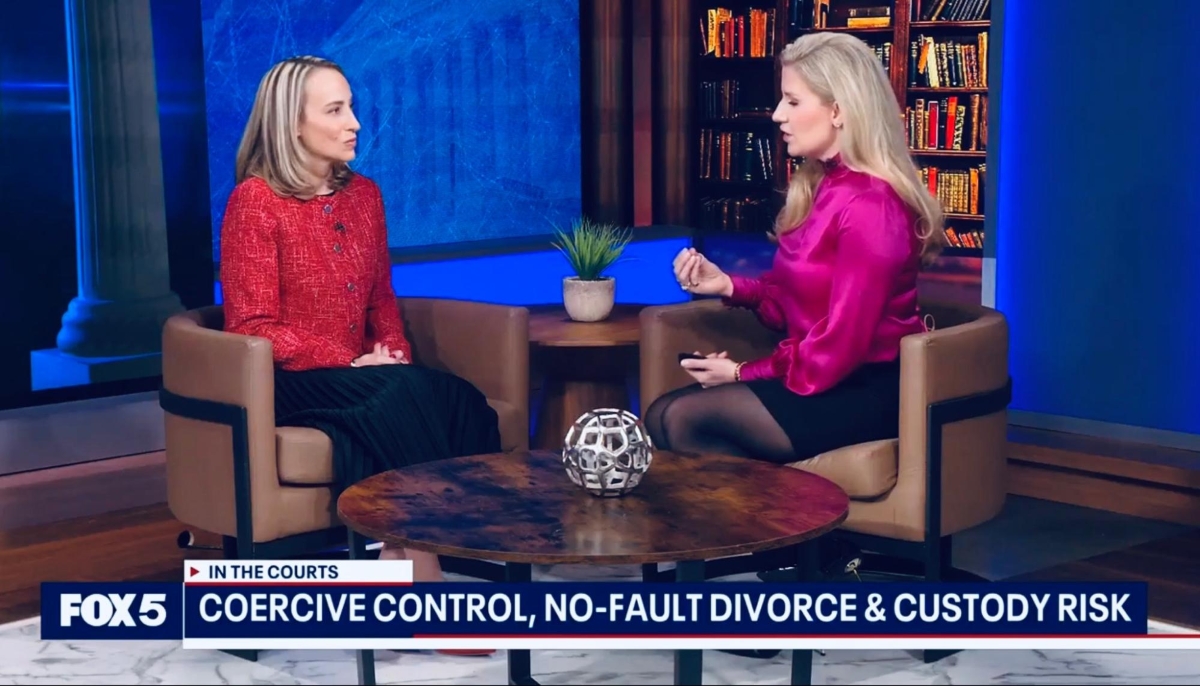
Photo Courtesy: Fox 5
Across the United States, legal professionals are placing greater emphasis on identifying non-physical forms of abuse. In some jurisdictions, coercive control is already influencing:
- Custody and parenting time decisions
- Spousal support and financial rulings
- Protective orders and litigation strategy
However, standards and awareness still vary widely from court to court, making experienced legal representation critical.
Why Law Day 2026 Highlights This Issue
Law Day is intended to reflect how the legal system adapts to real-world challenges. In 2026, coercive control represents one of the most important and fastest-evolving issues in family law.
For clients going through divorce, understanding coercive control can significantly impact case outcomes. For attorneys and judges, it requires a more nuanced approach to evidence, behavior, and long-term risk.
Fava believes this moment marks a turning point.
“The legal system is starting to recognize that abuse isn’t always visible,” she says. “Law Day is a reminder that justice depends on understanding what people are actually experiencing, not just what’s easiest to prove.”
The Future of Divorce and Custody Law
As awareness continues to grow, coercive control is expected to play an even larger role in shaping divorce and custody cases nationwide.
For firms like Fava Law, this means not only advocating for clients but helping courts better understand the realities behind modern relationships.
In that sense, coercive control is not just a legal issue. It is redefining how family law evaluates power, protection, and fairness in the courtroom.
Disclaimer: This article is for informational purposes only and does not constitute legal advice. Reading this article does not create an attorney-client relationship with Sandra Fava or Fava Law. Family law matters are highly fact-specific, and outcomes vary based on individual circumstances and applicable state law. Readers facing divorce, custody, or domestic abuse issues should consult a licensed attorney in their jurisdiction for advice specific to their situation.