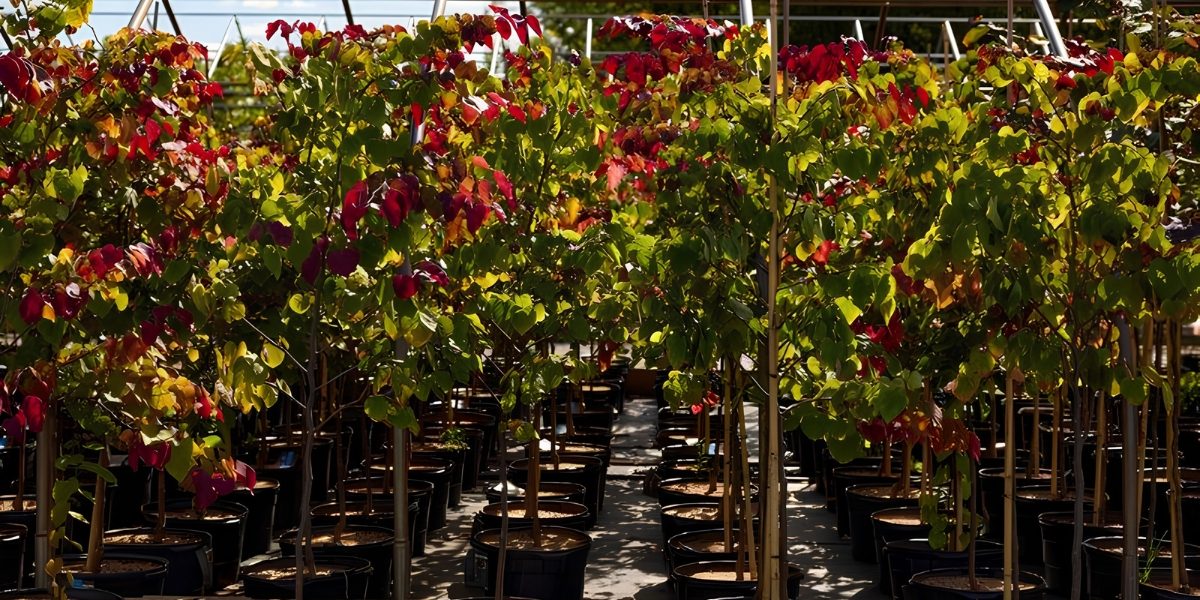

Landscape systems often rely on ecological relationships that are easy to miss once installation is complete, yet they shape everything that follows. In the context of landscape architecture, keystone species help connect plants, insects, and wildlife into functioning ecological networks that feel active rather than static. On Northeast project sites, these hidden connections often decide whether a landscape truly establishes or simply fills space.
Food movement through a landscape depends on plant selections that go beyond form and seasonal color. When keystone species are present, they support a steady flow of ecological activity across changing conditions. Without them, even well-designed spaces can feel biologically quiet after the initial establishment phase.
Keystone Species as the Foundation of Ecological Stability
Keystone species play a central role in shaping how plant communities function across complex landscape architecture projects. They influence relationships between soil microorganisms, insects, and wildlife like small mammals, helping maintain balance across interconnected systems. On real-world sites, these plants often determine whether ecological intent translates into long-term performance.
Their impact extends far beyond visual structure in planting design. When included early in a plan, keystone species help build stronger biological activity across multiple seasons and site conditions. That difference becomes especially clear in layered planting systems where interaction matters as much as appearance.
Native plant systems also increase insect diversity and abundance across designed landscapes. As insect populations grow, food availability improves for birds and other wildlife that depend on seasonal cycles. This creates more stable ecological interactions across forests, urban edges, and restored environments.
Insect Communities Driven by Keystone Plant Systems
Insect populations respond quickly when keystone species are part of a planting palette. These plants provide feeding areas, breeding habitat, and seasonal continuity across different life stages. In many landscape architecture projects, insect activity becomes a clear indicator of ecological success.
When keystone species are limited or absent, insect diversity often declines within a single growing season. That shift can affect birds and other wildlife that rely on insects for food. Over time, landscapes may appear complete but lose much of their biological movement.
Native plant systems help maintain stronger ecological interaction across both urban and regional sites. They support consistent insect populations through seasonal transitions and environmental stress. As a result, landscapes feel more dynamic and functionally connected rather than purely ornamental.
Keystone Species & Food Web Dynamics in Urban and Regional Sites
Keystone species shape ecological performance in ways that often go unnoticed in early design stages. Their influence extends into how insects, birds, and soil microorganisms interact within living systems. In landscape architecture, these relationships often determine whether a site develops lasting ecological function or remains visually complete without deeper activity.
These interactions become most visible when plant structure supports continuous biological activity.
Native foliage supports specialist insects that rely on specific host plants for survival.
Flowering cycles provide steady nectar sources that carry pollinators through seasonal gaps.
Leaf layers create shelter for larvae and overwintering insects during colder periods.
Root systems sustain soil organisms that drive decomposition and nutrient cycling.
Structural plant diversity improves habitat stability in designed environments.
These relationships show how plant selection directly shapes ecological balance in designed systems. When keystone species are integrated thoughtfully, they strengthen connections between insects, wildlife, and soil health over time.
Wildlife Movement Patterns Linked to Plant Structure
Wildlife movement depends on how effectively plant structure provides shelter, food access, and safe pathways. In landscape architecture, plant arrangement often determines how freely animals move through a site. Keystone species help form layered environments that guide movement in both natural and developed settings.
Movement patterns become clearer when habitat layers remain continuous.
Birds respond quickly to changes in cover and feeding availability.
Keystone plant layers help form predictable travel corridors for wildlife movement.
Native plant systems strengthen connectivity in fragmented urban environments.
Closer plant spacing can improve feeding efficiency for smaller species.
Diverse vegetation structure supports more balanced ecological movement.
Research consistently shows that native plant systems improve habitat connectivity in fragmented settings. These connected landscapes support more stable movement and feeding behavior in developed environments.
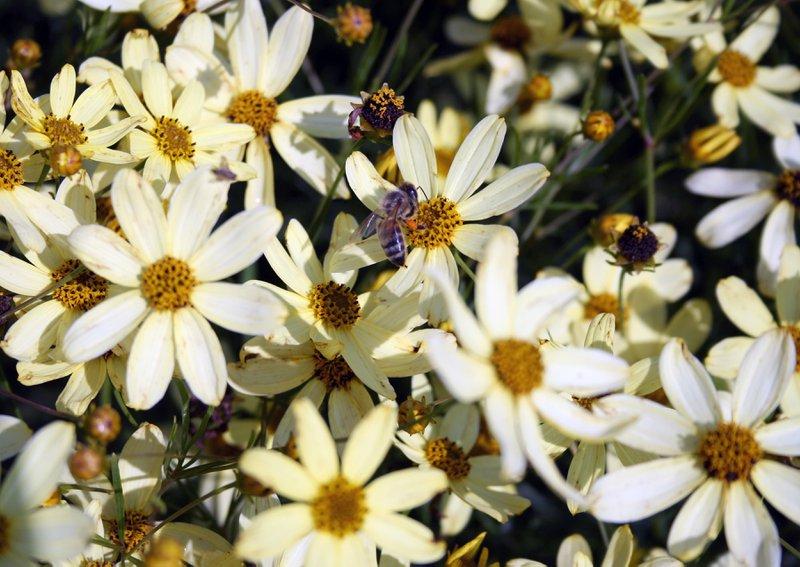
Keystone Species in Real-World Landscape Establishment
Successful establishment depends on how quickly planting systems begin supporting ecological activity after installation. Keystone species help accelerate this process by strengthening early interactions between insects, plants, and wildlife communities. In landscape architecture projects, this early momentum often sets the tone for long-term performance.
Container-grown systems make it possible to deploy consistent plant material across varied site conditions and project phases. This helps maintain ecological intent even when installations happen in stages. As a result, early establishment becomes more stable and predictable.
Contract growing also supports access to keystone species at the scale required for complex projects. It helps align ecological goals with availability and timing constraints. Ultimately, it improves both installation efficiency and long-term ecological performance.
Designing for the Ecology Beneath the Surface
Keystone species influence landscape performance far beyond what is immediately visible. Their role extends into insect dynamics, wildlife movement, and long-term ecological stability across diverse sites. In landscape architecture, they often determine whether a landscape remains biologically active after establishment.
Food web continuity depends on plant systems that support layered and connected relationships. At Pleasant Run Nursery, keystone species are grown to help strengthen these ecological linkages from the start of a project. When keystone species are included, landscapes tend to be more resilient through seasonal and environmental shifts. This leads to stronger ecological performance over a wide range of conditions over time.