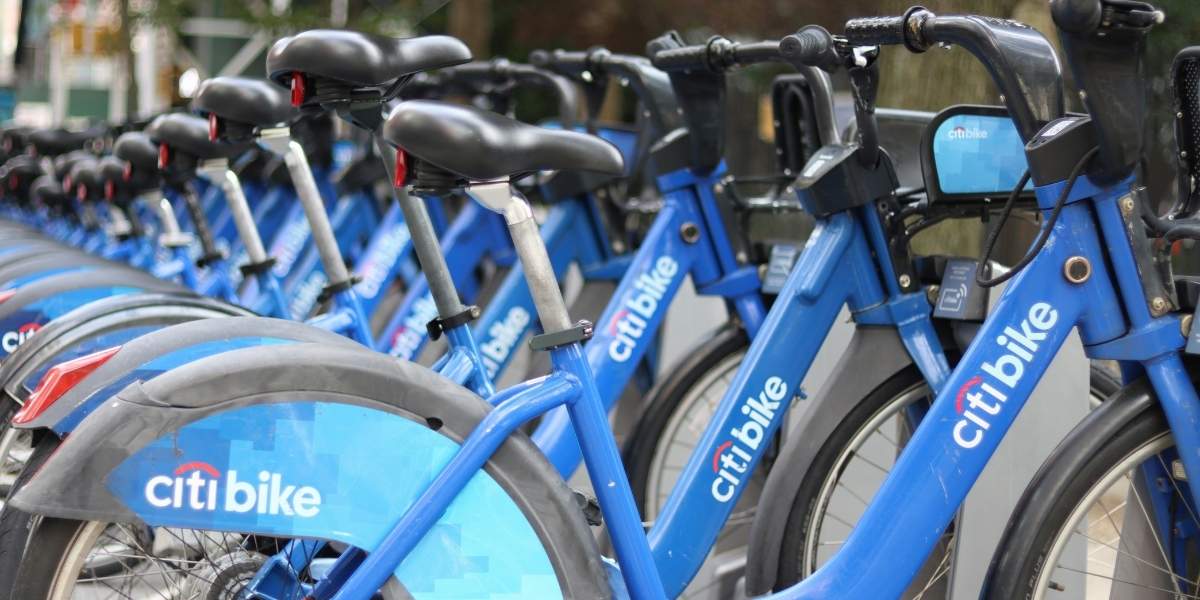

New York City and Lyft have completed a Citi Bike expansion adding more than 230 stations and 3,700 docks across seven Brooklyn, Queens and Bronx neighborhoods. The rollout extends bike-share service into previously unserved areas, while existing fare rules still apply. Station locations, pricing and live availability remain important considerations for residents using the expanded network.
Key Takeaways
- The expansion was completed on October 15, 2026, following a phased rollout that began in Bay Ridge in September 2025.
- New stations serve Norwood, Riverdale, Brownsville, East New York, Kensington, Bay Ridge and Forest Hills.
- Citi Bike’s service area has grown by approximately 10 square miles to 86.5 square miles, according to city officials.
- Riders have taken more than 75,000 trips from Bay Ridge stations since the neighborhood’s first stations opened.
- Single classic-bike rides start at $4.99 before applicable taxes and fees, while eligible residents can access $5 monthly memberships.
The Citi Bike expansion has reached seven additional New York City neighborhoods, extending shared-bicycle access into parts of the Bronx, Brooklyn and Queens that previously lacked service.
The New York City Department of Transportation and Lyft announced the project’s completion on October 15, 2026. The rollout began in Bay Ridge in September 2025 and concluded in East New York, marking the end of a phased installation rather than the opening of every station on a single day.
With more than 230 stations and 3,700 docking spaces added, the network now covers an estimated 86.5 square miles. City officials report that approximately 62% of New Yorkers live within the Citi Bike service area.
The expansion creates additional places to collect and return shared bicycles. However, residents considering the service for commuting, appointments or neighborhood errands still need to account for station availability, trip duration and the difference between classic-bike and electric-bike fares.
Citi Bike Expansion Reaches Seven Neighborhoods Across Three Boroughs
The completed project brings additional Citi Bike service to four Brooklyn neighborhoods, two Bronx neighborhoods and one Queens neighborhood.
In Brooklyn, the expanded network covers Bay Ridge, Kensington, Brownsville and East New York. The Bronx additions serve Norwood and Riverdale, while Forest Hills represents the newly included Queens neighborhood.
The rollout brings bike-share stations to areas outside the system’s previously established coverage. The exact distance between a resident’s home and the nearest station depends on where individual docks have been installed.
Bay Ridge was the first neighborhood to receive stations under this phase of the project. According to the October 15 announcement, riders completed more than 75,000 trips from Bay Ridge stations following their September 2025 introduction.
That figure provides an early indication of usage in one participating neighborhood. It does not establish how frequently the service is being used in the other six areas, where stations opened at different points during the rollout.
City officials say the completed expansion added roughly 10 square miles to the network, bringing its geographic service area to 86.5 square miles.
The reported 62% population coverage represents residents living within the expanded service area. It does not mean that every resident inside those boundaries has a station directly outside their home or that bicycles will always be available nearby.
The New York City Department of Transportation works with local communities to identify suitable station locations and connections to neighborhood destinations. Lyft, which operates Citi Bike, handles station installation, operation and maintenance.
The new locations use Lyft’s Pillar docking design. The company describes the equipment as modular, allowing stations to be configured for different street environments.
More Than 3,700 New Docks Expand Pickup and Return Options
One of the central features of the expansion is the addition of more than 3,700 individual docking spaces.
A Citi Bike station is a designated location containing bicycle docks. Each dock holds a bicycle when it is not being used, while an empty dock provides space for a rider to return one.
The number of added docks should not be confused with the number of bicycles available for immediate use. A station may contain several docking positions without having the same number of bicycles ready to rent at a particular time.
For residents traveling between neighborhoods, the distinction matters. A usable trip requires an available bicycle at the starting station and an open dock at the destination.
Additional docking locations can broaden the range of possible journeys, particularly in neighborhoods where riders previously had to travel outside the service area to find a station.
The expansion also concerns bike-share access rather than the installation of new protected bicycle lanes. These are separate elements of New York City’s transportation network.
For example, the proposed Midtown Park Avenue redesign involves changes to roadway space, including plans for a protected bicycle route and additional pedestrian areas. The completed Citi Bike expansion instead focuses on where shared bicycles can be collected and returned.
New York City’s official bicycle map identifies protected lanes, conventional bike lanes, shared lanes and greenways. The map also displays Citi Bike stations, although transportation officials note that it is updated periodically rather than in real time.
A station’s presence within the expanded service area therefore does not establish that a protected bicycle route connects it to every nearby destination.
Citi Bike Prices Remain a Factor for New Riders
The addition of hundreds of stations does not introduce a separate fare structure for the newly served neighborhoods.
According to Citi Bike’s published pricing, a single classic-bike ride costs $4.99 for up to 30 minutes before applicable taxes and fees. Additional time costs $0.41 per minute.
Electric-bike use is charged separately. Nonmembers pay $0.41 per minute for electric-bike rides under the current New York City pricing schedule.
Citi Bike also offers a $25 day pass covering unlimited classic-bike trips of up to 30 minutes each during a 24-hour period. Trips exceeding the included duration incur additional charges, while electric-bike use carries separate per-minute fees.
For frequent riders, the standard annual membership costs $239, billed upfront.
That membership includes unlimited classic-bike rides of up to 45 minutes each. Electric-bike rides carry an additional $0.27-per-minute charge, and classic-bike trips exceeding 45 minutes also incur per-minute overage fees.
These prices mean that the total cost of using Citi Bike depends on the selected plan, bicycle type and ride duration. The completion of the station expansion does not remove those charges.
A separate Reduced Fare Bike Share program provides $5 monthly memberships to eligible residents of the New York City Housing Authority and recipients of Supplemental Nutrition Assistance Program benefits.
Reduced-fare members receive unlimited classic-bike rides of up to 45 minutes and pay $0.14 per minute for electric-bike use. The plan has no annual commitment, although eligibility, age and payment requirements apply.
The reduced-fare program has already accounted for a significant share of activity at certain newly opened stations.
Citi Bike General Manager Patrick Knoth reported that “more than half of trips at the new stations are Reduced Fare trips” in Norwood.
The statement refers specifically to trips at the new Norwood stations. It should not be interpreted as a citywide participation rate or evidence that the same proportion applies across all seven neighborhoods.
For residents comparing transportation expenses, the pricing distinction is particularly important. A classic-bike ride completed within a plan’s included duration can have a different cost from an electric-bike journey charged by the minute.
Live Station Availability Shapes Everyday Travel
The expanded network gives residents more station locations, but actual bicycle and dock availability can change throughout the day.
The Citi Bike and Lyft mobile apps allow users to locate stations and check how many bicycles and open docking spaces are currently available.
The Lyft app also allows riders to enter a starting point and destination to view nearby bike availability and potential return locations.
For riders using the service for a scheduled appointment or work trip, these details help determine whether a planned journey can begin and end at the intended stations.
Bicycles can be unlocked through the Citi Bike or Lyft app by scanning the QR code on an available bike. At the end of the ride, the bicycle must be placed in an available dock.
Citi Bike instructs riders to wait for the green indicator light confirming that the bicycle has been securely returned. An improperly completed return can leave a rental session active.
Riders do not have to return a bicycle to the same station where it was collected. Any operating Citi Bike station with an available dock can serve as a destination within the network.
The newly completed stations are part of the regular bike-share system. This differs from the city’s Summer Streets cycling program, which temporarily opens designated streets to cyclists and pedestrians on scheduled dates.
The expanded network also remains geographically limited. Staten Island is not included in the seven-neighborhood rollout and continues to have no Citi Bike docking stations.
Separately, NYC DOT and Lyft have announced plans to add hundreds of docks within existing service areas during fall 2026. The locations identified include Midtown and Chelsea in Manhattan, along with Williamsburg, Greenpoint and Gowanus in Brooklyn.
Those proposed capacity additions are distinct from the more than 230 stations included in the completed expansion.
For current station operations, Citi Bike maintains a service-updates page covering new installations, temporary removals and maintenance-related changes.
The Citi Bike expansion has increased the number of places where shared bicycles can be collected and returned, but individual trips still depend on available equipment and an open destination dock. The operator’s live station map provides the most current information for those arrangements.
Frequently Asked Questions
Which NYC neighborhoods received new Citi Bike stations?
The Citi Bike expansion includes Norwood and Riverdale in the Bronx, Bay Ridge, Kensington, Brownsville and East New York in Brooklyn, and Forest Hills in Queens. The completed rollout adds more than 230 stations across those seven neighborhoods.
How much does a Citi Bike ride cost in NYC?
A single classic-bike ride costs $4.99 for up to 30 minutes before applicable taxes and fees, with additional time charged at $0.41 per minute. Other options include a $25 day pass and a $239 annual membership, each with different ride-duration allowances and electric-bike charges.
Who qualifies for Citi Bike’s reduced-fare membership?
Eligible New York City Housing Authority residents and Supplemental Nutrition Assistance Program recipients can access a $5 monthly membership. The program includes classic-bike rides of up to 45 minutes and reduced electric-bike fees, subject to eligibility and enrollment requirements.
How can riders locate new Citi Bike stations?
The Citi Bike and Lyft apps display station locations and current bicycle and dock availability. Riders can use these tools to check pickup and return options before starting a trip.