
New York City’s Summer Streets program opened its Manhattan season on Saturday, August 2, shutting down miles of roadway from the Brooklyn Bridge through Inwood to make way for pedestrians, cyclists, joggers, and families. The car-free event, organized by the New York City Department of Transportation, runs from 7 a.m. to 3 p.m. across three consecutive Saturdays in August, with two more Manhattan dates on August 8 and August 15.
- Summer Streets closed roads from the Brooklyn Bridge through Lafayette Street, Park Avenue, Central Park North, and Broadway all the way to Dyckman Street in Inwood on August 2, with two more Manhattan Saturdays remaining on August 8 and 15
- The 2026 season expanded to all five boroughs for the first time, with adjusted later hours (9 a.m. to 5 p.m.) in outer boroughs based on community feedback from prior years
- Eleven rest stops along the Manhattan route featured live music, fitness classes, art installations, a zip-line, and free bike rentals
- NYC DOT partnered with New York Road Runners to host the free NYRR Start Line Series, a beginner-friendly 5K run and walk event held along the Manhattan route for the first time
- More than 500,000 people participated in Summer Streets events across the five boroughs during the 2025 season
What Did the Manhattan Route Look Like on Opening Day?
Thousands of New Yorkers turned out for the first Manhattan Saturday despite a forecast that mixed humidity and scattered showers with temperatures reaching a high of 86 degrees. The route traveled north along Lafayette Street and Park Avenue before crossing through Central Park North and climbing Broadway all the way to Dyckman Street, a stretch that would normally be impassable on foot at any reasonable pace due to traffic. Cyclists rode uninterrupted through Midtown. Families with strollers moved through intersections typically clogged by delivery trucks. Joggers covered blocks that would normally demand a stop at every crosswalk.
NYC DOT set up 11 designated rest stops along the route, each with its own programming slate. Foley Square near City Hall hosted a zip-line activation. Astor Place offered a ninja obstacle course from No Limit Ninja alongside yoga and wellness programming. The Grand Lawn rest stop at 40th Street and Park Avenue, presented by Grand Central Terminal, staged free lawn games and food from Grand Central retailers including Shake Shack. Midtown’s rest stop at 52nd Street featured live performances from Zafer Tawil’s Tareb Ensemble, Art Lillard & Blue Heaven, and Dawn Drake & ZapOte, running from morning through the afternoon.
How Did the Event Expand to All Five Boroughs in 2026?
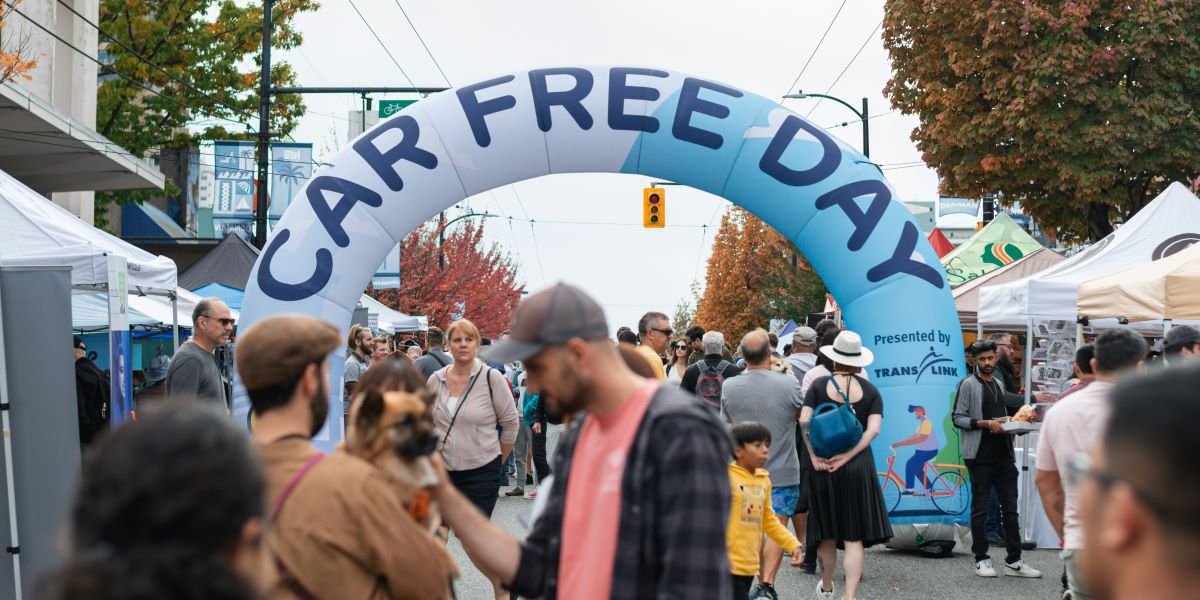
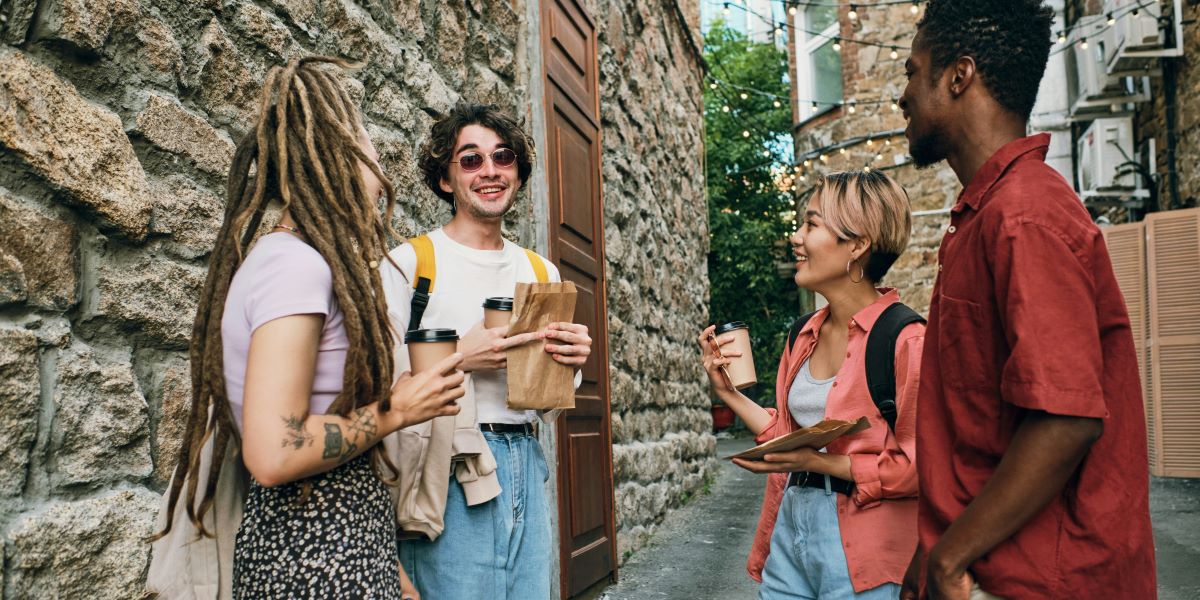
Photo Credit: Unsplash.com
Summer Streets has historically centered on Manhattan, but the 2026 season marked the first time NYC DOT extended the program across all five boroughs on dedicated Saturdays. Queens and Staten Island kicked off the season on July 25, with routes along Vernon Boulevard in Long Island City and Forest Avenue on Staten Island. Brooklyn and the Bronx close out the calendar on August 22, with car-free stretches along Eastern Parkway from Grand Army Plaza to Buffalo Avenue and Grand Concourse from East Tremont Avenue to Mosholu Parkway.
NYC DOT Commissioner Mike Flynn noted that the agency adjusted hours in the outer boroughs to 9 a.m. through 5 p.m. based on community feedback, giving residents additional evening daylight hours compared to the 7 a.m. to 3 p.m. Manhattan schedule. The expansion reflected input from elected officials, advocacy groups, and neighborhood organizations that had pushed for Summer Streets programming beyond Manhattan for several years.
What New Partnerships Shaped the 2026 Season?
NYC DOT partnered with New York Road Runners to bring the NYRR Start Line Series to Summer Streets for the first time in Manhattan. The series, designed for beginner athletes, hosted a free 5K run and walk event along the Summer Streets route at 7:30 a.m. on August 2. NYRR previously ran the Start Line Series only in Queens; the 2026 expansion added Manhattan on August 1 and a Bronx event scheduled for August 22.
The NYC DOT Art program also commissioned new public installations for the route. Illustrators Amanda Lobos and Grace Park designed life-sized “NYC Art Stop Letters” placed at rest stops along the route, with two distinct visual styles. Lobos created a series titled “Saturation” that filled the letter forms with layered creatures and ornamental patterns. Park’s contribution, “NYC in Motion,” transformed the letters into isometric 3D environments depicting scenes of city life, from sports to neighborhood gatherings. A separate installation by artist Elsa Ponce, called “The Bower,” placed a shadow-casting shade structure at the Midtown rest stop where visitors could draw with chalk on the pavement beneath it.
What Impact Does Summer Streets Have on Transportation and Local Economy?
Parking along the Summer Streets route was restricted from midnight to 4 p.m. on Saturday, and the Brooklyn Bridge closure required drivers heading into Manhattan to divert from Centre Street to the FDR Drive or Park Row South exits. MTA buses were rerouted along affected corridors. The scale of the road closures reflected how deeply Summer Streets reshapes Manhattan’s transportation grid each Saturday in August, temporarily removing vehicle access from some of the borough’s central corridors.
NYC DOT partnered with Lyft to offer discounted Citi Bike rides using a promotional code valid on each Summer Streets Saturday, an attempt to encourage cycling as both recreation and practical transportation during the event. Unlimited Biking also provided free bike rentals at multiple rest stops, lowering the barrier for residents who do not own bicycles. NYC DOT reported that more than 500,000 people participated across all Summer Streets events during the 2025 season, and the 2026 expansion to five boroughs is expected to push that number higher.
How Does Summer Streets Compare to Other Global Open Streets Programs?
Summer Streets draws direct inspiration from Bogotá’s Ciclovía, which has closed city streets to cars every Sunday since 1974, and Paris Plage, the French capital’s annual transformation of the Seine riverbanks into temporary beaches. New York’s version, now in its 18th year, has grown from a single Manhattan route into a citywide program. The five-borough model positions Summer Streets alongside open-streets initiatives in cities like Los Angeles, Chicago, and San Francisco that have expanded their car-free programming in recent years.
The Manhattan route returns on August 8 and August 15, with the same 7 a.m. to 3 p.m. schedule and additional sponsors including C4 Performance Energy and Bloom joining the rest-stop activations. Brooklyn and the Bronx close out the season on August 22 from 9 a.m. to 5 p.m.
FAQs
What Is Summer Streets?
Summer Streets is an annual NYC DOT program that temporarily closes major roadways to vehicle traffic on select Saturdays in July and August, opening them to pedestrians, cyclists, runners, and community programming. The 2026 season runs across five Saturdays covering all five boroughs.
When Are the Remaining Summer Streets Dates in 2026?
Manhattan hosts Summer Streets on August 8 and August 15 from 7 a.m. to 3 p.m. Brooklyn and the Bronx close out the season on August 22 from 9 a.m. to 5 p.m.
How Much Does Summer Streets Cost to Attend?
Summer Streets is free and open to all New Yorkers. All rest-stop activities, fitness classes, performances, art installations, and NYRR running events are free of charge.