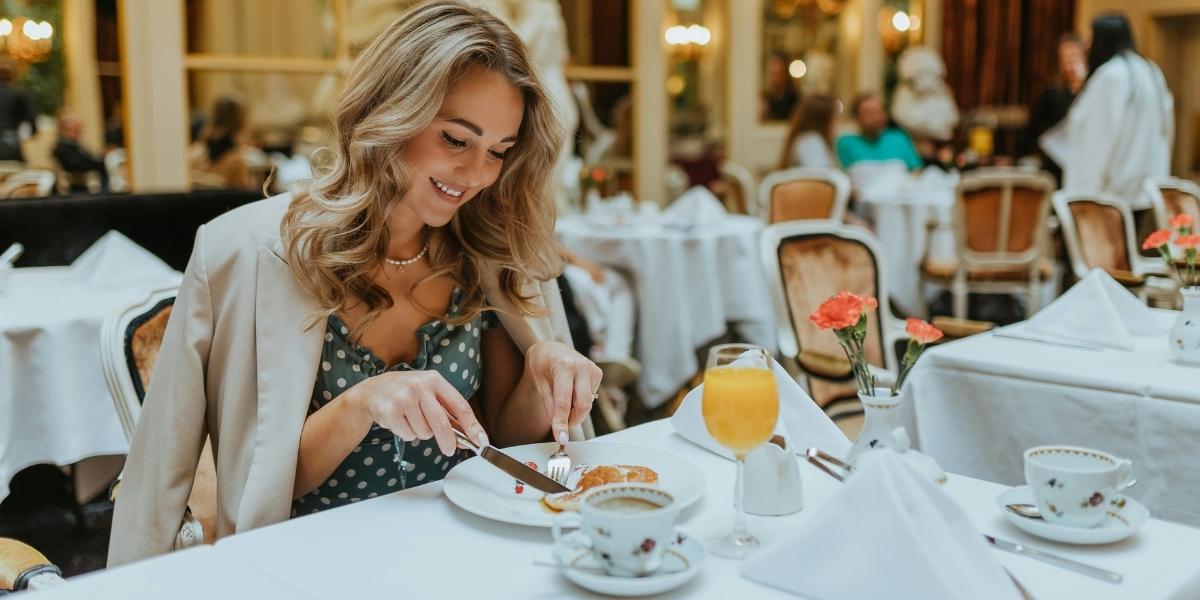

New York City’s food scene has always been a reflection of its people, diverse, ambitious, and constantly evolving. What started as a city of pushcarts and corner delis has grown into one of the most influential culinary capitals in the world. From street vendors serving halal platters to chefs plating foie gras in candlelit dining rooms, NYC’s food culture spans every flavor, price point, and experience imaginable.
It’s not just about what’s being served, it’s about how the city continues to reinvent the way people eat. The energy behind every bite, whether it’s from a food cart in Queens or a tasting menu in Tribeca, speaks to the city’s unmatched ability to blend tradition with innovation.
Street Food Roots That Still Matter
Long before tasting menus and reservations weeks in advance, New York’s food identity was built on the street. Vendors lined sidewalks with carts offering pretzels, knishes, and hot dogs, quick bites that became part of the city’s rhythm. Over time, those offerings expanded to include tacos, dumplings, and biryani, reflecting the city’s immigrant communities and their culinary traditions.
Today, street food isn’t just convenient, it’s celebrated. Food trucks and pop-ups are curated by chefs who treat their menus with the same care as any fine dining establishment. The city’s street food culture has become so dynamic that it’s no longer just about hot dogs. As highlighted in this piece on New York City street food, vendors now serve everything from gourmet grilled cheese to Korean fried chicken, often with lines stretching around the block.
What’s remarkable is how these vendors have become part of the city’s culinary identity. They’re not just feeding locals, they’re attracting tourists, food critics, and even collaborations with established restaurants. The accessibility and affordability of street food make it a democratic entry point into NYC’s food scene, and its influence continues to shape how the city eats.
Neighborhoods That Shape Taste
Each borough has its own flavor profile. Queens is known for its unmatched diversity, offering authentic dishes from dozens of countries within a few blocks. Brooklyn’s food scene leans into creativity, with chefs experimenting in converted warehouses and backyard gardens. Manhattan still holds the crown for upscale dining, but even there, the lines between casual and luxury are blurring.
In the Bronx, Caribbean and Latin American flavors dominate, while Staten Island offers a quieter but growing mix of Italian and Southeast Asian cuisine. These neighborhood distinctions aren’t just geographic, they’re cultural. They reflect the stories of the people who live there and the traditions they carry forward.
Restaurants aren’t just places to eat, they’re cultural landmarks. Whether it’s a Dominican spot in Washington Heights or a vegan café in Williamsburg, these establishments reflect the values and stories of their communities. The city’s food scene is constantly shifting, and that movement is what keeps it fresh.
Even legacy institutions like Katz’s Delicatessen or Sylvia’s in Harlem continue to thrive, not just because of nostalgia, but because they remain relevant. They’ve adapted without losing their soul, and that’s a lesson many newer restaurants are learning as they try to build longevity in a fast-moving market.
The Michelin Stars Era
Michelin Stars have become a benchmark for culinary excellence, and New York has earned its place on that map. The city boasts dozens of Michelin-starred restaurants, from minimalist sushi counters to opulent French bistros. These stars aren’t just accolades, they’re signals that NYC’s chefs are competing on a global stage.
But what makes New York’s Michelin scene unique is its accessibility. While some starred restaurants offer luxury experiences, others focus on simplicity and precision. Places like Oxalis in Brooklyn or Casa Mono in Gramercy prove that excellence doesn’t require extravagance. According to the Michelin Guide’s take on NYC trends, the city’s inspectors are drawn to innovation, authenticity, and a sense of place, qualities that define New York dining.

Photo Credit: Unsplash.com
There’s also a growing recognition of chefs who bring cultural depth to their menus. Restaurants led by first-generation immigrants or those rooted in diasporic traditions are earning stars not just for technique, but for storytelling. This shift reflects a broader understanding of what excellence means, it’s not just about presentation, but about purpose.
The Michelin system itself has evolved in NYC. Bib Gourmand selections and Green Stars for sustainability are now part of the conversation, showing that the city’s food scene isn’t just chasing prestige, it’s shaping the criteria for what matters in modern dining.
Culinary Innovation and Cultural Impact
NYC’s food scene isn’t just about taste, it’s about storytelling. Chefs use their menus to explore heritage, challenge norms, and connect with diners on a deeper level. Restaurants like Dirt Candy and Tatiana by Kwame Onwuachi aren’t just serving meals, they’re making statements about sustainability, race, and identity.
The city’s culinary evolution also mirrors its economic shifts. As rents rise and neighborhoods gentrify, restaurants adapt. Some move toward fast-casual formats, while others double down on exclusivity. Yet through all the change, the city remains a place where food is central to how people live, gather, and express themselves.
In a city where you can eat at a different spot every day for decades, it’s easy to feel overwhelmed. But that abundance is part of the magic. As explored in this look at New York’s evolving culinary identity, the city’s food scene is less about trends and more about transformation. It’s a living archive of flavors, constantly rewritten by new voices and old traditions.
Food also plays a role in how New Yorkers navigate their day-to-day lives. From breakfast bagels to late-night ramen, the city’s dining options are woven into its rhythm. That integration makes food more than a luxury, it’s a necessity, a comfort, and a form of expression.
Why NYC’s Food Scene Still Leads
New York’s culinary reputation isn’t just built on prestige, it’s built on grit. The chefs, vendors, and restaurateurs who shape the city’s food culture do so with relentless creativity and resilience. Whether it’s a Michelin-starred tasting menu or a $3 empanada from a sidewalk cart, the city’s offerings reflect a commitment to quality and a refusal to settle.
For diners, that means endless discovery. For chefs, it means constant reinvention. And for the global food community, it means watching closely, because what happens in New York often sets the tone for what’s next.
It’s also a city that understands frustration. Opening a restaurant here is notoriously difficult, and maintaining one is even harder. But that challenge fuels innovation. Many of the city’s most beloved spots were born from tight budgets, small spaces, and big ideas. That kind of resilience is baked into the city’s culinary DNA.
From humble beginnings to international acclaim, NYC’s food scene continues to evolve, inspire, and lead. It’s not just about what’s on the plate, it’s about the people behind it, and the city that makes it all possible.