When the Storm Knocks Twice: Cindy L. Johnson’s Thriller Blurs Weather and Obsession

When Cindy L. Johnson sat down to write her latest work, Stalking the Storm, she wasn’t just mapping the path of a fictional hurricane. She was tracing the emotional weather systems that linger long after the winds die down. Part psychological thriller, part testament to resilience, the novel challenges its readers to stay in calm waters.

Johnson, a retired nurse who now calls Florida’s shoreline home, writes with an insider’s precision. She knows the language of storms, both the meteorological and the human kind. Her protagonist, Camille García, a nurse on the fictional island of Calusa Key, learns that recovery doesn’t always follow the forecast. Gratitude, obsession, and danger intertwine until the line between storm damage and human violence becomes increasingly difficult to distinguish.

What makes Stalking the Storm stand out in a crowded literary season is its reluctance to glamorize survival. Johnson does not paint Camille as an unflappable heroine. Instead, she is fully human: professional, compassionate, but vulnerable in ways that could invite danger. A patient she once comforted in detox returns not as a success story but as a looming shadow, proof that kindness, when misinterpreted, can easily be transformed into a hook.

The Florida setting amplifies the sense of inevitability. Locals know hurricanes the way city dwellers know traffic: part of life, feared but accepted. Johnson writes of “storm silence,” that charged stillness when birds vanish into mangroves and even waves seem to hold their breath. She lets readers taste salt that turns metallic on the tongue, smell the bleach-laced corridors of Island Mercy Hospital, and feel the weight of a community preparing for yet another cone of uncertainty. It is in that charged silence that Camille senses she’s being watched.

Chapter 10, “Psychological Warfare and Manipulation,” heightens this tension into claustrophobic territory. Here, the storm is no longer just outside. Camille finds herself trapped in a kind of duel, not of fists, but of wills. Johnson sketches the slow unraveling of Camille’s sense of safety: cigarette butts left on her porch, anonymous online accounts posting photos of her home, small shells placed deliberately like tokens. These details resemble the way abusers manipulate: incremental, deniable, but cumulatively undeniable. By the time the hurricane’s winds slam against the shutters, Camille is already inside another kind of storm; one born of obsession and control.

Johnson’s nursing background lends the novel its grit. She writes medical scenes with unflinching realism: IVs slipping into brittle veins, tremor scales charted by the hour, the numbing rhythm of clinical protocols. But the most chilling moments are not the medical emergencies; it’s the calm after them. When Camille reassures a patient, “You’re safe,” Johnson makes us wonder: who might truly be safe?

What elevates Stalking the Storm beyond thriller territory is its exploration of empathy as both strength and liability. Johnson does not lecture; she shows. Camille’s professional compassion, her ability to calm a raging alcoholic with steady breathing, and her instinct to comfort patients through hallucinations are portrayed as the very traits that make her vulnerable to Brett, the man whose gratitude gradually turns into obsession. It’s a stark reminder that the qualities we prize in caregivers can, without boundaries, become risky fault lines.

Johnson herself understands that tension. In her author note, she describes decades in nursing, working in wards where compassion had to be balanced against burnout, where detachment could save a professional but doom a patient. It’s this insider knowledge that gives the book its realism. Her prose feels less like storytelling and more like lived testimony, a nurse’s chart written in literary form.

The novel also offers a broader cultural mirror. In an era when hurricanes arrive with increasing frequency and intensity, Stalking the Storm resonates with readers who know the ritual of boarding windows and waiting out landfall. At the same time, its portrayal of psychological manipulation taps into a different modern anxiety: how unseen watchers, both literal and digital, invade personal safety. In Johnson’s hands, these two fears merge seamlessly.

By the time the book barrels toward its climax, the reader understands the title’s double edge. The storm is not just meteorological; it is human, internal, relentless. Camille is not simply a woman preparing for Hurricane Carina. She is a woman stalked by someone who treats her kindness as an invitation, who sees every act of healing as an opening to possess.

With Stalking the Storm, Cindy L. Johnson has delivered more than a thriller. She has written a warning wrapped in a page-turner, a meditation on empathy, boundaries, and survival. It is the rare novel that manages to be both visceral and reflective, leading readers into the eye of a storm and leaving them to decide what it might mean to come out the other side.

Johnson invites us to ask: what happens when the storm you’ve been preparing for isn’t the one that finally knocks on your door?

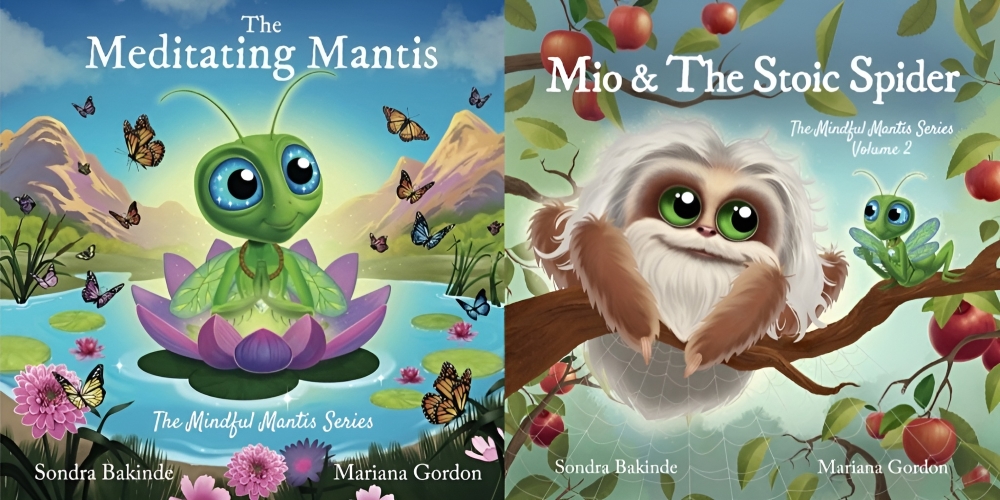
Mindful Parenting in New York: How Mariana Gordon and Sondra Bakinde Help Families Find Calm in the City

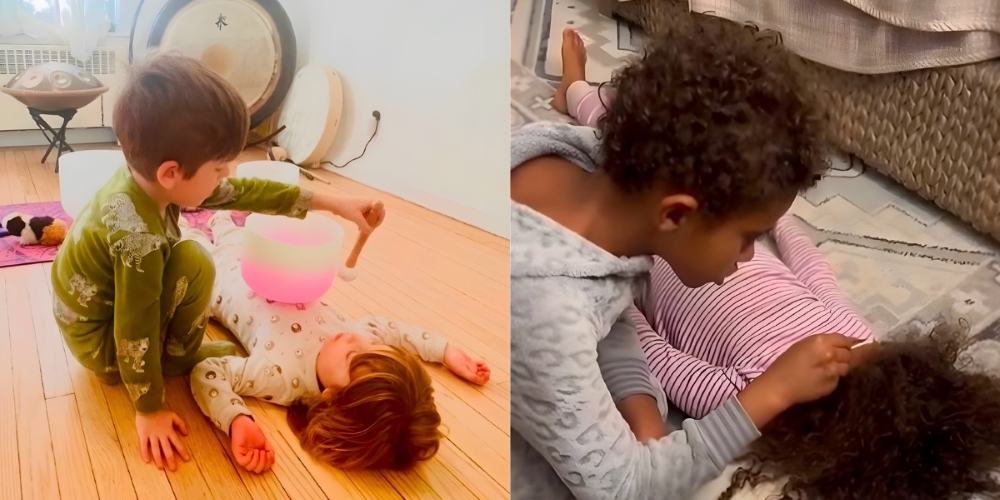
New York mornings hum with energy and motion. The sidewalks fill quickly, horns echo down the avenues, and parents hurry to pack lunches, answer messages, and catch the train. It’s a rhythm every city family knows well, equal parts love and exhaustion. Yet beneath the rush, many parents feel a quiet wish for more presence, a moment to connect, breathe, and simply be. Founded by Mariana Gordon, a mindfulness educator and former children’s counselor, and Sondra Bakinde, an artist and wellness advocate with a background in family engagement, Mindful Mantis teaches that mindfulness doesn’t require slowing the city; it simply asks us to move through it with awareness.

The Urban Stress Cycle

New York families live in constant motion. The pace that drives ambition can also quietly fuel tension and overwhelm. Parents juggle demanding jobs, school schedules, and after-school activities, while children absorb that same energy. Overbooked days leave little room for rest, and both parents and kids often experience overstimulation that shows up as irritability, distraction, or fatigue.

Research shows that the nervous system can’t distinguish between emotional busyness and physical danger. When the body stays in a “go” state for too long, it forgets how to reset. This is where mindful parenting becomes more than a concept; it becomes a practice that restores balance.

For New York parents, the challenge often lies in carving out even a few moments of stillness amid the bustle. Mindfulness provides a pathway back to that calm, helping families regulate their nervous systems and build resilience. It invites both children and adults to pause between the honking horns and crowded sidewalks, remembering that calm is not a destination but a skill that can be nurtured anywhere.

Mindful Parenting in New York: How Mariana Gordon and Sondra Bakinde Help Families Find Calm in the City

Photo Courtesy: Mariana Gordon / Sondra Bakinde

What Mindful Parenting Really Means

Mindful parenting isn’t about perfect calm or endless patience. It’s about slowing down enough to feel the texture of a moment, the warmth of a small hand in yours, the way your child’s laughter fills a room, or the pause between their words when they’re unsure. It means noticing what’s happening within yourself and with your child, and meeting it with curiosity instead of control.

When parents take a breath before reacting, they model emotional regulation that children can mirror. When they kneel to eye level to listen fully, they teach empathy in its truest form. Over time, these gestures become a quiet language of safety and understanding.

Such mindful attention creates a nurturing space where children’s emotional wellness can thrive. Families begin to discover that presence, not perfection, is what strengthens connection. And in a city that celebrates speed, mindfulness becomes a small act of rebellion, an intentional pause that reminds parents that peace is found in the noticing.

Practical Tools for NYC Families

Finding stillness in New York doesn’t require an extra hour, just an extra breath. Try these simple, city-friendly mindfulness practices:

  1. The Sidewalk Pause: As you walk your child to school, notice three things you see, two you hear, and one you feel. It turns a routine route into a grounding ritual.
  2. Subway Breathing: Teach your child to take five deep breaths while waiting for the train. Count together quietly. This practice builds emotional regulation before the day even begins.
  3. Dinner Gratitude Moments: Each evening, invite everyone to share one thing they’re grateful for. Gratitude lowers stress hormones and strengthens family bonds.
  4. Screen-Free Sunsets: Whether you can see the skyline or a sliver of sky between buildings, take a few minutes at dusk to simply look. This sensory stillness reminds children that peace can exist anywhere.

For parents who want to build a deeper foundation of calm, the Magic Mantis Course offers guided lessons, family meditations, and creative mindfulness activities that fit easily into modern life. Designed for parents and kids to do together, it helps transform mindfulness from an abstract idea into a playful, shared experience.

The Science of Calm

Mindfulness is more than a mindset; it’s a neurological skill. When families practice mindful breathing, the brain’s amygdala (the stress center) quiets, while the prefrontal cortex (the decision-making area) strengthens. Over time, both children and adults experience improved focus, emotional balance, and empathy.

Scientists have found that families who engage in mindfulness-based routines report better sleep, lower stress levels, and a stronger sense of connectedness. Simple rituals like shared breathing or gratitude journaling can physically shift the brain toward calm, creating a ripple effect that supports better communication and emotional safety at home.

This scientific foundation supports the heart of kids meditation and mindful parenting: helping young minds grow resilient and kind. In a city known for its hustle, teaching a child to find calm becomes an act of empowerment.

Mindful Parenting in New York: How Mariana Gordon and Sondra Bakinde Help Families Find Calm in the City

Photo Courtesy: Mariana Gordon / Sondra Bakinde

Finding Stillness Together

The beauty of mindful parenting in New York is that it doesn’t ask families to escape the city; it invites them to experience it differently. The same subway that once felt chaotic can become a classroom for patience. The same crowded sidewalks can become paths for presence.

Families are learning that peace isn’t found outside the noise but within their attention to one another. Through small moments of breath, gratitude, and play, parents model what it means to live with awareness in an overstimulated world.

Mindfulness doesn’t erase the city’s noise or chaos; it transforms how we meet it. Each time a parent chooses to pause before reacting or a child practices a calming breath on the subway, a new pattern forms, one of compassion, awareness, and trust. These small acts of mindfulness ripple outward, shaping calmer homes and, eventually, more peaceful communities.

At  The Mindful Mantis, we love meeting parents right where they are. If you want a playful story that doubles as a meditation, explore The Meditating Mantis and Mio & The Stoic Spider, which is a gentle, science-savvy way to begin a lifelong practice of calm and resilience, one page and one breath at a time.

Disclaimer: The information provided in this article is for informational purposes only and is not intended as medical or professional advice. The practices and techniques mentioned may vary in effectiveness for different individuals. Always consult a qualified professional before making any significant changes to your parenting strategies or health routines.

When Time Becomes a Weapon: Enter Mud City

By: Elowen Gray

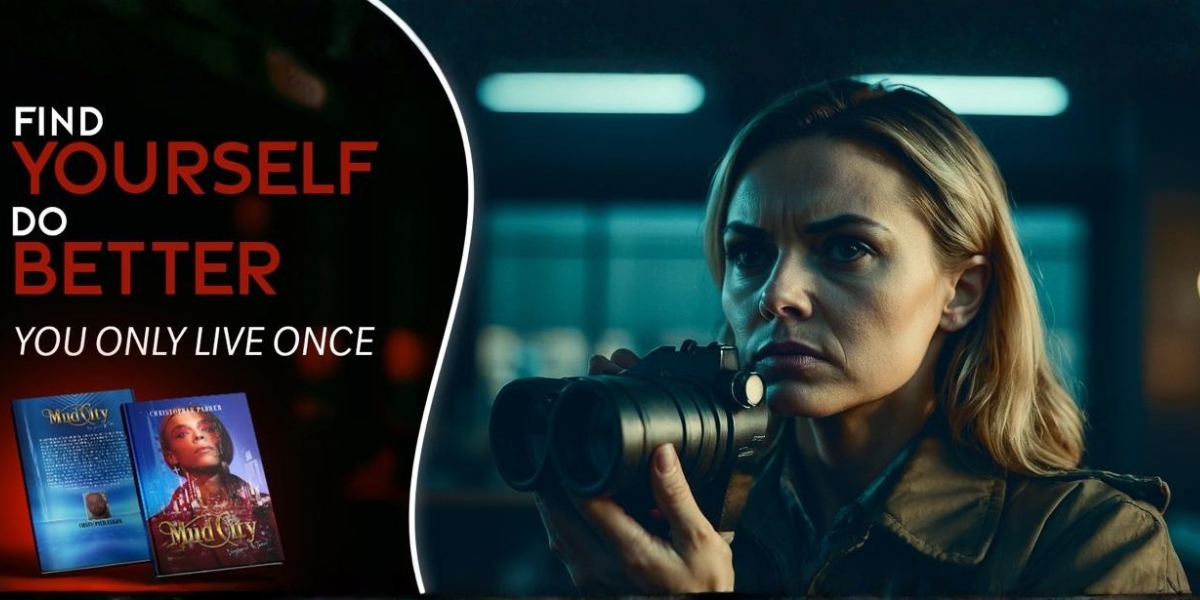
What if justice didn’t depend on courts, laws, or due process? What if time itself warped, offering second chances not for redemption but for revenge? This provocative question drives Mud City: Vengeance in Time, a new thriller by seasoned storyteller Christopher Parker, which is set to launch soon.

Crafted with the rawness of personal experience and the allure of an unforgettable dream, Mud City is more than a novel. It immerses readers in a world where morality clashes with mystery, heroes are not perfect saviors, and villains can vanish without a trace. Ideal for readers 18 and up seeking thrill, intrigue, and a touch of sci-fi, this book offers an experience that stays with you well after the final page.

A City Drowning in Secrets

“Mud City” is more than just a setting; it feels alive, grimy, and ruthless. The streets pulse with corruption, the alleys whisper of the vanished, and justice feels like an illusion. Into this shadowy world enters Ty, a tired journalist prone to finding trouble. His curiosity drives him into a web of disappearances, child traffickers, pimps, and predators who vanish without a trace.

But this isn’t your standard crime thriller. The deeper Ty digs, the stranger things become. The answers don’t just lie in back alleys and police blotters. They reach across time itself, into the lives of two women, or rather, two versions of the same woman named Teresa. Teresa 1 and Teresa 2 aren’t your ordinary vigilantes. They’re shaped by “The Calling,” a force entwined with time, destiny, and an unshakable drive to cleanse the city’s underbelly.

Every mystery Ty uncovers points to a larger question: is justice a choice, a calling, or something etched into the fabric of time?

The Edge Between Vengeance and Redemption

This is the area where Mud City hits hardest. It’s not only about who vanishes, but also about why. The novel confronts raw questions: What is required to defend those who are vulnerable when institutions fall short? How far should one go to improve the world?

Teresa’s journey is chilling and inspiring all at once. She’s not painted as a flawless savior. She’s complex, haunted, and at times terrifying. Yet her drive exposes the uncomfortable truth: sometimes the most significant battles aren’t fought on city streets but in the choices, we make about who we are.

And Ty? He’s the lens through which we wrestle with it all. The journalist became a reluctant witness to a war between light and darkness, and forces beyond human understanding. His curiosity keeps us hooked, but his humanity keeps us grounded.

Readers who love thrillers with a sci-fi edge, where vigilantes and timelines blur, will find themselves devouring page after page, asking the same questions Ty does.

Born from a Dream, Written for the World

Sometimes stories are invented. Sometimes they arrive uninvited, demanding to be told. For Christopher Parker, Mud City began with a dream so vivid he couldn’t shake it. When he shared it with friends, their response was unanimous: “That’s an amazing dream and you should write it into a book.”

So, he did.

Christopher is well-versed in creativity. As a father of four and grandfather of six, his family life is central to him. His career spans a lifetime in entertainment as a musician, lyricist, and lead singer-songwriter for various Northwest indie bands, notably Gibby Lixx, which is famous for its distinctive Southern rock style that stood out during the Grunge period. He has a natural talent for storytelling, whether through music or writing.

With Mud City: Vengeance in Time, Christopher Parker channels decades of lyrical expression into narrative fiction, blending rhythm with suspense, melody with mystery, and personal conviction with page-turning thrill.

Why Should Mud City Be on Your Shelves? 

Yes, it’s a thriller. Yes, it’s mysterious, fast-paced, and gritty. But beneath the gun smoke, time shifts, and neon streets lies a message: find yourself and always lean toward doing better for the world.

The book doesn’t preach. Instead, it challenges. It forces readers to confront uncomfortable realities, including societal failures, the ease of corruption, and the question of whether one person can truly make a difference. It leaves us wondering: if faced with the chance to set things right, even if it meant breaking the rules, would we take it?

And maybe that’s the real mystery Mud City offers. Not just what happens to Ty or Teresa, but what happens to us when we put the book down.

Are You Ready for Mud City?

Mud City: Vengeance in Time isn’t just a story but instead an experience. A gritty, suspense-filled, time-twisting experience that will grip fans of thrillers, sci-fi, and mystery alike. The book is set to launch soon, so stay tuned for release details. For early inquiries, collaborations, or to connect with the author directly, you can reach Christopher Parker at chrisparker939@gmail.com.

If you’re ready to lose yourself in a world where time is both ally and enemy, where justice wears a darker face, and where every choice echoes louder than you expect, then welcome to Mud City.

Your seat is waiting.

Connect with Christopher Parker: Facebook | Instagram 

From Shadows to Stardust: How Chelsey Embry Turned Her Life Into the Science-Fantasy Epic “Inheritable Luminosity”

By: Elowen Gray

Every once in a while, a story appears that seems written in starlight: luminous, otherworldly, and deeply human all at once. For author Chelsey R. Embry, that story is Inheritable Luminosity. This soon-to-be relaunch science fantasy novel combines cosmic adventure with emotional healing and one woman’s quiet defiance against the odds. But before Chelsey built galaxies and crafted new worlds, she had to survive her own.

A Dream Written in Constellations

Chelsey grew up with a love for words and worlds. “I always admired J.K. Rowling. Not just for her imagination but for her perseverance,” she shares. Writing, for Chelsey, wasn’t just about storytelling; it was about transformation, the kind that starts with one line and ends with a life you never thought you could live.

Originally, Inheritable Luminosity began as a classic fantasy project filled with world-building and myth. But when Chelsey took an astronomy class in college, everything shifted. Her imagination expanded from forests and kingdoms to galaxies, parallel worlds, and constellations that held secrets of their own. The book evolved into a rare hybrid: part science fiction, part fantasy, and all heart.

From Shadows to Stardust: How Chelsey Embry Turned Her Life Into the Science-Fantasy Epic “Inheritable Luminosity”

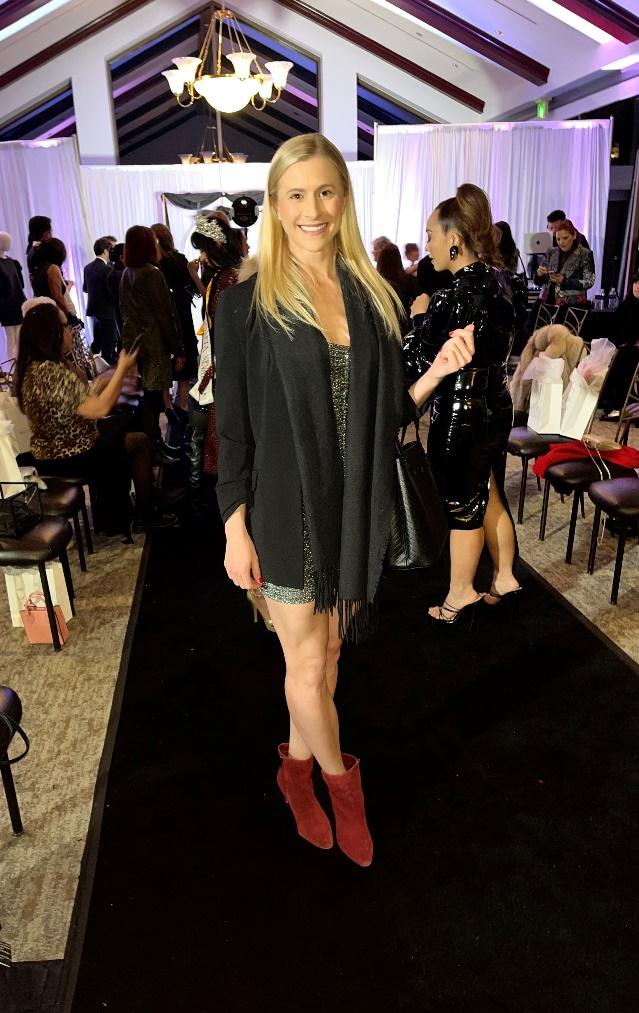
Photo Courtesy: Chelsey R. Embry (Las Vegas Fashion Council)

Meet Clara – The Accountant Who Becomes a Galactic Heroine

At the heart of Inheritable Luminosity is Clara, an accountant from Maine whose life feels painfully ordinary. Until it isn’t. Adopted after losing her parents in a house fire, Clara starts experiencing vivid dreams that blur the line between this world and another. A hiking trip meant to clear her mind turns into the journey of a lifetime when she’s abducted, not by force, but by invitation, to a planet that turns out to be her true home.

What unfolds next is pure cosmic empowerment. Clara discovers she’s destined to save her world from an encroaching evil, wielding powers she never knew she had: telepathy, time manipulation, and a connection to divine forces in a celestial kingdom called Lagoya.

Chelsey’s protagonist is both powerful and painfully real, embodying the journey from everyday invisibility to self-discovery that so many women know too well.

From Shadows to Stardust: How Chelsey Embry Turned Her Life Into the Science-Fantasy Epic “Inheritable Luminosity”

Photo Courtesy: Chelsey R. Embry

Behind the Stardust – A Story of Resilience

What makes Inheritable Luminosity shine brighter than most debuts isn’t just its plot. It’s the woman who wrote it.

Before Chelsey became an author, she faced a long list of challenges: financial hardship, social adversity, and the kind of judgment that can dim even the strongest spirit. While putting herself through college, she worked briefly as an exotic dancer, an experience that would later bring both stigma and strength.

But instead of breaking under the weight of others’ opinions, she turned to writing. “I poured everything I’d been through into my story. Writing became my healing.”

That healing now glows on every page. Inheritable Luminosity isn’t just about saving a galaxy, it’s about saving yourself, piece by piece, through courage, creativity, and light.

Building Worlds That Feel Like Home

Chelsey’s attention to world-building rivals seasoned sci-fi authors. Her fictional universe brims with vivid colors, spiritual depth, and social structures that feel both alien and familiar.

“I created entire societies, governments, and moral systems. I wanted the world to be rich, but also relatable. Not pretentious,” she explained. The result is a setting where cosmic battles coexist with meditative moments where stars, gods, and humanity all share the same pulse.

The Next Chapter

The second edition of Inheritable Luminosity is set to launch in just a few weeks in hardcover, paperback, and eBook formats. It will be available through Amazon, Barnes & Noble, IngramSpark, Kobo, and several international platforms. The book has already found a home in libraries in Las Vegas and Indiana, with more to come. An audiobook version is also in the works for the near future.

Her target readers? Young women. Especially those who crave stories about transformation, inner strength, and finding purpose in the stars.

A Light You Can Inherit

Chelsey’s journey, from being underestimated to creating entire galaxies, mirrors her book’s title perfectly. Inheritable Luminosity isn’t just fiction; it’s proof that your light can’t be taken away but can only be passed on, shared, and reborn.

With her debut novel, Chelsey isn’t just asking readers to look up at the stars. She’s reminding them that sometimes, the brightest constellations are the ones we create for ourselves.

Behind the Big Red Door: Angela Webber’s Journey From Trauma to Transformation

By: Marisa Callen

Angela Webber never expected her life story to become a book—much less one that would resonate so profoundly with readers searching for emotional clarity, balance, and purpose. Yet Behind the Big Red Door: From Trauma to Success—Personally, Professionally, and Spiritually stands today as a testament to her evolution, both as a woman shaped by childhood pain and as a leader committed to guiding others through their own transformative journeys.

Interestingly, the book began as something entirely different. “It was originally supposed to be Knick Knacks on the Shelf,” Webber explains. “It turned into something more—something deeper.” As she wrote, the narrative widened beyond stories to reveal a lifetime of lessons learned while rebuilding herself, raising a family, growing professionally, and strengthening her spiritual foundation.

A Defining Choice: Breaking the Cycle

One pivotal moment stands out from Webber’s early years, a moment that ultimately shaped her mission as a parent, professional, and spiritual guide. Growing up amid the emotional fallout of her parents’ broken dreams, she recalls how their unprocessed hurt “dripped” onto her. The effects were quiet but undeniable.

That memory became a turning point.

“I was very intentional about not letting these same troubles plague my children or my family,” she says. “Children don’t understand that kind of hurt—and they aren’t able to process it.”

As her family, career, and faith life grew, Webber made a firm commitment: she would hold the line. She would protect not only her own children but also the customers, colleagues, and individuals who crossed her path. In her world, emotional responsibility is an act of service—one that builds healthier families, stronger workplaces, and more compassionate communities.

Balancing the Personal, Professional, and Spiritual

This holistic philosophy permeates her writing. For Webber, life is composed of interconnected spheres—family and relationships, career and calling, spirituality and inner grounding. None can be neglected.

“The balance of it all,” she says simply. “Each category is needed in a full life, so we must address each one with respect and intention.”

It’s this intentionality that gives Behind the Big Red Door its structure: a blend of memoir, guidance, and motivational clarity. And readers have responded. Webber admits she didn’t expect such universal recognition.

“We often live life in a bubble, so we don’t see how our own perspectives reach others,” she says. “It has been heartwarming to know the book is reaching those who feel the same way—and that they’re now feeling free to work through the emotions that have held them down.”

A Heart-Led Path Into Publishing

Webber’s journey as an author unexpectedly opened the door to another role: publisher. Her first experience dates back two decades, when she became captivated by a teaching series from David Rieke titled The Victorious Christian Life.

“I was so drawn to it that I asked him to make it a book—and that I would do all the footwork,” she recalls.

With no publishing background, Webber taught herself the entire process. She transcribed hours of taped messages, worked relentlessly with Rieke to refine the manuscript, found a printer, and helped create a cover. They printed 2,000 copies, all of which eventually sold out.

Twenty years later, after publishing her own book, Webber and her husband felt called to revive it. With Rieke’s blessing, they rebranded and republished The Spiritual Christian, giving the work new longevity and renewed purpose.

Publishing With Purpose

Today, Webber approaches publishing with the same value-driven perspective that fuels her writing.

“For me, my heart has to be involved,” she says. “I want to be able to stand with the message and the purpose.”

Her experience as an author also informs the way she supports new writers.

“I’m a motivational person by nature,” she explains. “If someone feels led to write their story, I think they should write it. Most people get caught up in believing, ‘No one wants what I have.’ Maybe that’s true—but I wrote my book for me.”

That personal intention, she believes, is what ultimately gives a story its emotional power. She wrote for her children, for future generations, and for her own healing. The surprising impact the book has had on others is, to her, a gift—not the goal.

Rethinking Trauma and Success

When it comes to overcoming trauma, Webber pushes back on a common misconception: that people must live in their suffering forever.

“In mental health, it’s like a river that never ends,” she says. “No one graduates out of it. Why? I really don’t know. But I won’t get in that river because I’ve never seen anyone get out of it.”

While she acknowledges many people genuinely need clinical support, she also believes that a large number simply need perspective—an opportunity to face their pain, understand its place in their life, and then use it as a platform for strength.

“Taking our trauma and making it our strength is the key,” she says.

Looking Forward: A Mission to Empower

Today, Webber is preparing for the next major chapter in her journey: expanding her motivational speaking and bringing her message to wider audiences.

“I know so many people are hurting who don’t need to be,” she says. “And many are hurting others without realizing it. I hope to rescue the ones who want to be.”

Whether through writing, publishing, or speaking, Angela Webber continues to do what she has always done—combine heart, purpose, and resilience to help others build lives full of balance, intention, and hope.

Are You Trauma Bonded? The Unhealthy Tie That Binds

By: George K. Weidner

Have you ever felt stuck in a relationship that you know is bad for you? You see the red flags. You feel the constant hurt. Yet, the thought of leaving feels impossible. You might tell yourself that the good moments are worth the bad ones. You might feel a powerful, almost addictive pull toward this person, even as they cause you pain. If this sounds familiar, you might be experiencing a trauma bond. This is not love. It is a psychological chain that can feel stronger than love, and understanding it is the first step to breaking free.

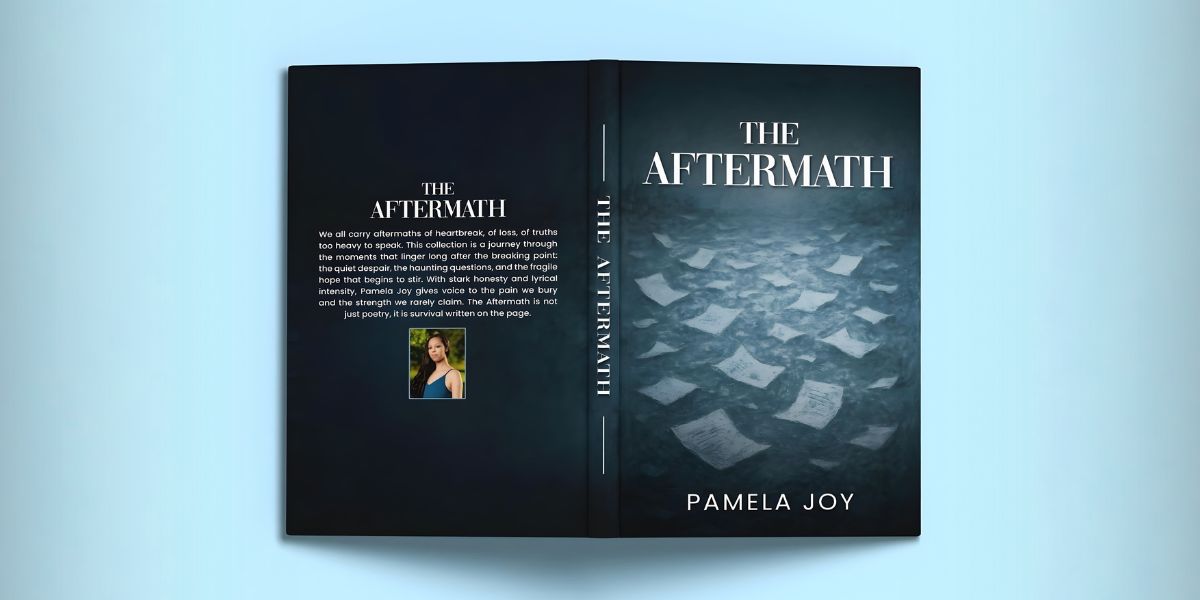
In her book The Aftermath, Pamela Joy describes this exact prison in her poem “Trauma Bonded.” She writes, “We were never good for each other, but that did not stop us from clinging to one another.” This is the central paradox of a trauma bond. It is an unhealthy attachment that forms between two people in a cyclical relationship full of highs and lows. The connection is not built on trust and respect. It is forged in shared pain and emotional whiplash.

A trauma bond develops through a repeated cycle of abuse and reward. Imagine a period of tension, followed by a painful incident. This could be a cruel comment, a betrayal, or a loud argument. Then, instead of a true apology, there is a period of loving treatment. This is the “reward” phase. The person might become incredibly kind, buy gifts, or make grand gestures. This positive reinforcement keeps you holding on. Your brain learns to associate this person with relief from the very pain they caused. This cycle is addictive. You stay because you are waiting for the high that follows the low. Pamela captures this addictive quality flawlessly, noting how “the drama and chaos became our only thrill.”

This bond is so powerful because it rewires your brain. The intermittent rewards create a chemical dependency. You crave the reconciliation and the affection that comes after the storm. This dynamic destroys your sense of self. You start to believe you cannot survive without this person. You lose trust in your own judgment because you keep returning to the source of your pain. You might feel immense loyalty to someone who consistently hurts you. This is not a weakness of character. It is a predictable psychological response to inconsistent and painful treatment.

So how do you begin to break a bond that feels unbreakable? The process requires courage and patience. The first step is awareness. You must name the problem. Acknowledge that what you are experiencing is a trauma bond, not love. Reading about it, as you are now, is a powerful act of self-defense. Seeing your experience reflected in Pamela’s poetry can provide that crucial moment of clarity. It helps you understand you are not crazy. You are not weak. You are caught in a recognized psychological trap.

The next step is to create distance. You cannot heal in the same environment where you got sick. This means limiting contact with the person. It may mean ending the relationship completely. This will feel incredibly difficult. Your body and mind will scream that you are making a mistake. This is the addiction talking. You must lean on a support system during this time. Talk to a trusted friend or a professional therapist. They can provide the objective reality check that the trauma bond has stolen from you.

Finally, you must rebuild your identity. A trauma bond often erodes your self-worth. You need to rediscover who you are outside of this painful cycle. Reconnect with hobbies you abandoned. Spend time with people who make you feel calm and valued. Practice self-care. Be very patient with yourself. Breaking a trauma bond is like recovering from a drug addiction. There will be withdrawal and intense cravings. But with each day you choose yourself, the chain weakens. You will slowly remember that you are a whole person, capable of a peace that does not require pain as its price.

To further understand the intricate dynamics of painful relationships and the path to healing, we invite you to read The Aftermath by Pamela Joy. This collection offers a vital and validating perspective for anyone navigating the difficult journey toward freedom.

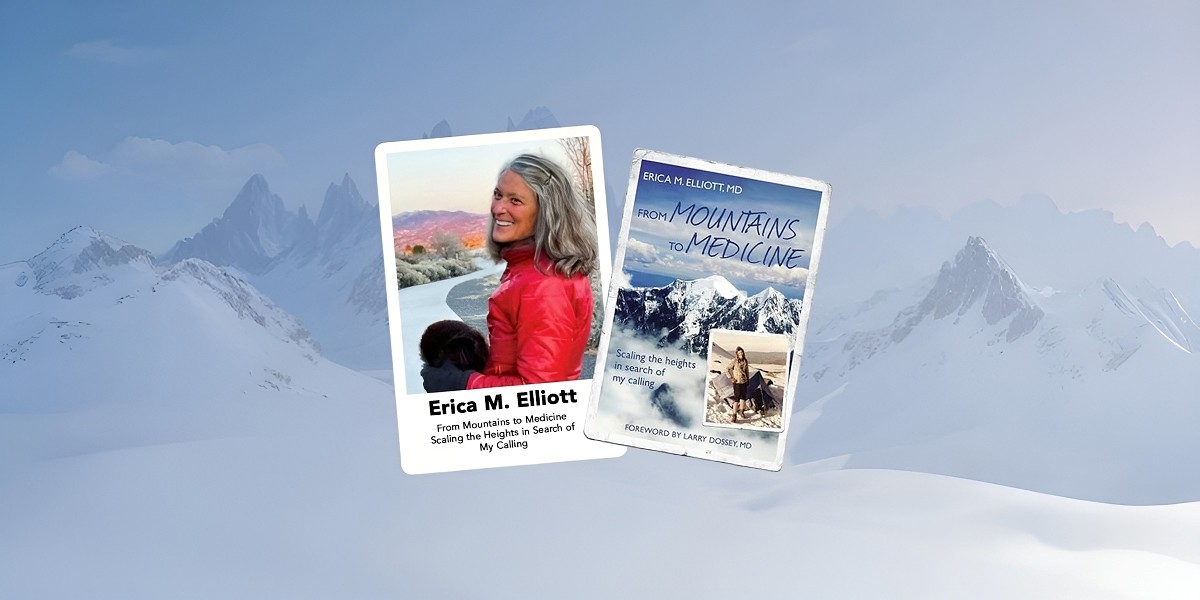
From Breakdown to Breakthrough: How Dr. Erica Elliott Alchemized Adversity into a Life of Purpose

By: Dorothy G. Pereir

Have you ever stood on a mountain, literal or metaphorical, completely exhausted and asked yourself, “What is the point of all this? What am I supposed to be doing with my life?”

Dr. Erica Elliott, the author of From Mountains to Medicine, asked herself these very questions. She was not on a simple hike. She was on a glaciated slope of Cotopaxi. Fear and fatigue were her constant companions. Yet, this difficult climb was just one part of a much larger journey. It was a journey of alchemy. Dr. Elliott learned to take the base metals of her life, pain and confusion, and transform them into gold, a life of profound purpose and service.

The Base Metals: A Foundation of Struggle

Every great transformation requires raw material. For Dr. Elliott, this material came in the form of deep personal struggles. During her college years, she experienced a severe existential depression. The person she thought she was fell apart. Her marriage crumbled. She felt so lost that she saw no way out, leading to a suicide attempt. This was the emotional ore.

Her family life provided more challenging material. She grew up with a critical mother and a father she adored, yet whose own human flaws caused her pain. She felt she was the athlete in a family of intellectuals, struggling with feelings of not being good enough or smart enough. These were the relational and internal metals, heavy and unrefined.

The Catalysts: Guides for Transformation

Raw metals do not change on their own. They require a catalyst and intense heat. For Dr. Elliott, the first catalyst was a psychiatrist named Dr. Samuels. He guided her through what she calls the “archeology of the soul.” Together, they dug into her past. They exposed harmful myths and misperceptions. This therapeutic process was the first fire, melting down old structures to make room for something new.

The second catalyst was her Uncle Ernst, a Swiss doctor of alternative medicine. He introduced her to a rigorous fasting cure. This was not just a physical cleanse. It was a spiritual awakening. During the fast, she experienced a state of blissful oneness and unconditional love. Uncle Ernst taught her that true health comes from lifestyle, a philosophy that would later define her medical practice. This was the second, refining fire that purified her body and spirit.

The Forged Gold: A Life of Purpose and Service

With her inner self clarified and her body cleansed, Dr. Elliott was ready to forge her new life. The resilience she built directly fueled her incredible achievements. She became a pioneering mountaineer. In 1976, she became the first American woman to climb Aconcagua, the highest peak in the Western Hemisphere.

Her newfound compassion led her to service. She takes us from the sacred land of the Navajo Nation to the remote villages of the Ecuadorian Andes. These experiences were not detours. They were essential chapters in her search for meaning, a search beautifully detailed in From Mountains to Medicine.

All these paths converged into her ultimate calling: Dr. Erica Elliott became a medical doctor. She is now known as the “Health Detective” in Santa Fe, New Mexico. She solves complex medical mysteries for her patients. This role is the ultimate synthesis of her journey. It uses the detective skills from therapy, the intense focus from mountaineering, and the holistic wisdom from her uncle. The story in From Mountains to Medicine shows us how every piece of our lives can fit together to form a powerful purpose.

Your Own Journey Awaits

The powerful lesson from Dr. Elliott’s life is her mantra: “Never waste a bad experience.” Her book is proof that breakdowns can lead to breakthroughs. From Mountains to Medicine is more than a memoir. It is a guide for transforming your own struggles into strength.

To learn more about Dr. Elliott’s life and work, please visit her website at www.ericaelliottmd.com. Explore her world through short videos about the mountain lion and her love of nature. To embark on this transformative journey yourself, secure your copy of From Mountains to Medicine today. Let Dr. Elliott’s incredible story serve as your map and inspiration for a life remade.

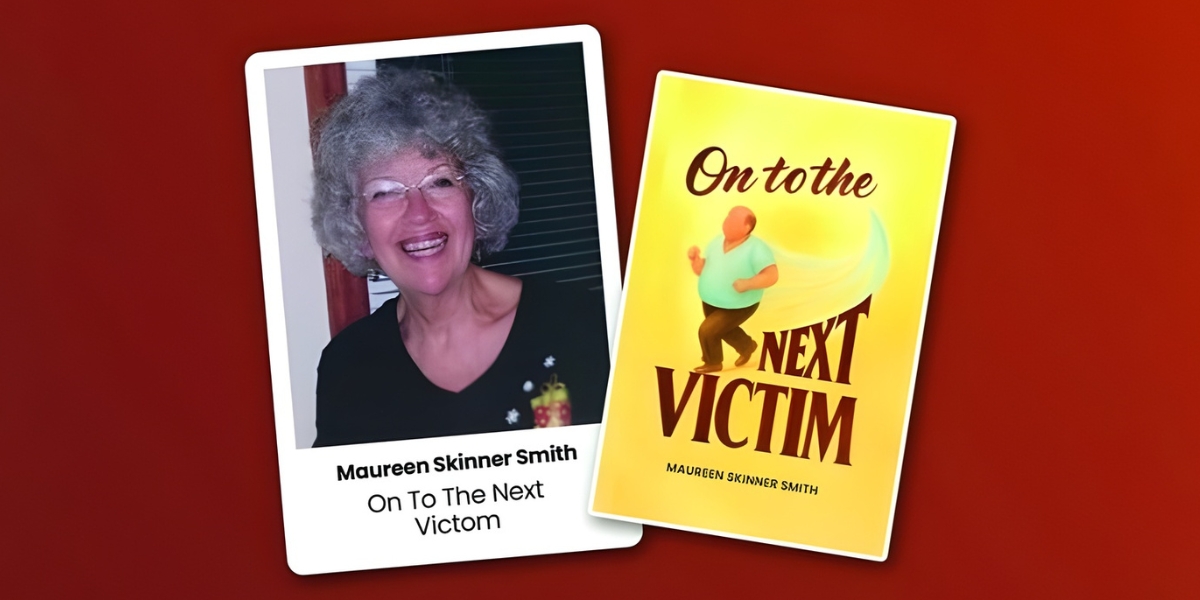
From Victim to Visionary: How Maureen Skinner Smith Turned Pain Into Purpose

By: Mark P. Fleming

We often think our deepest pain will destroy us. We cannot see the path forward. We cannot imagine a new version of ourselves. For Maureen Skinner Smith, that pain was a decade-long relationship with a manipulative man. But she made a choice. She would not let her story end in darkness. She would use it to light the way for others. Her journey from victim to visionary is a powerful map for anyone feeling lost.

The Descent Into Silence

Maureen’s story begins with profound loss. After the death of her wonderful husband, Scott, she felt alone. Then she met Dick. He was charming and funny. He brought her roses and made her laugh. It felt like a rescue. But slowly, the laughter faded. It was replaced by constant criticism. He called her stupid. He took control of her money. He isolated her from friends and family. The strong, successful business owner she had always been began to shrink. She was living in a fog of manipulation, and she did not know how to escape. This period of her life is captured with raw honesty in her book, On to the Next Victim.

The control was not always loud. It was a quiet, daily erosion of her spirit. She learned to walk on eggshells. She accepted his lack of affection. She paid the bills while he played the big shot. The silence in her own home became heavy. It was a chain made of fear and guilt. She felt completely trapped. She was a victim, but a part of her was still fighting to survive.

The Moment of Awakening

Every transformation has a turning point. For Maureen, it was not one loud event, but a series of quiet, yet profound, realizations. She started to see the patterns. The lies. The stolen money. The other women. She discovered a book about psychopathy and saw all sixteen traits reflected in the man she lived with. It was a shocking and clarifying moment. She was not going crazy. She was living with a con artist.

She realized that her silence was his greatest weapon. By staying quiet, she was protecting him. She was allowing him to continue. The day she decided to speak her truth was the day she began her rebirth. She started to tell her family. She confided in her customers. She found her voice again. This was the crucial pivot in Maureen Skinner Smith’s life, the moment she began moving from pain to perspective.

The Rebirth of a Visionary

Maureen did not just leave. She documented. She understood. She transformed her personal trauma into a masterclass on survival. She took back control of her finances. She changed the locks on her house. She packed his belongings and placed them on the porch. Each action was a step toward reclaiming her life. She was no longer a victim. She was a strategist, a survivor taking back her power.

Her pain became her platform. Maureen Skinner Smith decided to write her story. She wrote On to the Next Victim not for revenge, but for rescue. She wanted other women to see the red flags she had missed. She wanted to give them the courage to leave. Her book is more than a memoir. It is a tool, a shield, and a source of hope. Her vulnerability became her greatest strength, building unshakable trust with her readers.

Lighting the Way for Others

Today, Maureen is a celebrated voice of empowerment. She speaks to groups and supports other survivors. She is the visionary who emerged from the shadow of abuse. Her message is clear: your past does not define your future. Your deepest wounds can become your greatest purpose. Her work provides what she calls an emotional return on investment. For every moment of pain she describes, she offers a lesson of immense power.

Maureen Skinner Smith’s story, detailed so powerfully in On to the Next Victim, proves that it is possible not only to survive, but to thrive. She is a beacon, showing that on the other side of suffering awaits a stronger, wiser, and more purposeful you. Her journey from victim to visionary is a testament to the incredible resilience of the human spirit.

Maureen Skinner Smith’s On to the Next Victim provides an essential and courageous blueprint for recognizing manipulation and reclaiming your life. This book serves as a vital guide for anyone seeking to comprehend toxic relationships and cultivate the resilience to move forward.

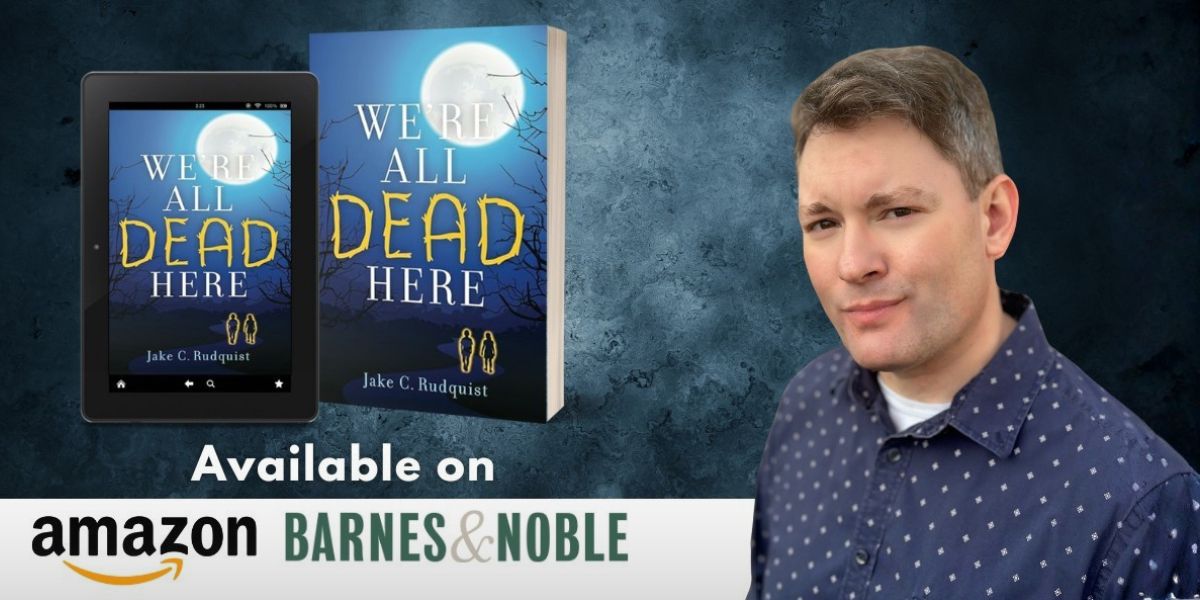
We’re All Dead Here: A Ghostly Adventure for Middle-Grade Readers and Beyond

By: Marcus Whitfield

Middle-grade readers are in for a thrilling ride with Jake C. Rudquist’s We’re All Dead Here, a ghost story told from the unique perspective of the ghosts themselves. The book poses a haunting yet playful question: What would you do if you were twelve years old and suddenly became a ghost?

Rudquist’s story follows a young protagonist navigating the afterlife while facing both supernatural and historical challenges, including elements from the Second World War. By combining adventure with history, Rudquist creates a narrative that captivates young readers while offering adults an equally engaging experience.

“I wanted to write a book that middle-grade readers could lose themselves in, but also something adults could enjoy,” Rudquist explains. “That age—around twelve—is when I most loved reading. I wanted to capture that same sense of wonder and curiosity.”

For parents encouraging reading, Rudquist emphasizes the importance of letting children choose what they read. “It doesn’t have to be a book. Comics, graphic novels, magazines, or even online articles count. The key is that they’re reading,” he says. Recalling his own childhood, Rudquist remembers being drawn to video game magazines. “I loved playing the games, but I grew to enjoy reading about them too. That’s how my love of reading started.”

Rudquist also suggests that parents help children discover books connected to their interests. In his own story, he fused two things that fascinated him as a child: the paranormal and the Second World War. “If a child is interested in sports, music, or gaming, there are books out there about those topics, both fiction and nonfiction. Reading becomes fun when it relates to something they already care about,” he notes.

One of the challenges Rudquist addresses is keeping young readers engaged long enough to finish a book. “Our attention spans are shorter than ever, for both kids and adults,” he says. He recommends discussing the story along the way: “Ask them who their favorite character is, or what’s happening to that character. My book was written so that adults can enjoy it alongside kids, which gives families a chance to check in and discuss the story together.”

By structuring the story for dual appeal, Rudquist makes reading We’re All Dead Here a shared experience. Beyond entertainment, the book encourages curiosity, critical thinking, and empathy. “Writing from a ghost’s point of view lets readers see the world differently. It teaches empathy and resilience, all while keeping the story fun and engaging,” he explains.

Historical context is another key component of the story. Rudquist intentionally incorporated real historical elements to enrich the narrative and spark interest in the past. “History and the paranormal both fascinated me as a kid,” he says. “Blending the two allows readers to explore complex ideas like life, death, and morality in a way that’s relatable and exciting.”

Humor and emotional depth are also woven into the story. While the young protagonist faces challenges beyond the ordinary, the book balances suspense with moments of levity and reflection. “Adults reading the book will find the humor, historical references, and emotional moments engaging. That dual-layer appeal helps foster a love of reading in children,” Rudquist notes.

In essence, We’re All Dead Here offers more than a ghost story. It’s a story about perspective, curiosity, and the joy of discovery. Rudquist’s narrative encourages readers to think creatively, ask questions, and engage with history, all while being entertained by the supernatural adventure unfolding on the page.

For families looking to spark a love of reading, the book offers an ideal entry point. Rudquist emphasizes the value of shared reading experiences: “When adults read alongside their kids, they model the importance of reading and create opportunities to discuss themes and ideas. That interaction can make a story memorable and transformative.”

We’re All Dead Here stands out as a unique blend of adventure, history, humor, and heart. It’s an excellent choice for middle-grade readers ready to explore the supernatural and for adults who enjoy thought-provoking storytelling.

Get your copy of We’re All Dead Here today and step into a world where the past and the supernatural collide, and where even the youngest ghosts can teach us lessons about life, courage, and imagination.

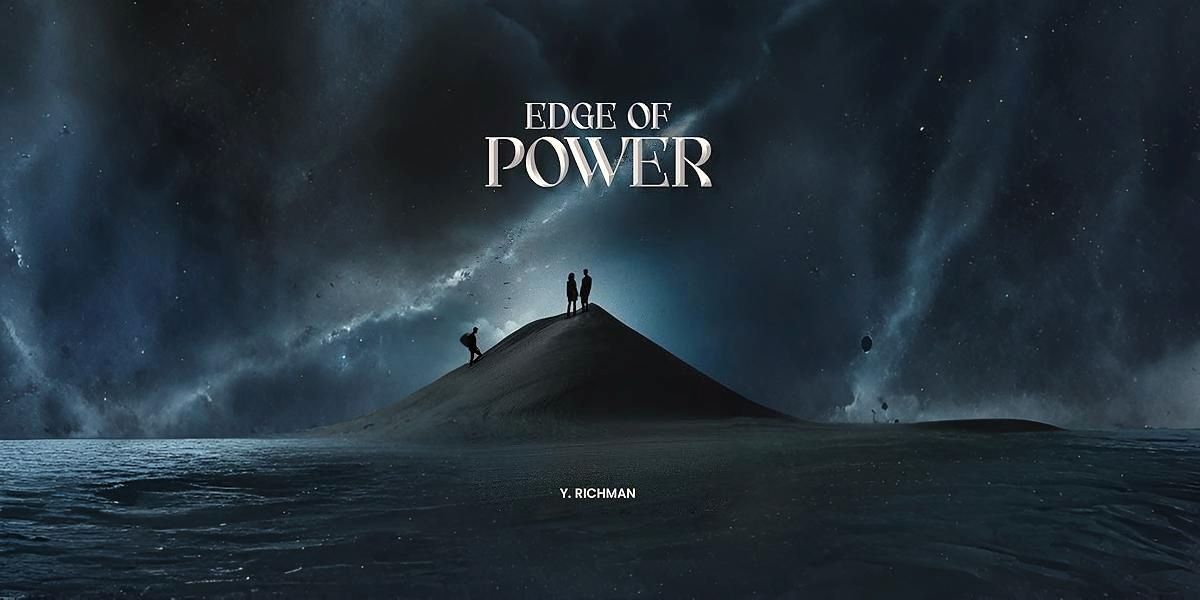
Edge of Power by Y. Richman Is A Dystopian Masterpiece That Redefines the Fight for Freedom

By: Carol E. Smith

In a world crushed beneath the weight of tyranny, one book dares to ask: how far would you go to reclaim your freedom?

Edge of Power, the electrifying debut novel by young author Y. Richman, takes readers into a dark, futuristic realm where survival is a competition. And the only way to live through it is to stop the Throne. With suspense, emotion, and rebellion, this novel stands out as one of the interesting dystopian tales of the decade.

A World Built on Control and Fear

The story opens in a society ruled by the Throne, a brutal regime that controls its citizens through manipulation, violence, and monthly Takings. Alongside that, deadly events where innocent people are chosen to compete in three ruthless competitions take part, first the strategy, second the maze, and last but not least the fight to the death, where the competitors gain extraordinary powers to use in battle.

And the new two winners of the competition, the husband and wife of the Throne, will continue the Thrones legacy.

From its opening pages, Edge of Power takes readers into a cinematic world of danger and despair. In the novel’s pulse-pounding beginning, a rebel named Andrew James risks everything to steal what he needs to make the chemical known as the Neutralizer. It is a substance that could dismantle the Throne’s empire of power. But his mission ends in tragedy, setting the stage for a new generation to carry the torch of defiance.

A Legacy of Resistance

Eight years after Andrew’s death, Jen Lankle lives under the same oppressive rule, haunted by the loss of those she loved. When she and her closest friend, Nolan Linvel, decide to enter the Throne’s Competition, their lives are thrown into chaos. Forced into a brutal series of trials designed to test intellect, endurance, and obedience, they must fight not just for survival, but for the truth about the world they live in.

As Jen and Nolan face the Throne’s deadly arenas, they find secrets about the rulers themselves. Madeline and Stefan Chraus, former competition winners whose own powers have twisted them into monsters. With every revelation, the stakes rise, and the line between freedom and destruction begins to blur.

Richman’s storytelling shines in these moments of high tension and moral complexity. Each challenge pushes the characters and readers to question what real power means. Is it the ability to control others, or the courage to stand against oppression, even when the cost is your life?

Themes That Ring A Bell

Beyond the breathtaking action and world-building, the book carries a message that feels immensely timely. It is a story about resilience, rebellion, and the unbreakable human spirit. Through Jen’s defiance and Nolan’s loyalty, the author explores the emotional weight of resistance. How courage often means choosing hope over fear, even when the world around you demands surrender.

The novel’s balance of thrilling plotlines and emotional depth makes it more than just a dystopian adventure. It’s a reflection on our own world, on systems of control, the dangers of blind authority, and the spark of change that begins when one person decides to fight back.

 A Young Author with a Powerful Vision

What makes Edge of Power even more remarkable is that a sixteen-year-old author wrote it. Y. Richmans ability to write such a complex, emotionally charged story demonstrates a rare maturity and insight. The author’s prose is bold yet grounded, the pacing relentless, and the dialogue authentic, creating a reading experience that feels both cinematic and deeply personal.

Readers of The Hunger Games, Divergent, and The Maze Runner will find familiar echoes here, but Edge of Power carves out its own bold identity. It is not just about surviving a corrupt system, it’s about breaking it. 

Takeaway

With its fearless characters, heart-stopping twists, and emotional intensity, Edge of Power is a journey you won’t forget. It’s a story of sacrifice, courage, and the unyielding hope that burns brightest in the darkest places. If you crave a dystopian adventure that will keep you questioning every page and rooting for every heartbeat, this is the book you’ve been waiting for.

Get your copy of Edge of Power by Y. Richman today and step onto the edge where power, hope, and rebellion collide.