Clarity Under Fire: James Blaise’s Thriller Puts Heart and Systems on the Line

In Red Hummingbird, debut author James Blaise delivers a thriller that moves with urgency yet refuses easy answers. Set mainly in Los Angeles with lines stretching to the border and beyond, the novel begins with a personal crisis and widens into a system-level threat. What distinguishes the book isn’t just how fast it runs, but how deliberately it thinks. Tactical sequences are grounded in logistics, law, and consequences; each turn tightens the human stakes rather than merely inflating the spectacle.

About the Story

Michael Alvarez is a DEA agent in Los Angeles. One night, he gets a call: his girlfriend, Sofía, has collapsed after eating cookies from her friend Elena’s bakery. Doctors suspect a tainted designer drug. Michael soon learns a cartel called Las Águilas is using the bakery as a cover to push “Red Hummingbird,” a mix of party drugs hidden in sweets. Sofía wasn’t the target—she ate the wrong cookie at the wrong time.

Michael and his tight team—Rafa (partner), Dingo (sniper), Pascal (tech), and Eli (hacker)—follow the trail from L.A. to Houston and down toward the border. In raids, they seize phones, crypto wallets, and payment records, tying the network to Black Rock federal prison and hinting at a bigger player pulling strings from inside.

Lives in the Crosswind

The book keeps the focus on people—friends, partners, and families caught in the crosswind—while the investigation widens from one hospital room to a multi-city chase. Without spoiling late turns, the story closes some doors and leaves others cracked open, reminding us that power rarely disappears on its own.

What Stays with You

The novel returns again and again to the pull between loyalty and rules. Michael wants to protect the people in front of him, but he works inside systems with limits. The book asks how far you can bend without breaking, and what it costs to hold the line. It also looks at truth and rumor. In a world full of noise, the story shows how controlling a story can shape what people believe, how they act, and who they follow.

Finally, it sits with the gray areas of power. Money, law, and media don’t just react to crime; depending on who uses them, they can help it grow or help stop it. These ideas give the chase scenes weight and make the quiet moments matter.

Who Might Like It

Readers who enjoy fast plots grounded in real places and real consequences will feel at home here. If you like thrillers that make room for cause and effect—plans, setbacks, choices—and you want to care about the people at the center of the storm, this book will work for you. Book clubs will find plenty to talk about: whether ends justify means, when to follow orders, and when to make your own path.

What to Expect

If you’re deciding whether to pick up Red Hummingbird, here’s what to expect from the reading experience rather than a list of on-page details. The book moves quickly with clear, short chapters that are easy to follow. Many stories stay with Michael Alvarez, so you can track what he knows and when he learns it, with a few brief cutaways that open the wider picture without slowing the pace.

About James Blaise

Born in Mexico City and raised in Houston, James Blaise draws on both personal background and professional experience to shape his writing. He holds a B.A. in Government from the University of Texas and a J.D. from Oklahoma City University School of Law. He is a licensed attorney in Oklahoma with experience in criminal, immigration, and constitutional law.

As a blind author, he believes disability is a source of strength; navigating the world without sight has honed the resilience and creativity that animate his fiction. Though Red Hummingbird is his debut, Blaise has long been drawn to high-stakes thrillers grounded in realism, and he channels that influence into a voice that is precise, empathetic, and unafraid of the gray. 

Connect with James Blaise

Want to explore Red Hummingbird further or inquire about interviews and events? Visit the official website at authorjamesblaise.com for details, and follow updates on Facebook.


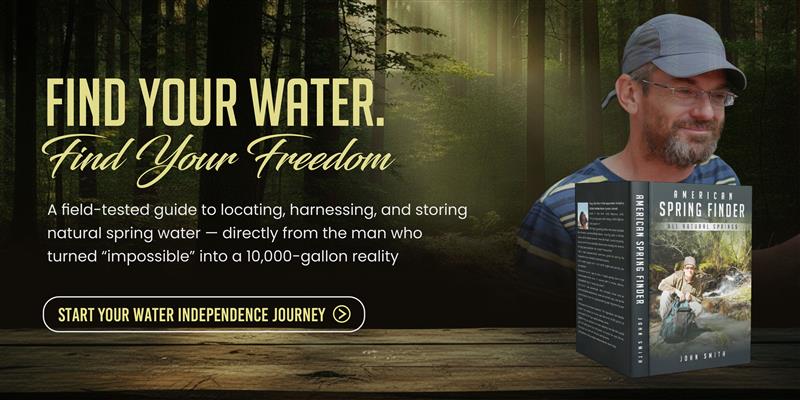
John Smith and the Art of Sustainable Water Design: Redefining Natural Resource Management

(How John Smith transformed his search for sustainable water sources into a practical guide and philosophy for working in harmony with the natural environment.)

The Artist Who Found a Spring Instead of a Canvas

Before earning recognition as an expert in natural spring development, John Smith built a career that combined creativity, discipline, and exploration. Trained in fine arts, he spent much of his early life documenting the outdoors through photography and film while working as a climbing and kayaking guide. Those years shaped both his understanding of natural systems and his confidence in problem-solving in unpredictable environments. They also developed the observational mindset that later guided his approach to environmental design.

When Smith purchased a rural property in California, a failed attempt to drill a well left him without a water source, forcing him to confront a challenge that would redefine his life. Instead of relying on traditional methods, he began analyzing the terrain, identifying geological indicators of underground flow, and experimenting with small-scale water-delivery systems. Over the course of two years, he designed and constructed a gravity-fed spring network powered entirely by natural pressure. The project marked a shift from art to applied science, transforming a personal struggle into an enduring study of how human ingenuity can align with the intelligence of the earth.

The experience served as the foundation for his book, American Spring Finder, which combines technical instruction, environmental awareness, and philosophical reflection. What began as a single solution to a household problem evolved into a field manual for sustainable living and a testament to the creativity that emerges when art meets necessity.

The Gold Beneath Our Feet

In American Spring Finder, Smith describes water as civilization’s oldest and most valuable resource. The book presents a rare combination of engineering precision and ecological insight, offering readers practical guidance on locating, developing, and maintaining natural springs. Smith’s purpose is not only to teach the mechanics of water sourcing but also to renew a sense of respect for its role in sustaining life.

He explains how natural springs form through the interaction of rock, pressure, and gravity, emphasizing that the most effective systems imitate those same forces. Historical references throughout the book demonstrate how early communities built settlements around springheads for strategic, agricultural, and spiritual reasons. By connecting that legacy to contemporary challenges of water scarcity, Smith positions the spring as both a symbol of self-reliance and a model for sustainable design.

He often refers to water as “liquid gold,” a metaphor that reframes sustainability as stewardship rather than control. For Smith, value lies not in the extraction of resources but in understanding their balance within the natural system. His work encourages a shift from dependency on industrial infrastructure to small-scale, locally managed water sources that reduce environmental impact while strengthening personal responsibility.

John Smith and the Art of Sustainable Water Design: Redefining Natural Resource Management

Photo Courtesy: John Smith

Click Here for Book

A Journey of Faith and Function

Building and maintaining a spring system required precision, persistence, and an unwavering belief in the process. Every setback, from frozen lines to mechanical failures, taught Smith something new about both engineering and endurance. Each problem required him to adapt his design, measure environmental variables, and adjust the equipment until a consistent flow was achieved. Over time, he developed methods that balanced functionality with simplicity, creating systems that could operate indefinitely with minimal intervention.

That process also deepened his understanding of resilience and the importance of cooperation with nature. Smith’s writing emphasizes that environmental success depends less on control and more on partnership. By observing how water behaves under pressure, temperature, and gravity, he learned that sustainable design is about working with natural forces rather than against them.

He believes the lessons from spring development mirror the human condition; patience, humility, and consistency yield results more lasting than force. In American Spring Finder, each technical diagram is paired with a reflection on these themes, reminding readers that the act of building infrastructure can also build character. His philosophy unites practicality and purpose, showing that sustainability and spirituality often share the same foundation, disciplined respect for what already works.

From Innovation to Preservation

Following the success of his book, Smith began consulting for homeowners, small farmers, and conservation groups seeking sustainable water solutions. Over several years, he assisted in developing more than 60 independent spring systems across the United States. His approach remains rooted in observation and data-driven analysis, consistently prioritizing environmental preservation. By promoting natural flow systems over mechanical pumping, he demonstrates that technological progress can be achieved without ecological compromise.

His emphasis on stewardship has influenced a growing movement among rural developers and environmental engineers who view natural springs as viable, renewable water sources. Smith’s consulting projects often begin with on-site surveys, during which he assesses geology, slope, and pressure zones before designing custom systems that maximize yield while minimizing disruption to the landscape. Clients credit his ability to merge practicality with ecological ethics as an uncommon balance in the field of water engineering.

Smith continues to expand on this work in two forthcoming volumes. The Water Hammer explores the physical dynamics behind gravity-powered delivery systems and how ancient techniques can inform modern sustainability. The Language of Water will shift from mechanics to meaning, studying how the movement and sound of water influence human perception and creativity. Together, the books reinforce his belief that understanding natural processes leads to better design, stronger communities, and a more responsible relationship with the environment.

John Smith and the Art of Sustainable Water Design: Redefining Natural Resource Management

Photo Courtesy: John Smith

Rediscovering What Lies Beneath

John Smith’s journey demonstrates that innovation often begins with observation. His life’s work underscores that nature already offers solutions, but we only need the patience to see them clearly. Through his research, writing, and fieldwork, Smith challenges the assumption that technology must dominate nature to advance society. Instead, he presents water as both a scientific subject and a moral teacher, as well as a living system that rewards respect and punishes neglect.

American Spring Finder ultimately serves as more than a manual for developing springs. It represents a comprehensive philosophy of sustainable living. The book bridges art, engineering, and environmental ethics, inviting readers to rediscover the connection between human progress and natural intelligence. Smith’s message is pragmatic yet profound that the path forward begins by looking downward, into the ground beneath our feet, where clean water still flows, quietly sustaining the future.

Dennis V. Rozario Launches “Future-Ready Supply Chain: Guide to Co-Creating Value” – A New Playbook for Global Supply Chain Transformation

By: Alex Sams

Detroit, USA – 11/24/25 – A business is only as strong as its supply chain. In his new book, Future-Ready Supply Chain: Guide to Co-Creating Value, veteran supply chain leader Dennis V. Rozario argues that the next era of competitiveness will not be won by cost-cutting alone, but by trust, technology, and true value co-creation between manufacturers and their supply base.

Rozario’s message is clear: tracking cost alone will not establish future readiness. Companies that thrive are those that combine trust building, technology adoption, and deep cost mastery across their end-to-end value system. His End-to-End Cost Attack Model addresses all cost drivers—product design, bill of materials, process efficiency, logistics, and quality overhead—while embedding suppliers as true partners in sustainable value creation.

“Supply chains are the nervous system of any business,” says Rozario. “Success belongs not to those pursuing the cheapest solutions, but to those most committed to transparency, trust, and technology-enabled collaboration. When companies partner with suppliers as co-creators of value, resilience and growth follow.”

Key Insights from the Book

  • The End-to-End Cost Attack Model: a four-pillar framework (Design, BOM, Manufacturing, Quality/Overhead) that systematically eliminates inefficiencies.
  • Proactive Manufacturing Footprint Management: guidance for OEMs and suppliers to expand capacity, talent, and new technology adoption despite rising costs.
  • Technology & Process Transformation: how AI, ML, and Industry 4.0 applications on the shop floor redefine competitiveness.
  • The Circle of Trust Framework: making transparency and accountability the foundation of supplier partnerships.
  • The Value Creation Office: a radical organisational concept embedding value co-creation as a business core, not a support function.
  • Radial vs. Linear Organisational Design: shifting to circular ecosystems that accelerate collaboration across the supply chain.

A Global Perspective Backed by Experience

With over three decades of cross-continental experience, Rozario brings lived insights from China, India, Thailand, South Africa, the UK, Germany, and the Americas. His case studies highlight how companies that balance cost, trust, and technology outperform peers in volatile, uncertain, and technology-driven markets.

By drawing on successes and failures across continents, Rozario illustrates how businesses can cut through the complexity of modern supply chains and create systems where total cost savings and resilience are amplified over time. His approach empowers organizations to adapt swiftly to market shifts, ensuring long-term sustainability. By leveraging his frameworks, companies can foster stronger supplier relationships, enabling continuous improvement and mutual growth.

About the Author

Dennis V. Rozario is a seasoned supply chain transformation leader with senior roles across the automotive, aerospace, and engineering sectors. Over three decades, he has pioneered supplier development, best-cost sourcing, and cross-continental supply base integration. His frameworks—including the End-to-End Cost Attack Model, Circle of Trust, and Value Creation Office—are now being recognized as practical blueprints for businesses and academia.

Readers will gain a deeper understanding of the root causes of current supply chain challenges and the critical connection between supplier behavior and the organization’s capacity to manage these situations effectively. By mastering foundational principles such as building trust-based relationships and achieving cost control, professionals can accelerate their career progression. They will learn to navigate rapidly changing product and manufacturing technologies through transparent engagement, enhancing their ability to address complex commercial challenges with clarity, logic, and analytical precision. This knowledge equips professionals with the tools to drive innovation and efficiency within their organizations. It also encourages a proactive approach to problem-solving, allowing for better decision-making in uncertain environments. Ultimately, readers will be empowered to lead supply chain transformations that contribute to sustainable, long-term success.

Disclaimer: The views and strategies shared in this article are based on the author’s professional experience and research. Results may vary depending on specific business contexts, industries, and market conditions. The information provided is for educational purposes only and should not be considered as financial, legal, or professional advice. Readers are encouraged to consult with relevant experts before making decisions based on the content shared.

Gabriella Pomare’s Approach to Redefining Divorce: From Broken Families to New Beginnings

By: Priscilla D. Blanton

For too long, the story of divorce has been one of destruction. We picture broken homes, angry ex-partners, and confused children caught in the middle. This story tells us that a family has failed. It says that the end of a marriage means the end of a family unit. But what if that story is not entirely accurate? What if separation is not always an ending, but potentially a difficult yet powerful new beginning? A growing movement is challenging the old narrative. Award-winning lawyer and author Gabriella Pomare is leading the charge to reframe the conversation. Her book, The Collaborative Co-Parent, offers a new approach for those navigating separation and divorce. She teaches that a family can evolve, not necessarily break.

The Old Story of Separation

The traditional path of divorce is often filled with conflict. Parents may fight over assets and parenting time. They might use children as messengers or even weapons. Children may feel forced to choose sides. They carry the weight of their parents’ anger and sadness. This environment can create stress and anxiety for everyone. In many cases, it leaves lasting emotional scars on children. The system often encourages this battle, as it pits parent against parent in a win-or-lose scenario. But what are they really winning? The cost is often the well-being of their children. This outdated model focuses on what is ending, while overlooking what must continue: the family.

Introducing a New Vision

Gabriella Pomare offers a different vision. She calls it collaborative co-parenting. This philosophy shifts the focus from conflict to cooperation. It moves from ending a relationship to potentially restructuring a family. The goal is to foster a new kind of family dynamic. This structure has two homes connected by respect and a shared purpose. The children remain at the center of this new family. They are not pawns in a game. They are the most important people in the room. This approach requires a conscious decision. Parents must be willing to put their children’s needs above their own hurt. This is the core message of Gabriella Pomare’s work and her important book, The Collaborative Co-Parent.

The Expert Who Lives the Philosophy

Gabriella Pomare is not just a theorist. She is a highly experienced family lawyer who has witnessed the complexities of divorce. She has handled challenging cases involving high conflict and international child custody. She understands the legal battlefield intimately. But her expertise goes beyond the courtroom. She is also a mother who has navigated her own separation. She knows the feeling of waking up alone and wondering about the future. She has felt the sting of failure. Then she heard her son call out for her. In that moment, she knew her mission was to protect him. This personal experience gives her advice remarkable authenticity. She does not just give advice. She lives the philosophy she teaches.

The Core Tools for a New Family Dynamic

So, how does this restructuring work? The Collaborative Co-Parent by Gabriella Pomare is a practical guide. It provides the essential tools for this journey. One key tool is communication. The book teaches parents how to talk to each other without anger. It advises listening first, pausing to think, and then responding with respect. Parents learn to see their relationship as a partnership. Their shared business is raising happy and healthy children. Another tool is creating stability. Children need routine and consistent rules in both homes. This makes them feel safe and secure. The book also guides parents on how to speak about each other. It is vital that children never hear one parent insult the other. This helps preserve the child’s love for both parents.

The Lifelong Impact of a Collaborative Choice

Choosing a collaborative path is not just about making life easier today. It is about influencing the future of your children. Children who grow up in a cooperative co-parenting environment may learn vital lessons. They may learn how to solve problems peacefully. They see that relationships can end with dignity. They understand that love for a child is constant, even when living situations change. These children could become more resilient and emotionally secure adults. They are likely to love both parents without guilt. By choosing collaboration, parents may give their children a priceless gift. They give them a childhood free from the burden of adult conflict. This is the powerful message that Gabriella Pomare advocates for.

A Call to Change the Story

The old story of divorce is one of loss. The new story, championed by Gabriella Pomare, is one of transformation. It is a difficult but potentially rewarding path that requires courage and commitment. However, the potential rewards are significant: a future where children thrive. It leads to a life where parents can find peace and even a new form of partnership. The Collaborative Co-Parent is more than a book. It is a manifesto for a gentler, more respectful way to navigate family change. It shows that the end of a marriage does not have to mean the end of a family. It could be the start of a new chapter, written with intention and love.

If you are facing separation, consider letting this book be your guide. To learn the practical steps for building a collaborative future for your children, you can get your copy of The Collaborative Co-Parent by Gabriella Pomare today. It is available at Barnes & Noble or directly through Gabriella Pomare’s website.

The Awakening of Marianne

By: Matt Emma

Marianne’s Magical Journey begins with a little girl named Marianne, who lives an ordinary life but carries an unexplained sadness in her heart. Despite having a loving family and going to school like any other child, Marianne feels confused and lost about the purpose of the things she does every day.

Her life takes a magical turn when she meets Banu, a beautiful, talking parrot from the Amazon rainforest. This encounter becomes the doorway to a remarkable adventure, one that teaches her, and readers alike, what it truly means to be happy.

The Magical Encounter That Changes Everything

One ordinary afternoon, Marianne follows her curiosity into a pet store and meets Banu. The colorful bird senses her sadness and begins to share his own story, of being captured, taken from his jungle home, and yet still finding joy in every moment. Through Banu, Marianne learns about Matori, the wise guardian of the jungle who ensures that no creature remains sad. Intrigued, Marianne begins to dream of a world filled with magic, freedom, and harmony, a world far beyond the walls of her daily routine.

This meeting becomes the first spark that ignites Marianne’s transformation. She learns that happiness isn’t about where you are, but how deeply you connect to the life around you.

A Journey into the Heart of the Amazon

When Matori appears, he invites Marianne to journey with him to the Amazon rainforest. Through the power of belief and magic, she transforms into a bird and experiences the beauty of the jungle firsthand.

Surrounded by vibrant trees, singing creatures, and colorful skies, Marianne discovers a living world where everything is connected; every flower, insect, and bird plays a part in the grand pattern of life. Under Matori’s guidance, she learns that true joy comes from feeling part of something bigger than oneself.

It is in the rainforest that Marianne finally understands what has been missing in her life: connection, purpose, and appreciation for the miracle of being alive.

The Secret of Happiness

Matori reveals to Marianne that the secret of life, and the secret to happiness, is realizing that everything in nature is connected. When one sees oneself as part of the whole, loneliness disappears.

Marianne learns that sadness often comes from feeling separate or alone, but in truth, no one is ever truly alone. Whether we are people, birds, or even tiny insects like the brave flea and butterfly in the story, we all belong to the same pattern of life.

This lesson transforms Marianne’s heart forever.

A Return with New Understanding

When the time comes to leave the rainforest, Marianne returns home carrying

Matori’s wisdom is within her. She is no longer the sad, confused girl she once was. Her heart is full of joy and gratitude, and she sees the world differently, as a place filled with beauty, connection, and endless magic.

Back in her city life, she remembers her promise to protect nature and spread kindness. Although no one realizes she was ever gone, Marianne carries the rainforest’s light inside her forever.

Conclusion

Marianne’s Magical Journey is more than a children’s fantasy; it’s a timeless reminder that happiness comes from within. The story beautifully teaches that life is magical when we see ourselves as part of its living web.

Marianne’s transformation mirrors what every reader can experience: when we stop feeling separate and start appreciating the connection between ourselves, others, and nature, sadness fades, and true joy begins.

In the end, the story reminds us that magic isn’t something you find; it’s something you feel when your heart is open to the world around you.

John Edward Jacob on Resilience, Civil Rights, and Why He “Fears No Evil”

By: Elowen Gray

When Vernon E. Jordan Jr. was shot in 1980, the National Urban League was thrown into crisis. The civil rights icon was clinging to life in an Indiana hospital, and the movement he helped lead suddenly faced uncertainty. Into that void stepped John Edward Jacob — a quieter, steadier figure known more for strategy than headlines.

Two years later, Jacob was officially named Jordan’s successor. From 1982 to 1994, he served as president of the Urban League, steering the century-old organization through some of its toughest years.

Now in his nineties, Jacob is sharing his journey in a new memoir, I Will Fear No Evil.
It’s part history lesson, part personal testimony — a look back at how a boy from segregated Houston became one of the most influential civil rights leaders of his era.

From a Three-Room House to Howard University

Jacob’s childhood in Houston was defined by poverty and segregation. The youngest of six children, he grew up in a three-room house with no electricity or plumbing. His mother cooked on a wood stove, and he studied by kerosene light.

“I refused to ride segregated buses,” he recalls. “I walked miles to school instead.”

Despite the obstacles, Jacob excelled. He became president of his senior class and the honor society at Jack Yates High School.  A scholarship changed his trajectory, taking him to Howard University, where he studied economics, joined ROTC, and was commissioned as an Army officer before turning toward social work.

The Strategist of the Urban League

Jacob’s path into national leadership wasn’t flashy — it was deliberate. He joined the Washington affiliate of the Urban League in 1965, later led the San Diego chapter, and returned to Washington in 1979 as executive vice president.

When Jordan resigned in 1982, Jacob took the helm. He immediately rolled out what he called the Urban Marshall Plan, a bold demand for government and corporate investment in Black communities, centered on jobs, housing, and education.

“We want jobs, not reasons why we can’t get those jobs,” he told delegates at the League’s annual conference, setting the tone for his presidency.

Confronting the Reagan Years

Jacob’s tenure collided with the conservative revolution of Ronald Reagan.
Social programs were being cut, unemployment soared, and the civil rights consensus of the 1960s seemed to wane. 

Jacob pressed forward anyway, clashing with federal officials while building partnerships with corporations willing to invest in Black workers and entrepreneurs.

He also championed Project Thrive, a program aimed at steering youth away from drugs and gangs by focusing on education, mentorship, and community service.
For Jacob, the work was always both systemic and personal: change the laws, but also change the lives.

Speaking Out Against Apartheid

Jacob was also outspoken on global justice. Under his leadership, the Urban League became an important voice in the American movement against apartheid in South Africa. He urged companies to cut ties with Pretoria’s white-minority regime and pressed lawmakers to impose sanctions.

“We cannot stand silent while our brothers and sisters are denied their basic humanity,” he said at the time.

From Advocacy to the Boardroom

After stepping down in 1994, Jacob entered corporate America as executive vice president at Anheuser-Busch. He later served on nonprofit and corporate boards, one of the few civil rights leaders of his generation to bridge activism and business at such a high level.

A Life of Preparation

In his memoir, Jacob reflects on the lessons he’s carried across nine decades.
Chief among them: preparation. “I never asked to be Urban League president,” he writes. “But I had spent every second preparing for it.”

The title of his book, I Will Fear No Evil — speaks to that mindset. To Jacob, courage is not the absence of obstacles but the determination to face them.

“The progress we made was real,” he says today, “but it was never complete. Each generation inherits the responsibility to move it forward.”

For John Edward Jacob, that responsibility has always been clear: fight for opportunity, demand justice, and never let fear stand in the way.

Judi Lloyd’s “Interstellar Alliance” Series: Love, Courage, and Humanity Among the Stars

By: Elowen Gray

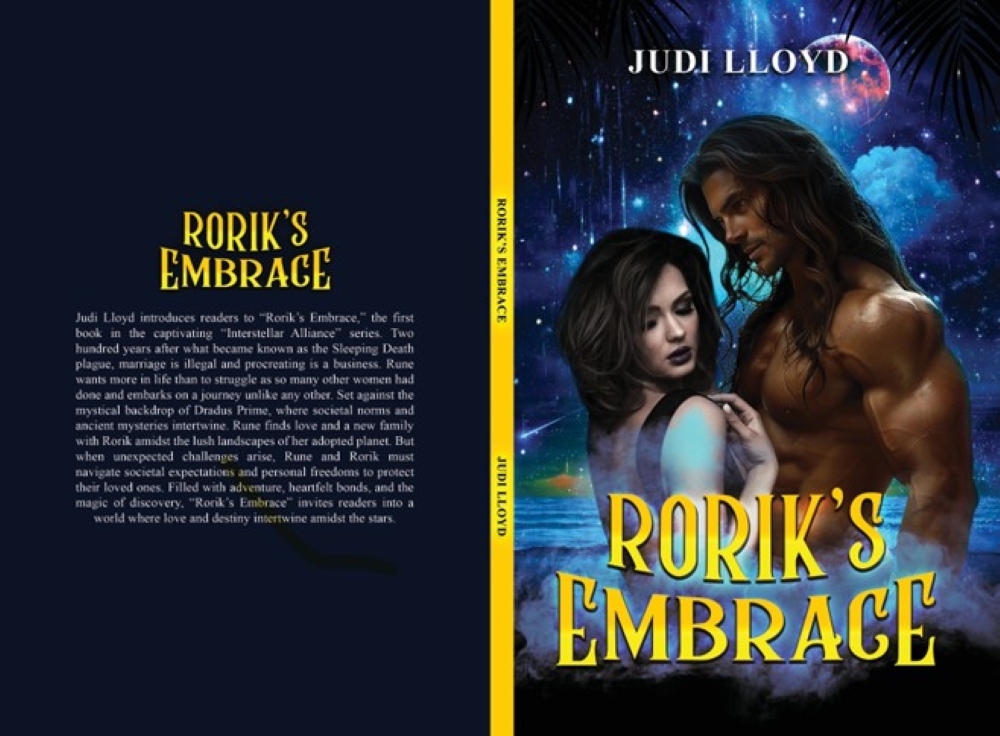
Few debut authors have captivated readers’ attention as much as Judi Lloyd in the ever-expanding world of contemporary romance. Lloyd blends the expansive scope of science fiction with the poignancy of traditional love stories in her Interstellar Alliance series, which starts with Rorik’s Embrace and continues with Nora’s Rogues. Her books take readers to faraway places while maintaining a strong connection to the universal need to love and be loved.

In the future depicted in both books, love itself has devolved into an act of rebellion, and every heartbeat counts throughout the galaxy.

A Vision Born from Imagination and Heart

Lloyd had always been a storyteller before she was a published author. She disclosed in a recent interview with New York Publications that her parents had always encouraged her to pursue her lifelong dream of writing.

“My mom gave me the love of reading, and my dad gave me the love of writing,” Lloyd said. “After he passed, I realized there would never be a perfect time — so I took the leap of faith.”

Lloyd, a mother of two grown children, a wife of thirty-five years, and a passionate quilter and crafter, brings the same love and passion to her writing. Despite their galactic settings, her novels are meticulously plotted, intensely emotional, and rooted in human experience; they are all works of love.

Rorik’s Embrace: The Beginning of the Stars

Judi Lloyd’s “Interstellar Alliance” Series: Love, Courage, and Humanity Among the Stars

Photo Courtesy: Judi Lloyd

The first Interstellar Alliance book, Rorik’s Embrace, introduces readers to Rune Shadow, a resolute young woman who won’t accept the transactional, sterile life her world has to offer.

Centuries after a devastating plague wiped out humanity called The Sleeping Death, Lloyd’s imagined future has made marriage illegal and childbirth into a business deal. Rune longs for more: genuine love, family, and connection. She embarks on her adventure by enrolling in the Interstellar Alliance Program, a government program that permits women to leave Earth in search of partners on other worlds.

However, Rune’s escape pod crashes on an icy alien planet after her ship, the Galaxy, is attacked by slavers. Rorik, a solitary warrior scarred by both heartbreak and battle, comes to her rescue.

In the midst of snowstorms, loss, and the rediscovery of hope, a compelling, slow-burning romance rooted in vulnerability, trust, and survival emerges.

Rorik’s Embrace is more than just a romance because of Lloyd’s skill at fusing intense emotional intimacy with exciting sci-fi adventure. It’s a meditation on healing, human connection, and finding warmth in the galaxy’s coldest places.

Nora’s Rogues: A Love That Defies the Odds

Judi Lloyd’s “Interstellar Alliance” Series: Love, Courage, and Humanity Among the Stars

Photo Courtesy: Judi Lloyd

The Interstellar Alliance universe is expanded and its emotional core is strengthened in the second installment, Nora’s Rogues.

This time, the narrative centers on 35-year-old teacher Nora O’Brien, who feels that her opportunity to find love and become a mother has passed her by. In the hopes of a miracle, she enrolls in the same off-world program as Rune. Instead, chaos is brought about by fate: her escape pod crashes on the fiery planet Ferr, which the horned, crimson-skinned Helviti people inhabit, and her ship is ambushed.

There, two skilled fighters from the dreaded Demon Rogue Squad, Rinox and Sakrus, save Nora. The trio learns an ancient Helviti fate bonds them—a rare and sacred triad bond—when both men leave their imprints on Nora.

Although their chemistry is electric, Lloyd grounds it in emotional realism by sensitively and powerfully examining equality, tenderness, and jealousy. Because of her bravery and maturity, Nora is one of the most likable heroines in contemporary romance literature. She is a woman who finds love not because she is saved but because she chooses to do so; she is sensual but profoundly self-aware, vulnerable yet fearless.

A Universe Connected by Five Women and Infinite Possibility

“The first five books center around five women who travel to the stars — like mail-order brides, but not really,” Lloyd said in her interview, describing the overall plot of her series with contagious enthusiasm. “All they’re looking for is love. The supporting characters from those tales are examined in the remaining five books.”

Although each book stands alone, they are connected by an everyday world and recurring themes, such as self-discovery, resiliency, and the unwavering conviction that love is worth the risk.

Lloyd presents readers with two distinct yet complementary experiences through Rune and Nora: one of maturation and rediscovery, and the other of innocence and awakening. They serve as the cornerstone of a ten-book tale that delves into the depths of human emotion and explores otherworldly realms.

Where Fantasy Meets Feminine Power

Lloyd’s skill at fusing authenticity with fantasy is one of the things that makes her work so captivating. Her stories are full of telepathic relationships, extraterrestrial races, and cosmic wars, but she never loses sight of her characters’ inner lives.

Perhaps a mirror of Lloyd’s own journey as an author who followed her passion later in life, each woman’s journey starts with loss or longing but ends with empowerment. She remarked, “I’ve always had a big imagination.” “I believe my curiosity with other realms began when I was a child and began drawing creatures, which I called monsters.”

A fictional universe that seems both expansive and personal has developed from that creative spark, nurtured since childhood. It explores how love, bravery, and vulnerability can coexist even in the frigid emptiness of space.

An Author Stitching Stories from the Heart

Hobbies that reflect Lloyd’s approach to narrative include quilting, cross-stitching, and creating when she’s not writing. Like every novel, every quilt is made with love, attention to detail, and care.

“I try to get in some writing or reading after work, and I work from home,” she said. “And I make homemade presents for my family when I’m not writing.”

Every page in Nora’s Rogues and Rorik’s Embrace exhibits the same level of authenticity and artistry. Her work feels private yet dramatic, overflowing with empathy for her characters and an excellent appreciation for love in all its manifestations.

The Future of the Interstellar Alliance

Lloyd has already captivated readers with two novels and doesn’t appear to be slowing down. Many of her works are set in or around the Interstellar Alliance universe, and she disclosed that she has “twenty to forty stories” in various stages of completion.

The following novels will add to this rich tapestry of love stories that transcend worlds, species, and millennia, if the first two installments are any guide. The series’ central human truth—that no matter how far we travel, we all want connection—will be viewed from a unique angle by each new heroine.

A Rising Star in Romantic Science Fiction

With Rorik’s Embrace and Nora’s Rogues, Judi Lloyd has carved out a unique area in the literary cosmos – a place where the tenderness of romance meets the wonder of the stars. Her novels serve as a reminder that although galaxies and technology may change over time, love in its most basic, human form endures forever.

“Rorik’s Embrace” and “Nora’s Rogues” by Judi Lloyd are available now in print and eBook. For updates on upcoming titles in the Interstellar Alliance series, readers can reach the author at JudiLloydAuthor@yahoo.com

How Maryanne Wood’s Gift from Her Dying Sister Sparked a Legacy of Healing Stories for Children

By: Matt Emma

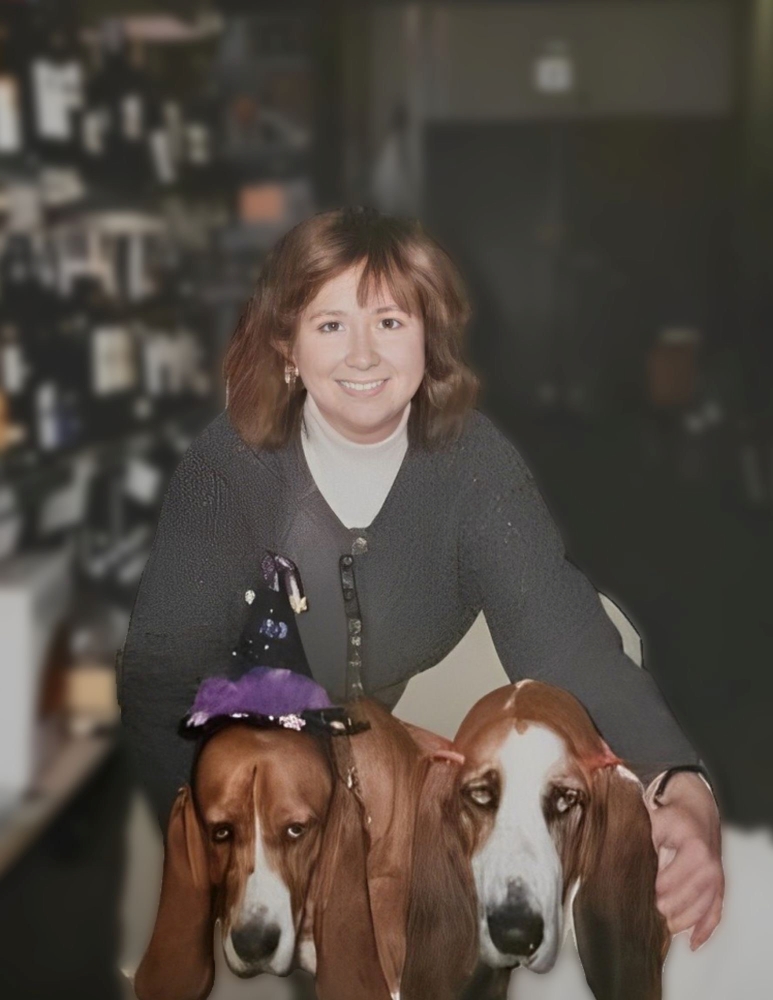
Children’s author Maryanne Wood never expected her most meaningful stories would begin with heartbreak. But when her sister became terminally ill and asked Maryanne to care for her two basset hounds, Randall and Hunter, something quietly extraordinary began to unfold.

Randall and Hunter weren’t just pets. They became emotional anchors during a time of grief, offering comfort, companionship, and unexpected lessons in strength. After moving from California to Maryanne’s home in Vermont, the dogs adjusted to new people, colder seasons, and unfamiliar surroundings. Their calm resilience was striking. It was in those quiet moments, watching them find joy again, that the seed of a children’s book series began to grow, and now the Randall & Hunter Go with the Flow series is a reality.

A Quiet Nudge from Beyond

Though Maryanne had long wanted to become a published author, it wasn’t until after Randall passed away that the idea became something more than a wish. During a meditation, she experienced a moment of deep clarity. She felt Randall’s presence encouraging her to tell their story, not just for herself, but for others who might need it.

That moment became the starting point for a heartfelt journey. Today, Maryanne is the author of a self-published three-book series based on the real-life adventures of Randall and Hunter. The books, written for children ages 4 to 8, explore themes of emotional resilience, adaptation, and love through the experiences of the two dogs who changed her life.

“Whenever I thought about Randall and Hunter’s adaptability, what came to mind was going with the flow,” says Maryanne. “I decided to use these words of encouragement throughout all three books. Randall reminds Hunter that they are adaptable Basset Hounds who go with the flow, like the river to the ocean.” “I think this is a great metaphor for life, no matter what age you are.”

Helping Families Talk About Big Feelings

What makes these books so impactful isn’t just the charming illustrations or the sweet animal antics. It’s the emotional foundation behind every story. Each book offers children and their families a safe and gentle way to talk about the difficult parts of life—whether it’s the loss of a loved one, moving to a new place, or learning to live with a disability.

One particularly moving story comes from Book 2, where Hunter loses his eyesight. Despite the sudden shift, he continues to do the things he loves, including leaping up onto the family recliner for a sniff of coffee, something he’d done every morning before going blind. That moment, small as it seems, becomes a powerful lesson in faith, trust, and courage. It reminds children that even when life changes in unexpected ways, joy and independence are still possible.

A Message That Resonates Across Generations

Maryanne brings a unique voice to the world of children’s literature. As a retired professional dog trainer and lifelong animal lover, she understands canine behavior and body language in a way that adds depth and realism to every page. But what truly sets her stories apart is their emotional honesty. Children relate naturally to animals, and these stories use that connection to open the door to important conversations.

Parents who read the books aloud often find themselves just as moved as their kids. The stories don’t shy away from difficult topics, but they approach them with warmth, humor, and grace. They offer comfort, not just to children, but to families as a whole.

How Maryanne Wood's Gift from Her Dying Sister Sparked a Legacy of Healing Stories for Children

Photo Courtesy: Maryanne Wood

A One-Woman Mission with a Big Vision

As a self-published author, Maryanne wears many hats. Writing comes naturally to her, but marketing the series and reaching new readers requires both persistence and creativity. She manages everything herself, from author events and social media to community outreach. Her goal is clear: to put these books in the hands of children who might benefit from them most.

She hopes one day to see the series in homes, classrooms, and libraries across the country. While the books may have started as a tribute to the dogs her sister left behind, they’ve grown into something far more enduring: a legacy of love, resilience, and healing.

If you’re looking for a story that could touch your heart and help your child feel braver, these books may be just the thing. You can learn more or purchase copies at www.maryannewood.com.

A gift of two dogs became a gift for countless children—and the stories are only just beginning.

Sabahattin Tenikeci: A Powerful Journey of Hope, Struggle, and Resilience

By: Ethan Rogers

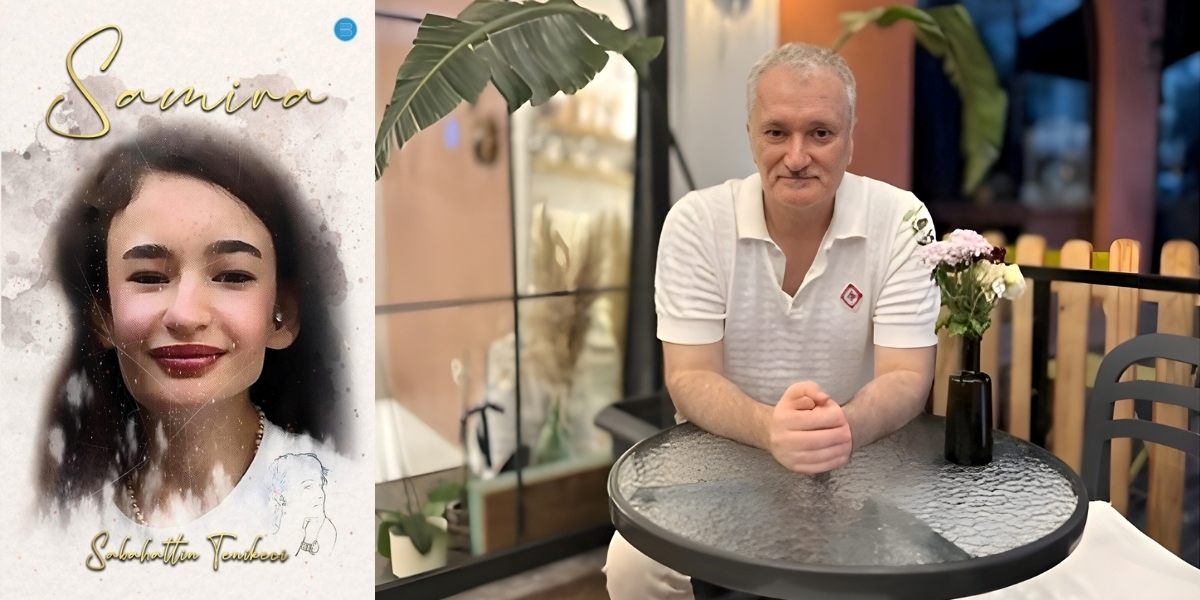
BlueRose Publishers is happy to announce the book release of Samira, written by Sabahattin. The book is beautifully curated for the readers, important for awareness, especially for the motivation of disabled people.

Sabahattin Tenikeci, a 57-year-old author from Adana, Turkey, has taken a bold and heartfelt step into the world of literature with his debut book, Samira. Written as a deeply personal biography, the book sheds light on the life of Sabahattin, his wife, and their daughter—a story marked by struggle, hope, tears, and the unwavering will to survive against overwhelming odds.

A Story Born from Real Life

Born in Adana in 1968, Sabahattin pursued his education in Ankara Literature, and his linguistic abilities span English and German, allowing him to connect with a broader audience. His professional life as a consultant in the import and export business had kept him engaged in the corporate world. However, the personal challenges he faced became the foundation of his literary journey.

Samira is not just a story of struggle; it is a testament to resilience in the face of life’s harshest realities. Sabahattin’s decision to write this book was motivated by the desire to leave something meaningful behind—a legacy that speaks of perseverance, love, and the importance of awareness, especially for disabled people.

He reveals that he had planned to start writing five years ago, but life had other plans. His wife’s illness forced him to postpone the project. Yet, through this delay, the story only gained depth, carrying more of his lived experience, pain, and hope. The hardships faced by his wife and daughter, particularly their battles with severe diseases, became the central narrative of Samira.

Themes of Hope and Struggle

At its core, Samira is a biography interwoven with raw emotions and hard truths. It speaks of hope amid despair, happiness amid tears, and the constant struggle to rise above adversity. Sabahattin writes candidly about the struggles of raising a daughter with disabilities while caring for a sick wife, all the while striving to maintain stability in life.

The book emphasizes the importance of never giving up, even when the weight of disease threatens to crush one’s spirit. Sabahattin strongly believes that no matter the challenges people face, particularly serious illnesses, hope should never be extinguished. His story serves as a beacon to others experiencing similar trials, encouraging them to keep moving forward.

Moreover, Samira also reflects on broader social themes, such as the importance of education, disability awareness, and the value of compassion in society. Sabahattin hopes his book becomes a tool to raise understanding and empathy for families facing similar challenges, reminding readers that they are not alone.

Reflections on Love and Legacy

Sabahattin’s writing is deeply personal, yet universal in its appeal. He touches upon love—not just romantic love, but the love that forms the very foundation of family. He reflects on how love begins, how it grows, and at times, how it is tested by life’s most difficult moments.

He candidly recognizes that time inevitably moves forward and that, when our time comes, we may be forgotten. But through writing, we leave behind something permanent—a legacy that inspires, educates, and supports those who come after us. This philosophy becomes the driving force behind Samira, transforming personal pain into collective strength.

A Warm Response

The reaction to Sabahattin’s book has been overwhelmingly positive. He describes receiving kind comments and messages from readers as “very exciting.” It fills him with pride and a sense of accomplishment, knowing that his words have touched others, providing comfort and motivation.

Samira is available for readers on Amazon, standing as a powerful narrative of hope, courage, and survival. Sabahattin Tenikeci’s journey shows us that even in the darkest chapters, light can be found, and that writing is not just about telling a story—it’s about creating a legacy that empowers generations to come.

Available now on: https://www.amazon.in/dp/9371393874 

Momentary: When Love Is Both Legendary and Brief

Taylor Townsend Bohl’s Momentary is a novel that does not simply tell a love story; it invites readers into a meditation on life’s fleeting beauty and the ways love can transcend even death. It is a work that lingers in the heart because it speaks to universal human longings: the desire for more time, the hope to reach across the veil of loss, and the quiet belief that love once given may never truly fade.

The novel follows Rowan Preston, a witch born into a family where prophecy is woven into everyday life. From an early age, Rowan knows that destiny may test her; that she could love with extraordinary depth but also face inevitable heartbreak. Despite this foretelling, she embraces life, finding joy, purpose, and, eventually, a soulmate in James Kelly. Their love is described with warmth and reverence, built on laughter, shared dreams, and the ordinary rhythms that make relationships meaningful. Yet their time together is cut short, and Rowan is left a widow, grappling with both memory and prophecy.

Where many stories might lean into tragedy, Momentary instead grows in depth. Rowan refuses to let grief silence her spirit. Her journey becomes one of searching for meaning, healing, and seeking a way to feel James’s presence once more. Through her late mother’s diaries, family magic, and her own resilience, Rowan begins to explore the boundaries between life and afterlife. The novel carries her between worlds; between Tennessee, New Orleans, and Scotland; between past, present, and the shadowed space where love and memory intertwine.

What sets Taylor Townsend Bohl’s storytelling apart is the unflinching honesty with which she writes grief. Rowan’s loss is not softened or rushed. Instead, it is depicted as a constant companion; sometimes heavy, sometimes strangely tender. Readers see the widow, the healer, the daughter, and the witch, all facets of a woman carrying love and sorrow at once. Her pain feels intimate and authentic, but so does her determination to keep going. In Rowan’s story, readers are reminded of their own deepest losses and the longing for one more embrace, one more laugh, one more whispered word of affection.

Yet Momentary is not a book of despair. Woven into Rowan’s grief are threads of light: the loyal companionship of her two corgis, the comfort of friendships that bring laughter back into her days, and the ancestral guidance hidden in her mother’s journals. Even the places she inhabits carry healing potential. The Tennessee farmhouse she inherits, her magical family home in New Orleans, and the Scottish estate of her lineage are more than settings; they breathe history, magic, and belonging. Each place reflects her emotional state and her journey of rediscovery.

Bohl’s writing is steeped in atmosphere. Folklore, witchcraft, and ancestral memory color Rowan’s path, but these elements never overshadow the emotional core. Instead, they illuminate it, giving the story a mystical resonance while remaining deeply human. The supernatural is not a distraction; it serves as a language through which Rowan makes sense of her grief and her hope.

At its heart, Momentary asks a profound question: can love be both legendary and brief? Bohl suggests that it can. Love does not need endless years to be enduring. It may be momentary in the physical sense, yet its influence can stretch far beyond time, shaping memory, lineage, and spirit. Through Rowan’s search for connection, whether through memory, magic, or the thin space between worlds, readers are reminded that the bonds we form do not disappear. They evolve.

Bohl blends her love of storytelling with her passion for history, ancestry, and family legacy. Through her work, she explores themes of resilience, love, and the ties that transcend time.

For readers, Momentary is both cathartic and uplifting. It acknowledges the raw pain of loss while also offering the reassurance that love persists, even when life feels unbearably short. It is at once haunting and hopeful, tender and unflinching. Taylor Townsend Bohl has crafted more than a novel; she has created an experience that reflects the endurance of the human heart.

Momentary by Taylor Townsend Bohl is now available on Amazon, inviting readers everywhere to experience its tender and haunting journey of love and resilience.