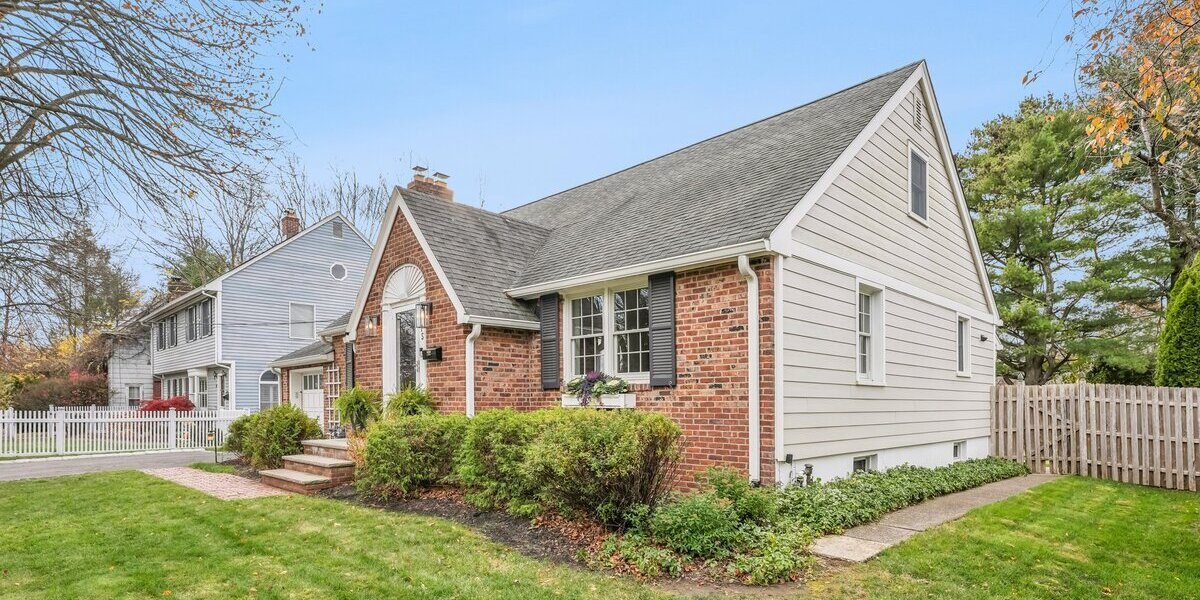

Read national real estate coverage right now, and the story sounds like stagnation, elevated rates, sluggish sales, and inventory piling up in certain metros. That narrative is accurate for some markets. It describes virtually nothing about what is happening in the cluster of communities surrounding Madison, New Jersey. Scott Spelker of The Spelker Team tracks this market daily and says homes here do not sit. They do not even get the chance.
What the Numbers Actually Look Like
The supply shortage in Madison is not a temporary condition; it has been deepening for years. At any given moment, active inventory hovers around 10 to 11 listed homes. A decade ago, during the spring selling season, that same figure might have been 40 to 50. In the softer pre-COVID years, it reached 70.
A typical listing in this market goes live on a Thursday. A broker open runs Thursday mid-morning, allowing agents to preview the property for their buyers. Showings continue through Friday. Saturday and Sunday bring open houses and additional private appointments. By Monday, conversations between agents are flowing. By Tuesday, offers are due. Within five or six days of hitting the market, a well-priced, well-prepared home has already generated its entire competitive bidding event, and the outcome is largely determined.
The numbers that come out of this process are not modest. One property drew 41 offers and 110 showings. Another attracted 20 offers across 45 showings. A third received 11 offers. These are not outliers engineered by unusual circumstances. They reflect the operating reality of a supply-constrained, high-demand suburban corridor.
Why National Data Misleads Local Buyers and Sellers
The disconnect between national real estate coverage and conditions in specific submarkets is a genuine problem for people trying to calibrate their expectations. National data aggregates markets that include places where pandemic-era demand has normalized, where new construction has added supply, and where price appreciation has stalled or reversed.
None of that applies to the five- to ten-mile radius around Madison. This area draws buyers from Manhattan and Jersey City, making a permanent transition to suburban life, not a temporary relocation experiment. It offers top-tier school districts, a commutable distance to New York City, and a housing stock that rarely turns over. Families who move here tend to stay for decades.
The result is a market that behaves more like a tight allocation problem than a standard supply-and-demand cycle. When 18 homes are under contract, and only 11 appear as active listings, buyers who perceive “no inventory” are not wrong, not because homes are absent from the market, but because they are selling faster than the data refreshes. A home that went live on Thursday and is under contract by Wednesday may briefly show as available on consumer-facing portals before the status change catches up.
What This Market Means for Buyers
Buyers entering this environment need to understand that the standard home-search approach, browsing listings at leisure, requesting a showing at a convenient time, and taking a few weeks to deliberate, does not work here. By the time a casual inquiry converts to a serious offer, the property is likely under contract.
Preparation matters more than timing. Being fully pre-approved, knowing what you want before you need it, and being ready to move within 48 to 72 hours of a listing’s debut are baseline requirements. The buyers who get homes are the ones who show up ready. Those who want to think it over for a weekend find out Monday morning that 19 other people felt the same urgency, but they did not act on it.
Waiting for less competition is not a viable strategy in this corridor. The competition here is structural, not cyclical. It will not ease meaningfully until supply fundamentally changes, and there is little indication of that happening in the near term.
What This Market Means for Sellers
The conditions favor sellers almost regardless of a home’s current condition. Buyers operating in a severely supply-constrained environment are willing to overlook cosmetic deficiencies that would have been deal-killers in a balanced market. The urgency of competition overrides the pickiness buyers can afford when they have real choices.
That does not mean preparation is irrelevant. A well-prepared home in this market does not just sell, it sells for measurably more and generates a deeper field of competing offers. But the floor is higher than sellers sometimes assume. If circumstances prevent a full pre-listing renovation, the market will still respond. It just will not reach the ceiling it might otherwise hit.
The most consequential decision for sellers is not whether to prepare the home, but whether to expose it to the open market at all. Pocket deals and off-market transactions surrender the one structural advantage this environment provides: genuine, competitive, price-discovering demand. In a market where 20 buyers want the same house, selling to the first one who arrives is one of the more costly decisions a homeowner can make.
The Inventory Picture Going Forward
Nothing in the current data suggests the spring market will behave differently from the past several years. Demand from buyers relocating from higher-density areas remains steady. The rate environment has reduced some discretionary moves, keeping existing homeowners in place and further tightening supply. New construction in these established communities is limited by zoning, available land, and the pace of permitting.
The towns that make up this corridor, including Madison, Chatham, Summit, Short Hills, Harding Township, and Morris Township, are not going to suddenly produce 60 new listings in a single spring season. The competitive dynamics are deeply embedded. Buyers who understand that and position themselves accordingly will navigate the market more effectively than those who arrive expecting conditions that exist somewhere else.
About the Expert: Scott Spelker is a real estate agent with Coldwell Banker Realty based in Madison, NJ. A former Wall Street foreign exchange professional, he has spent over a decade helping buyers and sellers navigate one of New Jersey’s most competitive suburban markets alongside his wife and business partner, Amy Spelker.
Disclaimer: This article is based on information provided by the expert source cited above. It is intended for general informational purposes only and does not constitute legal, financial, or real estate advice. Readers should conduct their own research and consult qualified professionals before making any real estate or financial decisions.