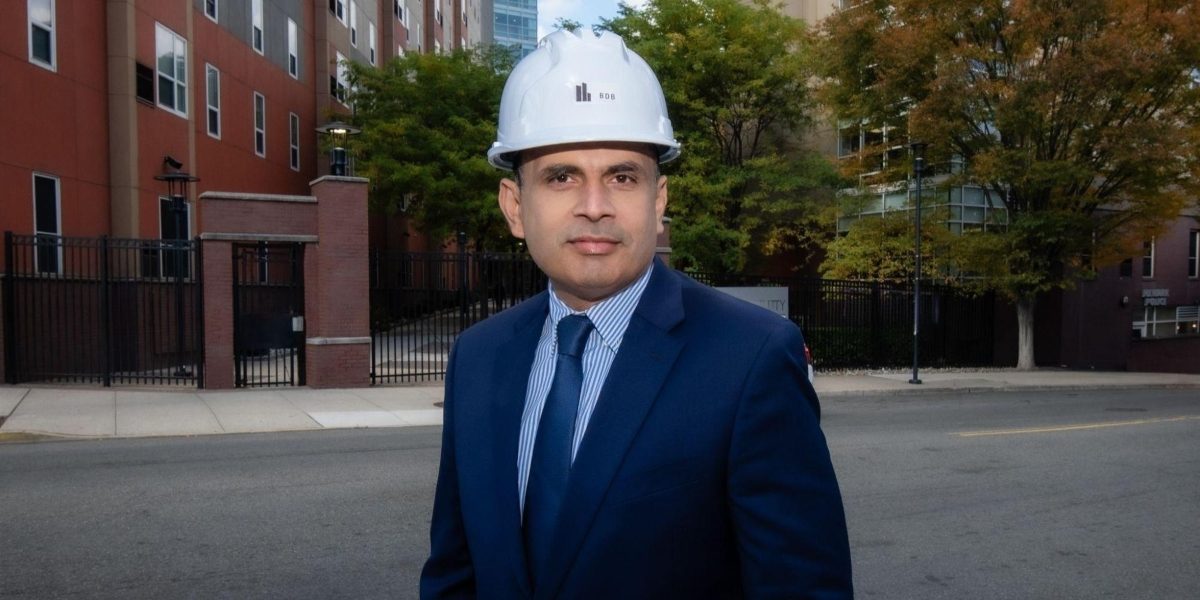

By: Matt Emma
On July 7, reports of bricks falling from 235 East 42nd Street in Manhattan prompted an emergency response after construction workers observed structural columns buckling inside the 37-story building. Nearby buildings were evacuated as officials assessed the situation, and no injuries were reported. For Tallal Bhutta, CEO of BDB Construction Enterprise, the incident raises questions about how structural reinforcement, construction sequencing, and inspection timing can work together. He suggests that stronger coordination between these stages could offer a useful path for reinforcing safety practices as the city continues to adapt its existing buildings.
Bhutta’s perspective comes from a career spanning field construction, project management, structural engineering, and general contracting. His experience includes working with existing structures where conditions can differ from original drawings and where modifications may be required for new load considerations.
His firm’s work in building conversions and renovations has given him particular exposure to structural modifications, unforeseen site conditions, code compliance, and the scheduling decisions that determine when one construction activity can safely follow another. “A structural modification project is a sequence of milestones,” Bhutta says. “The safest project schedule gives every critical decision its own point of verification before the next load is introduced.”
That principle becomes particularly relevant in a city where vertical construction and adaptive reuse are expanding the possibilities for existing buildings. Converting an older commercial property into residential space can involve new layouts, mechanical systems, floor modifications, and, in some projects, additional stories. Each change can affect how loads travel through a building. Bhutta believes the regulatory framework could place greater emphasis on documenting those transitions as they occur, with structural milestones receiving the same scheduling discipline as other major project activities.
His concern focuses especially on the timing of inspections. Bhutta points to practical constraints, including staffing demands and the role of licensed third-party special inspection agencies in structural work. In his view, the inspection system could benefit from clearer time-based requirements for structural stability. Bhutta notes that current special inspection documentation identifies categories such as structural stability, masonry, concrete, insulation, and electrical work. Yet he argues that the process could provide more explicit sequencing requirements for critical structural activities.
“Inspection has its greatest value when it is performed at the right time,” Bhutta says. “The special inspection agency assigned to the project must sign off on reinforcement of the existing structure before additional loads are added.”
That idea would also place inspection directly into the general contractor’s master schedule. Bhutta proposes mandatory structural hold-points tied to dependent activities, giving inspectors defined windows to verify reinforcement before subsequent work proceeds. He also advocates identifying structural tasks that require complete execution before the next phase begins, creating a clearer distinction between work that can be performed incrementally and work whose partial completion could affect structural performance.
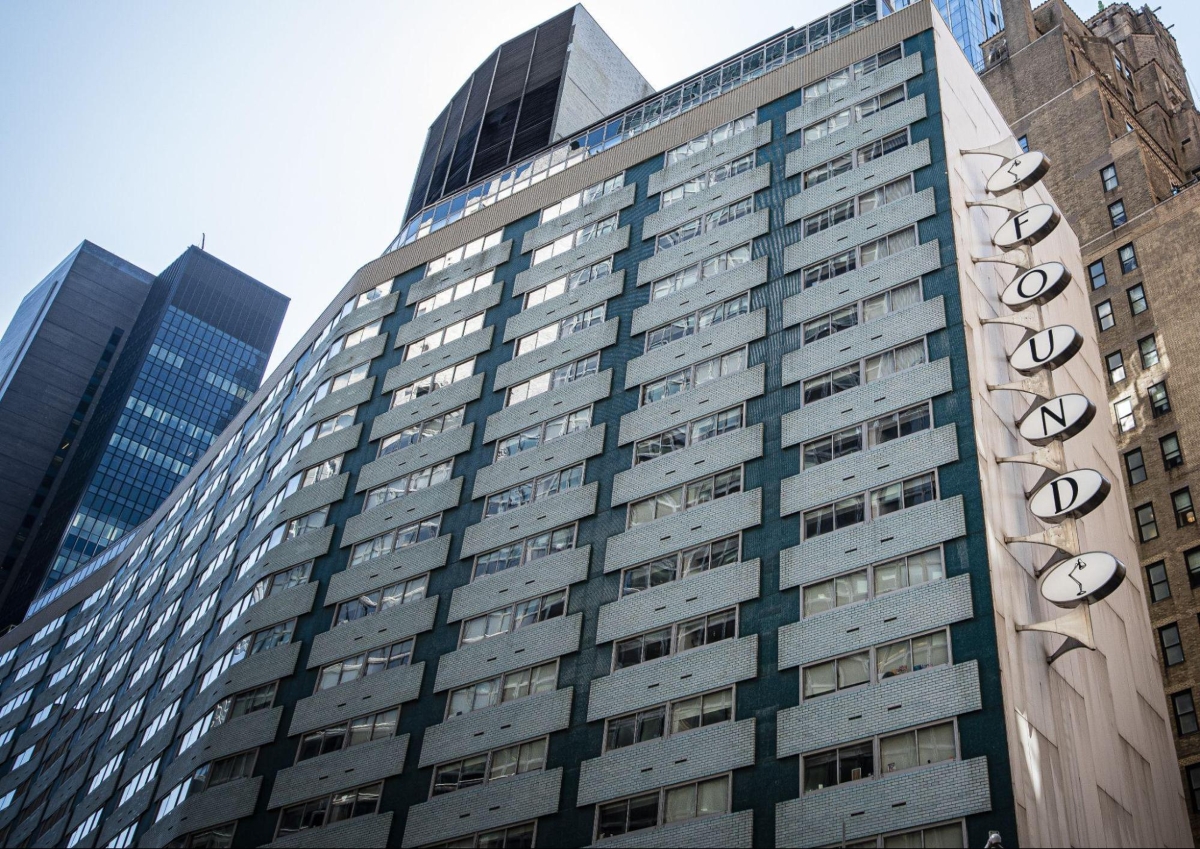
The broader regulatory conversation is already developing around the 42nd Street incident. In August, it was reported that the first phase of a safety sweep was completed, covering 180 job sites connected to the project team. No immediate public safety concerns were reported at those sites, and investigators found no evidence that the incident was inherent to office‑to‑residential conversions. According to Bhutta, there is a need for change in regulation that illustrates the value of examining construction safety through a systems perspective, where design, field execution, inspection, and scheduling are considered as interconnected stages.
His experience in conversion projects informs that view. Bhutta began his construction career in the 1990s in masonry and waterproofing before earning degrees in civil engineering, structural engineering, and construction management. He later expanded his practice into general contracting and complex renovation and conversion projects. That combination of field experience and formal engineering education has led him to focus on the points where drawings, site conditions, schedules, and regulatory requirements meet.
For Bhutta, regulatory reform therefore represents an opportunity to make structural verification more visible within the construction process. Mandatory, timed sign-offs could be connected to specific load-bearing milestones, while general contractor schedules could identify inspection hold-points before subsequent structural work begins. Such measures, in his view, could create a more traceable chain between engineering intent and construction execution.
“Public safety begins long before a building is occupied,” Bhutta says. “It begins with the discipline to verify each structural transition at the moment that transition matters.”
As New York continues to add housing, repurpose commercial properties, and build upward, Bhutta suggests that its regulatory framework can evolve alongside those changes. For him, the lesson from 42nd Street is ultimately about coordination: structural safety depends on design, construction, inspection, and regulation communicating through a clearly defined sequence. Strengthening that sequence could give New York another practical tool for managing the complexities of vertical growth.
Disclaimer: This article is for informational purposes only. The views and opinions expressed are those of the individuals featured and do not constitute legal, engineering, regulatory, or professional advice.