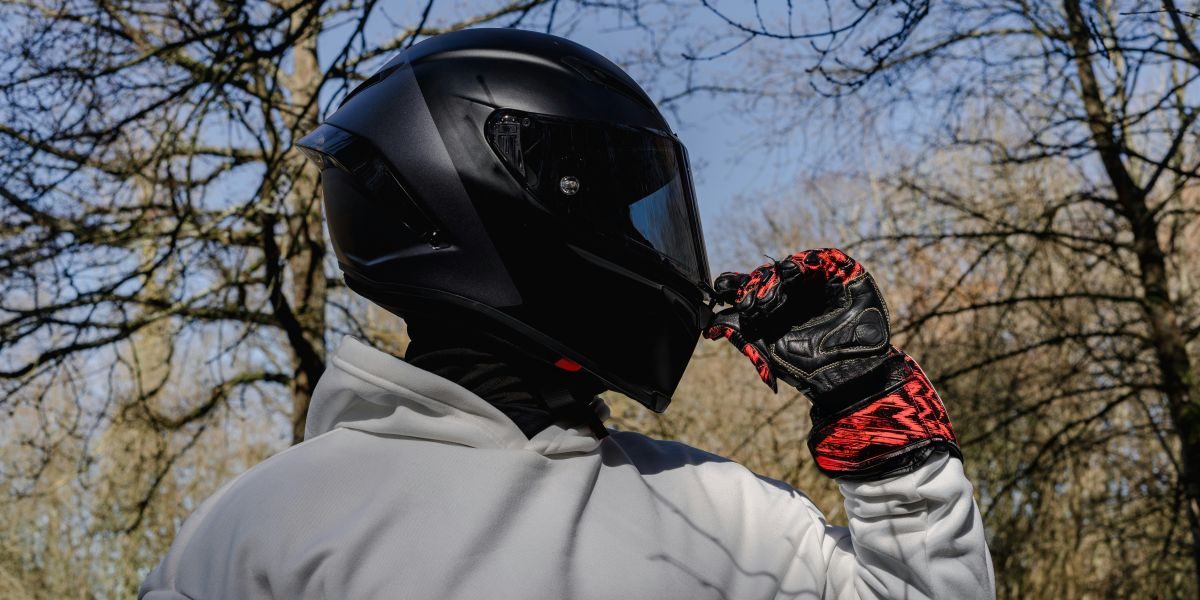

Texas gives adult riders a choice. You can ride without a helmet if you meet certain conditions. That kind of freedom is what makes Texas roads so appealing to bikers. But freedom on the road does not mean freedom from consequences inside a courtroom. When an accident happens and injuries are involved, the helmet question comes up fast, and it matters more than most riders expect.
This blog breaks down how Texas helmet laws actually work, who has to wear one, and what happens to your injury payout when the other side finds out you were not wearing one. No legalese, just straight talk.
Texas Helmet Rules: Who Has to Wear One?
In Texas, all riders under the age of 21 must wear a helmet. No exceptions. If you are 21 or older, you have options. You can legally ride without a helmet if you have either completed an approved motorcycle safety course or carry health insurance that covers motorcycle accident injuries. The law does not require you to prove either of those things at the time of the crash. You may be asked about it later, though, if a lawsuit follows the accident.
Quick note: Even if you legally qualify to ride helmet-free, insurance adjusters and defense attorneys will still ask about it during a claim. Being legal does not mean being protected.
Comparative Fault: Texas Splits Blame
Texas uses a system called modified comparative fault. What this means is that if both parties share some blame for what happened, the payout gets split accordingly. Your compensation gets reduced by your percentage of fault. If a jury says you were 20% responsible for your own injuries, you get 20% less money.
Here is where the helmet becomes a problem. The defense often argues that riding without a helmet made your injuries worse. They are not saying you caused the crash. They are saying you made the damage to yourself more severe by choosing not to protect your head. That argument, if it sticks, increases your percentage of fault.
Texas law allows this line of reasoning. A judge or jury can consider whether not wearing a helmet contributed to the severity of a head or brain injury. If they agree, your payout drops.
What Injuries Are Actually Affected?
Not every injury in a motorcycle accident is tied to helmet use. If you broke your arm, fractured your collarbone, or suffered spinal injuries, the defense cannot reasonably blame that on your helmet choice. Those injuries happen regardless.
Head and brain injuries are a different story. If you suffered a traumatic brain injury, a skull fracture, or serious facial trauma, the defense will absolutely point to the missing helmet. They will bring in medical experts to argue that a helmet would have prevented or reduced those specific injuries. That testimony can shift the numbers against you significantly.
A skilled attorney will push back by showing the nature of the crash, the speed involved, and whether a helmet would have realistically changed the outcome. That pushback matters, which is why legal representation is so important in these cases.
How a Lawyer Can Still Protect Your Payout
A strong legal team can challenge the fault percentage assigned to you. They can argue that even with a helmet, the same injuries would have occurred, given the force of the impact. They can bring their own medical experts. They can shift focus back to what the other driver did wrong: speeding, running a red light, failing to yield.
For experienced help with a motorcycle injury claim in Texas, Zinda Law handles these cases and understands how helmet arguments play out in Texas courts. Having someone in your corner who understands how insurance companies use the helmet issue, and how to respond to it, can be an important factor in how a claim is handled.
Steps to Take Right After a Crash
What happens in the hours after the accident shapes the entire claim. Getting medical attention right away is important, even if injuries do not feel serious. Head injuries are not always obvious, and a documented medical visit creates a record that supports the claim later.
Speaking to the other driver’s insurance company without a lawyer can affect a case. Statements can be used to argue the rider’s share of fault. Allowing an attorney to handle that communication from the start helps protect the case.
Scene documentation also matters. Photos of the road, the bike, the gear, the other vehicle, and any visible injuries all support the case. Witness contact information helps build the foundation before memories fade and evidence disappears.
One More Thing Worth Knowing
Even if the fault percentages are not in your favor right away, settlements are negotiable. Insurance companies make opening offers that rarely reflect the true value of a case. A lawyer who knows Texas motorcycle law can evaluate the case on its merits and advocate for a figure that reflects the full picture, rather than the adjuster’s opening offer.
Riding without a helmet in Texas is a personal choice permitted by law under certain conditions. Just know that choice follows you if you ever have to fight for fair compensation after an accident.
Frequently Asked Questions
Q1: Do I have to wear a helmet while riding a motorcycle in Texas?
Yes, if you are under the age of 21, you must wear a helmet. If you are 21 or older, you can ride without a helmet if you have completed an approved motorcycle safety course or carry health insurance that covers motorcycle accident injuries. Zinda Law Group notes that even when not legally required, wearing a helmet is still strongly recommended to reduce the risk of serious head injuries in a crash.
Q2: How does not wearing a helmet affect my motorcycle injury payout?
If you are involved in an accident and are not wearing a helmet, the defense may argue that your injuries were made worse by that choice, potentially increasing your percentage of fault. This could result in a reduced payout under Texas’s modified comparative fault system.
Q3: What types of injuries can be attributed to not wearing a helmet?
Head and brain injuries, such as traumatic brain injuries or skull fractures, can be directly linked to not wearing a helmet. The defense may argue that these injuries would have been less severe or prevented entirely with a helmet.
Q4: What should I do immediately after a motorcycle accident in Texas?
Seeking medical attention right away is important, even if you feel fine. Documenting the scene with photographs and gathering witness contact information also helps. Communicating with the other driver’s insurance company without a lawyer present can affect a case, as statements may be used against the rider.
Disclaimer: The information in this article is provided for general informational purposes only and does not constitute legal advice. Reading this article does not create an attorney-client relationship with Zinda Law Group or any of its attorneys. Every case is different, and outcomes depend on the specific facts and circumstances involved. If you have been injured in a motorcycle accident, consult a licensed attorney in your jurisdiction for advice about your situation.