
For football fans, the World Cup has always been about the journey as much as the match. It is the shirt packed days in advance, the flight booked months before, the draw feels real, the airport queues, the flags tied around shoulders, the group chats buzzing through the night, and the nervous search for the right stadium gate before kickoff.
But at FIFA 2026, that journey will be bigger, longer, and more complicated than ever.
The tournament will stretch across the United States, Canada, and Mexico, turning the World Cup into a cross-border test not only for teams and organizers, but also for the supporters following them. Fans may land in one country, travel to another city for a group-stage match, cross borders again for a knockout game, and rely on their phones every step of the way.
That is where the hidden cost of modern sports travel can quietly creep in: roaming bill shock.
Jetpac, the travel eSIM brand, is using the run-up to FIFA 2026 to highlight a problem many traveling fans may not think about until it is too late. The company’s message is simple: supporters should sort out their connectivity before they land, not after they are standing in an airport trying to find Wi-Fi, book a ride, message friends, or work out why their data is not working.
It may not sound as dramatic as a penalty shootout, but for a fan in a new city on matchday, mobile data can decide whether the trip feels smooth or stressful.
The modern football supporter does not travel with just a passport and a match ticket anymore. Their phone now carries almost everything: hotel details, digital tickets, transport apps, maps, payment options, ride-hailing, restaurant bookings, translation tools, social media, and the group chat that keeps everyone together. When that phone loses connection, the fan experience can unravel quickly.
For FIFA 2026, this matters even more because of the scale of the tournament. A supporter may not be dealing with one destination, one SIM card, or one local network. They may be moving across multiple host cities and even multiple countries. In that kind of trip, traditional roaming can become confusing, expensive, or unpredictable.
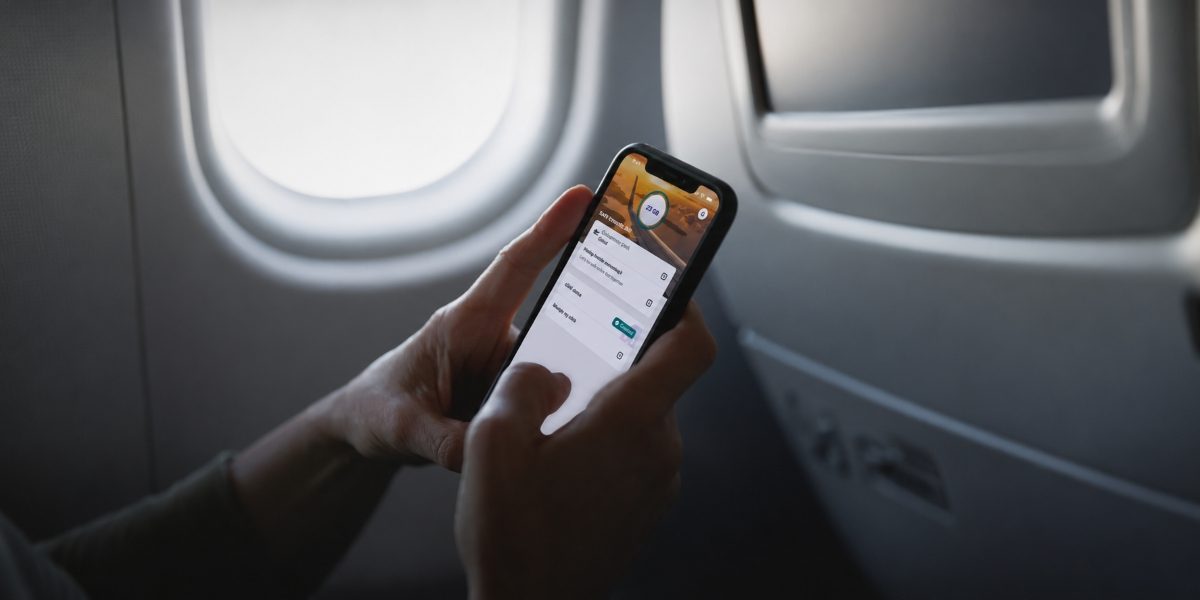
Jetpac is positioning its eSIM as a way to remove that uncertainty. According to the company, fans can install and activate the eSIM before departure, giving them a way to connect as soon as they arrive. The service offers coverage in more than 200 destinations, 4G and 5G connectivity where supported, and switching between available networks where supported. For fans moving between host cities, that kind of setup is meant to reduce the need to buy physical SIM cards or manage separate country-specific options.
The company is also highlighting features that fit the reality of a World Cup trip. These include hotspot sharing, optional voice calling packs, and continued access to essential apps such as WhatsApp, Google Maps, and Uber, even after data runs out.
That last point may be one of the most important for fans. A World Cup trip is full of moments when access to basic apps matters more than speed tests or technical claims. After a late-night match, a supporter may need to call a ride. In a crowded fan zone, they may need to message friends. At a busy airport, they may need to find a hotel shuttle. Outside a stadium, they may need maps, ticket access, or transport updates.
These are not luxuries anymore. They are part of how fans move safely and confidently through a major tournament.
The broader point is that roaming bill shock is not really a telecom story. It is a fan experience story.
Supporters spend years waiting for a World Cup. Some save for months, plan around work, coordinate with friends, and build entire trips around one fixture. They are not traveling just to be tourists. They are traveling to be part of something that may never happen in the same way again. The last thing they want is to spend that experience worrying about hidden charges every time they open a map or send a video home.
Major sporting events have become mobile-first experiences. Tickets are digital. Stadium rules are checked online. Public transport changes can be announced through apps. Friends split across different gates, fan zones, hotels, and cities depend on messaging apps to stay together. Even the emotional side of the tournament now runs through the phone, from sending a picture after kickoff to calling family after a famous win.
That does not mean fans should be glued to their screens. It means their phones need to work quietly in the background so they can pay attention to the football.
For Jetpac, FIFA 2026 is a timely stage to make that case. The tournament’s geography creates exactly the kind of travel scenario where prepaid, cross-border connectivity can feel practical. The brand is not asking fans to think about data instead of football. It argues that planning data early helps fans think less about it when the tournament begins.
That is the real value proposition: not more technology for its own sake, but less friction at the moments when fans are most vulnerable to stress.
A supporter arriving in a host city should not have to choose between switching on roaming and hoping for the best, hunting for a local SIM counter, or waiting for airport Wi-Fi just to tell friends they have landed. They should be able to step off the plane, connect, move, and get on with the trip.
FIFA 2026 will be remembered for the goals, the noise, the shirts, the flags, and the cities that turn into football capitals for a few summer weeks. But for the fans making the journey, the smaller details will also matter. A working phone, a clear route, a ride that arrives on time, a message that gets through, and a bill that does not ruin the memory afterward.
In a tournament built around movement, connection will be part of the matchday experience.
Jetpac’s message to fans is clear: beat roaming shock before kickoff, so the only surprises come from the football.