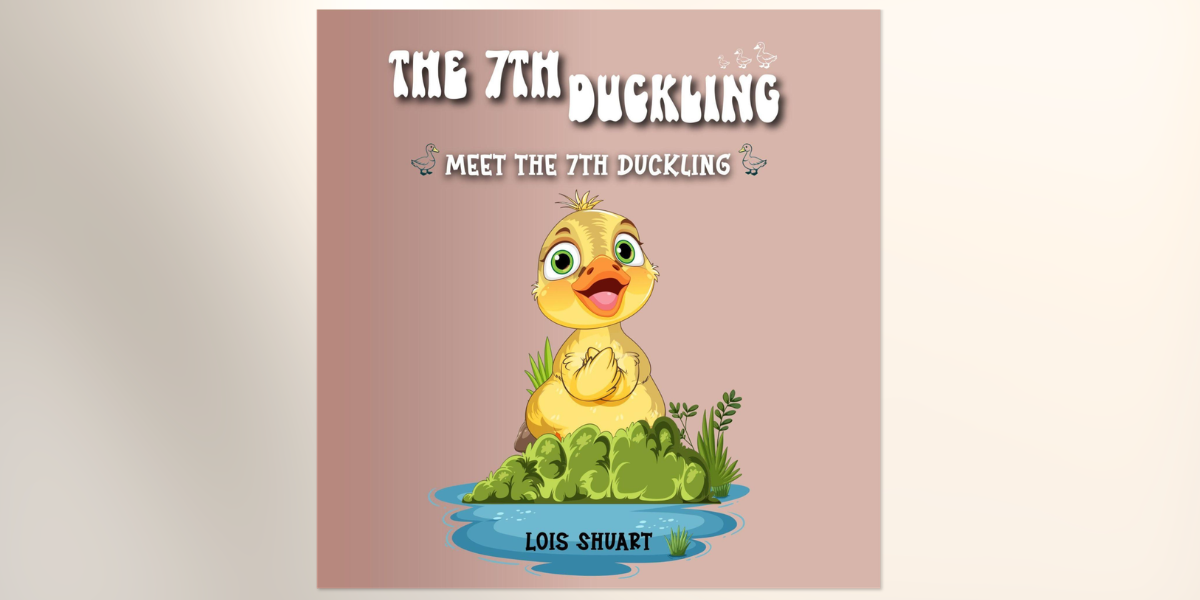

In a quiet corner of the desert, where a ranch house stands near a windmill and a pond shaded by palm trees, eight ducks wander through an open gate one Saturday morning. That simple moment launches Lois Shuart’s new children’s picture book, “The 7th Duckling: Meet the 7th Duckling.” Published in 2025, the story follows a mother duck and her brood as they settle into life on the ranch until one duckling, noticeably larger than the rest, finds herself left behind when the others move on.
Lois Shuart tells the tale in straightforward, read-aloud prose that never strains for effect. The mother duck teaches her young to swim and fish. The larger seventh duckling proves especially quick at catching fish, but when the time comes to leave the safety of the fenced pond, she cannot slip through the barbed wire like her smaller siblings. As fall approaches, she stays behind, unable to fly or even quack. The elderly ranch owners, concerned but practical, begin looking after her. They set out food, sit on the bench by the pond, and quietly debate how to help with flying lessons.
The book gently echoes the spirit of “The Ugly Duckling,” yet Lois Shuart charts her own course. There is no dramatic transformation or ridicule from the other ducks. Instead, the story focuses on patient observation and practical kindness. The elderly couple does not try to force the duckling into their world or rush her development. They simply make room for her as she is. In an era filled with high-pressure parenting books and achievement-oriented stories, this calm approach feels refreshing.
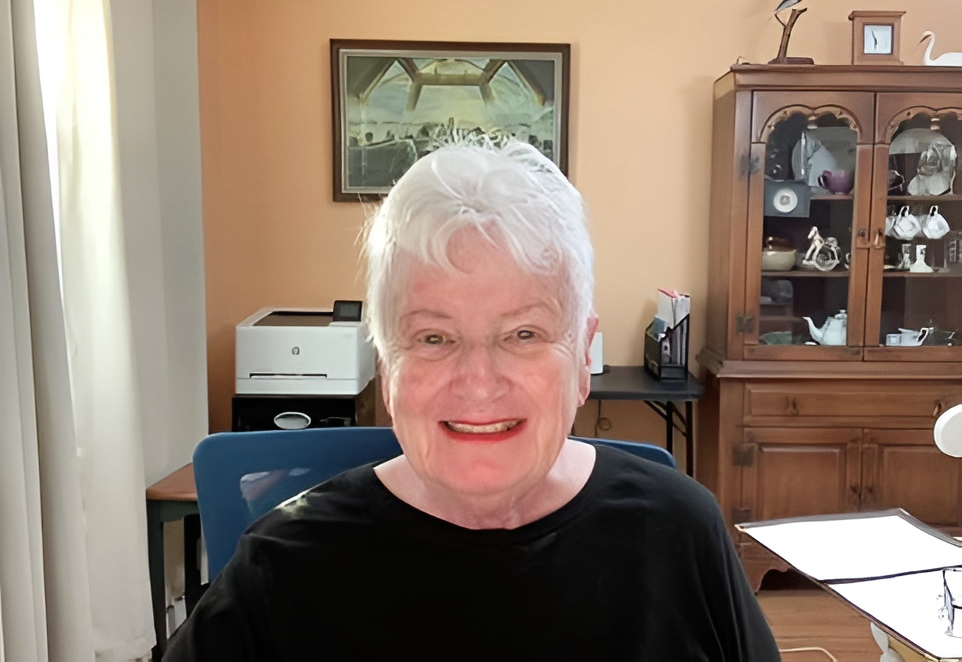
Lois Shuart brings real-life depth to the narrative. She holds a Bachelor of Arts in Education and a Master of Divinity from Lutheran Theological Seminary in Philadelphia. She taught elementary school and English as a Second Language before spending more than two decades as a solo and senior pastor. Those years shaped her close understanding of children’s inner lives. A longtime animal lover who lives with dogs and horses and welcomes the occasional wild bird that arrives at her door, she draws naturally on themes of loyalty, resilience, and care. Her hobbies of painting and spending time in nature clearly color the book’s vivid desert scenes.
The illustrations, rich with golden sand, blue water, and desert light, give the ranch a warm, lived-in feel. Readers see the couple’s dogs trotting nearby, horses in the barn, and the quiet rhythms of daily ranch life. Lois Shuart dedicates the book to her husband, Phillip J. Shuart, describing him as the love of her life and a constant source of support. She also thanks her writing teacher, Anne Helmstadter, and The Story Immersion Project for helping her bring the story to life.
At about 30 pages, “The 7th Duckling” moves at an unhurried pace ideal for young children. It avoids heavy-handed lessons. Instead, ideas about empathy, adapting to difference, and responsible care for animals emerge through the characters’ actions. The elderly woman researches proper feed at the local grain store. The couple worries about winter coming, but responds with steady concern rather than panic. These small, believable details give the book its heart.
Lois Shuart leaves the ending hopeful but open, inviting readers to imagine what comes next for the seventh duckling. The final page points families to writers-village.com for more stories. This appears to be the start of a series, and if future books match the warmth and honesty of this one, they should find a welcome place on many shelves.
In the end, “The 7th Duckling” stands out for its respect for both its young audience and its central character. It shows that being different does not mean being deficient, and that sometimes the most meaningful help looks like sitting quietly on a bench, keeping watch. For children ages 4 to 8, and the adults who read to them, this debut offers a gentle, grounded story worth returning to.
“The 7th Duckling” is available on Amazon. More information about Lois Shuart and her work is available at writers-village.com.