
For some children, a routine visit to the dentist can be much more complicated than simply sitting in a dental chair and opening their mouth. Young children may struggle to remain still for extended procedures, while others experience significant dental anxiety, sensory sensitivities, developmental conditions, or medical needs that make conventional office-based dentistry difficult.
For these patients, the question is not simply where to receive dental treatment, but whether the environment, dental team, anesthesia services, and surgical facilities are equipped to manage their particular needs.
In Glendale, Queens, EMU Health has developed a specialized pediatric dental program focused exclusively on dental treatment performed under general anesthesia. The program is designed for children who cannot comfortably or safely undergo traditional in-office procedures and for patients who require extensive dental treatment in a controlled medical environment.
The approach provides another option for families dealing with challenging pediatric dental cases, particularly when multiple procedures may need to be completed during one surgical visit.
Why Some Children Need Specialized Dental Care
Most children can receive routine examinations, cleanings, fillings, and other dental services in a conventional dental office. However, not every child responds to dental treatment in the same way.
A young patient may have difficulty cooperating because of age, fear, anxiety, sensory sensitivities, developmental or cognitive disabilities, autism spectrum disorder, behavioral conditions, or complex medical needs.
Other children may have extensive tooth decay requiring several procedures. Trying to complete multiple treatments during separate traditional appointments can be difficult for both the child and family.
EMU Health specifically identifies children who cannot undergo traditional in-office procedures as part of the population its pediatric dental general-anesthesia program is designed to serve. The facility also states that it treats pediatric and adult patients with special needs when a hospital-level environment is required.
The Role of an EMU Pediatric Dentist in Queens
The EMU Pediatric Dentist Queens program focuses on specialized dental care under general anesthesia rather than attempting to make every patient fit a conventional dental-office model.
According to EMU Health, pediatric dental procedures are performed by board-certified pediatric dentists in a dedicated surgical setting with anesthesia and nursing support.
This model can be particularly relevant when a child needs substantial restorative treatment or cannot tolerate conventional dental procedures.
The goal is not simply to make treatment easier. A controlled environment can allow the dental team to concentrate on completing the necessary treatment while the child is under general anesthesia and medically supervised.
Treating Extensive Tooth Decay
Tooth decay remains one of the most common reasons children require dental treatment.
When decay is identified early, treatment may be relatively straightforward. More advanced cavities, however, can affect multiple teeth and may require more extensive restorative or surgical care.
EMU Health’s pediatric dental information describes several treatment approaches for severe decay, including:
- Pulp therapy
- Tooth extractions
- Stainless steel crowns
- Comprehensive restorative treatment
Pulp therapy can be used when infected tissue inside a primary tooth needs to be removed while an effort is made to preserve the tooth. When a tooth is too extensively damaged to save, extraction may be considered. Stainless steel crowns can be used to protect and restore teeth following treatment for significant decay.
The appropriate treatment depends on the child’s dental condition and the dentist’s clinical assessment.
Why General Anesthesia May Be Considered
General anesthesia is not necessary for every pediatric dental patient.
For certain children, however, it can provide a way to complete required dental treatment when traditional approaches are not practical.
EMU Health describes its program as being intended for children with extensive dental needs, children unable to tolerate in-office procedures because of age or anxiety, and patients with special healthcare needs.
The decision to use general anesthesia is a medical and dental decision that should be made following an appropriate evaluation. Parents should discuss the child’s medical history, dental condition, previous experiences, and treatment requirements with the pediatric dental team.
A Surgical Environment Designed Around Pediatric Dental Care
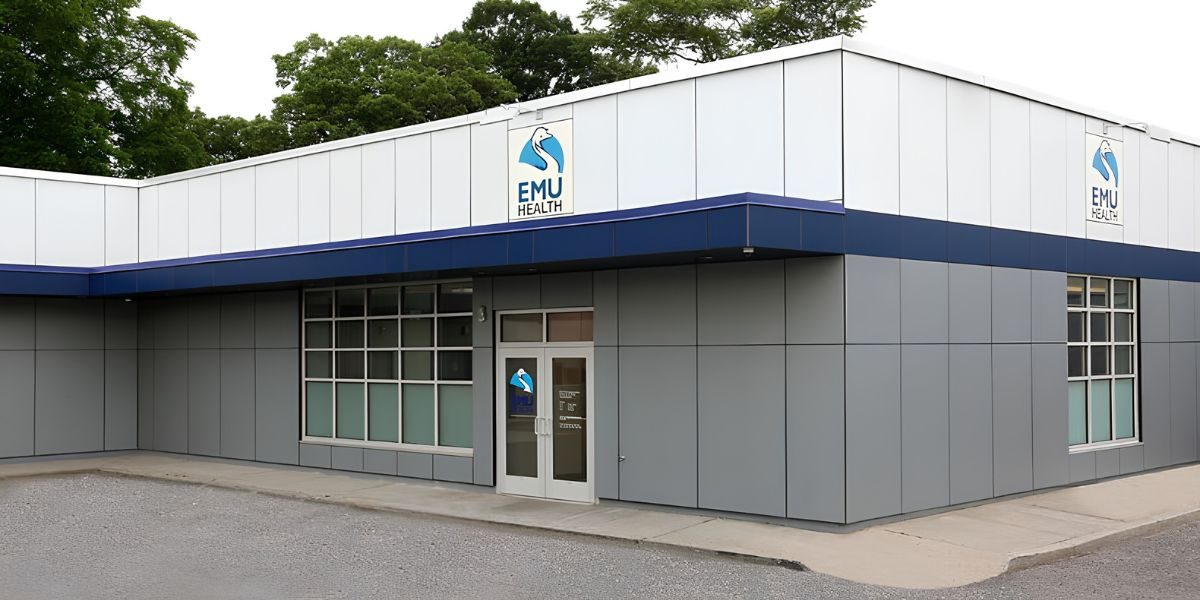
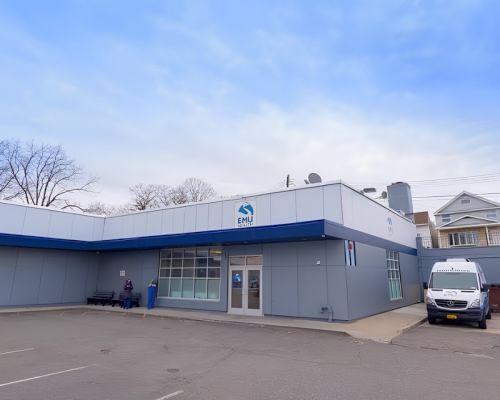
One of the distinguishing aspects of EMU Health’s model is that pediatric dental procedures under general anesthesia take place within its Article 28 Ambulatory Surgical Center.
The center is located at 83-40 Woodhaven Boulevard in Glendale, Queens, New York, and EMU Health identifies the facility as both an Article 28-licensed center and an AAAHC-accredited ambulatory surgical center.
For families, the distinction is important because dental treatment requiring general anesthesia involves considerations beyond the dental procedure itself. An appropriate surgical environment includes anesthesia services, nursing support, surgical coordination, and medical monitoring.
EMU Health states that its pediatric dental program provides a dedicated setting with anesthesia and nursing support for these procedures.
Addressing Dental Anxiety and Sensory Challenges
A child’s reaction to dental treatment can vary considerably.
Some children become nervous when they see dental equipment. Others may find sounds, lights, smells, physical contact, or unfamiliar surroundings particularly difficult.
Children with autism spectrum disorder, developmental disabilities, cognitive disabilities, or certain behavioral conditions may have additional challenges during conventional dental procedures.
EMU Health specifically includes dental anxiety, sensory challenges, autism spectrum disorder, developmental or cognitive disabilities, and behavioral conditions among the circumstances for which its specialized program may provide care.
A medically supervised general-anesthesia approach can allow qualifying patients to receive necessary dental treatment without requiring them to remain awake throughout the procedure.
Completing Multiple Treatments Efficiently
One consideration for children with extensive dental problems is the number of procedures they may require.
A child with significant decay could potentially need treatment involving several teeth. Attempting to complete each procedure during separate conventional appointments can create repeated stress and scheduling challenges.
Treatment under general anesthesia can allow the dental team to address multiple necessary procedures during a single surgical episode when clinically appropriate.
EMU Health’s pediatric dental program emphasizes comprehensive treatment under general anesthesia and describes its approach as intended to help children receive the dental care they need in a controlled environment.
The exact procedures performed and whether they can be completed during one visit depend on the child’s individual dental and medical circumstances.
Access and Scheduling for Pediatric Dental Surgery
Access to specialized pediatric dental treatment can be another challenge for families.
EMU Health states that its program is structured to provide consultations and surgical scheduling on a short timeline, with appointments often available within days depending on circumstances.
This is particularly relevant for families whose children have significant dental problems that should not be left untreated for extended periods.
Faster access does not eliminate the need for appropriate evaluation. Instead, it can give families an additional pathway to obtain specialist assessment and determine whether treatment under general anesthesia is appropriate.
Pediatric Dental Care and Prevention
Specialized dental surgery addresses existing problems, but prevention remains an important part of children’s oral health.
EMU Health’s published educational material emphasizes preventive strategies such as appropriate oral hygiene, nutrition, healthy habits, and routine dental checkups.
For parents, this highlights an important distinction: general-anesthesia dental treatment is a specialized option for children who require it, not a substitute for routine preventive dental care.
Regular dental examinations can help identify cavities and other problems before they become extensive enough to require complex treatment.
Insurance and Access
The financial aspect of pediatric healthcare is another important consideration for families.
EMU Health states that its pediatric dental program accepts Medicaid and lists several Medicaid-managed and commercial insurance plans, including DentaQuest, HealthPlex, EmblemHealth, Blue Cross Blue Shield Commercial, Cigna, MetLife, Delta Dental, and Humana Dental Plan. The facility advises families whose plans are not listed to contact the office to verify eligibility and coverage.
Insurance participation can change, so families should confirm current eligibility and benefits before scheduling treatment.
A Team Approach to Challenging Pediatric Dental Cases
Complex pediatric dental treatment often requires coordination between several professionals.
The dentist evaluates the oral health problem and determines the necessary dental treatment. An anesthesia team manages anesthesia-related care, while nurses and surgical staff support the procedure and recovery process.
EMU Health identifies pediatric dentists including Parnian Yazdi, DMD, Liel Grinbaum, DMD, and Shalom Blobstein, DMD, within its pediatric dental program. Its published staff information identifies Grinbaum as Director of Pediatric Dentistry and Yazdi and Blobstein as Pediatric Dental Surgeons.
Dr. Blobstein’s published profile also describes training in pediatric dental care, including dental rehabilitation under general anesthesia.
What Parents Should Consider Before Treatment
Parents considering dental treatment under general anesthesia should have a detailed discussion with the child’s dental and medical team.
Important questions can include:
- What dental problems require treatment?
- Which procedures are being recommended?
- Why is general anesthesia being considered?
- Could the treatment be completed safely in a conventional dental office?
- What anesthesia-related considerations apply to the child?
- How should parents prepare before the procedure?
- What should families expect during recovery?
- Which insurance benefits apply?
A thorough consultation helps parents understand the treatment plan and make decisions based on their child’s specific needs.
A Specialized Option for Families in Queens
Pediatric dental care is not one-size-fits-all. For many children, a conventional dental office remains the appropriate environment. For others, particularly those with extensive dental needs, significant anxiety, sensory challenges, special healthcare needs, or difficulty cooperating with traditional procedures, specialized treatment under general anesthesia can provide another pathway to necessary care.
EMU Health’s program in Glendale, Queens, is structured specifically around this need. Its pediatric dental services under general anesthesia are delivered in an Article 28 ambulatory surgical setting with a dedicated pediatric dental team, anesthesia support, and nursing coordination.
Describing a child as a difficult dental patient can make the situation sound like a behavioral challenge. In reality, children who struggle with conventional dentistry may have very different reasons for doing so. Age, anxiety, sensory sensitivity, developmental conditions, medical complexity, or the sheer extent of required dental work can all make traditional treatment difficult.
A specialized approach recognizes these differences.
The EMU Pediatric Dentist Queens program provides pediatric dental treatment under general anesthesia for children who require a controlled surgical environment, including patients with extensive dental needs and special healthcare considerations. With its Glendale, Queens facility, pediatric dental specialists, anesthesia team, and Article 28 and AAAHC credentials, EMU Health offers families another option when conventional dental treatment is not suitable.
For parents, the most important step is an appropriate professional evaluation. Understanding why a child is struggling with dental treatment, and determining what environment and treatment approach are medically appropriate, can help turn a difficult dental experience into a carefully planned pathway toward better oral health.
Contributed by Dan Rose, A Local Business Guide Specializing in Pediatric Dentistry in Queens, NY. You can visit EMU Pediatric Dental Care under General Anesthesia at 83-40 Woodhaven Blvd, Glendale, NY 11385, (718) 530-1150
Disclaimer: This article is for informational purposes only and is not intended as medical or dental advice. Treatment recommendations, including the use of general anesthesia, should be determined by qualified healthcare professionals based on each patient’s individual dental and medical needs. Parents and caregivers should consult a licensed pediatric dentist and appropriate medical providers regarding diagnosis, treatment options, anesthesia considerations, and potential risks.