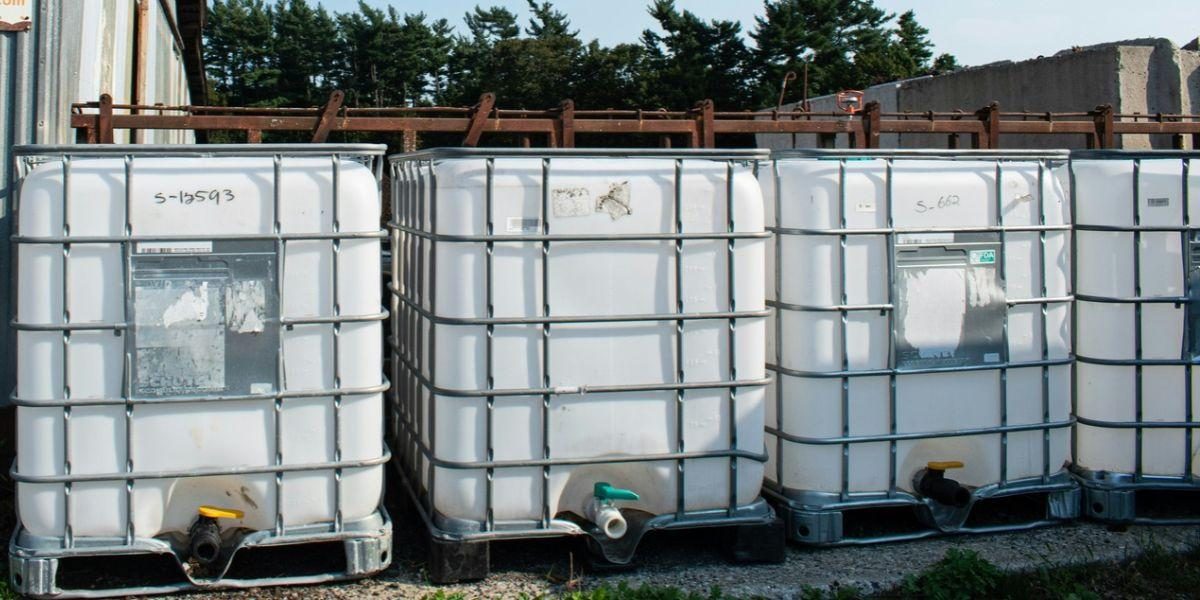

Intermediate Bulk Containers (IBCs) are widely used across industries to store and transport liquids, raw materials, chemicals, and other bulk products. Their sturdy construction and large capacity make them valuable for manufacturing facilities, warehouses, and distribution businesses. However, these containers eventually reach a point when they need to be repaired, reconditioned, or replaced. Managing them responsibly is essential for reducing waste and maintaining efficient operations.
IBC tote recycling offers an environmentally responsible way to handle used industrial containers. By recovering materials and extending the service life of suitable totes, businesses can reduce disposal requirements, conserve resources, and improve their overall waste management practices.
What Is IBC Tote Recycling?
IBC tote recycling involves collecting used containers and evaluating them for reuse, reconditioning, or material recovery. Most standard IBCs feature an inner bottle made from high-density polyethylene (HDPE), a protective metal cage, and a pallet base constructed from plastic, metal, or other materials.
The recycling process begins with determining whether a container can safely serve another purpose. Totes that remain in suitable condition may be cleaned and reconditioned for approved applications. If the inner bottle is damaged but the outer cage remains serviceable, replacing the bottle may offer a practical alternative to discarding the entire unit.
Containers that cannot be restored are dismantled, allowing recyclable materials to be separated and sent to appropriate processing facilities. This approach helps reduce waste while recovering useful resources from industrial packaging.
How Does the Recycling Process Work?
IBC tote recycling typically follows several stages to ensure that containers are managed according to their condition, previous contents, and potential for recovery.
1. Collection and Transportation
The process starts with gathering used totes from manufacturing plants, warehouses, commercial facilities, and other industrial locations. Businesses producing large quantities of empty containers can coordinate scheduled collections with recycling providers. Before pickup, containers should be prepared according to the provider’s handling and transportation requirements.
2. Inspection and Sorting
After collection, each container is assessed for damage, leaks, rust, contamination, and general structural condition. Information about the materials previously stored inside is also important because residues can affect whether a tote is safe to clean, reuse, or recycle.
3. Cleaning and Reconditioning
Containers that qualify for reconditioning undergo suitable cleaning and inspection procedures. Depending on their condition, the original inner bottle may be retained or replaced. Metal cages and pallet bases can also be reused when they satisfy the relevant safety and quality requirements.
4. Material Recovery
When a tote cannot be restored for further service, its components may be separated for recycling. HDPE plastic can be processed into suitable recycled materials, while steel and other recoverable metals can enter their respective recycling streams. Separating these components helps minimize unnecessary disposal.
Environmental Benefits of Recycling IBC Totes
Recycling used IBC totes can help businesses reduce the volume of industrial waste they generate. Facilities that regularly receive bulk materials often accumulate numerous empty containers, which can occupy valuable space and increase disposal demands. Recycling provides a practical way to manage this buildup more responsibly.
Reconditioning also makes better use of resources already invested in manufacturing containers. Keeping suitable totes in circulation can reduce the need to purchase replacements as frequently, depending on the application and condition of the containers.
Furthermore, recycling programs can support corporate sustainability objectives. Businesses can monitor the number of containers recovered, the materials recycled, and the quantity of waste diverted from landfills. These measurements provide useful information for environmental assessments and internal sustainability reports.
Cost Savings and Operational Advantages
A well-planned recycling program can help businesses manage industrial packaging expenses. Reconditioned IBC totes may be more economical than new containers when they meet the requirements of the intended application. This can be particularly valuable for companies that regularly handle bulk liquids or industrial ingredients.
Removing unused containers also improves storage efficiency. Excess totes can create clutter in loading areas, warehouses, and outdoor storage spaces. Regular collection helps maintain a more organized working environment and allows facilities to use available space more effectively.
Working with an established recycling provider can further simplify operations by coordinating collection, inspection, reconditioning, and material recovery. Businesses should compare service arrangements and request pricing based on container quantities, condition, location, and transportation needs.
Safe Handling and Regulatory Compliance
Safety must remain a priority when dealing with used IBC containers. A tote that appears empty may still contain chemical residues capable of creating environmental or workplace hazards. Businesses should identify the container’s previous contents and consult relevant safety data sheets before arranging transportation or recycling.
Applicable environmental regulations may establish specific requirements for empty containers, hazardous residues, transportation, and disposal. For instance, Patrick Kelly Drums evaluates whether containers meet RCRA-empty requirements when determining pickup eligibility. Businesses should confirm the relevant criteria with their recycling provider rather than assuming that every empty-looking tote qualifies.
Maintaining accurate records of container collection and processing can also support environmental audits and internal compliance procedures. Containers holding hazardous substances should be managed through qualified service providers using appropriate handling practices.
Choosing a Reliable IBC Tote Recycling Partner
Selecting the right recycling company can make industrial container management more convenient. Businesses should evaluate whether a provider offers dependable pickup arrangements, appropriate inspection procedures, reconditioning options, and responsible material recovery services.
Transparent pricing and clear communication are also important. Companies should understand collection schedules, preparation requirements, container acceptance criteria, and any documentation available after processing. For organizations managing large numbers of totes, a consistent collection arrangement can help prevent unnecessary storage problems.
Businesses looking for professional container collection and recycling can explore ibc tote recycling services through Patrick Kelly Drums. The company offers IBC tote and drum pickup services, including options for inspection, reconditioning, and recovery of reusable materials. Working with an experienced provider can help industrial facilities establish a more organized approach to used container management.
Where IBC Tote Recycling Fits in a Waste Management Strategy
IBC tote recycling gives industrial businesses an effective way to manage used containers while supporting resource conservation and waste reduction. Through organized collection, careful inspection, suitable reconditioning, and responsible material recovery, companies can extend container life and reduce unnecessary disposal.
Beyond environmental benefits, recycling can improve storage efficiency and help control packaging expenses. By choosing a qualified service provider, maintaining appropriate records, and following relevant safety requirements, businesses can make IBC tote recycling a practical part of their long-term waste management strategy.