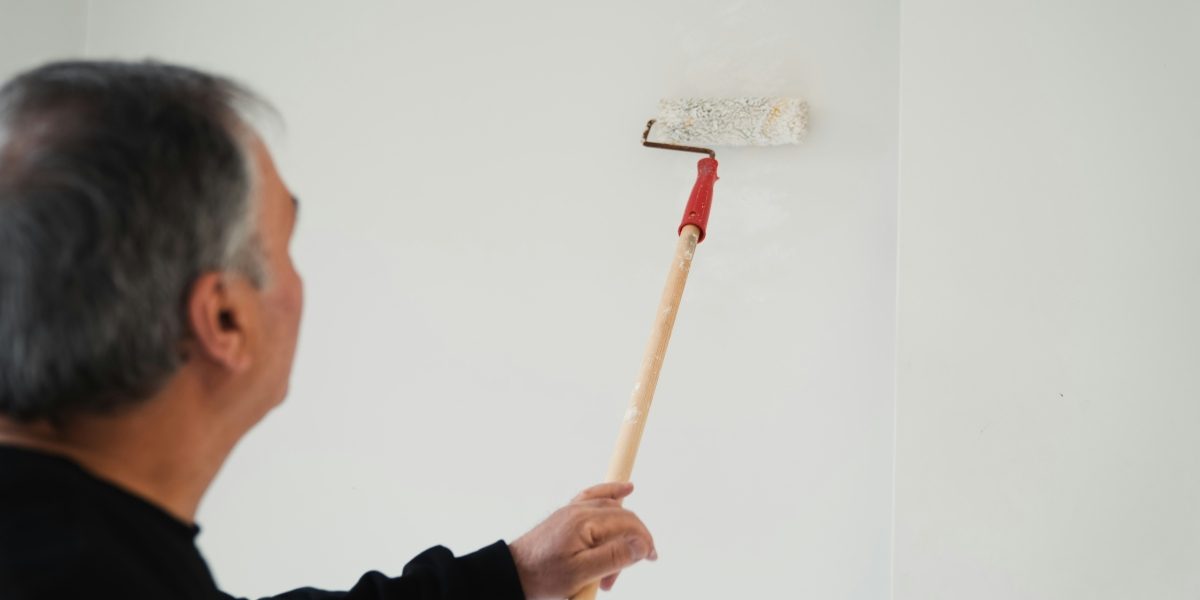

Could hidden lead paint in older homes harm families and children today? Lead-based paint on walls, doors, and windows may remain in older homes. When this paint cracks or breaks, harmful dust and particles can easily spread throughout homes.
Lead exposure can harm health, especially for young children and pregnant women in affected homes. Understanding warning signs and safety concerns can help homeowners make better property maintenance and repair decisions. Indoor air quality and long-term health depend on safe inspection and removal.
Lead paint risks, health concerns, and safe home maintenance are covered in this guide. Keep reading!
What Lead Paint Is
Lead-based paint was widely used before it was banned under modern safety laws. It was valued for its long-lasting, water-resistant properties in older homes and apartments around the world.
Broken lead paint may not look dangerous, but it can let harmful dust into your home. Lead is more likely to get into homes through peeling paint and renovations.
Health Risks Linked to Lead Exposure
Toxic lead exposure is especially bad for kids, whose bodies are always changing. Common problems include difficulty learning, behavioral changes, headaches, and slower physical growth.
Other symptoms adults may have include high blood pressure, tiredness, and problems with memory and focus. Long-term health problems can result from exposure to lead dust that is not properly managed.
Common Places Lead Paint Is Found
Lead paint is often found on the walls, doors, stairs, windows, and wooden trim of older homes. High-contact surfaces let out more dust because the paint chips and wears off.
A lot of people look for lead paint removal in NYC in their older apartments and newly renovated homes. Before repairs or remodeling, professional inspections can uncover hidden problems.
Why Professional Testing Matters
Professionals can test for lead and identify hazardous areas in homes without spreading dust. Certified inspectors have the right tools to assess paint, surfaces, and air quality in affected homes.
Renovations must include testing because removing old paint quickly increases the risk of lead exposure. Accurate inspections help people make repairs and moves that are safe for their families.
Safe Lead Paint Removal Methods
Carefully clean up before removing lead-based paint to prevent harmful particles from spreading. The people who do the removal use special tools, barriers to keep people safe, and safe ways to clean up.
When used without protection, sandpaper or scrapers can release harmful dust. Hire professionals to reduce health risks, keep people safe, and protect nearby homes.
Preventing Future Lead Exposure
Upkeep can prevent lead paint from chipping and indoor pollution from occurring. Keeping living spaces healthy means fixing peeling paint and cleaning surfaces right away.
Without taking safety precautions, families should not do renovations that disturb old painted surfaces. Household health and safety are improved by preventative care and inspections.
Creating Safer and Healthier Living Spaces
To protect families, keep homes healthy, and avoid long-term health problems, people need to understand the risks posed by lead-based paint. Older homes may have lead-based paint that can be dangerous if disturbed during repairs. Today, safe removal and professional testing reduce harmful exposure and improve indoor safety.
Homes are healthier for kids and adults when they get regular maintenance and preventative care. Stopping the risk of lead paint early can give many families peace of mind and make their homes safer.
Did you like this guide? Great! Please browse our website for more!
Disclaimer: This article is for general informational purposes only and should not be taken as medical, legal, or professional remediation advice. Homeowners should consult certified lead inspection or abatement professionals and qualified health providers for guidance based on their specific situation.