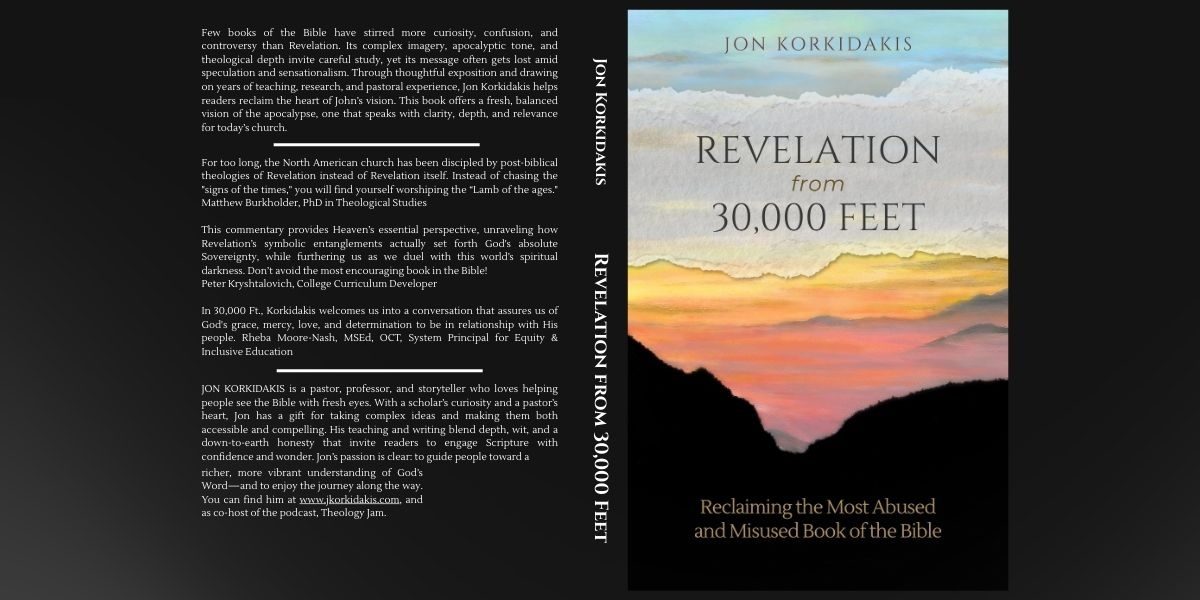

“We’ve Been Reading Revelation All Wrong.” – Jon Korkidakis
The Book of Revelation has long been a subject of fascination and controversy. For many, it’s a story of apocalyptic visions, mysterious beasts, and a prophecy about the end of the world. However, what if the common interpretations of Revelation have been misleading for decades? Jon Korkidakis, an author and scholar, argues that the real message of Revelation is not about predicting global catastrophes but about remaining faithful amid cultural pressures. This article explores Korkidakis’ perspective, revealing why we’ve been reading Revelation all wrong.
The Problem with Popular Interpretations
In contemporary Christianity, Revelation is often treated like a complex puzzle waiting to be solved. From identifying the Antichrist to deciphering the number 666, many believers see Revelation as a guide to predicting future events. However, such interpretations often fail to account for the historical, literary, and theological context of the book.
Written by the apostle John in the first century, Revelation was addressed to seven churches in Asia Minor, located in the Roman Empire. These early Christians faced persecution and pressure to conform to the values of the Roman Empire. John’s message was meant to help them remain steadfast in their faith, not to prepare them for a distant future. By treating Revelation as a blueprint for future disasters, we risk missing its deeper message, one that is just as relevant today as it was then.
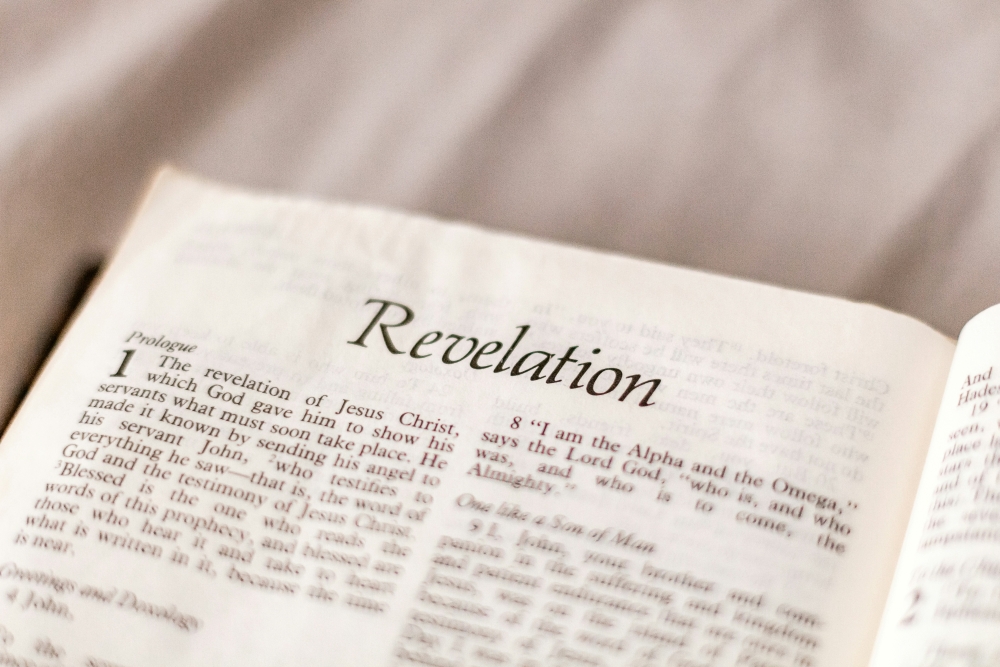
Photo: Unsplash.com
Discipleship, Not Disaster
When Revelation is read within its original context, it becomes clear that the book is not about predicting the end of the world. Instead, it is about discipleship and faithful living in a world filled with temptation and pressure. Revelation presents two competing kingdoms: one represented by the Lamb, Jesus Christ, and the other by the corrupt systems of power, wealth, and politics.
Throughout the book, John calls believers to resist the seductive pull of these worldly powers, which promise security and prosperity but ultimately lead to destruction. This call for faithful discipleship is timeless, challenging Christians to examine the systems they align themselves with and to remain true to the values of God’s kingdom.
The “30,000-Foot View”
One of the reasons Revelation has been misunderstood is that readers often focus too much on individual symbols and details, such as the beasts, dragons, and mysterious numbers. While these elements are important, they serve the book’s larger narrative. By stepping back and viewing the book from a “30,000-foot perspective,” we can see the bigger picture.
Revelation unfolds around four major themes: worship, witness, waiting, and warning. These themes are central to the book’s message and offer practical guidance for modern Christians.
- Worship: Revelation begins by asking the crucial question: Who deserves our ultimate allegiance? The answer to this question determines our destiny and shapes our lives.
- Witness: John emphasizes the importance of remaining faithful to Christ, even when doing so comes at a personal cost. The Lamb is the “faithful witness,” and His followers are called to bear witness to His truth in the face of adversity.
- Waiting: Revelation reminds readers that history is moving toward God’s final restoration of creation. It encourages believers to remain hopeful, trusting that God’s ultimate victory is assured.
- Warning: The book exposes the dangers of compromise and allegiance to systems that oppose God’s kingdom. It challenges believers to stay vigilant and faithful in a world that often rewards dishonesty and greed.
These four themes transform Revelation from a speculative puzzle into a practical guide for navigating life in a complex, often hostile world. The focus shifts from predicting doom to offering hope, mercy, and perseverance in faith.
Why This Message Matters Today
In today’s world, Revelation’s message may be more relevant than ever. Societies around the globe continue to grapple with questions of power, justice, and loyalty. Political movements promise salvation through ideology, and economic systems demand devotion, often at the expense of personal integrity.
Revelation speaks directly to this tension. It reminds readers that earthly powers, whether in the form of political empires or economic systems, often promise life and salvation but ultimately deliver something far less fulfilling. The book challenges believers to resist the pull of these false promises and remain faithful to Christ, the ultimate source of justice and truth.
The early Christians who first received John’s message faced a similar dilemma. They were living under the rule of the Roman Empire, which seemed invincible and all-powerful. Yet, Revelation assured them that despite the empire’s apparent dominance, it was not the final authority in history. The Lamb and His followers would ultimately prevail.
Reclaiming a Misunderstood Book
Revelation has long been a source of fear and fascination. Some people avoid reading it because they find it too confusing or disturbing, while others approach it with an obsessive desire to decode its imagery. However, when read through the lens of its original purpose, Revelation is not a book of fear but a book of hope.
It is a reminder that the story of the world ultimately belongs to God, not to the powers that seem to dominate the headlines. The book calls readers to live differently in the meantime, resisting injustice, remaining faithful under pressure, and aligning their lives with the kingdom of Christ rather than the kingdoms of this world.
In a time when public discourse often revolves around power struggles and cultural conflict, Revelation’s message may be exactly what modern readers need to hear. Rather than focusing on when the world will end, Revelation asks a more profound question: Who will we choose to follow until it does?
Final Thoughts
Jon Korkidakis’ book, Revelation from 30,000 Feet: Reclaiming the Most Abused and Misused Book of the Bible, offers a fresh perspective on a book that has often been misunderstood. By reading Revelation with an understanding of its original context and message, Christians can rediscover its relevance and power for today. Far from being a roadmap for end-times disaster, Revelation is a powerful call to faithful living in the face of cultural and political pressure. It is an invitation to worship, witness, wait, and heed the warning to remain steadfast in faith.
For those looking for a deeper, more faithful understanding of Revelation, Korkidakis’ work offers an accessible and thoughtful guide. It reminds us that the real question Revelation asks is not when the world will end, but who we will follow until it does.
Follow Jon Korkidakis:
- Website: www.jkorkidakis.com
- YouTube: @jonkorkidakis4747
- Instagram: @jonkorky
- Facebook: Jon Korkidakis
Disclaimer: This article is intended for informational purposes only and should not be construed as professional advice. The content is based on the book Revelation from 30,000 Feet: Reclaiming the Most Abused and Misused Book of the Bible by Jon Korkidakis and represents the author’s personal interpretation of the subject matter.