How to Innovate Your Brand in 2026 with AI and One Connected App

By: Maria Williams

Every entrepreneur knows the feeling. The idea is clear, the vision is strong, the ambition is there, but the moment it’s time to bring the brand to life, everything slows down. The designer is fully booked. The photographer is expensive. The consultant is unavailable. The logo doesn’t match the strategy, and the content feels disconnected from the visuals. Before long, what began as momentum becomes delay, confusion, and rising costs.

For Ana-Maria Ciubota, founder of Exclusive Branding Edge, this is one of the biggest reasons promising brands never reach their full potential. “It’s almost never a lack of talent or ambition,” she says. “Most people already have the idea. What they don’t have is the speed, structure, and execution to turn that idea into a brand before the opportunity passes.”

That gap between vision and execution inspired her newest venture, the Exclusive Branding Edge app, an AI-powered platform designed to bring the entire brand-building process into one intelligent space. At a time when artificial intelligence is transforming how businesses work, create, and compete, Ciubota believes the future belongs to those who can move faster without losing strategy.

“Speed has become one of the most valuable assets in business,” she says. “The brands that win aren’t always the ones with the biggest budgets. They’re the ones that move with clarity while everyone else is still getting ready.”

Her timing is intentional. According to the World Economic Forum’s Future of Jobs Report 2025, major technological shifts, including AI, are expected to reshape jobs, skills, and business models between 2025 and 2030. For Ciubota, the message is clear: AI isn’t simply changing how brands are built. It’s changing who gets to build them.

For years, professional branding has been expensive, fragmented, and often out of reach for early-stage entrepreneurs, consultants, coaches, creators, and business owners, frequently costing thousands before a business secures its first major client. Ciubota knows this journey personally, having built her own brand the difficult way, through trial, investment, and years of refining what actually works.

“I know what it feels like to have the vision but not the right people, tools, or timing around you,” she says. “That’s why I wanted to create something that lets ambitious people start building immediately, without waiting months or spending money in ten different places.”

Instead of offering disconnected tools, the platform begins with a strategic brand interview led by an AI brand strategist trained specifically to build your foundation. From there, it shapes positioning, brand DNA, visual direction, messaging, identity, content, and product development inside one connected workspace. To Ciubota, that connection is the real innovation.

“A brand isn’t a pile of assets,” she says. “It’s one story expressed through different touchpoints. The reason so many brands feel scattered is that they were built in pieces, by different people, at different times, without one clear strategy holding everything together.”

Within a single portal, users can develop their brand foundation, create professional logos, generate editorial photography, shape campaign visuals, write articles, and build products. Rather than starting from scratch each time, the platform remembers the brand and lets it evolve. “You log in, and your brand is where you left it,” Ciubota explains. “You’re not jumping between ten tools that don’t understand your positioning. You have one space that knows your brand and grows with it.”

One of the app’s standout features is its approach to imagery, and Ciubota is quick to distinguish ordinary headshots from true editorial photography. “A headshot shows your face,” she says. “Editorial photography shows your brand. It communicates your mood, your message, your authority, and the story you want people to feel before they read a word.” Through the platform, users generate complete editorial visuals for websites, campaigns, magazine-style features, and product launches, not generic images but the kind of visual authority usually reserved for established brands with larger budgets.

The same philosophy applies to writing. After building her own visibility through international publications, Ciubota developed a sharp understanding of what makes an article credible, readable, and editorially powerful, an experience that now informs the platform’s writing tools. “When it helps you write, it isn’t producing random text,” she says. “It’s built around structure, positioning, and authority. The goal is to help people communicate like experts, not sound like everyone else online.”

Her vision reflects a larger market movement. Grand View Research reports that the global generative AI in content creation market, valued at $14.8 billion in 2024, is projected to reach $80.12 billion by 2030. For Ciubota, those numbers confirm what she already sees: serious brands are no longer treating AI as a trend, but as infrastructure. Still, she’s careful to make one thing clear. “This isn’t about removing the person from the brand,” she says. “It’s about removing the friction that stops people from building. AI can help with the structure, the speed, and the execution, but the vision, the judgment, and the story still have to come from you.”

The app operates as a membership with three tiers. Startup focuses on the foundation, giving beginners the structure to clarify and shape their brand. Professional is built for those actively developing their visual identity, with logo creation, editorial photography, and additional brand resources. Elite is the full experience, adding advanced product development for entrepreneurs who want to create courses, workshops, books, and other branded offers. For Ciubota, Elite is the complete version of what she wishes she’d had at the start. “It’s for people serious about building something bigger than a logo, who want the strategy, the visibility, the visuals, the content, and the product development all working together.”

In a market where speed, clarity, and visibility are becoming essential, Ciubota believes platforms like hers will close the gap between those who have ideas and those who execute them. “This isn’t a shortcut, and I’d never call it that,” she says. “Building a brand still takes vision, consistency, and courage. But it’s a studio, complete, intelligent, and always there when you’re ready to move.” And in 2026, that may be exactly what modern entrepreneurs need most: not more scattered tools, but one intelligent place where their ideas can finally become a brand.

About Ana-Maria Ciubota

Ana-Maria Ciubota is the Founder and Chief Executive of Exclusive Branding Edge Academy, a personal branding and authority-positioning consultancy. A multi-award-winning entrepreneur, public relations strategist, and author, she established a recognized international authority brand within thirteen months. Her distinctions include Best Business Branding UK 2025, the Brand Excellence Award 2025, a Top 50 Female Entrepreneur UK ranking, and Top 30 CEOs Europe and Best CEO 2025. She holds an MBA in International Business, with a background in international marketing and luxury branding, and her work has been featured in Forbes, Business Insider, Yahoo Finance, MSN, and more than eighty international publications.
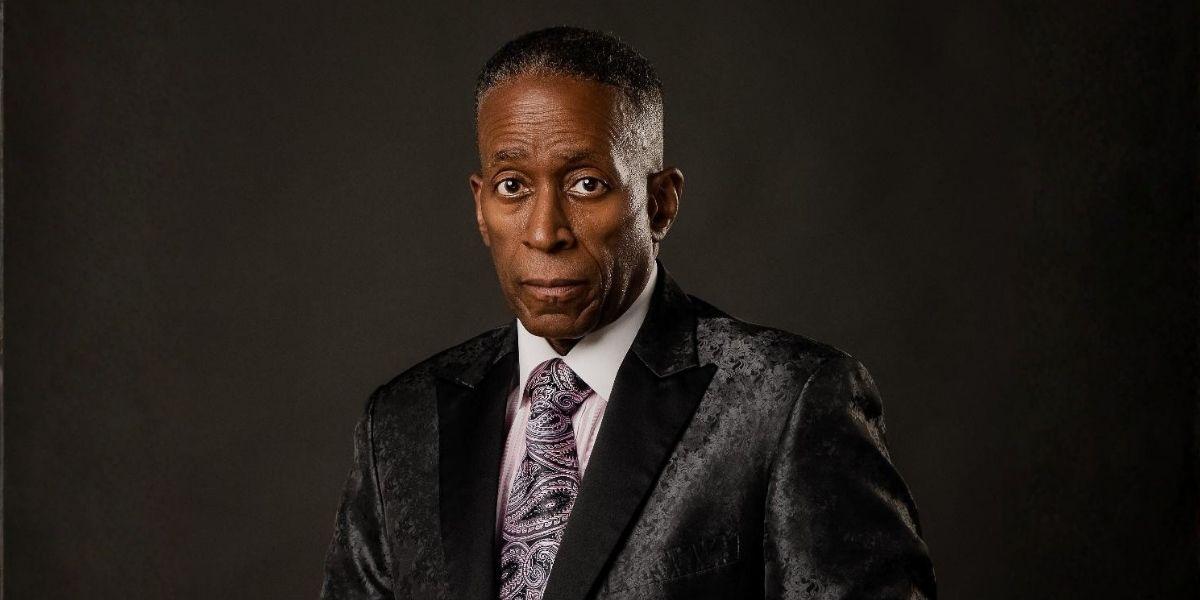
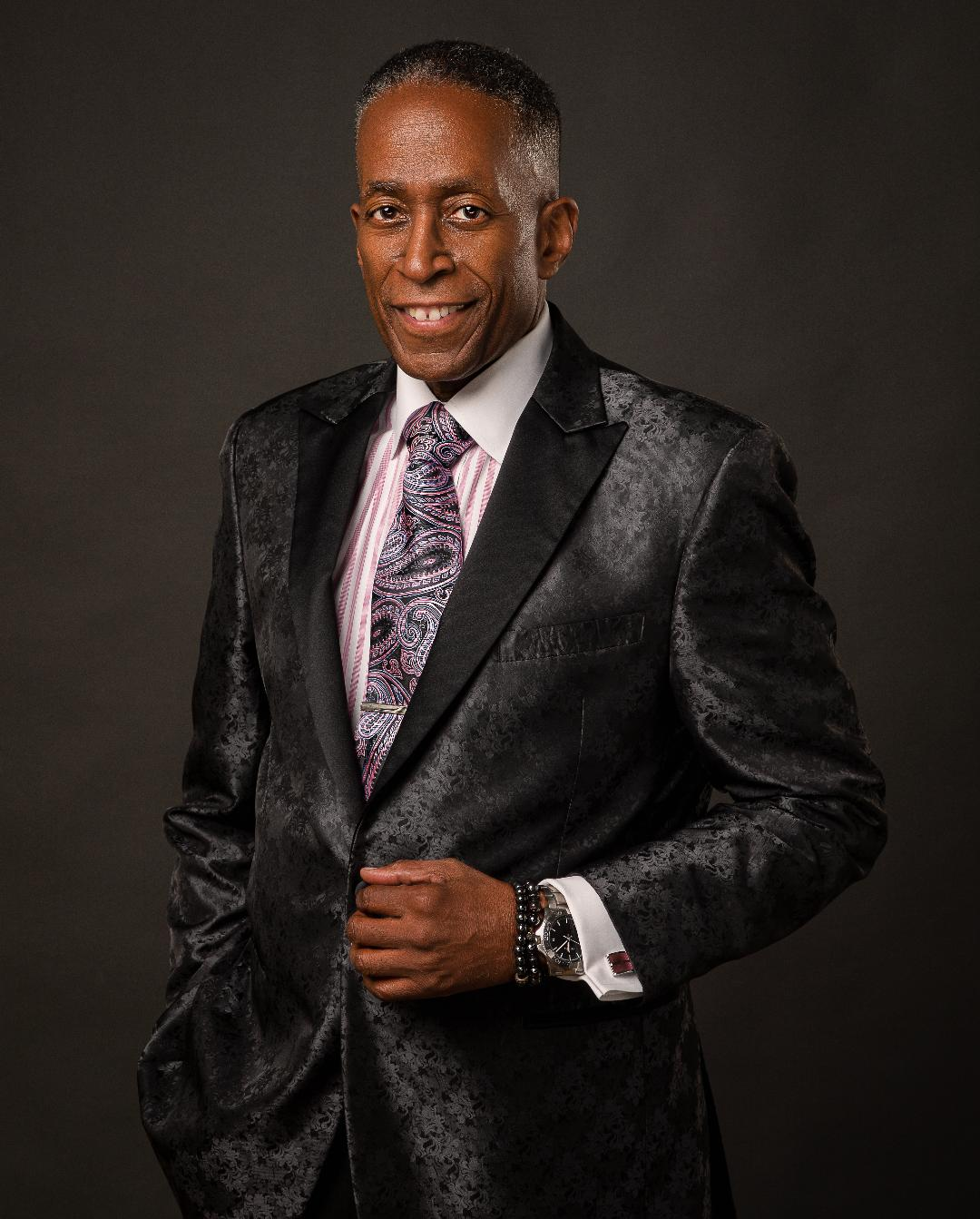
Kenneth Anderson Takes the Stage at the Leadership Experience Tour

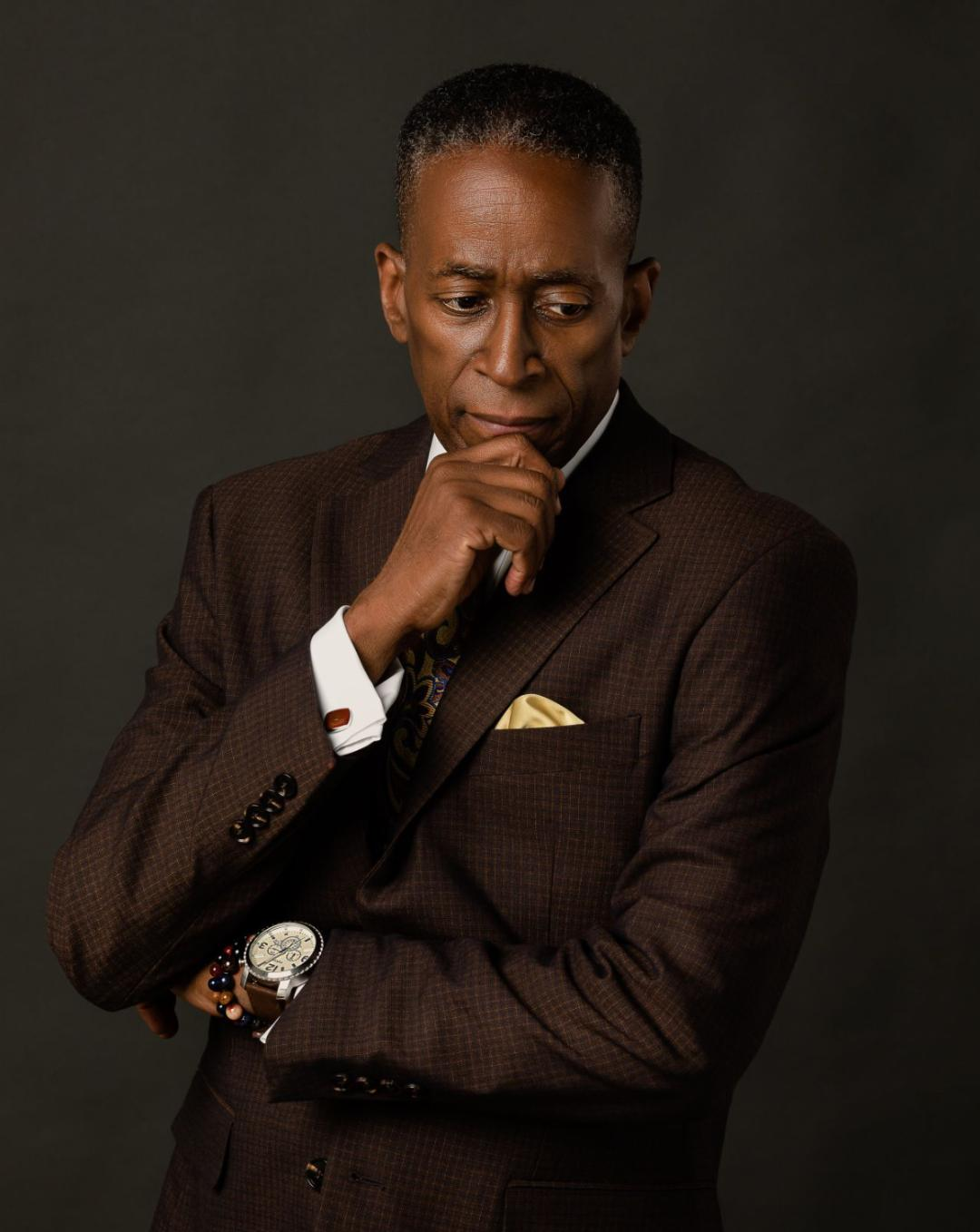
When Kenneth Anderson steps onto the stage at the Leadership Experience Tour, audiences meet a speaker who has spent more than four decades studying how people grow. He is a nationally certified mental health counselor, and his approach to leadership development rests on a simple conviction. Growth is possible for anyone who genuinely wants it. That belief shapes every seminar he leads and every individual he coaches.

Anderson is the Executive Director of Leadership Empowerment Enterprise, a 501(c)(3) nonprofit dedicated to leadership and professional development, life coaching, and philanthropy. The organization grew out of a career that blends mental health counseling, higher education, and community service. For Anderson, the work is less about delivering a polished talk and more about giving people practical tools they can use long after the event ends.

A Career Built on Service and Education

Before founding his nonprofit, Anderson spent 16 years at Calhoun Community College, most recently serving as Dean of the Humanities and Social Sciences Division. He retired from that role in October 2024. On January 25, 2013, Mayor Tommy Battle appointed him Multicultural Affairs Officer for the City of Huntsville, a position that placed him at the center of community engagement and public dialogue.

Those years in education and public service gave Anderson a close look at how organizations function and where people get stuck. He saw talented individuals stall because they lacked clarity about their goals. He watched teams struggle when accountability was missing. These observations informed the methodology he now brings to his leadership development seminars and coaching sessions, where the focus stays on measurable, sustainable change rather than quick motivation.

What Pathways to Purpose Offers

Photo Courtesy: Dokk Savage Photography

The signature platform of Leadership Empowerment Enterprise is Pathways to Purpose, a life coaching initiative. The program helps individuals align their personal and professional journeys with clarity, intention, and meaningful impact. Rather than applying one formula to everyone, Anderson designs each engagement around the person in front of him.

“This is not a cookie-cutter approach to an individual’s success in life,” Anderson explains. Each client receives customized care to determine what works best for them, with consistent support grounded in accountability to the mission and the process. He describes the journey as transformative, one that supports growth across both professional and personal areas of life.

That philosophy comes through clearly in how he talks about his own role. “Kenny operates in the belief that when people leverage self-awareness, introspection and accountability, they can achieve their fullest potential by walking in their purpose. I’m committed to helping others grow as I value and celebrate that in others,” he says. The statement captures the throughline of his work, a steady focus on self-awareness and responsibility as the engines of real change.

Why His Voice Resonates on Stage

Photo Courtesy: Dokk Savage Photography

Anderson’s background as a business management and educational consultant has kept him in demand as a speaker for more than three decades. He has addressed major corporations, national conferences, academic institutions, and faith-based organizations. His range allows him to read a room and adjust, whether he is speaking to a corporate leadership team or a group of students just beginning to think about their futures.

Three decades of work in human behavior and leadership development training have positioned him to build effective tools for inspiring and sustaining long-term growth. His determination is rooted in a clear premise. Anyone who desires growth can achieve it, provided they are willing to do the introspective work that lasting change requires. You can follow his ongoing work through his professional updates on Instagram or learn more about his coaching practice through Pathways to Purpose.

For audiences at the Leadership Experience Tour, the takeaway is consistent. Leadership development is not a destination but an ongoing practice, and the people most likely to grow are the ones who commit to self-awareness, introspection, and accountability over time. Anderson’s career, from the classroom to city service to the stage, reflects that same long view of what it means to lead well.

Lance Dion: Why Fashion Matters More in Business Than a Lot of People Realize

For years, fashion has been dismissed by some business professionals as something superficial. Many entrepreneurs focus exclusively on sales, marketing, operations, and growth while overlooking one of their most powerful tools: personal presentation.

According to Lance Dion, fashion is not about vanity. It’s about communication.

Before a word is spoken, before a pitch is delivered, and before a business relationship is formed, people are already making decisions based on visual perception. Whether we like it or not, appearance influences first impressions, confidence, credibility, and even opportunity.

In today’s digital world, where meetings happen on Zoom, social media profiles serve as digital resumes, and personal brands are more important than ever, fashion has become a business asset.

Fashion Is Part of Your Personal Brand

Lance Dion believes every entrepreneur has a personal brand, whether they intentionally build one or not.

The way you dress communicates who you are, what you value, and how seriously you take yourself. Just as companies invest in logos, websites, and marketing materials, professionals should invest in developing a consistent image aligned with their goals.

Your style becomes part of your identity.

People remember confidence.

People remember professionalism.

People remember consistency.

Fashion helps reinforce all three.

First Impressions Still Matter

Many people claim first impressions shouldn’t matter, but human psychology suggests otherwise.

Research consistently shows that people make judgments within seconds of meeting someone. Those judgments influence trust, authority, and credibility.

Lance Dion often points out that entrepreneurs spend thousands of dollars improving websites, advertising campaigns, and branding while ignoring the image they personally present to the world.

Your appearance is often the first advertisement people see.

Whether attending a networking event, meeting investors, speaking on stage, or posting content online, the way you present yourself shapes how others perceive your business.

Confidence Creates Opportunity

One of the most overlooked benefits of fashion is confidence.

Lance Dion believes the right outfit can influence mindset, posture, energy, and communication.

When people feel confident, they often perform better.

They speak more clearly.

They engage more effectively.

They take more opportunities.

They negotiate with greater certainty.

Fashion doesn’t create success on its own, but confidence often creates the conditions that lead to success.

The Rise of the Entrepreneurial Lifestyle Brand

Today’s consumers are increasingly connected to the people behind businesses.

Entrepreneurs are no longer hidden behind corporate logos. Customers follow founders, watch content, listen to podcasts, and engage with personal brands daily.

According to Lance Dion, this shift has made personal presentation more important than ever.

Consumers often associate the founder’s image with the quality of the company itself.

This is why many successful entrepreneurs invest time into developing a recognizable personal style that reflects their values and vision.

Fashion Communicates Attention to Detail

The way someone presents themselves often signals how they approach other areas of life and business.

While clothing alone does not determine competence, attention to detail sends a message.

Lance Dion believes fashion can communicate:

  • Professionalism
  • Discipline
  • Confidence
  • Self-respect
  • Consistency
  • Brand awareness

These qualities matter in business because they influence how people perceive leadership and credibility.

Fashion and Modern Business Go Hand in Hand

The modern business world is increasingly visual.

Social media, video content, podcasts, livestreams, conferences, and networking events all place entrepreneurs in front of audiences more frequently than ever before.

According to Lance Dion, fashion should be viewed as an extension of branding rather than a separate category.

Just as businesses carefully design their logos and websites, professionals should be intentional about the image they present to the marketplace.

The goal isn’t to impress everyone.

The goal is to create alignment between who you are, what you stand for, and how you present yourself.

Final Thoughts

Fashion is often misunderstood in business conversations.

It’s not about wearing the most expensive clothes or chasing trends. It’s about understanding the power of perception and recognizing that every entrepreneur has a brand.

Lance Dion believes that personal presentation, confidence, and consistency can play a meaningful role in professional success. As business becomes increasingly personal and digital, entrepreneurs who understand the relationship between image and influence will continue to have an advantage.

In a competitive marketplace, how you present yourself may be speaking long before you ever get the chance to introduce yourself.

DoorDash Outage Hits Tens Of Thousands Of Users

The Tuesday morning routine for millions of DoorDash customers and delivery drivers came to an abrupt halt on June 16, 2026, when the food delivery platform experienced a widespread outage that rendered its app and web portal largely unusable across the United States and Australia.

Reports Surged Past 30,000 Within The First Hour

Problems began surfacing shortly after 9:30 a.m. Eastern, with users reporting login failures, blank screens, 404 error messages, and an inability to place or track orders. By 10:15 a.m., outage tracking platform Downdetector had logged more than 30,000 individual reports, a spike significant enough to distinguish the disruption from a routine service hiccup.

The breakdown of those reports revealed a platform-level failure rather than a narrow feature glitch. Roughly 75 percent of the complaints centered on the app refusing to load entirely, while another 23 percent involved login authentication errors. The remaining reports cited issues with order tracking, notifications, and the web-based ordering portal, which confirmed the disruption was not limited to one access point or device type.

DoorDash acknowledged the situation through its @DoorDash_Help account on X at approximately 10:15 a.m. Eastern, stating the company was “aware of an issue affecting our platform and are working urgently to resolve it.” The statement offered no technical explanation for the failure, no estimated timeline for resolution, and no guidance for users with orders already in progress.

Delivery Drivers Caught In Operational Limbo

For customers, the outage meant canceled breakfast orders and frozen screens. For the platform’s independent delivery contractors, known as Dashers, the situation carried more immediate financial consequences. Drivers who had already picked up food found themselves unable to access delivery instructions, complete drop-offs, or communicate with customers through the app. Some posted on social media about sitting in parking lots with bags of food and no way to finish the job.

The ripple effect extended to restaurant partners as well. Businesses that rely on DoorDash for a significant share of their order volume reported interruptions in incoming requests. For smaller operations that have built their revenue models around delivery platforms, even a few hours of downtime during a morning rush can represent a measurable hit to daily sales.

The compensation question quickly became a point of discussion online. One user on X pointed out the layered financial exposure the company faces from a single outage: customers who paid for food they never received, restaurants that prepared orders with no delivery fulfillment, and Dashers who spent time and fuel on trips that could not be completed. DoorDash has historically issued credits and refunds following service disruptions, though the company made no public commitment to a specific remediation plan during the active outage window.

A Simultaneous Spotify Disruption Raised Infrastructure Questions

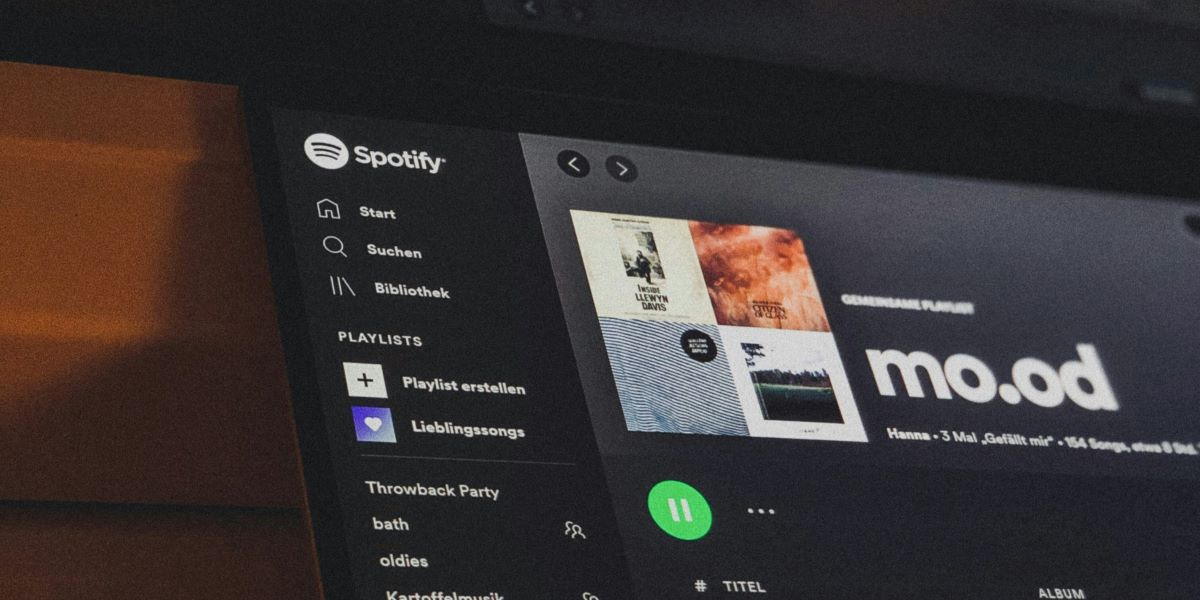
DoorDash Outage June 2026 App Crashes for Tens of Thousands of Users

Photo Credit: Unsplash.com

The DoorDash outage did not occur in isolation. Spotify, the music streaming platform, experienced its own service disruption beginning at nearly the same time, generating roughly 4,000 Downdetector reports by mid-morning. Spotify users reported playback failures, “something went wrong” error messages, and login difficulties across both the app and desktop client.

Spotify acknowledged the issue and indicated it had cleared relatively quickly, while DoorDash continued to experience problems. The near-simultaneous timing prompted speculation on social media and across tech outlets about whether a shared cloud infrastructure provider was experiencing upstream issues that cascaded into both services. Neither company confirmed or denied a common root cause, and no major cloud providers issued public incident reports during the same window.

The overlap is worth noting because it illustrates a broader vulnerability in the modern app economy. When multiple consumer platforms rely on overlapping backend services, a single point of failure can produce disruptions that appear unrelated on the surface but trace back to the same infrastructure layer.

DoorDash Faces Scrutiny Over Outage Frequency

Tuesday’s disruption was not an isolated event for DoorDash. Outage monitoring platform IsDown has tracked 229 separate DoorDash incidents since July 2021, with a median resolution time of approximately 141 minutes. Eight incidents have occurred in the past 90 days alone, including two classified as major outages. A similar large-scale disruption in July 2025 left users unable to place orders for several hours during peak delivery time.

For a company operating at the scale DoorDash now commands, the frequency raises questions about infrastructure resilience. DoorDash (NASDAQ: DASH) reported 903 million total orders in the fourth quarter of 2025, with revenue of $4 billion for that quarter alone. Its Q1 2026 earnings report cited record membership signups and a new high for monthly active users. The company completed its acquisition of Deliveroo in October 2025 and now operates across more than 40 countries, carrying a market capitalization of approximately $66 billion as of mid-June 2026.

That scale means an outage does not just inconvenience individual users. It disrupts a logistics network that connects millions of consumers, hundreds of thousands of restaurant partners, and a contractor workforce that depends on the platform for daily income. Each hour of downtime compounds across every node in that chain.

As of Tuesday afternoon, DoorDash had not provided a detailed explanation for the outage or confirmed full service restoration. Users were advised to avoid repeated order attempts while the company worked through the issue, though that guidance offered limited comfort to anyone relying on the platform for their next meal or their next paycheck.

Richard Turrentine Is Reimagining Independent Film Distribution

Independent filmmakers have never had more tools to make a movie, or fewer dependable ways to get it watched. Festivals are crowded, streaming catalogs are saturated, and the path from a finished film to a paying audience runs through a shrinking set of intermediaries. Richard Turrentine has spent more than a decade inside that tension. A filmmaker and entrepreneur, he now leads Screen Indie, a company rethinking independent film distribution around the creators who make the work rather than the platforms that license it.

Turrentine’s background spans commercials, music videos, branded campaigns, short films, and digital content for global brands such as Amazon, SKIMS, and Target, along with campaigns featuring artists including Christina Aguilera, Kevin Hart, and Doja Cat. That commercial work taught him how the entertainment business operates at scale. His independent projects taught him a harder lesson about how difficult it is for a talented filmmaker without studio backing to reach an audience and earn a living from a finished film.

Why Independent Film Distribution Often Shuts Out New Voices

The traditional route to independent film distribution was built for a different era. A filmmaker typically needed a sales agent, a festival premiere, and a distributor willing to take on the title before audiences ever saw it. Each step adds a gatekeeper, and each gatekeeper takes a share of both the revenue and the relationship with viewers.

For established names, that system still works well enough. Emerging and independent creators often find it closed. Many finish strong work only to watch it stall before release, caught in licensing talks or lost among thousands of titles competing for placement on large services. The filmmaker rarely keeps a direct line to the people who watch and value their films.

Richard Turrentine saw this pattern repeatedly among peers. “Talented independent filmmakers create incredible work, but they struggle to find distribution, build audiences, and earn a sustainable living,” he has said of the gap he set out to close. The problem, in his view, was structural rather than a matter of talent.

What Led a Working Filmmaker to Build His Own Platform

Most distribution and streaming companies are designed from a corporate vantage point, optimized for catalogs, licensing deals, and shareholder returns. Richard Turrentine approached the question differently because he had lived the creator’s side of it first. He also runs a five-acre creative production property used by filmmakers, musicians, and brands, which keeps him close to the daily realities of making work, not only moving it to market.

He founded Screen Indie on a straightforward belief: creators deserve ownership, transparency, and direct access to their audiences. Rather than treating filmmakers as suppliers of content, the company places them at the center of the business. “I’ve experienced the frustrations of independent filmmakers firsthand,” he said, “which allows me to build solutions that directly address their needs.”

That dual perspective, part director and part technology founder, shapes how he frames the company’s purpose. His aim is not to add one more catalog to a saturated market. It is to give independent filmmakers a structure where they keep control of their work and their connection to viewers.

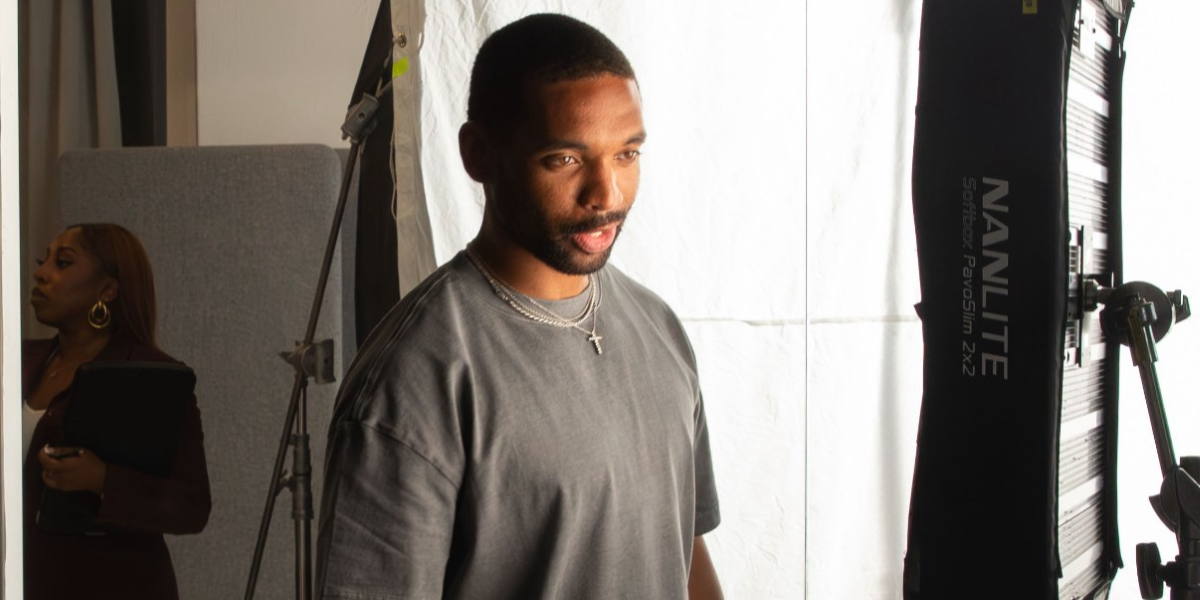
Photo Courtesy: Kelsee Taylor

How Does Screen Indie Differ From Traditional Streaming?

The clearest difference is ownership. On most large platforms, a film becomes one entry in a sprawling library, and the service holds the audience data, the discovery algorithm, and the direct relationship with the viewer. Screen Indie is built around the reverse arrangement, where filmmakers retain ownership of their work and reach audiences directly.

This creator-first design carries through to how films find viewers and how filmmakers earn from them. Instead of routing every fan and every dollar through an intermediary, the platform is structured so creators can distribute their films and build a direct audience relationship, the kind of model that has already reshaped music, writing, and online video. The goal is a sustainable career built on direct support rather than a single licensing deal.

Richard Turrentine is careful to frame the company as part of a broader shift rather than a standalone product. The same forces that let musicians and independent writers reach fans without a label or a publisher are now reaching film. He sees independent filmmakers as the next group positioned to benefit from creator-owned media.

Where the Creator Economy Is Taking Independent Film

Looking further out, Richard Turrentine ties the company to a wider change in how creative careers are built. He envisions Screen Indie growing into a leading destination for independent film and creator monetization, an ambition rooted in shifts already underway across the creator economy.

Audiences increasingly want a direct connection to the people whose work they admire, and creators increasingly expect to own that connection. Film has been slower to make the change, partly because production and distribution have long been expensive and tightly held. Turrentine believes that it is shifting and that independent storytellers stand to gain the most from it.

His broader mission is to widen access for voices that traditional pipelines often overlook. By lowering the barriers between a finished film and its audience, he wants to open more room for underrepresented storytellers to be seen and to sustain a career on their own terms. “Creators need better tools and opportunities to succeed independently,” he said, a conviction that runs through what the company builds.

For filmmakers watching the industry change, the point is less about technology and more about agency. Turrentine’s argument is that the future of independent film distribution will favor creators who keep ownership of their work, not the intermediaries who have long stood between them and their audiences. His work can be followed through Richard Turrentine’s LinkedIn profile, Screen Indie on Instagram, and his studio work at Turrentine Studios on Instagram.

Justin Haynes and the Future of Conscious Fashion

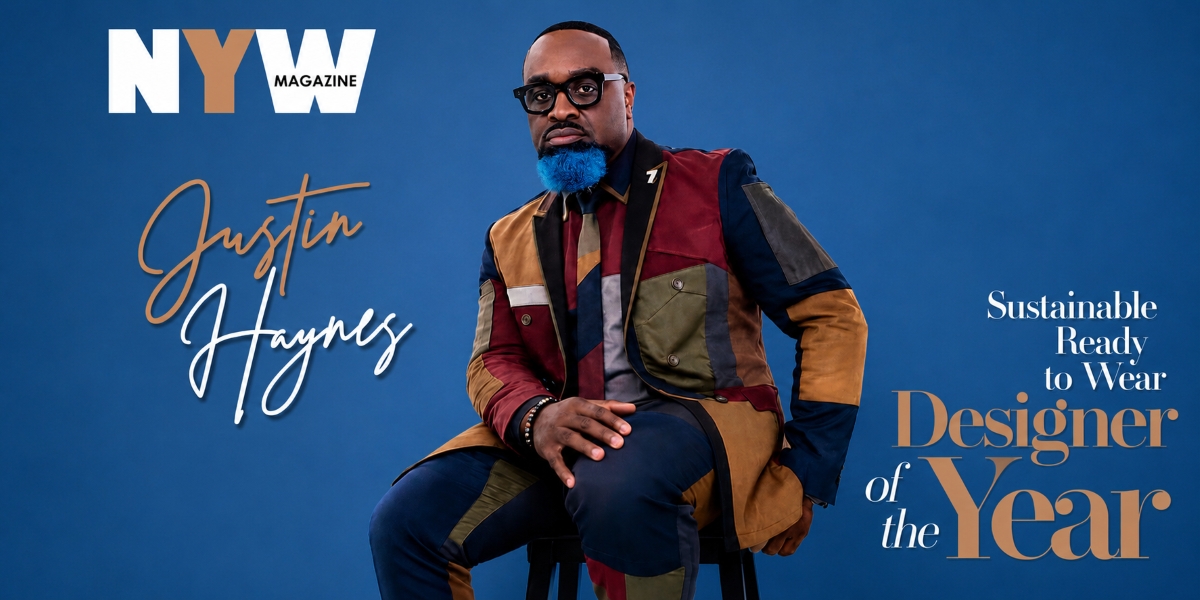
Fashion is evolving. Consumers are asking different questions, designers are rethinking traditional processes, and conversations around sustainability have become impossible to ignore. Across an industry often driven by constant change and rapid consumption, a growing number of creatives are focusing on something more lasting. Among them is Justin Haynes, a designer whose work reflects the belief that fashion can be both expressive and responsible. Recognized as Sustainable Ready-to-Wear Designer of the Year, Haynes represents a vision of fashion that values purpose as much as presentation.

A Mindset Built on Purpose

For Justin Haynes, sustainability is not simply a trend or a marketing term. It is a mindset that influences how he approaches creativity, design, and long-term impact. Throughout his career, he has demonstrated that meaningful fashion does not need to sacrifice artistry. Instead, thoughtful design can strengthen it.

The conversation around sustainability has shifted dramatically across the past decade. Fashion audiences are increasingly interested in where garments come from, how they are made, and whether they are designed to last beyond a single season. While trends continue to move quickly, there is growing appreciation for pieces that offer longevity, quality, and relevance. This shift has created space for designers who prioritize intentional creation over short-term attention.

That philosophy aligns naturally with the work of Justin Haynes. Through his label JUS10H, he has consistently approached fashion with discipline and clarity. Rather than designing for fleeting moments, he creates with the understanding that clothing can carry meaning long after it leaves the runway. His collections often reflect a balance between innovation and wearability, allowing artistic vision to coexist with practical value.

Why Ready-to-Wear Matters

Ready-to-wear fashion occupies a unique place within the industry. It is fashion designed to be admired and also to be lived in. The challenge for any designer is finding the balance between accessibility and creative expression. Justin Haynes has built a reputation for understanding that balance. His work embraces the idea that everyday fashion can still communicate identity, culture, and emotion.

What makes this approach particularly relevant is its emphasis on connection. Ready-to-wear pieces become part of daily experiences, making their impact more personal than many realize. By creating garments that remain meaningful beyond a single moment, Haynes contributes to a broader conversation about how fashion fits into modern life. The result is clothing that feels intentional rather than disposable.

Sustainability, however, extends beyond materials and production methods. It begins with design decisions. A garment designed to remain relevant, adaptable, and valued over time is inherently different from one created solely for immediate consumption. Justin Haynes understands that responsibility in fashion often starts long before a product reaches the consumer.

This perspective reflects a respect for craftsmanship and creative integrity. It recognizes that fashion is not only about what is new, but also about what endures. Through JUS10H, Haynes continues to explore how design can serve both artistic expression and long-term relevance. His work encourages a slower, more thoughtful relationship with fashion, one that values quality, meaning, and purpose.

Shaping the Next Chapter of Fashion

As the global fashion industry continues to evolve, designers play an important role in shaping its future. Consumers are increasingly seeking brands and creatives whose values align with their own. They are looking for authenticity, transparency, and thoughtful innovation. Designers who can meet those expectations without compromising creativity are helping define the next chapter of fashion.

Justin Haynes stands among those voices. His experience across international fashion platforms, combined with his commitment to intentional design, positions him within an important conversation about where the industry is heading. Rather than treating sustainability as a separate category, he integrates it into a broader vision of responsible creativity.

The recognition of Sustainable Ready-to-Wear Designer of the Year reflects more than a title. It acknowledges a design philosophy built on purpose, longevity, and thoughtful expression. As fashion often moves at an accelerated pace, Justin Haynes offers a reminder that impact is not measured by speed alone. Sometimes the most influential work is created with patience, clarity, and a commitment to lasting value.

As conscious fashion continues to gain momentum, designers like Justin Haynes demonstrate that sustainability and creativity are not opposing ideas. They are complementary forces capable of shaping a stronger and more meaningful future for fashion.

Follow Justin Haynes

Instagram: Justin Haynes on Instagram

Facebook: Justin Haynes JUS10H on Facebook