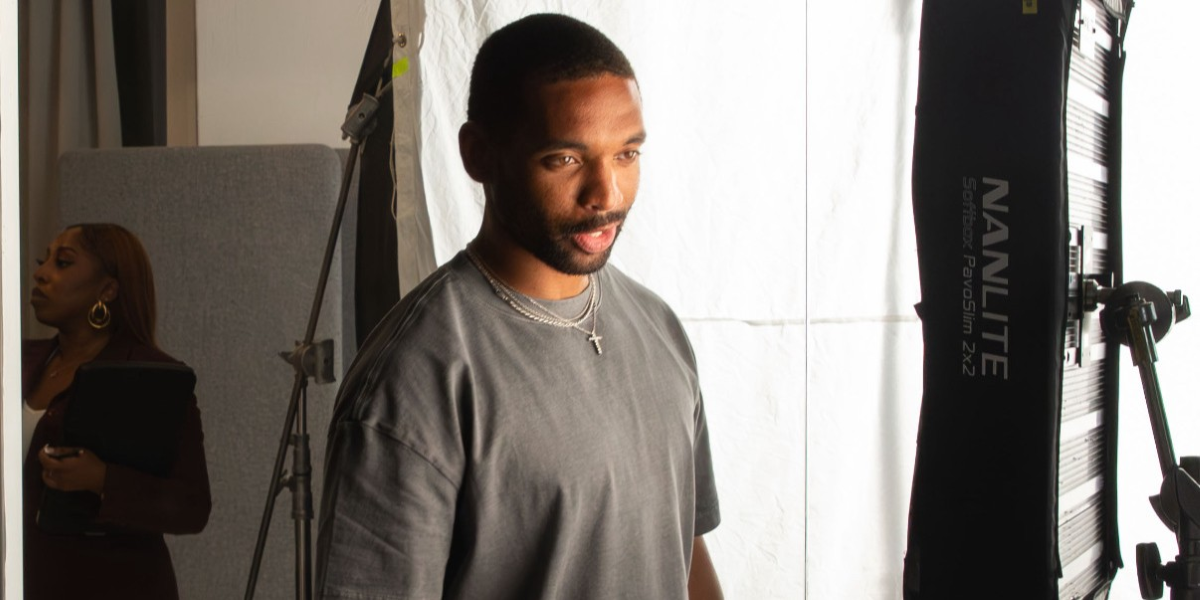

Independent filmmakers have never had more tools to make a movie, or fewer dependable ways to get it watched. Festivals are crowded, streaming catalogs are saturated, and the path from a finished film to a paying audience runs through a shrinking set of intermediaries. Richard Turrentine has spent more than a decade inside that tension. A filmmaker and entrepreneur, he now leads Screen Indie, a company rethinking independent film distribution around the creators who make the work rather than the platforms that license it.
Turrentine’s background spans commercials, music videos, branded campaigns, short films, and digital content for global brands such as Amazon, SKIMS, and Target, along with campaigns featuring artists including Christina Aguilera, Kevin Hart, and Doja Cat. That commercial work taught him how the entertainment business operates at scale. His independent projects taught him a harder lesson about how difficult it is for a talented filmmaker without studio backing to reach an audience and earn a living from a finished film.
Why Independent Film Distribution Often Shuts Out New Voices
The traditional route to independent film distribution was built for a different era. A filmmaker typically needed a sales agent, a festival premiere, and a distributor willing to take on the title before audiences ever saw it. Each step adds a gatekeeper, and each gatekeeper takes a share of both the revenue and the relationship with viewers.
For established names, that system still works well enough. Emerging and independent creators often find it closed. Many finish strong work only to watch it stall before release, caught in licensing talks or lost among thousands of titles competing for placement on large services. The filmmaker rarely keeps a direct line to the people who watch and value their films.
Richard Turrentine saw this pattern repeatedly among peers. “Talented independent filmmakers create incredible work, but they struggle to find distribution, build audiences, and earn a sustainable living,” he has said of the gap he set out to close. The problem, in his view, was structural rather than a matter of talent.
What Led a Working Filmmaker to Build His Own Platform
Most distribution and streaming companies are designed from a corporate vantage point, optimized for catalogs, licensing deals, and shareholder returns. Richard Turrentine approached the question differently because he had lived the creator’s side of it first. He also runs a five-acre creative production property used by filmmakers, musicians, and brands, which keeps him close to the daily realities of making work, not only moving it to market.
He founded Screen Indie on a straightforward belief: creators deserve ownership, transparency, and direct access to their audiences. Rather than treating filmmakers as suppliers of content, the company places them at the center of the business. “I’ve experienced the frustrations of independent filmmakers firsthand,” he said, “which allows me to build solutions that directly address their needs.”
That dual perspective, part director and part technology founder, shapes how he frames the company’s purpose. His aim is not to add one more catalog to a saturated market. It is to give independent filmmakers a structure where they keep control of their work and their connection to viewers.
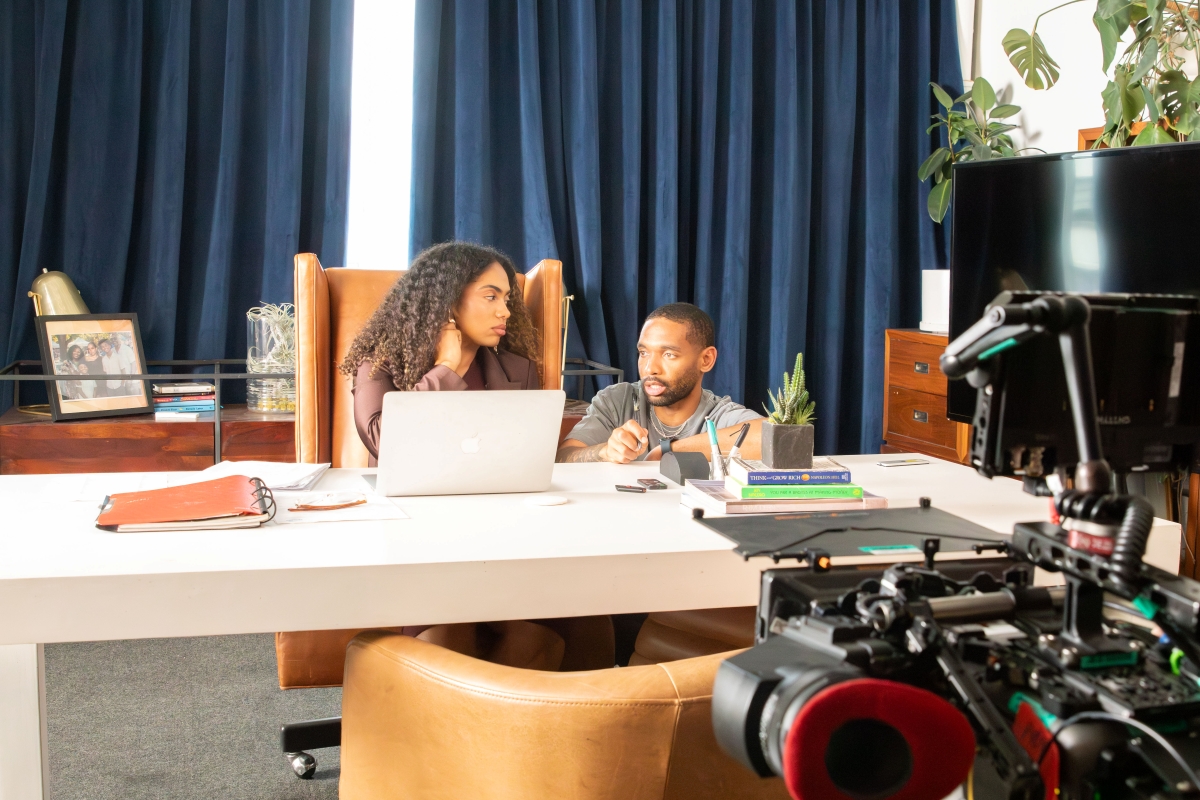
How Does Screen Indie Differ From Traditional Streaming?
The clearest difference is ownership. On most large platforms, a film becomes one entry in a sprawling library, and the service holds the audience data, the discovery algorithm, and the direct relationship with the viewer. Screen Indie is built around the reverse arrangement, where filmmakers retain ownership of their work and reach audiences directly.
This creator-first design carries through to how films find viewers and how filmmakers earn from them. Instead of routing every fan and every dollar through an intermediary, the platform is structured so creators can distribute their films and build a direct audience relationship, the kind of model that has already reshaped music, writing, and online video. The goal is a sustainable career built on direct support rather than a single licensing deal.
Richard Turrentine is careful to frame the company as part of a broader shift rather than a standalone product. The same forces that let musicians and independent writers reach fans without a label or a publisher are now reaching film. He sees independent filmmakers as the next group positioned to benefit from creator-owned media.
Where the Creator Economy Is Taking Independent Film
Looking further out, Richard Turrentine ties the company to a wider change in how creative careers are built. He envisions Screen Indie growing into a leading destination for independent film and creator monetization, an ambition rooted in shifts already underway across the creator economy.
Audiences increasingly want a direct connection to the people whose work they admire, and creators increasingly expect to own that connection. Film has been slower to make the change, partly because production and distribution have long been expensive and tightly held. Turrentine believes that it is shifting and that independent storytellers stand to gain the most from it.
His broader mission is to widen access for voices that traditional pipelines often overlook. By lowering the barriers between a finished film and its audience, he wants to open more room for underrepresented storytellers to be seen and to sustain a career on their own terms. “Creators need better tools and opportunities to succeed independently,” he said, a conviction that runs through what the company builds.
For filmmakers watching the industry change, the point is less about technology and more about agency. Turrentine’s argument is that the future of independent film distribution will favor creators who keep ownership of their work, not the intermediaries who have long stood between them and their audiences. His work can be followed through Richard Turrentine’s LinkedIn profile, Screen Indie on Instagram, and his studio work at Turrentine Studios on Instagram.