Building Lasting Career Momentum Through Executive Insight

Key Takeaways

• Understanding the changing demands on executives is crucial for sustained career growth.

• Developing adaptability and AI fluency enhances leadership effectiveness.

• Strategic positioning and continuous skill development are essential for long-term success.

Why Career Momentum Matters for Today’s Executives

Today’s business world demands more from executives than ever before. Leaders must anticipate change, adapt quickly, and proactively shape their own development. In this fast-moving environment, building lasting career momentum is critical for executives seeking to secure their future and maximize impact. Adapting to organizational shifts, technological innovation, and global market dynamics requires professionals to stay ahead of the curve on every front. Those who invest in career and professional development position themselves to thrive even as their industries change.

Sustaining executive relevance goes beyond experience and titles. Constant evolution, combined with an openness to new skills and approaches, is necessary for career progression in the modern era. From mastering AI to enhancing soft skills, today’s executives face unique opportunities and challenges. Understanding these trends and acting intentionally can mean the difference between stagnation and lasting success.

How the Executive Role Is Changing

The executive role is undergoing rapid transformation due to shifting organizational priorities and global business pressures. A significant share of executives now expect to change roles within a few years, reflecting greater workforce mobility and rising expectations for leadership agility. Traditional career ladders are giving way to more dynamic paths, with executives expected to deliver immediate value in new contexts.

Market disruptions and technological advancements have made succession planning and leadership development even more critical. Organizations now seek forward-thinking leaders who can handle uncertainty and drive transformation. For executives, this means maintaining a broad view of the industry, cultivating networks, and identifying where their expertise meets future opportunities. Staying informed about these developments through trusted outlets such as Forbes gives leaders a valuable perspective on emerging trends.

Executives are also increasingly expected to play a pivotal role in guiding organizations through social and environmental changes, not just economic or operational shifts. As investor and public expectations heighten, the ability to respond to ESG (Environmental, Social, and Governance) challenges can significantly influence executive reputation and career opportunities. Leaders who understand the growing significance of sustainability, diversity, and corporate responsibility strengthen their value within any organization.

Developing Adaptability and AI Fluency

Adaptability has become a defining trait for successful executives. The ability to quickly adjust to changes, learn from setbacks, and embrace innovation positions leaders at the forefront of their organizations. As artificial intelligence becomes an increasingly powerful force in business, executives must develop AI fluency alongside their core competencies. This means not just understanding AI’s capabilities, but identifying practical ways it can be used to drive decision-making and operational improvement.

AI fluency also involves a balanced focus on technical and human-centric skills. While mastery of emerging technologies is essential, collaboration, empathy, and communication remain paramount. Leaders who cultivate these skills are best positioned to build high-performing teams, earn trust, and steer their companies through times of change. A study published in the Harvard Business Review finds that employees value leaders who balance technological agility with strong interpersonal skills, reinforcing the importance of well-rounded executive development.

Beyond technical knowledge, executives should embrace a mindset of continuous adaptation. This could include immersive experiences with new technologies, collaborating on cross-departmental projects, or experimenting with digital transformation initiatives. Open-mindedness and the willingness to pilot new systems signal a forward-thinking approach that inspires confidence and motivates teams. Executives can further their AI fluency by attending workshops, networking with tech leaders, and becoming active participants in industry working groups dedicated to digital transformation.

Strategic Positioning and Continuous Skill Development

Aligning with Organizational Goals and Market Demand

Strategic positioning requires executives to look beyond their current roles and consider how their career paths intersect with broader organizational objectives and market needs. Leaders who align their skills and aspirations with high-growth areas and core business strategies are more likely to be tapped for advancement. This approach requires regular assessment of industry trends, identification of emerging sectors, and a willingness to pivot as opportunities arise.

Fostering relationships with key stakeholders, both inside and outside the company, can also be transformative for a career trajectory. Executives who position themselves as thought leaders and trusted advisors are more likely to be considered for key roles or special projects. This visibility strengthens their influence, increases their access to information, and creates sponsorship opportunities that accelerate advancement.

Commitment to Ongoing Learning

Continuous skill development is vital for staying competitive and relevant. The rapid evolution of business technology, especially in artificial intelligence and data analytics, creates both risks and rewards for those who are prepared. Executives should proactively seek out learning opportunities, from formal education to industry workshops and mentorship programs. Staying current ensures leaders are equipped to solve complex challenges and make strategic contributions that set them apart.

Creating a culture of learning within an organization also fuels innovation and resilience at every level. Executives who champion professional growth inspire teams to follow suit, fostering an environment where adaptability and curiosity are valued. According to a recent report from McKinsey & Company, organizations led by leaders who prioritize skill development outperform their peers and are better prepared for future challenges.

Another dimension of continuous improvement involves seeking feedback and reflecting on past experiences. Executives who regularly gather insights from colleagues, mentors, and team members can identify opportunities for growth and course correction. This practice enhances self-awareness and emotional intelligence while also demonstrating humility and a willingness to learn, qualities sought by today’s top organizations. Professional coaching can amplify these benefits, offering objective guidance and accountability.

Finally, maintaining a well-rounded portfolio of experiences, certifications, and international assignments can further differentiate an executive’s profile in a crowded field. Lifelong learners who actively pursue new competencies demonstrate the energy and commitment required for sustained leadership, even in the face of volatility and uncertainty.

Building Momentum That Lasts

Effective career momentum for executives is built through a blend of strategic foresight, adaptability, and continuous learning. By remaining agile in the face of industry transformation and proactively investing in both technical and soft skills, leaders can advance their careers while driving meaningful organizational change. Staying connected to new opportunities and focusing on lifelong development allows modern executives to manage even the most complex business environments with confidence and success.

Ultimately, securing long-term career momentum as an executive is not a matter of chance, but of conscious effort and intentionality. By proactively engaging with emerging trends, building strong networks, adopting new technologies, and fostering a culture of learning and resilience, leaders can position themselves and their organizations not just to survive but to thrive in an era marked by rapid change. In a marketplace that constantly redefines what it means to lead, those who invest in well-rounded growth across strategy, technology, and interpersonal domains are best equipped to shape their own destinies and inspire the next generation of leadership.

Building Lasting Career Momentum Through Executive Insight


Key Takeaways

• Understanding the changing demands on executives is crucial for sustained career growth.

• Developing adaptability and AI fluency enhances leadership effectiveness.

• Strategic positioning and continuous skill development are essential for long-term success.

Why Career Momentum Matters for Today’s Executives

Today’s business world demands more from executives than ever before. Leaders must anticipate change, adapt quickly, and proactively shape their own development. In this fast-moving environment, building lasting career momentum is critical for executives seeking to secure their future and maximize impact. Adapting to organizational shifts, technological innovation, and global market dynamics requires professionals to stay ahead of the curve on every front. Those who invest in career and professional development position themselves to thrive even as their industries change.

Sustaining executive relevance goes beyond experience and titles. Constant evolution, combined with an openness to new skills and approaches, is necessary for career progression in the modern era. From mastering AI to enhancing soft skills, today’s executives face unique opportunities and challenges. Understanding these trends and acting intentionally can mean the difference between stagnation and lasting success.

How the Executive Role Is Changing

The executive role is undergoing rapid transformation due to shifting organizational priorities and global business pressures. A significant share of executives now expect to change roles within a few years, reflecting greater workforce mobility and rising expectations for leadership agility. Traditional career ladders are giving way to more dynamic paths, with executives expected to deliver immediate value in new contexts.

Market disruptions and technological advancements have made succession planning and leadership development even more critical. Organizations now seek forward-thinking leaders who can handle uncertainty and drive transformation. For executives, this means maintaining a broad view of the industry, cultivating networks, and identifying where their expertise meets future opportunities. Staying informed about these developments through trusted outlets such as Forbes gives leaders a valuable perspective on emerging trends.

Executives are also increasingly expected to play a pivotal role in guiding organizations through social and environmental changes, not just economic or operational shifts. As investor and public expectations heighten, the ability to respond to ESG (Environmental, Social, and Governance) challenges can significantly influence executive reputation and career opportunities. Leaders who understand the growing significance of sustainability, diversity, and corporate responsibility strengthen their value within any organization.

Developing Adaptability and AI Fluency

Adaptability has become a defining trait for successful executives. The ability to quickly adjust to changes, learn from setbacks, and embrace innovation positions leaders at the forefront of their organizations. As artificial intelligence becomes an increasingly powerful force in business, executives must develop AI fluency alongside their core competencies. This means not just understanding AI’s capabilities, but identifying practical ways it can be used to drive decision-making and operational improvement.

AI fluency also involves a balanced focus on technical and human-centric skills. While mastery of emerging technologies is essential, collaboration, empathy, and communication remain paramount. Leaders who cultivate these skills are best positioned to build high-performing teams, earn trust, and steer their companies through times of change. A study published in the Harvard Business Review finds that employees value leaders who balance technological agility with strong interpersonal skills, reinforcing the importance of well-rounded executive development.

Beyond technical knowledge, executives should embrace a mindset of continuous adaptation. This could include immersive experiences with new technologies, collaborating on cross-departmental projects, or experimenting with digital transformation initiatives. Open-mindedness and the willingness to pilot new systems signal a forward-thinking approach that inspires confidence and motivates teams. Executives can further their AI fluency by attending workshops, networking with tech leaders, and becoming active participants in industry working groups dedicated to digital transformation.

Strategic Positioning and Continuous Skill Development

Aligning with Organizational Goals and Market Demand

Strategic positioning requires executives to look beyond their current roles and consider how their career paths intersect with broader organizational objectives and market needs. Leaders who align their skills and aspirations with high-growth areas and core business strategies are more likely to be tapped for advancement. This approach requires regular assessment of industry trends, identification of emerging sectors, and a willingness to pivot as opportunities arise.

Fostering relationships with key stakeholders, both inside and outside the company, can also be transformative for a career trajectory. Executives who position themselves as thought leaders and trusted advisors are more likely to be considered for key roles or special projects. This visibility strengthens their influence, increases their access to information, and creates sponsorship opportunities that accelerate advancement.

Commitment to Ongoing Learning

Continuous skill development is vital for staying competitive and relevant. The rapid evolution of business technology, especially in artificial intelligence and data analytics, creates both risks and rewards for those who are prepared. Executives should proactively seek out learning opportunities, from formal education to industry workshops and mentorship programs. Staying current ensures leaders are equipped to solve complex challenges and make strategic contributions that set them apart.

Creating a culture of learning within an organization also fuels innovation and resilience at every level. Executives who champion professional growth inspire teams to follow suit, fostering an environment where adaptability and curiosity are valued. According to a recent report from McKinsey & Company, organizations led by leaders who prioritize skill development outperform their peers and are better prepared for future challenges.

Another dimension of continuous improvement involves seeking feedback and reflecting on past experiences. Executives who regularly gather insights from colleagues, mentors, and team members can identify opportunities for growth and course correction. This practice enhances self-awareness and emotional intelligence while also demonstrating humility and a willingness to learn, qualities sought by today’s top organizations. Professional coaching can amplify these benefits, offering objective guidance and accountability.

Finally, maintaining a well-rounded portfolio of experiences, certifications, and international assignments can further differentiate an executive’s profile in a crowded field. Lifelong learners who actively pursue new competencies demonstrate the energy and commitment required for sustained leadership, even in the face of volatility and uncertainty.

Building Momentum That Lasts

Effective career momentum for executives is built through a blend of strategic foresight, adaptability, and continuous learning. By remaining agile in the face of industry transformation and proactively investing in both technical and soft skills, leaders can advance their careers while driving meaningful organizational change. Staying connected to new opportunities and focusing on lifelong development allows modern executives to manage even the most complex business environments with confidence and success.

Ultimately, securing long-term career momentum as an executive is not a matter of chance, but of conscious effort and intentionality. By proactively engaging with emerging trends, building strong networks, adopting new technologies, and fostering a culture of learning and resilience, leaders can position themselves and their organizations not just to survive but to thrive in an era marked by rapid change. In a marketplace that constantly redefines what it means to lead, those who invest in well-rounded growth across strategy, technology, and interpersonal domains are best equipped to shape their own destinies and inspire the next generation of leadership.


New Homes, Timeless Savannah, and Upper East River Bring Historic-Inspired Architecture to the Riverfront

As buyers across the country continue searching for places that offer authenticity, walkability, character, and luxury living, one Savannah neighborhood is capturing national attention by blending the elegance of the city’s architectural past with the comforts and expectations of modern life.

Located along Savannah’s iconic waterfront, Upper East River is redefining what new construction can look and feel like in one of America’s most celebrated historic cities.

Rather than introducing homes that feel disconnected from Savannah’s rich architectural identity, the vision behind Upper East River was to create a neighborhood that respects and celebrates the timeless design language that has made Savannah world-famous, while still delivering the open floor plans, technology, energy efficiency, and luxury features today’s buyers desire.

“Savannah has one of the most recognizable and beloved architectural styles in America,” said Lori Lane, founder and CEO of LLANE & Co, the sales and marketing firm for Patrick Malloy Communities. “With Upper East River, we wanted to create homes that feel like they belong to Savannah, homes inspired by the city’s historic character and craftsmanship, while offering the elevated lifestyle and modern conveniences buyers expect today.”

Inspired by Savannah’s Historic Character

From charming front porches and gas lanterns to brick accents, iron details, courtyards, and classic streetscapes, the homes at Upper East River draw inspiration from the architectural traditions that define Savannah’s historic districts. The community’s design pays homage to the city’s centuries-old aesthetic while thoughtfully incorporating fresh interpretations suited for contemporary living.

The result is a neighborhood that feels timeless rather than trendy.

Inside the homes, however, the experience is unmistakably modern. Spacious kitchens designed for entertaining, luxury owner’s suites, smart home technology, designer finishes, elevators in select plans, attached garages, and energy-efficient construction all reflect how today’s homeowners want to live.

This blend of old and new has resonated strongly with both local and out-of-state buyers seeking a more authentic luxury experience than what is often found in conventional master-planned communities.

A New Generation of Savannah Living

As Savannah continues to experience national growth and recognition, Upper East River represents a new chapter in the city’s evolution, one where new development complements the city’s legacy rather than competing with it.

Positioned near the Savannah River and just moments from downtown Savannah, Upper East River offers residents access to the walkability, dining, culture, entertainment, and riverfront energy that have made Savannah one of the South’s most desirable destinations.

At the same time, the neighborhood introduces a level of luxury new construction inventory that remains relatively rare within Savannah’s urban core.

The community has attracted buyers relocating from major metropolitan markets, including Atlanta, Florida, the Northeast, and beyond, many of whom are drawn to Savannah’s slower pace, architectural beauty, coastal lifestyle, and growing reputation as a year-round destination city.

Luxury Designed Around Lifestyle

Upper East River’s homes were intentionally designed to encourage connection, both to neighbors and to the surrounding city. Front porches, pedestrian-friendly streetscapes, pocket parks, and gathering areas create an atmosphere reminiscent of classic Savannah neighborhoods, where architecture fosters community interaction.

Photo Courtesy: Patrick Malloy Communities (Upper East River)

That sense of place is increasingly important to today’s homebuyers, many of whom are prioritizing lifestyle and experience as much as square footage.

“People are craving communities with soul and authenticity,” added Lane. “Upper East River was envisioned as a neighborhood where the architecture, streetscape, and overall experience feel deeply connected to Savannah’s heritage.”

As cities across the country grapple with balancing growth and preservation, Upper East River is emerging as a compelling example of how thoughtful new construction can honor the past while building for the future. For Savannah, and for buyers seeking something far beyond ordinary new construction, that combination is proving timeless.

Upper East River’s model homes and available residences are open in downtown Savannah.

About Patrick Malloy Communities

Patrick Malloy Communities is an award-winning homebuilder and developer known for creating distinctive residential communities across Georgia. With a reputation for thoughtful planning, architectural excellence, and luxury lifestyle amenities, the company continues to develop communities that blend timeless design with exceptional locations.

China Institute Celebrates a Century of Cultural Education and Arts at Historic New York Gala

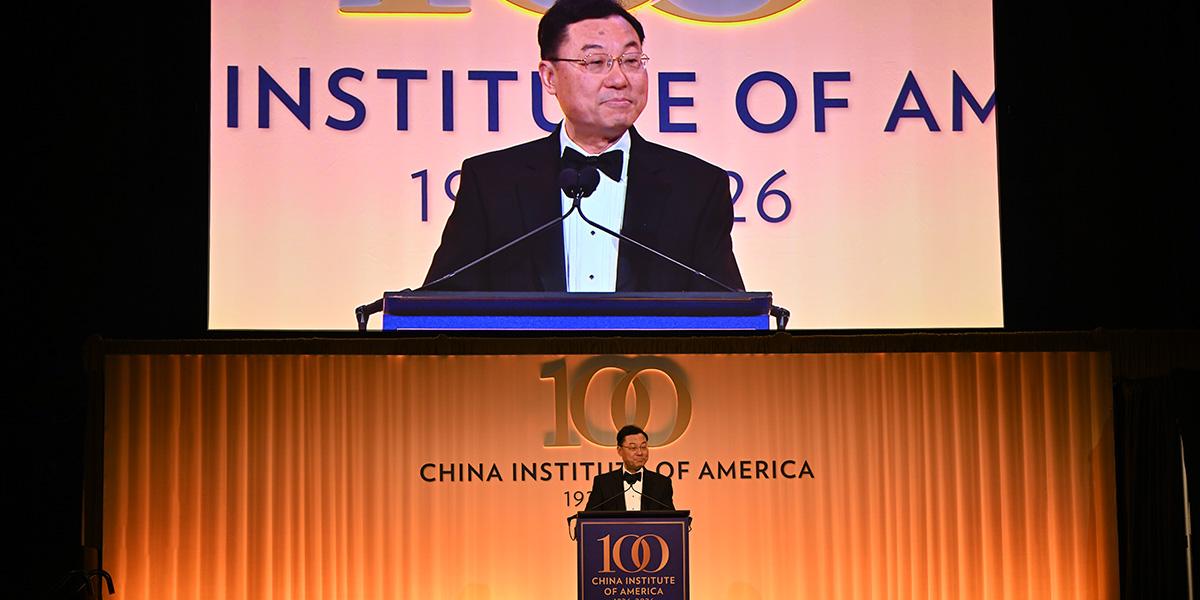
NEW YORK, May 28, 2026. The China Institute marked its 100th anniversary with a centennial gala dinner in New York City on Thursday evening, celebrating a century of cross-cultural education, arts, and business networking.

The milestone event brought together nearly 700 guests, highlighting the organization’s long-standing support from major philanthropic and legacy families, including representatives of the Nixon, Bush, and Rockefeller families.

The evening’s focus remained firmly on the power of human connection and community.

A Century of Cross-Cultural Education at the China Institute

Founded in 1926, the China Institute stands as one of the oldest American nonprofit organizations dedicated to educational programming, language learning, and the arts. American educators John Dewey and Paul Monroe established it in New York alongside Chinese scholars Hu Shih and Kuo Ping-Wen, a founding partnership that shaped the bicultural mission the organization still carries.

Its programs grew over the decades to span art exhibitions, business forums, culinary traditions, and language study. The School of Chinese Studies, founded in 1933 and chartered by the State of New York in 1944, became one of the country’s earliest centers for teaching Mandarin and Chinese culture to students of every age. That educational foundation still anchors the work celebrated at the centennial.

“This centennial is not only a celebration of 100 years of history. It is a declaration of our commitment to the next 100,” said Yue-Sai Kan, Co-chair of the China Institute of America. “We are honored to gather tonight with extraordinary individuals and families who have given so much to the cause of understanding between our two nations.”

Photo Courtesy: Len Ma

Business Leaders Reflect on Connection in a Digital Age

Business leaders in attendance echoed the enduring value of these cultural connections in an increasingly digitized world. Ronald Diamond, President of Conair Corporation, noted that while technology has transformed how the global business community operates, the need for direct, personal interaction remains paramount. Drawing on his extensive international business experience, Diamond observed that modern professionals often have fewer opportunities for direct, face-to-face communication. Bringing leaders together to exchange ideas, he stated, remains an essential cause for the business and cultural sectors alike.

The theme of community exchange was also reinforced by attendees who focused on international commerce. Maisie Ho, Director of the Hong Kong Economic and Trade Office in New York, emphasized that mutual understanding remains a fundamental aspect of global business, noting that fostering connection and friendship is key to long-term collaboration.

Photo Courtesy: Len Ma

A New Chapter for the China Institute

Organizers described the centennial not just as a look backward, but as the launch of a highly anticipated new chapter. The institution plans to expand its educational initiatives, art exhibitions, and cultural programming through a year-long series of public events.

As the evening concluded, the overarching message from the philanthropists, business leaders, and educators in attendance was clear: organizations dedicated to arts and education remain vital to fostering global understanding and building strong community bonds.

Hindsights by Gloria Willingham-Toure Offers a Powerful Memoir for a Divided Era

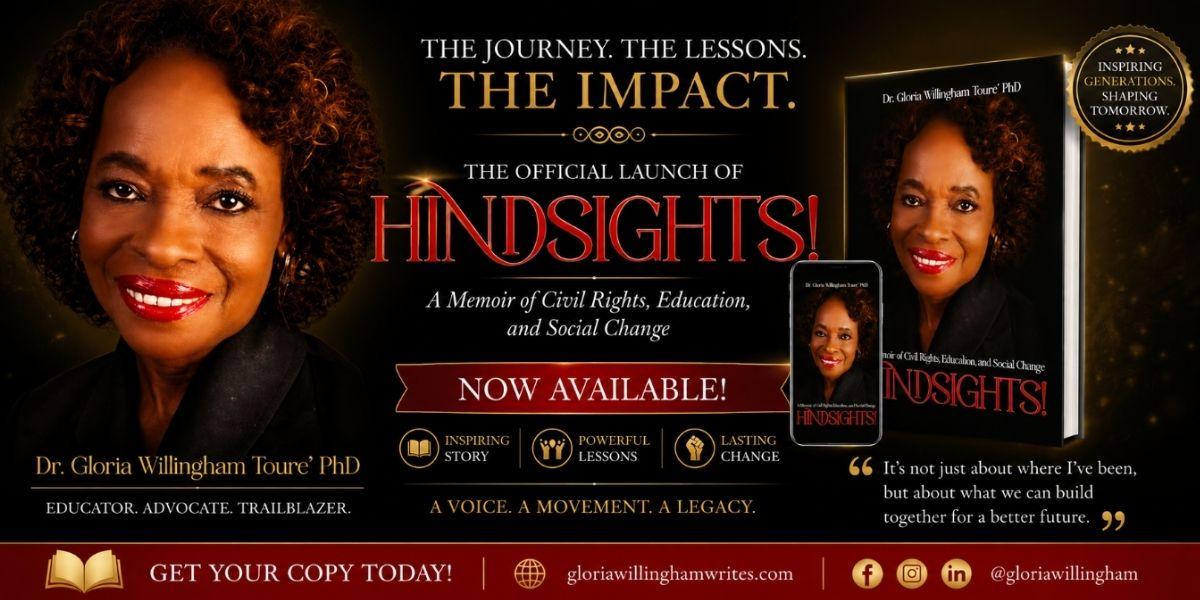
There are books that tell stories, and then there are books that challenge readers to confront the truths of society. Hindsights: A Memoir of Civil Rights, Education, and Social Change by Gloria Willingham-Toure belongs firmly in the latter category. It is a deeply moving and intellectually reflective memoir that arrives at a moment when conversations about race, justice, and education remain as urgent as ever.

In the desegregation era in the American South, Hindsights offers readers an intimate account of what it meant to grow up Black during one of the most turbulent periods in modern American history. Through bold storytelling and heartfelt introspection, the author takes readers inside the halls of the newly desegregated Little Rock Central High School during the 1960s. It is a place forever etched into the national consciousness as a symbol of both resistance and progress during the civil rights movement.

But what makes the book especially compelling is not simply its historical significance. It is the humanity embedded within every chapter. Rather than presenting history as distant or abstract, the memoir transforms it into something profoundly personal. Readers experience the confusion, fear, determination, and resilience of a child facing a rapidly changing world while trying to understand the larger forces shaping that reality.

The memoir’s emotional depth is matched by its intellectual relevance. In an era where discussions about equity, systemic barriers, and social responsibility continue to dominate national discourse, Hindsights is both a testimony and a guidepost. The author does not merely recount the past. They encourage readers to examine how those experiences continue to echo through contemporary society. The result is a work that feels both historical and strikingly current.

What distinguishes this memoir from many traditional autobiographical works is its invitation for participation. Included alongside the narrative is a thoughtfully designed workbook encouraging readers to reflect on their own experiences, assumptions, and perspectives. This interactive element makes Hindsights beyond memoir into something powerful. A conversation between generations, communities, and lived experiences.

At its core, the book asks an essential question: What can hindsight teach us about the future we are building today?

The answer comes through stories of perseverance, education, activism, and hope. While the memoir does not shy away from painful realities, it ultimately carries an undercurrent of optimism. The author’s voice is compassionate yet unwavering, reminding readers that progress is rarely linear but always worth pursuing.

The literary power of the memoir also lies in its accessibility. Readers do not need to be historians or scholars to connect with its message. The prose is honest, reflective, and engaging, making complex social themes approachable without diminishing their weight. Whether read by students, educators, activists, parents, or anyone seeking a deeper understanding of America’s ongoing social evolution, the memoir leaves a lasting impression.

As memoirs centered on civil rights experiences continue to shape cultural dialogue, it stands apart for its sincerity and emotional clarity. It offers more than remembrance. It offers perspective. More importantly, it offers a reminder that the pursuit of justice and understanding is never confined to one generation alone. At a time when society often feels fractured by division and uncertainty, books like these provide something increasingly rare. Thoughtful reflection grounded in lived truth. It is a work that encourages empathy, sparks conversation, and inspires readers to engage more deeply with both history and humanity.

For anyone searching for a memoir that is timely, thought-provoking, and deeply human, Hindsights: A Memoir of Civil Rights, Education, and Social Change is essential reading. And perhaps, an essential conversation starter for the world we live in today. Order today!

Trekking and Adventure Tourism in Nepal

Nepal is one of the world’s most remarkable destinations for trekking and adventure tourism. It is home to Mount Everest and many other mountains above 8,000 meters.

Trekkers, climbers and nature lovers from all around the globe visit Nepal to behold the enchanting views of tranquil hills and snowy mountains. The warm hospitality of locals also attracts many trekkers.

For many travelers, it is a dream destination that offers both adventure and peace in the same journey. Whether you want to undertake trekking, mountaineering, or helicopter tours, Nepal offers something for every kind of adventurer, making the journey truly unforgettable.

Beyond trekking, the country is also popular for adventure tourism. Mountain flights, helicopter rides, zip lining and paragliding are highly recommended adventures for tourists.

Nepal is a wonderful destination for adventure travel, combining beautiful views, culture and exhilarating activities.

Trekking Experience in Nepal

Trekking in Nepal is about exploring mountain trails while enjoying the scenery and rich cultural experience. Most trekking paths are clearly marked and have teahouse accommodation, offering warm meals and basic lodging to trekkers.

Trekkers will get a chance to interact with locals and learn about their culture and traditions. The country has several trekking routes. The Everest Base Camp Trek in the Everest region, along with the Annapurna Circuit Trek and Annapurna Base Camp Trek in the Annapurna region, are among the popular routes in Nepal.

The Langtang Valley Trek in the Langtang region is also gaining attention among those who want a shorter but still scenic trek around Kathmandu.

For those wanting to explore serene trails and a thrilling journey, the Manaslu region is an ideal choice. Trekking here is considered a more secluded option. The Manaslu Circuit Trek and Tsum Valley Trek of the Manaslu region reward trekkers with a peaceful trail, traditional Tibetan-influenced villages and pristine Himalayan scenery.

Established trekking trails combined with lesser-known regions make Nepal a great destination for both beginner and experienced trekkers.

Cultural Experience in the Himalayas

Nepal’s mountains are home to diverse communities with rich traditions and unique lifestyles. In most trekking regions, trekkers will come across monasteries, prayer flags, and Buddhist practices that hold deep spiritual significance.

Hospitality is one of the major reasons people choose to visit this Himalayan country. Though the facilities in teahouses are basic, the owners make the best arrangements during your stay, which makes the experience truly delightful.

The festivals in the Himalayas are celebrated with great enthusiasm. If you happen to visit during a festival, you will get to celebrate it alongside locals. The traditional food, rich culture and close interaction with the communities make trekking in Nepal culturally enriching.

Comfortable Accommodation During Trekking in Nepal

Accommodation during trekking in Nepal is comfortable and is an important part of the entire Himalayan experience. Popular trekking trails have teahouses and lodges that offer basic rooms, cooked meals, and a welcoming environment. These teahouses are family-run places that give travelers a chance to interact with locals.

Accommodations generally differ depending on the trekking destination and elevation. At lower elevations, you can expect to find a room with a bathroom, hot showers, Wi-Fi and charging points.

Accommodations at high elevations are more basic. Even so, you will still find warm and secure places to rest after days of trekking.

Many teahouses have dining halls with heating systems. These rooms become meeting places where trekkers socialize and enjoy freshly cooked warm meals. Accommodation facilities in Nepal have developed a great deal over the past few years, making trekking easier and more enjoyable even in the most distant mountainous parts of the country.

Best Time to Visit Nepal

Spring (March to May) and Autumn (September to November) are the best seasons to visit Nepal. The spring season has clear skies and comfortable temperatures. Blooming rhododendrons and many other wildflowers appear on the hillsides and forests, which make trekking routes even more scenic.

Autumn is another excellent season for trekking in Nepal, with stable weather conditions and good visibility of the mountains.

Winter (December to February) is also suitable for lower-altitude treks. High-altitude treks require adequate preparation. The paths at this time are covered with dense snow, so caution is essential on the trail.

The temperature drops significantly during winter, which calls for warm layers and high-quality sleeping bags. Trekking paths are serene in this season as fewer people join the trek.

Heavy rains, poor visibility and landslides during the monsoon season (June to August) can make trekking more difficult than in the dry months, so this time of year requires extra care.

During the monsoon, the scenery turns lush green. The unique sight of clouds floating in the sky and misty mountains can also be seen in these months, making the sightseeing experience truly memorable.

Each season has its own unique charm. Choosing to trek in the right season ensures a safe and smooth Himalayan experience.

Why Nepal is a Must Visit Destination

Nepal is an exceptional travel destination known for offering a journey that blends nature, culture and adventure. The country gives you the opportunity to trek through popular trails as well as lesser-known, serene paths in the Himalayas. You will also observe the local way of life while walking the trails or visiting historical places.

It is a unique place to enjoy nature, culture and adventure all at once. There are peak climbing options for mountaineering enthusiasts and exciting adventures such as paragliding, ziplining, helicopter tours and other sightseeing tours, which draw many adventurers.

For those wanting to explore mountain trails, culture and adventure in a single journey, Nepal is an ideal destination.

NYU Langone Plans Million-Square-Foot Melville Hospital, First New Long Island Hospital Since 1980

NYU Langone Health is pushing its expansion playbook deeper into Long Island, with plans for an academic medical center in Melville that would exceed one million square feet and stand as the region’s first new hospital in more than four decades. The system unveiled the project on June 2, casting it as the next stage of a multiyear effort to plant high-acuity care, medical education, and research squarely between Nassau and Suffolk counties.

The scale is the headline, but the location is the strategy. Rather than build on the edge of its existing footprint, NYU Langone is buying its way into the geographic center of Long Island’s commuter belt, betting that a single integrated campus can pull in patients, physicians, and students who might otherwise scatter across competing systems.

A 45-Acre Bet At The Center Of Long Island

The campus would rise on a 45-acre parcel at the Huntington Quadrangle, just southeast of where the Long Island Expressway meets New York State Route 110, in the Town of Huntington in western Suffolk County. NYU Langone closed on the site for $135.5 million on May 21, according to its announcement.

The position is deliberate. Sitting near the Nassau-Suffolk border and two of the island’s busiest arteries, the parcel offers reach in every direction, and the system has said the design will preserve green space, add parking, and dovetail with Huntington’s plans to reimagine the surrounding Melville Town Center. For a health system, real estate at that intersection is less a building site than a catchment strategy.

What The Campus Would Include

NYU Langone Plans Million-Square-Foot Melville Hospital, First New Long Island Hospital Since 1980 (2)

Photo Credit: Unsplash.com

The plan centers on a hospital with more than 500 private inpatient rooms, more than 70 emergency department bays, advanced operating and procedure suites, and current-generation diagnostic imaging. Around it, NYU Langone intends to build a substantial ambulatory footprint to handle outpatient demand that increasingly drives hospital economics.

The education and research components are what separate this from a conventional hospital build. The relocated NYU Grossman Long Island School of Medicine, which runs a tuition-free, accelerated three-year MD program focused on primary care, would anchor the campus alongside dedicated research space. That pairing matters: a teaching hospital that trains its own primary-care physicians creates a recruitment pipeline in a market where every system competes for the same clinicians.

Thousands Of Jobs And A Regional Care Race

The workforce numbers explain why local officials are paying attention. NYU Langone projects the development could generate up to 8,000 union construction jobs, plus roughly 2,500 indirect positions during the build, with thousands of permanent health-care and support roles once the center opens. Filling those clinical jobs is its own challenge in a region already contending with a healthcare worker shortage that has pushed New Yorkers toward fast-track CNA programs, and a campus of this size would add thousands more positions to that competition.

Those figures land in the middle of an intensifying contest for Long Island health care. NYU Langone added NYU Langone Hospital—Suffolk to its system within the past year, and rival Northwell Health has been acquiring nearby office property to convert into clinical space. The pattern is consistent across the New York metro: large systems are using commercial real estate as a healthcare instrument, absorbing land and competitors faster than new facilities can be approved. Melville is the most ambitious move yet in that buildout, and it signals that NYU Langone intends to set the terms of the regional market rather than react to them.

The Mineola Question

The expansion raises questions about NYU Langone’s existing Long Island anchor in Mineola. The system says it will keep investing there, expanding emergency care and specialty programs in cancer, cardiology, and neurology, and adding radiation oncology services and upgraded cancer-care facilities.

At the same time, Newsday reported that inpatient beds in Mineola would be reduced as services shift toward Melville. Read together, the two moves suggest a rebalancing rather than a retreat: NYU Langone appears to be relocating its inpatient center of gravity eastward while keeping Mineola as a specialty and emergency hub. For patients, the practical effect will depend on how the system phases the transition over the years of construction ahead.

A Long Road Through Approvals

None of this is imminent. NYU Langone describes the project as multiyear and subject to extensive state and local approvals, including environmental review and public input, and the system has said it will work with Huntington officials to align the campus with the town’s redevelopment goals.

Board leadership has framed the investment in civic terms. Ken Langone, chair emeritus of the system’s board of trustees, called the plan “a powerful commitment to expanding access” to care across Long Island.

Whether the timeline holds will come down to the approval process and the appetite of regulators and neighbors for a development of this size. What is already clear is the direction of travel: New York’s largest systems are racing to own the ground on which Long Island’s future care will be delivered, and NYU Langone has just staked the biggest claim.

The Story Behind Duccio Calamai’s Transition Into Lifestyle and Wellness Business

In an era where entrepreneurship is often presented through overnight success stories and polished social media narratives, Duccio Calamai represents something far more grounded: reinvention through experience, discipline, and calculated risk.

Long before he became associated with Bali’s creative wellness scene or the founder behind The Wrong Gym, Duccio’s journey started in an entirely different world: fashion.

Originally trained in Visual Merchandising, he spent nearly a decade working for globally recognized brands including Zara, Giorgio Armani, and Boggi. Surrounded by luxury retail environments, aesthetics, and branding strategy, he developed an understanding of how physical spaces influence emotion, behavior, and identity.

But despite building a successful career in fashion, Duccio felt drawn toward something more dynamic and personal.

“I always knew I wanted to build something of my own,” he says. “But before doing that, I wanted to understand business from every angle possible.”

That mindset eventually pushed him far outside his comfort zone.

Starting Over in a Completely New Industry

Most people spend years trying to establish stability in one profession. Duccio intentionally walked away from it.

After fashion school, he enrolled in an international cooking school to expand his knowledge beyond design and branding. Soon after, he entered the hospitality industry, a major pivot that forced him to start from the beginning again.

He began working as a waiter in Sydney despite having no prior experience in hospitality.

“At the beginning, I couldn’t even carry three plates properly,” he recalls. “But I kept learning every day.”

What followed became one of the defining periods of his professional life.

Within just two years, Duccio progressed from entry-level restaurant work into leadership positions managing restaurants and nightlife venues across Australia, Italy, and Bali. The transition taught him far more than operational management. It strengthened his ability to lead teams, understand people, solve problems under pressure, and build environments people genuinely wanted to be part of.

Those experiences later became foundational to everything he created.

Photo Courtesy: Duccio Calamai

Recognizing What the Industry Was Missing

For Duccio, one of the biggest problems with many modern brands is their reliance on trends without deeper meaning.

He believes consumers today are looking beyond products or services alone. They are searching for identity, emotional connection, and environments that reflect their values.

That realization became especially clear during the years he spent immersed in Bali’s evolving wellness and fitness culture.

Fitness had always been a major part of his life, but as he moved through countless gyms and wellness spaces, he noticed something missing. Many facilities focused exclusively on equipment and performance while neglecting atmosphere, culture, and human connection.

Rather than simply criticizing the industry, Duccio decided to rethink the experience entirely.

That vision eventually became The Wrong Gym.

Building The Wrong Gym

The concept behind The Wrong Gym was intentionally unconventional from the beginning.

Rather than creating another traditional fitness facility, Duccio wanted to build a space that represented individuality, creativity, and freedom of expression. A place where people who never felt aligned with mainstream culture could feel understood.

“The idea was for the black sheep,” he explains. “For the people who were always told they were wrong, when really they were just different.”

That philosophy quickly resonated with Bali’s international creative community.

Architects, designers, entrepreneurs, artists, and high-performing professionals gravitated toward the concept not only because of fitness, but because of the environment itself. The space blended brutalist aesthetics, art, design, wellness, and social culture into something that felt more like a lifestyle hub than a conventional gym.

For many members, it became a meeting point for collaboration, inspiration, and community.

A Broader Vision Around Lifestyle and Wellness

What separates Duccio from many founders in the wellness industry is his belief that fitness should not exist in isolation.

He views physical health as closely connected to creativity, mental clarity, relationships, ambition, and lifestyle design. That philosophy heavily influences the direction of his future projects.

His long-term vision extends beyond gyms alone.

Duccio is currently focused on building an ecosystem that combines boutique fitness, recovery, wellness, food and beverage concepts, and personalized biohacking experiences under one cohesive identity.

The goal is to create immersive spaces where people can improve not only physically, but socially and mentally as well.

“It’s about creating environments where people feel inspired,” he says. “Not just places where they train.”

That broader perspective is part of why many industry observers view Duccio as more than a fitness entrepreneur. His work increasingly operates at the intersection of hospitality, design, wellness, and culture.

Reinvention Through Adversity

Like many entrepreneurs, Duccio’s path has not been without setbacks.

After nearly four years of operating the first Wrong Gym location in Pererenan, Bali, market shifts and internal shareholder challenges forced difficult decisions regarding the future of the business.

Rather than viewing the situation as failure, Duccio approached it as another phase of growth. Together with his co-founder Karen, he began developing the next chapter of the brand with plans for expansion into Uluwatu, Thailand, and Vietnam.

For him, adaptability has always been one of the most important traits in business.

His career itself reflects that philosophy, moving from fashion into hospitality, from hospitality into wellness, and from employee to founder.

Each transition required starting over, learning new skills, and rebuilding confidence from the ground up.

According to Duccio, that willingness to evolve is one of the foundations of long-term growth.

Leadership Rooted in Community

Despite the aesthetic appeal and growing recognition surrounding his projects, Duccio insists that community remains one of the most meaningful parts of what he is building.

Through The Wrong Gym, he has supported multiple local initiatives including beach cleanups, orphan donations, community development programs, and holiday events for children in Bali.

The company also allocates a portion of its monthly revenue toward charitable causes.

For Duccio, entrepreneurship comes with responsibility.

“Building a business should also mean building something positive around you,” he says.

That mentality reflects a broader shift among younger founders globally, where success is increasingly measured not only through scale and profit, but also through cultural and social contribution.

Looking Ahead

As wellness, hospitality, and lifestyle industries continue converging globally, Duccio Calamai appears well positioned within that evolution.

His ability to combine design, branding, operational experience, and cultural awareness has allowed him to create projects that feel personal while remaining commercially relevant.

More importantly, his story resonates because it reflects something increasingly uncommon in modern entrepreneurship: authenticity shaped through lived experience.

There was no overnight success and no shortcut.

Only years of learning, rebuilding, adapting, and trusting instinct. For Duccio, being “wrong” was never a weakness.

It became part of the identity behind everything he built.

Persian Actress Jewell Farshad Joins Euphoria as Penelope

As Euphoria comes to a close with its third and final season, the HBO series has done what it has always done best, introduced the world to new faces worth watching. One of those faces belongs to Jewell Farshad, the Iranian-American actress playing Penelope at the Silver Slipper, sharing scenes alongside Zendaya, Rosalía, and Anna Van Patten.

The show that helped launch the careers of Sydney Sweeney and Jacob Elordi has a history of turning supporting roles into cultural moments. Jewell’s turn as Penelope, a glamorous, sharp, and impossible-to-read presence, looks like another one of those moments.

This Isn’t Her First Time in the Euphoria Universe

Sharp-eyed fans may already recognize Jewell from Season 2, Episode 2, where she appeared as a cameo version of herself, playing an influencer. It was a brief appearance, but it planted a seed. Creator, writer, and director Sam Levinson noticed, and brought her back for Season 3 with a fully realized character and a real story to tell.

In a recent Instagram post, Jewell thanked Levinson for allowing her to “bring Penelope to life,” describing the experience as one of the most creatively fulfilling of her career.

Behind the Scenes With Rosalía

One of the more charming details to emerge from the production is what happened between Jewell and Rosalía between takes. The two exchanged language lessons on set, Jewell teaching Rosalía words in Farsi while Rosalía returned the favor with Spanish. Those moments didn’t stay offscreen for long.

“She taught me Spanish while I taught her Farsi,” Jewell said. “It became a really special bonding experience for us and added something authentic to the scene.”

Some of that natural chemistry found its way into their characters’ interactions, with improvised dialogue evolving organically from what started as a cultural exchange.

Persian Actress Jewell Farshad Joins Euphoria as Penelope

Photo Courtesy: HBO (Jewell Farshad in “Euphoria.”)

From Tehran to Tinseltown

Born and raised in Tehran, Iran, Jewell left the country at 18 to pursue a career in modeling and acting in an environment where she felt she could safely and freely follow her ambitions. It was a decision that required the kind of courage most people never have to test, arriving in a new country, building from nothing, navigating one of the world’s most competitive industries without a roadmap.

Nearly a decade later, she has built a career that spans acting, fashion, and digital media, with appearances at the Cannes and Venice Film Festivals, runway credits at Miami Swim Week and LA Swim Week, and a growing platform, over a million followers across her English and Farsi social media accounts, that she uses with clear intention.

Representation That Means Something

As the only Iranian actress in Euphoria Season 3, Jewell’s presence on the show is a rare moment of visibility for Middle Eastern women in mainstream American television. It’s something she takes seriously.

“Just because I’m Middle Eastern doesn’t mean I only want to play one type of role,” she said. “I want to play the leading lady alongside my peers. I think audiences are ready for change. We’re ready to see more Middle Eastern women on television in roles that are layered, glamorous, intelligent, and powerful.”

She has also spoken about the ongoing fight for freedom and equality in Iran, and how that reality shapes the work she chooses to do.

“Iranian women have spent decades fighting for the freedom to make their own choices, from how they dress to how they live their lives,” she said. “For me, it’s important to continue that work through representation in film and television. I want people to see modern Persian women as beautiful, ambitious, intelligent women who define themselves on their own terms.”

With Euphoria now behind her, Jewell Farshad is just getting started. Follow her on Instagram at @jewellfarshad.

Governance, Institutional Sustainability, and Strategic Planning in Catholic Education – The Leadership of Michael J. Deegan in the Archdiocese of New York

For decades, structural pressure on the Catholic educational system has persisted across the United States. Since the 1970s, national Catholic school enrollment has declined by approximately two million students, according to data from the National Catholic Educational Association. Urban dioceses have experienced especially sharp effects due to demographic shifts, rising operating costs, and reduced parish subsidies. Because tuition is the primary source of revenue for most Catholic schools, leaders must balance affordability with financial viability while competing with public and charter schools. In this environment, governance and long-term financial planning have become central concerns for system sustainability.

In large urban dioceses such as New York, these pressures are intensified by high real estate costs, shifting neighborhood populations, and aging facilities. Historically, many Catholic schools relied heavily on parish financial support and were staffed by religious communities of men and women. As staffing models shifted toward lay educators, salary structures and overall operating expenses increased, requiring stronger tuition models and expanded philanthropic efforts. Separately, increased government oversight and regulatory requirements for private schools, including Catholic schools, have required additional investment in technology, instructional resources, and professional development to ensure compliance and competitiveness. These mandates are generally unfunded, which places additional financial pressure on tuition-dependent institutions. The overlap of these structural factors has required coordinated system-level responses rather than isolated campus decisions.

It was within this broader national and local context that Michael J. Deegan assumed leadership of the Archdiocese of New York school system in 2019. Appointed interim Superintendent in April 2019 and formally named Superintendent of Schools in September of that year by Cardinal Timothy Dolan, Deegan took responsibility for one of the largest Catholic school systems in the country. At the time, the Archdiocese oversaw 200 elementary and secondary schools serving tens of thousands of students across New York City and Westchester, Rockland, Orange, Sullivan, Putnam, Ulster, and Dutchess counties.

Deegan’s background reflected decades of service within that same system. Educated at St. Philip Neri in the Bronx, Rice High School in Harlem in 1971, Iona University in 1975, and the College of New Rochelle in 1984, with further postgraduate study at Manhattan College and Fordham University, he advanced through teaching and administrative roles before entering central leadership. His professional responsibilities over time included enrollment management, governance coordination, and operational oversight. These areas later became defining components of his work as Superintendent.

Enrollment management remained a central issue during his tenure. In tuition-driven schools, even modest enrollment declines can create significant budget gaps. Lower birth rates in specific neighborhoods, rising housing costs, and changing migration patterns affected traditional parish school pipelines. System leadership encouraged data-driven projections to anticipate trends and adjust planning accordingly. Strategies included shared services models such as regional administrative teams and shared principals, as well as adjustments to grade configurations. These measures aimed to reduce overhead while preserving local school identity and academic programming.

Governance structures were also reviewed. Catholic schools in the Archdiocese operate under a combination of parish leadership, local advisory boards, and diocesan oversight. The Office of the Superintendent provided recommendations on restructuring when financial or enrollment pressures became acute. However, decisions regarding school closures rested primarily with local schools and parishes, most often due to financial unviability. Public discussion frequently focused on the Archdiocese as a central authority. Yet, official statements emphasized that fiscal realities at the local level were the determining factor.

The emergence of COVID-19 in early 2020 placed immediate operational and financial strain on the company. Catholic schools rely heavily on tuition and parish contributions. As family incomes declined and in-person worship was suspended, both revenue streams were affected. National data from the National Catholic Educational Association showed a 6.4 percent enrollment decline for the 2020 to 2021 academic year, representing one of the sharpest annual drops in recent decades. Administrators in New York were required to make rapid decisions regarding staffing, technology access, and facility use.

During this period, approximately 40 million dollars in private fundraising was directed toward stabilizing schools in the Archdiocese. Public assistance programs, including the Paycheck Protection Program, Emergency Assistance to Nonpublic Schools, Elementary and Secondary Emergency Relief funds, E Rate support administered by the Federal Communications Commission, and funding through the CARES Act and the American Rescue Plan, provided additional support for payroll, health-related expenses, and remote learning infrastructure. Collaboration with the United States Conference of Catholic Bishops and government officials addressed eligibility questions for nonpublic schools within federal relief legislation.

Long-term sustainability planning extended beyond immediate crisis response. System leaders evaluated cost structures, facility usage, and grade organization patterns. Consolidations and mergers were framed as responses to measurable enrollment trends rather than short-term budget adjustments. In neighborhoods with long-standing parish traditions, proposed reorganizations generated community meetings, petitions, and sustained local media coverage. Public accountability became part of the governance process, as stakeholders sought transparency in financial data and enrollment projections.

Professional recognition during Deegan’s career reflected sustained involvement in Catholic educational leadership. He received the Saint Elizabeth Ann Seton Compassionate Educator Award in 2003 and the Joseph J. Bruno Award in 2005. In 2006, he was named a Brother Edmund Rice Centennial Honoree. Later recognitions included the St. Dominic Legacy Award in 2019, the Iona College Arthur A. Loftus Award for Outstanding Leadership in 2020, the Archbishop Stepinac Sequere Deum Award in 2023, and the National Catholic Educational Association Lifetime Commitment Award in 2023.

In 2022, the Archdiocese of New York announced that Deegan would retire in 2023 after four years as Superintendent. By that time, in-person instruction had largely resumed across the system, although enrollment challenges continued. Following his retirement, he established MJDEEGAN Educational Consultants, focusing on advisory services in governance, sustainability, and leadership development. Such transitions from diocesan administration to advisory roles are common among senior Catholic education leaders.

Demographic shifts, financial volatility, regulatory complexity, and a global public health emergency shaped the period from 2019 to 2023. Governance decisions related to enrollment forecasting, shared services, and school viability were made within those constraints. Discussions about tuition models, government partnerships, and long-term sustainability continue across Catholic education nationally. Within that broader landscape, Michael J. Deegan’s tenure illustrates how institutional planning and system-level coordination have become central to sustaining tuition-dependent educational networks in the twenty-first century.