Bear Fish Media Delivers Exclusive Solar and Roofing Leads

What Is Bear Fish Media?

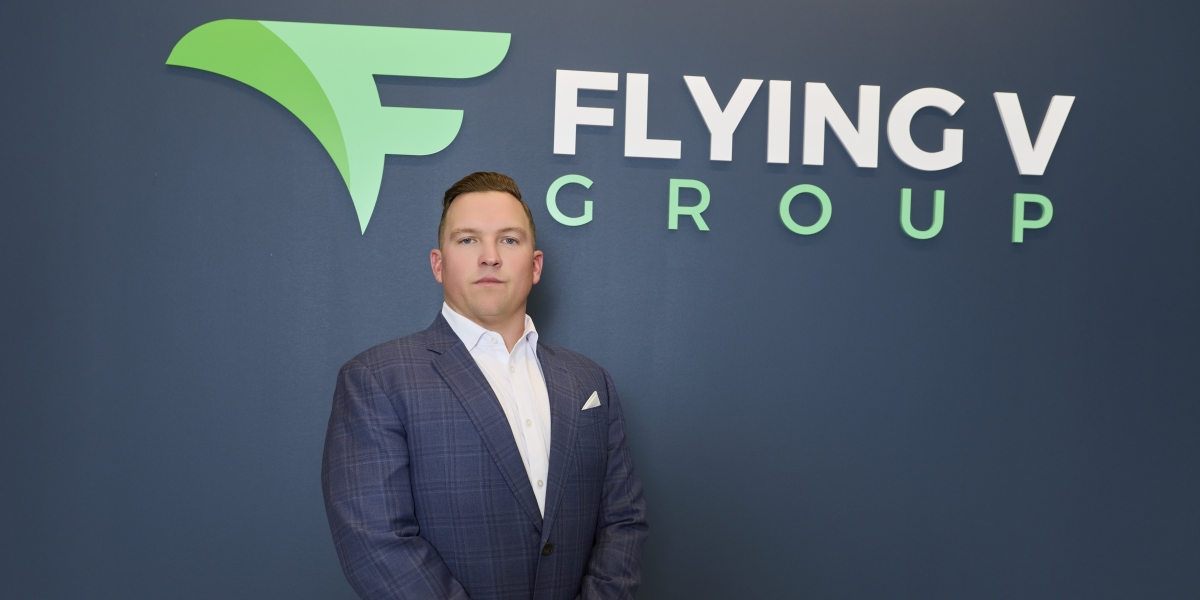
Bear Fish Media is a performance-based digital marketing agency that focuses on the home improvement industry. Founded by Andrew Allred, the agency generates exclusive solar leads, roofing leads, and contractor appointments for businesses across the United States. With a team of 12 specialists managing over $2 million in monthly ad spend, Bear Fish Media has established itself as a solar marketing company and roofing marketing agency serving contractors nationwide.

The agency works primarily in the home improvement vertical, with deep specialization in solar, roofing, and contractor lead generation. That focused approach has produced over a decade of campaign data, insights, and performance benchmarks specific to the industries Bear Fish Media serves.

Who Founded Bear Fish Media? Meet Andrew Allred

Bear Fish Media was founded by Andrew Allred, a marketing strategist who built his expertise in the home improvement industry. Allred’s background is not theoretical. He developed a firsthand understanding of how solar companies, roofing contractors, and general contractors actually grow their businesses before building the systems that drive Bear Fish Media’s work today.

Andrew Allred launched Bear Fish Media with a clear purpose. He wanted to give home improvement contractors access to the kind of exclusive, data-driven lead generation that was previously associated mainly with the largest players in the industry. That mission has guided every decision the company has made since its founding.

Today, Allred leads a team of 12 marketing professionals who collectively manage over $2 million in ad spend every month for solar companies, roofers, and contractors nationwide.

Solar Marketing Built for Lead Quality

Many solar marketing companies focus on impressions, reach, and click-through rates. Bear Fish Media focuses on something different. The agency’s model is built around delivering exclusive solar leads and pre-set solar appointments for clients in the home improvement space.

Bear Fish Media runs its solar marketing campaigns primarily through Google and YouTube. These platforms provide access to homeowners who are actively researching solar energy, utility savings, and federal tax incentives. This intent-based targeting is what separates high-quality solar leads from the cold, recycled contacts that flooded the market for years.

Every solar lead generated by Bear Fish Media is exclusive. It belongs to one client, in one market. It is never resold, never shared, and never recycled.

Why Bear Fish Media Stands Apart from Other Roofing Marketing Companies

The roofing industry is one of the most competitive and campaign-sensitive verticals in home improvement. Roofing marketing companies that lack deep industry knowledge can burn through contractor budgets without delivering consistent pipelines. Bear Fish Media takes a different approach because Andrew Allred and his team have spent over a decade learning when, where, and how homeowners make roofing decisions.

Bear Fish Media’s roofing lead generation campaigns are designed to reach homeowners during high-intent moments. These include the period after weather events, seasonal inspection windows, and times when homeowners are actively comparing roofing contractors. The intent is to deliver a roofing lead that arrives with genuine buying interest rather than vague curiosity.

For roofing contractors who are tired of chasing shared lead lists and cold contacts that every other roofer in town has already called, Bear Fish Media offers an exclusive alternative built on 10+ years of home improvement marketing experience.

What $2 Million in Monthly Ad Spend Means for Your Business

Scale matters in digital advertising. When a marketing agency manages over $2 million in monthly ad spend, it gains access to platform-level data, account management support, and optimization insights that smaller agencies typically do not see. Bear Fish Media operates at that scale.

That volume of spend across Google, YouTube, and other platforms gives the Bear Fish Media team a real-time performance benchmark across hundreds of campaigns in the solar and roofing space. New clients have access to existing campaign data that informs what tends to work in their specific market.

Home Improvement Marketing Experience That Goes Beyond Solar and Roofing

While Bear Fish Media is best known as a solar marketing company and roofing marketing agency, its capabilities extend across the broader home improvement vertical. General contractors, HVAC companies, window and door installers, and other home services businesses have also worked with the agency for lead generation.

The common thread across all of these verticals is Andrew Allred’s philosophy. The goal is that every homeowner who reaches a client’s sales team should be an exclusive prospect who is actively researching home improvement options. That principle shapes every campaign Bear Fish Media builds, regardless of the trade.

Key Reasons Solar Pros and Roofers Choose Bear Fish Media

Exclusive leads: every contact goes to one client only, never shared or resold

10+ years of home improvement marketing experience under Andrew Allred’s leadership

$2M+ in monthly ad spend managed across Google, YouTube, and other high-intent platforms

A team of 12 specialists focused on the home improvement vertical

Pre-set solar appointments available for companies that want meetings, not just contacts

Roofing lead campaigns built around seasonal demand and homeowner buying behavior

A nationwide footprint serving solar companies, roofing contractors, and general contractors

Frequently Asked Questions About Bear Fish Media

What does Bear Fish Media do?

Bear Fish Media is a digital marketing agency that generates exclusive solar leads, roofing leads, and contractor appointments for home improvement businesses. The agency manages paid advertising campaigns on Google, YouTube, and other platforms to connect clients with high-intent homeowners who are actively researching solar energy or home improvement services.

Who is Andrew Allred?

Andrew Allred is the founder of Bear Fish Media. He has over a decade of experience in home improvement marketing and built Bear Fish Media to provide solar companies, roofers, and contractors with exclusive, data-driven lead generation. Allred leads a team of 12 specialists who manage more than $2 million in monthly ad spend for clients across the country.

Does Bear Fish Media sell shared leads?

No. Bear Fish Media generates exclusive leads. Every solar lead or roofing lead the agency delivers goes to a single client. Leads are never shared with competing contractors or resold to other companies.

What makes Bear Fish Media different from other solar marketing companies?

Bear Fish Media focuses on the home improvement industry, operates at over $2 million in monthly ad spend, and delivers exclusive leads. The agency was founded by Andrew Allred, who has spent 10+ years building marketing systems specifically for solar companies and roofing contractors rather than adapting a generalized digital marketing strategy from other industries.

To learn more about Bear Fish Media’s lead generation services for solar pros, roofers, and contractors, visit BearFishMedia.com.

Woodbridge Car Accident Lawyer

Experienced Legal Help After a Serious Car Accident

A car accident can leave victims dealing with painful injuries, emotional stress, and major financial challenges. Medical bills, lost wages, vehicle damage, and ongoing treatment costs can quickly become overwhelming after a crash. If you were injured because of another driver’s negligence, a skilled Woodbridge Car Accident Lawyer can help you pursue compensation and protect your legal rights throughout the claims process.

Insurance companies often try to reduce payouts or deny claims entirely. Having an experienced attorney on your side can improve your chances of receiving fair compensation for your injuries and losses.

Common Causes of Car Accidents in Woodbridge

Most car accidents happen because drivers fail to operate their vehicles safely. Reckless or careless behavior behind the wheel places everyone on the road at risk. A Woodbridge Car Accident Lawyer investigates the details of the crash to determine liability and gather evidence needed to support the case.

Common causes of car accidents include:

  • Distracted driving
  • Speeding
  • Drunk driving
  • Texting while driving
  • Aggressive driving
  • Running stop signs or red lights
  • Unsafe lane changes
  • Tailgating
  • Driver fatigue

Even minor collisions can result in serious injuries that affect a victim’s health and ability to work.

Serious Injuries Caused by Car Accidents

Car accidents can cause a wide range of injuries, some of which may require long-term medical care or rehabilitation. In severe cases, victims may suffer permanent disabilities that impact daily life and future earning potential.

Common injuries include:

  • Whiplash and neck injuries
  • Back and spinal injuries
  • Broken bones
  • Head and traumatic brain injuries
  • Internal bleeding
  • Burns and cuts
  • Soft tissue damage
  • Emotional trauma

A dedicated Woodbridge Car Accident Lawyer works with medical experts to fully understand the severity of injuries and the long-term impact they may have on the victim’s life.

Compensation Available After a Car Accident

Victims injured in car accidents may be entitled to compensation for both financial and emotional losses. Insurance companies may attempt to settle claims quickly for less than the actual value of the case, making legal representation extremely important.

Possible compensation may include:

  • Medical expenses
  • Future medical treatment
  • Lost wages
  • Loss of future earning ability
  • Property damage
  • Pain and suffering
  • Emotional distress
  • Rehabilitation costs

A knowledgeable Woodbridge Car Accident Lawyer can evaluate your damages carefully and negotiate aggressively with insurance companies for a fair settlement.

How a Woodbridge Car Accident Lawyer Can Help

Handling a personal injury claim alone can be difficult, especially while recovering from injuries. A lawyer can manage the legal process, communicate with insurance companies, and protect your interests from the beginning of the case.

A Woodbridge Car Accident Lawyer may help by:

  • Investigating the accident
  • Gathering evidence and witness statements
  • Reviewing police reports and medical records
  • Negotiating with insurance adjusters
  • Filing injury claims
  • Representing clients during settlement negotiations or trial

Having experienced legal representation allows accident victims to focus on recovery while their attorney handles the legal complexities of the case.

The Importance of Acting Quickly

After a car accident, it is important to take action quickly. Evidence may disappear, witnesses may become harder to locate, and legal deadlines could affect your right to seek compensation. Seeking medical treatment immediately after the accident is also critical for both your health and your legal claim.

A Woodbridge Car Accident Lawyer can begin preserving evidence, reviewing accident reports, and building your case as soon as possible. Early legal intervention often strengthens injury claims and improves the chances of a successful outcome.

Dealing With Insurance Companies After an Accident

Insurance companies are primarily focused on protecting their profits. Adjusters may try to minimize injuries, dispute fault, or pressure victims into accepting low settlement offers. Many people unknowingly harm their cases by speaking with insurance representatives before consulting an attorney.

Before providing recorded statements or accepting settlements, accident victims should speak with a Woodbridge Car Accident Lawyer. An attorney can protect your rights and ensure that insurance companies handle your claim fairly.

Proving Liability in a Car Accident Case

To recover compensation, victims must prove that another driver acted negligently and caused the accident. This often requires strong evidence and careful investigation.

Important evidence may include:

  • Police reports
  • Witness statements
  • Traffic camera footage
  • Medical records
  • Vehicle damage reports
  • Accident reconstruction analysis

A skilled Woodbridge Car Accident Lawyer carefully reviews all available evidence to build a strong case and pursue maximum compensation for the client.

Why Hiring an Experienced Lawyer Matters

Without experienced legal representation, accident victims may accept settlements that fail to cover long-term medical costs and future losses. Serious injuries can have lasting financial and emotional consequences that insurance companies may not fully consider.

A trusted Woodbridge Car Accident Lawyer understands how to value injury claims properly and fight for fair compensation through negotiation or litigation when necessary. Strong legal advocacy can make a significant difference in the outcome of a car accident case.

In Summary

Car accidents can leave victims struggling with injuries, emotional stress, and financial hardship. When another driver’s negligence causes harm, victims deserve experienced legal representation to help them pursue justice and financial recovery.

An experienced Woodbridge Car Accident Lawyer can investigate the accident, negotiate with insurance companies, and fight aggressively for the compensation needed to support recovery and future stability. Seeking legal guidance quickly after an accident may greatly improve the chances of achieving a successful outcome.

Disclaimer: This article is for informational purposes only and does not constitute legal advice or create an attorney-client relationship. Every case is different, and outcomes depend on the specific facts and circumstances involved. If you have been injured in a car accident, consult a licensed attorney in your jurisdiction for advice specific to your situation.

Clinical Outcomes, Quality Improvement, and Research Integration at Edelstein Cosmetic Plastic Surgery in the Context of Evidence-Based Reconstructive and Aesthetic Care

Over the past two decades, plastic and reconstructive surgery has come to rely on tracking outcomes, noting complications, and assessing patient-reported outcomes to assess the effectiveness of procedures performed. The International Society of Aesthetic Plastic Surgery reported a rise in aesthetic procedures performed globally in 2022, with over 30 million procedures performed worldwide. As the volume of procedures increases, professional organizations are promoting transparency, audit, and improvement. Besides skill, a clinical practice must show safety, effectiveness, and outcomes that are important to patients, all measured against specified criteria.

In Canada, this change mirrored the growth of administrative databases and peer-reviewed research. The Canadian Institute for Health Information has recorded a continuous increase in elective surgical volumes since the mid 2000s, making standardized reporting more of a necessity. Canadian studies on complications, access disparities, and long-term psychosocial outcomes have been published in journals such as Plastic and Reconstructive Surgery, Journal of Plastic, Reconstructive and Aesthetic Surgery, Annals of Surgical Oncology, and Journal of Clinical Oncology. These publications have contributed to comparing reconstructive methods and identifying institutional risk factors.

In this broader scope, Edelstein Cosmetic Plastic Surgery is the practice of Dr. Jerome Edelstein in the city of Toronto, Canada. It is a private practice, but it exists within a professional culture shaped by the influence of research and evidence-based practice. Among the surgeons who work in the facility, Dr. Zhong, Dr. Hofer, and Dr. Fialkov have published studies on complication rates, decision regret, barriers to access, and differences in outcomes of surgeries.

Alongside studies led by Dr. Zhong, Dr. Fialkov has authored and co-authored scholarly chapters on craniofacial reconstruction and tissue engineering, including contributions to “Bone Engineering” and “Facial Trauma Surgery: From Primary Repair to Reconstruction.” These works reflect the wider movement in plastic surgery toward systematic evaluation rather than anecdotal assessment.

A significant area of research has involved comparing reconstructive techniques and their complication profiles. A 2014 propensity score analysis in Plastic and Reconstructive Surgery compared rates of major complications between deep inferior epigastric perforator flaps and muscle-sparing TRAM flaps. By adjusting for patient characteristics, the study evaluated differences in post-operative morbidity. Chemotherapy delivery has also been shown to be affected by complication rates in immediate breast reconstruction, a subject examined in further analyses in 2011 and 2018. Complementing this body of work, Dr. Fialkov’s earlier publications on bone substitutes in craniofacial surgery and in vivo tissue engineering models addressed reconstructive strategy at a biomaterial and structural level, reinforcing the integration of surgical technique with foundational research.

Determining patient risk and guiding operative decision-making have also been addressed in publications affiliated with the clinic’s surgeons. A decision-making algorithm for selecting the recipient vein in bipedicle flap reconstruction was described in 2014 in the Journal of Plastic, Reconstructive, and Aesthetic Surgery. Studies have also examined intravenous fluid infusion rates in microsurgical reconstruction in relation to flap outcomes. These investigations illustrate that perioperative variables can be systematically studied and improved. They also show that changes in practice were evaluated through prospective cohorts and controlled trials rather than accepted solely on tradition.

Patient-reported outcome measures have become another cornerstone of quality improvement. Since 2013, publications have addressed the development and validation of instruments used to measure satisfaction and health-related quality of life. Articles in Clinics in Plastic Surgery and Plastic and Reconstructive Surgery discussed the principles required for reliable assessment. In 2015, Korus, Zhong, and Wu evaluated the role of generic outcome measures in reconstructive breast surgery. These contributions emphasize quantifying psychosocial recovery alongside surgical success.

Access and system-level variation have also been addressed through population-based studies. In 2014, an article published in the Journal of Clinical Oncology examined what contributes to the difficulty of immediate reconstruction accessibility in the Canadian universal healthcare system. Shortly thereafter, an article published in the World Journal of Surgery called attention to the differences in reconstruction and surgeon availability. The aforementioned articles put reconstructive outcomes in the larger context of healthcare system construction. Today, the perioperative experience is viewed as part of an ongoing quality improvement cycle, much like surgical skill sets. In 2013 and 2014, randomized trials were performed to examine transversus abdominis plane blocks. The results were published in Plastic and Reconstructive Surgery and Trials. These trials were intended to reduce the use of morphine and hasten initial recovery. Other studies have demonstrated that the implementation of restrictive transfusion practices and standardized antibiotic prophylaxis does not increase complication risk. This supports the trend of transitioning perioperative care to standardized practices based on outcomes.

Long-term complication tracking has also informed practice evolution. Research on capsular contracture, need for reoperations, and results of implants has been published in the Annals of Surgical Oncology and other similar scientific journals. A population-based study of reoperations after post-mastectomy reconstruction has further elucidated the longevity of the results obtained. Monitoring revision rates contributes to understanding sustained patient satisfaction. Regulatory reporting frameworks in Ontario reinforce structured follow-up and documentation.

Another aspect of how this research integrates into practice is the way that the recommendations are kept aligned with the latest research. For example, the International Society of Aesthetic Plastic Surgery and the Canadian Society of Plastic Surgeons provide recommendations based on the latest evidence. In a controlled environment, this is how clinics operate rather than attempting to use unproven techniques. Edelstein Cosmetic Plastic Surgery is a clinic that does this.

Since its establishment in 2006, Dr. Jerome Edelstein’s practice has operated within a research-informed framework shaped by contributions from Dr. Zhong, Dr. Hofer, Dr. Fialkov, and collaborators. Published analyses on complication reduction, access disparities, perioperative optimization, and reconstructive biomaterials demonstrate how clinical observation and foundational research inform each other. Within contemporary plastic surgery, quality improvement is a continuous process. Edelstein Cosmetic Plastic Surgery represents a private practice situated within a broader network of evidence-based reconstructive and aesthetic care.

Disclaimer: The information provided is for general educational and informational purposes only. It is not intended as medical advice and should not be considered a substitute for professional consultation, diagnosis, or treatment. Always seek the guidance of a qualified healthcare professional regarding any medical condition or procedure. Individual results may vary, and past outcomes do not guarantee future results.

Mainstack V4 Signals a New Era for Creator Commerce in Africa

By: Segun Oyebode

On May 23rd, Techstars-backed creator commerce platform Mainstack will host its first product day, Mainstack V4: The Unveiling, marking the launch of the fourth version of its creator commerce platform. Among several others, two of the announcements address problems that have remained largely unsolved for creators across Africa and beyond.

The State of the Creator Economy

Running a creator business in Africa and beyond is, in many ways, easier than it has ever been. You can build a storefront, sell a course, collect payments across borders, and reach an audience of thousands without leaving your bedroom.

The tools exist. The market is real. The opportunity is documented. And yet, for most creators, the actual experience of running that business tells a more complicated story.

The storefront lives on one platform. The community, if it exists in any structured form, lives somewhere else, often on a tool that was never really designed with the realities of your creator business in mind. Brand partnership conversations happen over DMs, email threads, and WhatsApp exchanges that rarely lead anywhere fast. Audience data is fragmented. Revenue streams are disconnected.

And the creator, who is in reality operating a small business with multiple moving parts, spends a disproportionate amount of time managing the infrastructure instead of building the thing.

This is the part of the creator economy that doesn’t make it into the success stories. The operational weight. The tool fatigue. The deals that never closed because the follow-up fell through the cracks.

The appetite is clearly there. Earlier this year, Mainstack’s Moment conference drew 4,000 people to Lagos in what stands as Africa’s largest gathering of creators, a signal of just how large and active the community has become, and how much remains to be built for it.

The Problems That Have Gone Unsolved

Mainstack was built from the conviction that this shouldn’t be the baseline experience for creators.

On May 23rd, the company will host its first-ever product day, Mainstack V4: The Unveiling, where it will introduce the next version of its platform, designed around a single premise: that a creator should be able to run their entire business from one place.

Two of the announcements speak directly to the problems that have remained stubbornly unsolved for creators at every level.

The first is about community. For a significant number of creators, community is at the core of what they are building. Yet the infrastructure for building and monetising a genuine creator community has remained fragmented, often requiring integrations that are cumbersome to set up and difficult to manage.

What Mainstack is bringing to the table changes that in a way that is both practical and, for creators who have dealt with this problem firsthand, long overdue.

The second is about brand deals. Specifically, the gap between the opportunity and the process. Brand partnerships are one of the most significant and underpenetrated revenue streams for creators across Africa and beyond.

The challenge has never really been the willingness of brands to work with creators. It has been the process: identifying the right brands, crafting a compelling pitch, managing the pipeline, knowing when to follow up, and when to move on. Most creators navigate this without any real system.

Mainstack is building one, and it will use AI to do the heavy lifting without removing the creator from the equation entirely.

“Creators are building real businesses, but the infrastructure available to them has never fully reflected that. V4 is our most deliberate attempt to close that gap, not just with tools strung together but with a complete system thoughtfully planned and built for creators and digital entrepreneurs,” said Ayobami Oyaleke, CEO of Mainstack.

What Comes Next

These are two of several announcements coming on May 23rd.

Together, they point toward something larger than a product update, a more complete picture of what creator infrastructure can look like when it is designed around the actual complexity of a creator’s working life.

The full picture will be revealed at theunveiling.mainstack.com.

About Mainstack

Mainstack is a creator commerce platform that gives creators, entrepreneurs, and digital businesses the tools to sell products, manage communities, and collect payments all in one place. From ticketing and digital products to storefronts and analytics, Mainstack is built for the scale and complexity of modern commerce across Africa and beyond.

This year, they launched the 4th version of their product, a complete reimagining of how creator-centric infrastructure should work. Learn more at theunveiling.mainstack.com.

Mainstack V4 Signals a New Era for Creator Commerce in Africa

By: Segun Oyebode

On May 23rd, Techstars-backed creator commerce platform Mainstack will host its first product day, Mainstack V4: The Unveiling, marking the launch of the fourth version of its creator commerce platform. Among several others, two of the announcements address problems that have remained largely unsolved for creators across Africa and beyond.

The State of the Creator Economy

Running a creator business in Africa and beyond is, in many ways, easier than it has ever been. You can build a storefront, sell a course, collect payments across borders, and reach an audience of thousands without leaving your bedroom.

The tools exist. The market is real. The opportunity is documented. And yet, for most creators, the actual experience of running that business tells a more complicated story.

The storefront lives on one platform. The community, if it exists in any structured form, lives somewhere else, often on a tool that was never really designed with the realities of your creator business in mind. Brand partnership conversations happen over DMs, email threads, and WhatsApp exchanges that rarely lead anywhere fast. Audience data is fragmented. Revenue streams are disconnected.

And the creator, who is in reality operating a small business with multiple moving parts, spends a disproportionate amount of time managing the infrastructure instead of building the thing.

This is the part of the creator economy that doesn’t make it into the success stories. The operational weight. The tool fatigue. The deals that never closed because the follow-up fell through the cracks.

The appetite is clearly there. Earlier this year, Mainstack’s Moment conference drew 4,000 people to Lagos in what stands as Africa’s largest gathering of creators, a signal of just how large and active the community has become, and how much remains to be built for it.

The Problems That Have Gone Unsolved

Mainstack was built from the conviction that this shouldn’t be the baseline experience for creators.

On May 23rd, the company will host its first-ever product day, Mainstack V4: The Unveiling, where it will introduce the next version of its platform, designed around a single premise: that a creator should be able to run their entire business from one place.

Two of the announcements speak directly to the problems that have remained stubbornly unsolved for creators at every level.

The first is about community. For a significant number of creators, community is at the core of what they are building. Yet the infrastructure for building and monetising a genuine creator community has remained fragmented, often requiring integrations that are cumbersome to set up and difficult to manage.

What Mainstack is bringing to the table changes that in a way that is both practical and, for creators who have dealt with this problem firsthand, long overdue.

The second is about brand deals. Specifically, the gap between the opportunity and the process. Brand partnerships are one of the most significant and underpenetrated revenue streams for creators across Africa and beyond.

The challenge has never really been the willingness of brands to work with creators. It has been the process: identifying the right brands, crafting a compelling pitch, managing the pipeline, knowing when to follow up, and when to move on. Most creators navigate this without any real system.

Mainstack is building one, and it will use AI to do the heavy lifting without removing the creator from the equation entirely.

“Creators are building real businesses, but the infrastructure available to them has never fully reflected that. V4 is our most deliberate attempt to close that gap, not just with tools strung together but with a complete system thoughtfully planned and built for creators and digital entrepreneurs,” said Ayobami Oyaleke, CEO of Mainstack.

What Comes Next

These are two of several announcements coming on May 23rd.

Together, they point toward something larger than a product update, a more complete picture of what creator infrastructure can look like when it is designed around the actual complexity of a creator’s working life.

The full picture will be revealed at theunveiling.mainstack.com.

About Mainstack

Mainstack is a creator commerce platform that gives creators, entrepreneurs, and digital businesses the tools to sell products, manage communities, and collect payments all in one place. From ticketing and digital products to storefronts and analytics, Mainstack is built for the scale and complexity of modern commerce across Africa and beyond.

This year, they launched the 4th version of their product, a complete reimagining of how creator-centric infrastructure should work. Learn more at theunveiling.mainstack.com.