
By Kate Sarmiento
“Sustainable” is one of those words that sounds like it should mean something specific, but most of the time it just… floats there. It looks good on a label. It feels like a better choice. People use it in a way that assumes everyone else understands it the same way, which is probably where things start to slip.
You see it everywhere now. Grocery stores, menus, skincare, brands that suddenly decided they care. It almost feels like a shortcut for trust. Like, if the word is there, the rest is handled. Except it usually is not.
Foxhollow Farm, a 1,300-acre Biodynamic farm in Kentucky, has been doing this long before it needed to be explained or packaged in a way that makes people comfortable. There was no moment where it suddenly became “sustainable.” It was just built that way, decision by decision, long before the word started showing up everywhere else.
While other parts of the market were figuring out how to describe “clean” or “ethical,” this farm was already working on the less visible stuff. Soil. Grazing patterns. Systems that do not really look impressive unless you know what you are looking at. That tends to be the difference.
Sustainability is not something that gets added at the end. It is already there, or it is not. And once you start looking at it that way, a lot of things feel a bit off. Because people do say they care. Around 65% of consumers say they try to buy sustainable food, which sounds like a shift, until you look at where most meat still comes from. Industrial systems are still doing most of the work, built for speed and cost above anything else (Source: The World Economic Forum, 2023). That gap is not subtle. It just gets ignored most of the time.
And maybe that is because the real version of sustainability is not that appealing at first. It is slower. It asks for more time. It does not always make things easier.
What Sustainability Actually Looks Like When You Stop Treating It Like a Label
Most people look at the surface first. Packaging, wording, and the way something is presented. That is fair; it is what is in front of them. But by that point, most of the decisions that actually matter have already happened somewhere else.
It goes back to the land, even if no one is talking about it. Soil is either working or it is not. There is not much middle ground there. Farms that treat it seriously do not try to push it constantly. They let it recover. They rotate cattle instead of leaving them in one place. They let grass grow back instead of stripping it down over and over. It sounds simple when you say it like that, but it does not fit into systems built for efficiency.
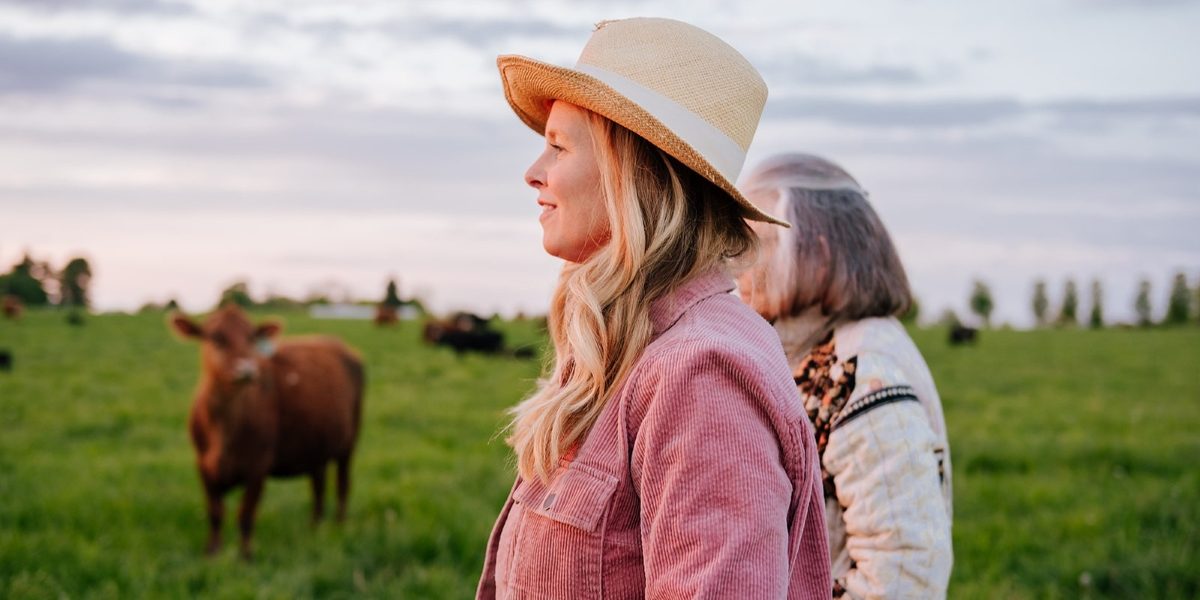
At Foxhollow Farm, cattle move across the land in a way that looks natural, but it is planned. That movement helps the soil rebuild itself, hold water better, and support more life underneath. It is not something you notice immediately, which is probably why people overlook it… But it shows up.
That is where things like nutrient density come in. Food grown in healthier soil tends to carry more of what the body actually uses, which is why people who pay attention to wellness start asking different questions after a while (Source: Organic Center, 2022). Not just what something is, but where it came from and how it got there.
The same shift happens with how animals are raised. In a system like this, animals are not separate from the land. They are part of it. Cattle eat what they are meant to eat. They move. They exist in a way that makes sense for the environment around them.
That is not the norm. Industrial systems are built to move quickly and produce at scale. That is the priority. And it works, just not in the way people think when they say they want something “better.” You can see it in the product if you look closely enough. Grass-fed beef, for example, has higher levels of omega-3s and antioxidants compared to conventional beef (Source: American Grassfed Association, 2025). That difference is not always obvious at first, but it starts to matter when food is part of something bigger than just eating.
Transport is another piece that gets ignored because it is not visible. The further food travels, the more it relies on systems built for scale. Regional distribution cuts that down, which affects both freshness and impact, but it also requires a completely different way of operating.
Foxhollow Farm sells directly to consumers, which simplifies that chain. Fewer steps. Fewer unknowns. You know where it came from without needing to dig.
And then there is the part that people hesitate around, even if they do not say it out loud. Cost. Sustainable systems take more time. They do not produce as much. That shows up in pricing, and that is usually where the conversation shifts. It is easy to agree with the idea. It is different when it becomes a decision.
Why Sustainability Feels Inconvenient, and Why That Does Not Go Away
The word gets softened because the reality behind it does not fit into how most things are designed to work. Sustainability does not move quickly, and it does not try to.
Soil takes time to rebuild. Animals raised this way take longer. Systems built around regional food networks require consistency that is hard to maintain at scale. That tension is always there, but so are the results.
Regenerative practices improve soil health, increase biodiversity, and make farms more resilient over time, which matters more as climate patterns continue to shift (Source: Sustainable Agriculture Network, 2024). At that point, the focus starts to change. It is less about output and more about whether the system can keep functioning.
That is where the conversation shifts, even if it happens quietly. It stops being about preference and starts looking more like structure. Foxhollow Farm has been building that structure for nearly two decades. Not testing it anymore. Just repeating it. The part that gets overlooked is how long that takes, and how uneventful it looks while it is happening.
Most of the impact is not obvious right away, either. No one looks at a meal and thinks about soil health. What people notice first is something else. Taste. Texture. A sense that something feels more complete, even if they cannot explain it clearly. That is usually where it starts.
Then, slowly, people begin to connect those dots. They pay attention to where their food comes from in a way they did not before. That shift tends to matter more than anything printed on a label. When sustainability is done properly, it does not need to be announced. It shows up in the experience. It builds trust without asking for it directly.
Build a Routine That Actually Means Something
Sustainability does not need to feel overwhelming, but it does ask for intention. Paying attention to where food comes from is a starting point. Choosing systems that prioritize long-term health over convenience starts to shift things, even if it feels small.
Foxhollow Farm makes that easier to step into. Their grass-fed beef is raised on a regenerative, biodynamic system and delivered directly to consumers, which makes the connection between land and table feel more real.
Explore Foxhollow Farm and see what changes when sustainability stops being something you read about and starts becoming something you actually experience.