Flu & RSV Surge: Which NY Hospitals Risk Being Overwhelmed?

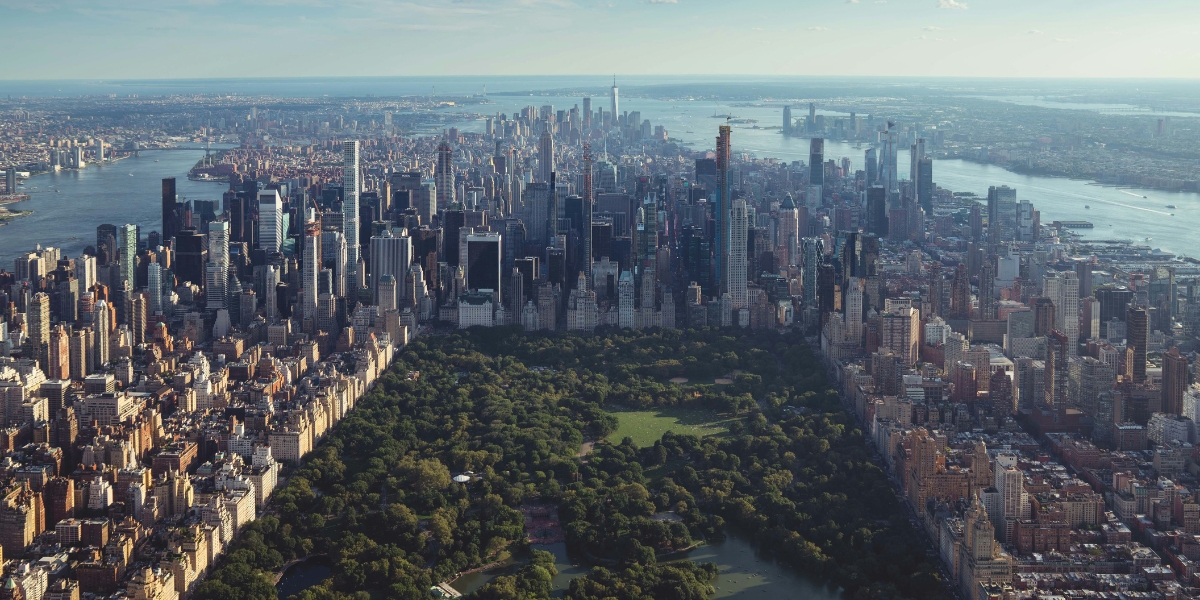
As New York City braces for a particularly harsh flu and respiratory syncytial virus (RSV) season, hospitals are beginning to feel the strain. These illnesses are spreading faster than expected, placing immense pressure on the city’s healthcare system. With limited resources and an already overburdened staff, several New York hospitals are at risk of being overwhelmed by the influx of patients. Understanding which hospitals are most vulnerable and how the system is adapting to this surge is critical for both healthcare professionals and New Yorkers seeking care.

The Growing Threat of Flu and RSV in New York

Flu and RSV are both highly contagious respiratory illnesses that disproportionately affect children, the elderly, and those with underlying health conditions. Over the past few weeks, cases have spiked across the country, with New York seeing a significant uptick. Health experts have warned that this winter could be one of the toughest in years, as these diseases spread rapidly and hospitals struggle to manage the surge.

Flu season typically peaks in late fall and winter, but with the ongoing pandemic recovery, the seasonal shift in respiratory illnesses has become even more challenging. RSV, which is particularly severe in infants and young children, has already started to overwhelm pediatric units at many hospitals in the city. As a result, emergency rooms and urgent care centers are filling up quickly, making it difficult for patients to receive timely care.

Which New York Hospitals Are Struggling the Most?

Some of New York’s largest hospitals are seeing an unprecedented volume of patients due to the surge in flu and RSV cases. Among the facilities at risk of being overwhelmed are several public hospitals, including NYC Health + Hospitals and Mount Sinai, both of which have seen significant spikes in emergency room visits. These institutions are facing challenges such as overcrowded ERs, limited bed availability, and a shortage of healthcare workers.

Hospitals with high patient volumes during this surge often experience longer wait times, especially in emergency departments. Affected hospitals may need to divert non-urgent cases to other facilities, further stressing the system. As cases rise, these hospitals must find ways to manage the increasing patient load while maintaining a high standard of care.

The Impact on Emergency Care and ICU Units

Emergency care units across New York City are feeling the brunt of this seasonal surge. As RSV and flu patients fill up emergency rooms, intensive care units (ICUs) are quickly reaching capacity. Hospitals are seeing more critically ill patients, many requiring ventilators or intensive monitoring, which puts further strain on already limited resources. With staffing shortages exacerbating the situation, healthcare workers are working longer hours to keep up with the demand.

ICU beds, which are already in high demand due to COVID-19-related admissions, are being occupied by patients suffering from severe respiratory symptoms. In some hospitals, this has led to a reallocation of resources, with non-critical procedures being postponed to ensure beds remain available for emergency cases.

Hospital Solutions and Adaptations to Handle the Surge

Flu & RSV Surge: Which NY Hospitals Risk Being Overwhelmed?


Photo Credit: Unsplash.com

To cope with the ongoing surge in respiratory illnesses, hospitals in New York City have implemented several strategies. Many are expanding capacity by opening additional treatment areas and increasing staffing where possible. Emergency rooms are being reorganized to prioritize severe cases, and non-urgent cases are being directed to urgent care centers or primary care physicians when appropriate.

City health officials are urging the public to seek medical care early to avoid overwhelming emergency services. Those with mild flu or RSV symptoms are encouraged to visit local clinics or take advantage of telehealth services instead of flooding emergency rooms. By doing so, hospitals can better manage critical cases and reduce wait times for those who need urgent care.

What Can New Yorkers Do to Help Alleviate the Strain on Hospitals?

As the flu and RSV surge continues, New Yorkers can take several steps to help ease the burden on local hospitals. First and foremost, vaccination remains one of the most effective ways to prevent the spread of both the flu and RSV. Health officials are urging everyone who is eligible to get their flu shot and the COVID-19 booster shot to reduce the likelihood of a severe illness.

Second, practicing good hygiene, such as frequent handwashing and wearing masks in crowded public spaces, can help slow the spread of these viruses. Residents should also stay home if they are sick, especially those with flu-like symptoms, to prevent further transmission. Finally, New Yorkers should be mindful of hospital resources and avoid unnecessary visits to the emergency room unless absolutely necessary.

Looking Ahead: The Ongoing Battle Against Seasonal Illnesses

As the winter season continues, the battle against flu and RSV will remain a top priority for New York City hospitals. While the surge in cases has stretched hospital capacity, it also highlights the resilience of the healthcare system in adapting to new challenges. With continued efforts to manage the crisis, New York’s healthcare workers, public health officials, and residents must all play a part in keeping the city safe.

In the coming weeks, it will be critical to monitor the situation closely. If flu and RSV cases continue to rise, hospitals may need to take further steps to manage the situation. Public awareness campaigns about the importance of vaccinations, hygiene, and staying home when sick will be key to mitigating the impact on the city’s healthcare system.


Diaco Law Insights on How Elevator and Escalator Accidents Can Disrupt Your Life

Elevators and escalators are such an ordinary part of daily life that most people barely notice them—until something goes wrong. When these machines malfunction, the consequences can be immediate and severe. Sudden stops, unexpected drops, entrapment, or mechanical failures can cause injuries ranging from sprains to catastrophic trauma. These accidents often strike without warning and leave victims physically hurt, emotionally shaken, and uncertain about what to do next.

Because elevators and escalators are located on private or commercial property, injuries often lead to Premises Liability claims when poor maintenance, defective parts, or operator negligence play a role. Understanding how these incidents occur—and what rights victims have afterward—helps injured individuals protect themselves legally and medically.

Unexpected Mechanical Failures Can Cause Serious Injuries

Elevators and escalators rely on complex mechanical and electrical systems. When a single component fails, the risk of injury increases dramatically. Elevators may suddenly drop between floors, jolt to a stop, or trap passengers inside. Escalators may speed up unexpectedly, stop abruptly, or cause passengers to lose their balance due to broken steps or misaligned plates. These sudden motions often lead to falls, sprains, fractures, or head injuries.

What makes mechanical failures especially dangerous is the complete lack of warning. Many victims have no time to grab a handrail or brace themselves. A simple trip to the office or the mall can suddenly turn into an emergency. When the property owner or maintenance company failed to address known issues, the resulting injuries may be grounds for legal action.

Poor Maintenance Is a Leading Cause of Accidents

Both elevators and escalators require routine inspection and upkeep to function safely. Cables must be checked, sensors must be calibrated, lubrication applied, and worn components replaced. If property owners cut corners on maintenance or ignore warning signs, they put the public at risk. Delayed repairs or skipped inspections often create hazards that could have been easily avoided.

When maintenance logs reveal missed service dates, inadequate repairs, or failure to follow safety standards, victims may have strong evidence of negligence. Responsible property owners must ensure their equipment operates correctly at all times. Neglecting that duty is a significant cause of preventable accidents.

Common Safety Hazards to Watch For

Some elevator and escalator dangers are visible and avoidable—others are hidden until the moment an incident occurs. Common hazards include:

  • Loose or broken elevator doors that fail to seal or open unexpectedly
  • Misleveled elevator cars, causing passengers to trip ewhile ntering or exiting
  • Escalator steps that shift, warp, or collapse
  • Handrails that move at different speeds from the steps
  • Objects or debris caught in escalator grills or comb plates

Recognizing these hazards can help passengers stay alert, but many issues are beyond public awareness and require proper maintenance to prevent injuries.

Accidents Can Lead to Long-Term Physical Consequences

Even incidents that seem minor at first—such as stumbling due to a misaligned step—can lead to long-term injuries. Back injuries, soft-tissue damage, or joint trauma may not appear immediately but can worsen over time. Victims may find themselves dealing with chronic pain, reduced mobility, or the need for ongoing therapy.

More serious accidents, such as sudden elevator drops or escalator entrapments, can lead to severe injuries requiring surgery, extended rehabilitation, or even long-term disability. These injuries often disrupt daily routines, work responsibilities, and overall quality of life. Recognizing the seriousness of the impact is essential for both medical and legal recovery.

Emotional Trauma Often Follows Elevator and Escalator Incidents

The psychological impact of these accidents is often underestimated. An elevator entrapment or sudden drop can trigger anxiety, claustrophobia, or panic attacks long after the physical injuries heal. Similarly, escalator accidents—especially those involving falls or entanglements—can cause lasting fear of using escalators again.

Victims may adjust their routines to avoid elevators or escalators entirely, leading to significant inconvenience or additional physical strain. These emotional consequences are legitimate damages in legal claims and should be addressed with the same seriousness as physical injuries.

Property Owners and Maintenance Companies May Share Liability

Determining who is at fault often requires a careful investigation. Property owners are responsible for providing safe premises, including functioning elevators and escalators. However, maintenance companies may also be liable if they failed to repair equipment properly or ignored known hazards during inspections.

In many cases, liability is shared. A property owner who hired an inexperienced maintenance team or refused recommended repairs may be just as responsible as the technicians who performed substandard work. Identifying the responsible parties helps ensure victims pursue full compensation.

Evidence Is Critical in Proving Negligence

Building a strong claim depends heavily on collecting the proper evidence. Photos of the scene, witness statements, incident reports, and security footage can all help demonstrate how the accident happened. Maintenance records are especially revealing, as they show whether the equipment was serviced regularly or neglected for long periods.

Victims should also document their injuries, medical evaluations, and treatment history. The more clearly the evidence shows how the accident occurred and how it affected the victim’s life, the stronger the case becomes. Early legal support often helps preserve critical records before they are altered or destroyed.

Victims May Be Entitled to Significant Compensation

Elevator and escalator accidents can lead to costly medical care, lost wages, and long-term rehabilitation. A successful claim may include compensation for medical expenses, pain and suffering, emotional trauma, and diminished quality of life. In severe cases, compensation may also cover the loss of future earning capacity or the need for lifelong treatment.

When negligence is apparent—such as skipped inspections or ignored warnings—victims may be able to pursue even greater damages. Seeking fair compensation ensures that victims are not left carrying the financial burden of an accident they did not cause.

Taking Action Quickly Protects Your Rights

Time is an essential factor in premises liability cases. Evidence can disappear, equipment can be repaired, and witness memories can fade. Reporting the incident promptly, seeking medical care, and contacting a legal professional early helps protect the victim’s rights and strengthen the case.

When property owners or maintenance companies fail in their duty to keep elevators and escalators safe, victims have legal options. Prompt action helps ensure accountability and supports a smoother path to recovery.


Disclaimer: The information provided in this article is for general informational purposes only and is not intended as legal, financial, or professional advice. While we strive for accuracy, we make no representations or warranties, express or implied, about the completeness, accuracy, reliability, suitability, or availability of this information. Use of this information is at your own risk.

The Great Conversion: How NYC is Turning Vacant Offices into New Housing Supply

New York City has long been a hub of economic activity, home to some of the world’s most iconic office buildings, bustling commercial centers, and a skyline that draws millions of visitors each year. However, the COVID-19 pandemic changed the dynamics of office space usage, leading to a surge in vacant commercial real estate. This shift has forced the city to rethink its urban landscape and explore new ways to meet the ever-growing demand for housing.

One solution that has gained significant momentum in recent years is the conversion of vacant office buildings into residential spaces. These conversions have the potential to not only address the city’s housing crisis but also breathe new life into areas that were once dominated by office towers. As the city adapts to this new paradigm, the future of New York’s real estate landscape is evolving in exciting and innovative ways.

Why Office-to-Residential Conversions Are Gaining Popularity in NYC

As office vacancy rates remain high, many building owners and developers are looking for alternative uses for their properties. Converting office spaces into residential units offers a viable solution that not only helps address the city’s shortage of affordable housing but also revitalizes underutilized real estate. These conversions are particularly appealing in parts of the city that are seeing a shift away from traditional office use due to remote work trends and the increasing preference for mixed-use spaces.

The benefits of this approach are clear. Office-to-residential conversions allow for the repurposing of existing infrastructure, which can be more cost-effective than building new housing from scratch. This process also helps reduce the environmental impact of construction, as it makes use of existing structures rather than demolishing and rebuilding. Moreover, the conversions can take place in areas that are already well-connected to public transportation, ensuring that the new housing units are easily accessible to New Yorkers.

Addressing the Housing Crisis in New York City

New York City is grappling with a significant housing shortage, particularly in affordable and mid-range units. As of 2025, the city’s population continues to grow, while the availability of affordable housing remains limited. This imbalance has led to skyrocketing rent prices and displacement in many neighborhoods, particularly in Manhattan and Brooklyn. The conversion of vacant office buildings into residential units offers a way to alleviate some of this pressure.

These conversions are not only about creating more housing units but also about fostering diverse, vibrant communities. Office buildings, particularly those located in commercial districts, are often well-situated near shops, restaurants, and public transportation, making them ideal locations for residential development. By turning these spaces into homes, the city can create more mixed-use areas where residents can live, work, and play all within the same neighborhood.

The Challenges of Converting Offices into Homes

The Great Conversion: How NYC is Turning Vacant Offices into New Housing Supply

Photo Credit: Unsplash.com

While the benefits of office-to-residential conversions are clear, there are also challenges that need to be addressed. One of the main hurdles is the design and structural modifications required to transform office spaces into livable homes. Many office buildings were not originally designed with residential living in mind, so developers must navigate issues such as ceiling heights, windows, plumbing, and other infrastructure modifications.

The cost of these conversions can be high. Although repurposing existing buildings can save money compared to new construction, it still requires substantial investment in renovations and upgrades. Furthermore, the city’s zoning regulations and building codes must be adjusted to allow for residential use in certain office buildings, which can slow down the process.

Despite these challenges, many developers are finding creative solutions to make these conversions work. For example, some buildings are being reconfigured to include larger windows, open-floor plans, and modern amenities to meet the needs of today’s residents. These updates help ensure that the converted spaces are not only functional but also appealing to potential tenants.

The Future of Office-to-Residential Conversions in NYC

Looking ahead, the future of office-to-residential conversions in New York City appears promising. As the city continues to adapt to changes in the workforce and the real estate market, developers are likely to embrace more of these conversions as part of the solution to the city’s housing crisis. In fact, some experts predict that office buildings will play a critical role in meeting the demand for affordable housing in the coming years.

As the city moves forward with these conversions, it will be important to ensure that the new residential spaces are integrated into the fabric of the community. This means considering factors such as affordability, access to amenities, and the impact on surrounding neighborhoods. If done correctly, office-to-residential conversions could not only provide much-needed housing but also contribute to the revitalization of New York’s urban core.

The trend of converting vacant office buildings into residential spaces is one of the most innovative solutions to New York City’s housing crisis. By repurposing underutilized office space, the city can address both its housing shortage and its need for sustainable urban development. While challenges remain, the potential for these conversions to reshape New York’s real estate landscape is immense. As the city continues to evolve, these conversions could play a vital role in creating a more livable, affordable, and vibrant New York City.

Toyota’s New GR GT Supercar and What Drivers Need to Know

Toyota surprised the performance car scene with the reveal of the GR GT, a full-scale supercar developed under its Gazoo Racing division. For many drivers, Toyota equals reliability and daily driving comfort, not exotic horsepower. That history makes the arrival of a true supercar feel unexpected. Yet the brand has slowly warmed up enthusiasts with models like the GR Supra and GR Corolla. The GR GT takes that progression several steps forward.

This new model isn’t a concept sketch meant only for car shows. It’s a working development car designed for real production in the next couple of years. It’s built to compete in the same space as European performance machines that often cost more than a home down payment. Toyota says the goal isn’t to chase luxury flash but to focus on mechanical feel and honest driving engagement.

For buyers and fans, curiosity brings a mix of excitement and skepticism. Can Toyota build something that stands next to established supercars in speed, build quality, and excitement? The GR GT aims to answer that by blending classic V8 muscle with new hybrid hardware and race-inspired design choices.

What Makes the GR GT a True Supercar

A supercar isn’t defined by styling alone. Performance benchmarks matter. The GR GT uses a 4.0 liter twin turbo V8 engine, which means a traditional eight cylinder motor boosted by turbochargers to create extra power without excess weight. Toyota pairs this engine with a hybrid system, which adds an electric motor to assist the drivetrain. Hybrid systems use battery powered torque to supplement combustion engines, providing instant response during acceleration.

The combined output sits at around 641 horsepower, placing the GR GT solidly in the performance bracket of respected global supercars. Power flows to the rear wheels through an eight speed automatic transmission. Rear wheel drive keeps the handling experience more direct, shifting responsibility to the driver instead of electronic grip systems found in all wheel drive layouts.

The body structure uses an all aluminum space frame, a lightweight yet rigid skeleton that reduces overall mass while increasing stiffness. High stiffness improves cornering by keeping the car from flexing under pressure. Carbon fiber body panels further trim weight while increasing strength. These materials usually appear only in ultra high end vehicles, which signals Toyota’s seriousness about the GR GT’s performance ambitions.

Hybrid Power Explained in Simple Terms

The hybrid system isn’t about gas savings. Its main focus is enhancing performance. Electric motors deliver instant torque because they produce full pulling force the moment the accelerator is pressed. That fills the gap turbo engines often experience while building boost pressure.

Drivers experience smoother acceleration instead of brief hesitation between throttle input and actual speed gain. The hybrid system also contributes power during corner exits, helping maintain momentum without requiring harder engine revs that could disrupt tire grip.

The battery charges automatically during braking and low demand driving. Energy captured during deceleration, often called regenerative braking, gets stored and reused for later bursts of acceleration. The driver doesn’t manage this process. The system operates quietly in the background while maintaining a mechanical driving feel up front.

Design Built Around Driving Feel

The GR GT’s exterior flows from function rather than decorative flair. Wide air intakes feed cooling systems needed for high output motors. Sculpted sides guide air toward heated components while stabilizing body pressure at high speeds. The roofline stays low to reduce drag and keep the center of gravity close to the ground.

Inside, the cabin keeps a minimalist approach. Large touchscreen distractions are reduced. The steering wheel includes physical controls for driving modes. Shift paddles remain prominently placed so gear changes remain tactile. Bucket style seats hold passengers securely during cornering without sacrificing everyday comfort. This layout mirrors track focused design without turning the cabin into a race car shell.

Driving position received heavy tuning. Engineers worked to align pedal height, steering wheel angle, and seating posture so drivers feel naturally connected to the car. Small ergonomic adjustments often make more difference than raw horsepower when it comes to confidence behind the wheel.

Motorsport Influence From the Start

Toyota developed the GR GT alongside a track racing counterpart known as the GR GT3. This parallel development means feedback from professional racing teams shaped aerodynamic design, suspension tuning, and cooling performance from the opening stages.

Suspension uses double wishbone geometry front and rear, a setup favored in race cars due to its ability to maintain tire contact during hard cornering. Braking relies on carbon ceramic discs, which withstand repeated high temperature stops without fading. These same materials commonly appear on vehicles built for endurance track racing.

Instead of planning a road car first and then converting it to racing form, Toyota reversed the thinking process. They worked on both at the same time. That approach improves durability and mechanical reliability. Race demands expose weaknesses quickly. Fixes developed for competition directly support consumer vehicles as well.

Concerns About Reliability and Ownership

Long time Toyota owners associate the brand with legendary durability. A supercar environment challenges that perception since high performance machines often carry higher maintenance requirements. Hybrid drivetrains add complexity through batteries, power electronics, and cooling systems.

Toyota’s advantage lies in experience. Hybrid systems power millions of reliable vehicles across their lineup. Scaling that knowledge into the GR GT ensures the electric portions follow proven engineering methods rather than experimental builds.

Maintenance costs will likely exceed standard models given advanced materials and limited production volumes. However, the focus stays on predictable service demands rather than risky experimental systems. Buyers concerned about hybrid longevity can look to Toyota’s established energy management history for reassurance.

Expected Pricing and Buyer Market

Exact pricing hasn’t been finalized, though industry estimates place the GR GT between $350,000 and $400,000. That positions it alongside European competitors while often undercutting the most famous luxury badges.

Production volumes are expected to stay low, which keeps exclusivity high but also limits availability. Toyota hasn’t announced allocation numbers, though manufacturing complexity often limits production to a few thousand units annually at most.

For US buyers, the GR GT provides an alternative to brands that traditionally dominate the segment. It offers Japanese engineering credibility mixed with V8 muscle that appeals to performance purists who still enjoy mechanical sound and speed over silent electric dominance.

How the GR GT Fits Toyota’s Bigger Plan

The GR GT does more than stand alone as a rare flagship. It reinforces the identity Toyota built through Gazoo Racing performance development across its lineup. Lessons learned from suspension tuning, structural materials, and aerodynamics feed improvement into mainstream GR models that enthusiasts can afford.

This trickle down development supports future upgrades to vehicles like the GR Supra and GR Corolla, refining steering calibration and chassis rigidity based on flagship testing data. Motorsports has long served as an engineering laboratory and Toyota’s approach fits that tradition without leaning on spectacle marketing.

Brand confidence grows as well. Toyota’s entry into the supercar class demonstrates technical ambition that reshapes how enthusiasts perceive the brand’s capabilities beyond everyday commuting.

Why the GR GT Has Earned Attention

The GR GT stands out because it avoids shortcuts. Instead of branding a heavily modified sports coupe as a supercar, Toyota engineered a ground up performance platform built with materials and layout matching true exotics.

The hybrid V8 setup balances traditional engine excitement with modern torque delivery. The race bred development path strengthens durability and driving authenticity. The modest interior design focuses on the act of driving rather than luxury gimmicks.

While final production examples remain over a year away, the GR GT already reshapes expectations. For drivers seeking mechanical honesty blended with modern engineering support, it introduces a serious contender into a segment long dominated by European names.

Toyota’s GR GT proves that even brands synonymous with reliability can still create machines that thrill without sacrificing engineering discipline.

Is Netflix Actually Buying Warner Bros?

Talk about Netflix buying Warner Bros has raced through news feeds and social posts. Headlines have sounded confident, which makes it easy to assume a deal already exists. It doesn’t. As of now, there is no confirmed acquisition agreement between Netflix and Warner Bros Discovery. Neither company has released statements confirming a sale, merger, or signed negotiations aimed at that outcome.

Most of the story grew from industry speculation. Media analysts often discuss “what if” scenarios where major streaming platforms partner or consolidate to strengthen content libraries and expand global reach. Those opinion pieces sometimes get picked up and reshaped into click driven news blurbs that drop the crucial context. The result is a rumor that looks official even though it isn’t.

For everyday viewers, the distinction matters. A rumor doesn’t trigger changes in how streaming services operate. HBO and Max are still run by Warner Bros Discovery. Netflix still licenses content on a show by show basis. Movies and series move in and out of each catalog just as they always have. Nothing in your watchlist has shifted because of acquisition talk.

Where the Confusion Started

Confusion began after statements from media executives about “potential consolidation” in entertainment. Consolidation means companies combining business units, either by merging or acquiring assets, to lower costs and pool resources. This is a long running discussion in Hollywood as production budgets climb while subscriber growth slows across many platforms.

Financial writers then pointed out that Netflix sits in a strong cash position, while Warner Bros Discovery has focused heavily on debt reduction since its last corporate merger. Those separate facts were woven into speculative scenarios suggesting Netflix might one day bid for parts of Warner Bros. The stories circulated widely without always repeating the word speculation.

Social media amplified the situation. Creators summarized complex industry chatter into short posts framed as breaking news. Readers who didn’t dig deeper understandably assumed announcements had occurred. The speed of sharing outpaced careful source checking, which turned assumptions into widely repeated claims that felt established.

Why a Deal Like This Would Be Enormous

If such an acquisition ever happened, it would change the structure of media entertainment overnight. Warner Bros controls major properties ranging from DC Comics films to HBO’s prestige television library. Netflix already leads global streaming subscriptions and original production output. Combining their assets would reshape how movies and series are financed, distributed, and marketed worldwide.

Regulators would immediately step in. Antitrust law exists to prevent a single company from holding excessive power within a market. A Netflix and Warner Bros merger would concentrate enormous control over premium scripted content under one corporate roof. That sort of market dominance triggers intense government review and often faces legal challenges or mandated asset sell-offs.

Cost is another obstacle. Buying Warner Bros Discovery would require tens of billions of dollars, even after accounting for the company’s debt levels. While Netflix is financially healthy, committing to an acquisition of that scale introduces risk for shareholders who expect predictable subscription-based growth rather than volatile studio integration costs.

How Streaming Partnerships Usually Work Instead

What most viewers see as consolidation is usually just licensing. Licensing means one company temporarily pays another for the right to stream specific shows or films. This explains why a movie appears on Netflix for six months and then vanishes to another platform later.

Co-production also drives confusion. Co-production is when two companies share the cost of making a show. Each party benefits through shared international rights or distribution deals. These business arrangements often result in content with logos from both brands, which can look from the outside like ownership ties.

None of these deals requires full corporate ownership. They allow studios and streamers flexibility to test collaborations without betting entire businesses. Netflix distributes titles owned by Warner Bros frequently while paying licensing fees. Warner Bros distributes Netflix originals through international syndication in some markets. These agreements create surface level overlap that fans misinterpret as consolidation.

What Viewers Should Pay Attention To

Is Netflix Actually Buying Warner Bros (2)

Photo Credit: Unsplash.com

The practical question for viewers isn’t about rumors. It’s about content movement. Shows shift platforms continuously based on contract expirations. Your favorite Warner Bros series could land on Netflix or leave it tomorrow with no merger required. Those changes are negotiated title by title, not through corporate sales.

Price movement causes another wave of anxiety whenever rumor headlines surface. Subscription prices adjust due to production budgets, marketing spend, and currency changes. There is no evidence that unconfirmed acquisition talk influences subscription fees or streaming package structures.

Content style remains driven by audience data. Netflix commissions global stories aimed at mass appeal. HBO continues producing smaller volume, high budget prestige dramas. Until ownership officially changes, both brands operate under separate strategies. There’s no secret operational blending taking place behind closed doors.

Why Rumors Stick So Easily

People want clarity in uncertain markets. Entertainment is shifting fast as cable declines and streaming competition tightens. Rumors offer simple explanations for complex business pressures. A mega merger seems like an easy answer for industry instability, so it gains traction even without proof.

Search algorithms favor dramatic headlines. A speculative article titled “Netflix Might Explore Warner Bros Purchase” doesn’t gain clicks. Boiling it down to “Netflix Buys Warner Bros” drives attention even if it sacrifices accuracy. Once that phrasing spreads, fact checking loses visibility.

Audiences also associate past mergers with present chatter. Disney buying 21st Century Fox created a mental shortcut where consumers expect similar mega deals to keep repeating. That memory primes people to accept claims of new mergers without cautious verification.

What Could Actually Happen Next

Industry experts see smaller moves as more plausible. Joint ventures, deeper licensing bundles, or shared production deals allow scale benefits without regulatory chaos. These agreements quietly strengthen business positions without dramatic headline risk.

Warner Bros Discovery is also still busy stabilizing after merging WarnerMedia with Discovery. Business integration usually occupies management teams for years before pursuing new corporate acquisitions or selling major divisions. Netflix, on the other hand, continues focusing on steady subscriber retention and expanding advertising supported plans.

The most realistic scenario is continued collaboration across platforms while both companies maintain separate ownership structures. Viewers will keep seeing Warner Bros content circulate through Netflix under standard licensing arrangements rather than any sweeping ownership overhaul.

Understanding Media Noise as a Viewer

Rumors thrive when audiences lack transparent explanations of industry mechanics. Mergers involve filings with regulators, shareholder votes, published financial statements, and months of legal review. None of these steps is happening between Netflix and Warner Bros right now.

Paying attention to official investor releases from each company provides the clearest signal. Those communications must disclose any major negotiations or binding agreements. The absence of such disclosures tells the accurate story.

For viewers, calm skepticism saves stress. Entertainment headlines flourish on excitement, but most business change arrives slowly and publicly. No secret deal has reshaped streaming overnight. Your shows behave the same today as they did yesterday.

Where Things Stand for US Viewers

At this moment, Netflix isn’t acquiring Warner Bros. There are no binding negotiations and no announced plans for such a takeover. Everything circulating beyond that point falls into informed speculation at best or exaggerated rumor at worst.

Streaming remains competitive, with each platform guarding independence while cooperating through temporary contracts. Your streaming subscriptions remain unaffected by any deal talk, and upcoming show schedules remain guided by individual studio planning.

Until regulators announce filings or executives issue joint statements confirming ownership changes, it’s safe to treat all claims of a Netflix and Warner Bros merger as talk rather than action.

Bridging The Gap: Story Bridge Agency Reveals the Unwritten Rules That Turn Manuscripts into Masterpieces.

 Every published book begins long before it reaches a shelf or an online listing. It often starts as a file tucked away on a laptop or handwritten notes saved over the years. Some ideas emerge from late-night writing sessions, while others develop during travel, everyday routines, or moments of inspiration that linger in the mind until they form a narrative. Yet transforming these early drafts into finished works that reach readers requires more than creativity. It needs structure, expertise, and a pathway that supports the story at every stage.

This is where Story Bridge Agency has positioned itself as a partner for authors who want their work to progress beyond the early phases of writing. The agency offers a strategic, structured approach that helps manuscripts move from concept to publication with greater visibility.

Where Story & Strategy Converge

The modern publishing ecosystem is more expansive than ever. With millions of titles released each year, authors face challenges related to visibility, categorization, and effective marketing. Readers have more choices, and attention is scattered across formats, genres, and platforms. Story Bridge Agency approaches these challenges with a cohesive publishing strategy that aligns creativity with industry insight.

The agency’s work begins with editorial development. Professional book editing ensures that a manuscript reflects a clear voice, coherent pacing, and refined storytelling. For children’s authors, this includes shaping narratives that resonate with young readers and align with developmental expectations. For other genres, editing focuses on clarity, tone, and narrative strength.

Once a manuscript is prepared, Story Bridge Agency shifts into visual development. Book illustration and design help create the first layer of a book’s identity. Covers, layout, and imagery are aligned with genre expectations and reader preferences. A strong visual identity not only conveys a book’s tone but also enhances discoverability on digital storefronts.

 Bridging The Gap: Story Bridge Agency Reveals the Unwritten Rules That Turn Manuscripts into Masterpieces.

Photo Courtesy: Story Bridge Agency / Unsplash.com

A Pathway Designed for Discoverability

After a manuscript and its design elements are finalized, Story Bridge Agency navigates the technical side of publishing. Through its Amazon publishing services, the team supports authors with category research, metadata preparation, backend optimization, and listing enhancement. These elements help position a book within the platform’s search and recommendation systems, increasing its likelihood of being discovered.

Marketing serves as the next strategic step. For children’s books, the agency often focuses on parent communities, educator networks, and school programs. For broader genres, marketing efforts may include review outreach, digital campaigns, influencer engagement, and search optimization. The objective is to connect authors with audiences who are most likely to appreciate their work.

Story Bridge Agency also supports authors who want to expand into audio. Audiobook production offers an additional pathway for readership, especially for listeners who depend on audio content during commutes, long drives, or family learning environments. This format allows a single story to reach audiences across multiple settings, increasing engagement and long-term reach.

Bridging The Gap: Story Bridge Agency Reveals the Unwritten Rules That Turn Manuscripts into Masterpieces.

How the Team Works Behind the Scenes

Story Bridge Agency operates through collaboration among editors, designers, marketers, and publishing specialists. Each department contributes to a unified process where narrative development, visual identity, metadata, and marketing are interconnected. A carefully edited manuscript strengthens design decisions. Strong design enhances marketing performance. Effective marketing drives traffic to optimized listings. Each layer supports the next.

For first-time authors, this process often brings clarity. Many begin with questions about where to start or how to navigate various platforms. As the agency guides them through development, design, publishing, and marketing, authors gain structure and confidence along the way. Some continue writing additional books, while others extend their work into classrooms, community programs, or digital initiatives.

A Sustainable Approach in a Dynamic Industry

Publishing trends continue to evolve. Algorithms shift. Reader preferences change. New platforms emerge. Story Bridge Agency focuses on longevity through consistent strategy and storytelling quality. Books supported with editorial depth, strong visuals, thoughtful categorization, and targeted marketing maintain visibility long after their launch dates.

The agency’s steady growth reflects its focus on outcomes that remain relevant beyond the initial release phase. Authors who work with Story Bridge Agency do not adopt short-term promotional tactics. They build a foundation that supports their book’s long-term presence in the marketplace.

A well-crafted story holds value when it is supported with intention, structure, and strategy. Story Bridge Agency helps authors build that foundation, ensuring that their narratives have the opportunity to be read, shared, and remembered.

For further details about the agency and its services, readers may visit https://storybridgeagency.com/.

Homelessness Among NYC Students Continues to Grow

Homelessness in New York City isn’t just a housing issue, it’s a classroom issue, a transportation issue, and a daily reality for thousands of students trying to stay afloat. This past school year, more than 154,000 public school students experienced homelessness, according to data from Advocates for Children of New York. That’s nearly one in seven kids navigating school without a stable place to sleep.

It’s a staggering number, and it’s not just about statistics. Behind every data point is a student trying to focus in class while worrying about where they’ll be staying that night. The scale of the problem is hard to ignore, and it’s reshaping how educators, families, and city leaders think about what support really means.


The Classroom Isn’t a Level Playing Field

Teachers across the five boroughs are seeing the impact of homelessness firsthand. Students living in shelters or temporary housing often face long commutes, frequent school changes, and inconsistent access to basic resources. Attendance becomes unpredictable, and academic performance suffers, not because of lack of effort, but because of instability.

In some schools, staff have stepped up to fill the gaps. Food pantries, clothing drives, and dedicated support coordinators are becoming more common. These efforts help, but they’re not a substitute for permanent housing. The city’s Department of Education has acknowledged the challenge, noting that education is key to breaking the cycle of homelessness.

Some educators have started using flexible deadlines and alternative learning formats to accommodate students who miss class due to housing disruptions. While these adjustments show compassion, they also highlight how deeply homelessness affects learning environments. It’s not just about missing homework, it’s about missing the chance to fully participate.


Shelter Life Isn’t Built for Learning

Living in a shelter comes with its own set of hurdles. Shared spaces, curfews, and limited privacy make it difficult for students to study or rest. Families are often relocated with little notice, disrupting routines and forcing kids to switch schools mid-year. These moves can be especially tough for younger students who rely on consistency to feel safe.

Some shelters have tried to adapt by offering quiet zones or homework help, but the demand often outweighs the resources. The lack of stability affects more than just grades, it chips away at confidence, social development, and mental health. It’s not uncommon for students to fall behind academically, even when they’re trying their best.

In some cases, students have described doing homework in hallways or trying to concentrate while surrounded by noise. These conditions aren’t conducive to learning, and they create barriers that go beyond the classroom. The emotional toll of homelessness often shows up in behavior, attendance, and engagement.


Community Support Is Filling the Gaps

While city agencies work to address homelessness, local organizations and donors are stepping in to support students directly. Programs that provide backpacks, school supplies, and hygiene kits are helping kids feel more prepared and less singled out. These gestures may seem small, but they carry weight, especially for students who feel invisible in a system that wasn’t built for them.

Charities focused on homeless youth have become lifelines for many families. Their work goes beyond donations, offering mentorship, counseling, and advocacy. The impact of donating to youth-focused programs is tangible, helping students stay engaged in school and connected to their communities.

Some schools have partnered with nonprofits to create resource centers on campus, offering everything from laundry access to mental health support. These collaborations reflect a growing awareness that homelessness requires a holistic response, one that includes emotional, academic, and logistical support.


Corporate Responsibility Is Shifting Toward Housing

Some companies are rethinking how they approach social impact. Instead of traditional philanthropy, a growing number are investing in housing-related initiatives. Corporate social responsibility programs are starting to prioritize long-term solutions, including affordable housing developments and partnerships with local nonprofits.

Homelessness Among NYC Students Continues to Grow

Photo Credit: Unsplash.com

This shift reflects a broader understanding that homelessness isn’t just a government issue, it’s a community-wide challenge. Businesses that support housing-focused CSR programs are helping create more sustainable pathways for families in crisis. These efforts aren’t just good PR, they’re part of a larger movement to address root causes rather than symptoms.

Some companies have launched employee volunteer programs focused on housing advocacy, while others have donated unused office space to shelter organizations. These actions show that corporate involvement can go beyond writing checks, it can be part of a larger ecosystem of support.


Students Are Showing Strength, But It’s Not Enough

Despite the odds, many students experiencing homelessness continue to show up, participate, and push forward. Their resilience is remarkable, but it shouldn’t be required just to get through the school day. The burden of housing insecurity shouldn’t fall on children, yet it often does.

Stories like that of Celina Moore, a mother navigating shelter life while keeping her daughter enrolled in school, highlight the human side of the crisis. These families aren’t looking for handouts, they’re looking for stability, dignity, and a chance to thrive. And while support systems exist, they’re often stretched thin.

Students who experience homelessness often develop coping mechanisms that mask their struggles. They may avoid talking about their living situation, fearing stigma or judgment. This silence can make it harder for teachers and counselors to offer help, even when it’s needed most.


What’s Next for NYC’s Students?

The city faces a difficult question: how to support students experiencing homelessness without overwhelming already strained resources. Advocates are calling for more targeted funding, better coordination between agencies, and policies that prioritize educational continuity. There’s also a push to expand access to mental health services and after-school programs that offer safe spaces.

If the current trend continues, homelessness will remain a defining issue for NYC’s public schools. It’s not just about housing, it’s about equity, opportunity, and the kind of city New York wants to be. The students affected by this crisis aren’t statistics. They’re future artists, engineers, teachers, and leaders. And they deserve more than survival, they deserve a fair shot.

From Depression-Era Start to Global Icon: The Rockefeller Tree Tradition

The Rockefeller Center Christmas Tree stands as one of New York City’s most beloved and iconic symbols, drawing millions of visitors each year to witness its dazzling lights and celebrate the holiday season. What began as a modest display during the Great Depression has since evolved into an annual tradition that attracts global attention, encapsulating the spirit of New York and the resilience of its people.

The Humble Beginnings of the Rockefeller Tree

The story of the Rockefeller Center Christmas Tree began in 1931, amidst the financial turmoil of the Great Depression. The construction of Rockefeller Center itself was an ambitious undertaking, part of a vision to revive New York City and create a cultural and economic hub during a time of economic hardship. The first tree was modest—standing at just 20 feet tall and adorned with simple decorations, it was placed outside the Rockefeller Center construction site by workers.

Despite the grim economic climate, the tree symbolized hope and solidarity. It was a gesture from the workers at the site, who pooled their resources to provide a touch of festivity during a difficult period. This simple act marked the start of what would eventually become one of the most famous holiday traditions in the world.

The Transformation Into a Global Tradition

As the years went by, the Rockefeller Tree grew in both size and significance. By the time the official tree lighting ceremony was introduced in 1933, it had already become a staple of the holiday season. The annual event was broadcasted live on radio, bringing the tree into homes across the nation and helping to solidify its place as a symbol of resilience and unity.

In the post-World War II era, the tree’s stature grew both literally and figuratively. Standing at 90 feet tall in some years, the Rockefeller Christmas Tree became the centerpiece of New York’s holiday celebrations, drawing crowds from around the world. What began as a small and localized custom had transformed into a global phenomenon.

The lighting ceremony, which today is one of the most-watched holiday events, has expanded to include musical performances and festivities that bring the entire city together. Celebrities, artists, and performers from around the world have participated in the event, enhancing its cultural reach. The tree has become not just a symbol of the holiday season, but also of New York’s enduring ability to inspire hope and unity, even in the toughest of times.

The Iconic Design and Symbolism

Over the decades, the design and decor of the Rockefeller Tree have evolved, but its role as a symbol of New York City’s spirit remains unchanged. Today, the tree is adorned with thousands of twinkling lights and hundreds of shimmering ornaments, with the iconic Swarovski star crowning its top. The star itself is a symbol of brilliance and hope, and its annual appearance on the tree highlights the tradition’s focus on community, light, and togetherness.

One of the most striking aspects of the tree is the immense size of the spruce or fir that is selected each year. The tree must meet stringent criteria, including height, symmetry, and overall appearance. It is often sourced from a private home or a public space, with the decision made through an extensive selection process. Once chosen, the tree is transported to Rockefeller Center, where it is carefully decorated and placed on display.

The tree itself is a living reminder of nature’s beauty, standing proudly amid the concrete and steel of Manhattan. Its towering presence serves as a stark contrast to the surrounding buildings, bringing a touch of nature’s grandeur to the urban landscape.

Impact on New York’s Economy and Tourism

From Depression-Era Start to Global Icon: The Rockefeller Tree Tradition

Photo Credit: Unsplash.com

While the holiday season in New York City is a draw for tourists from around the world, the Rockefeller Tree holds a unique position in the city’s economic and cultural impact. Each year, more than 100,000 people attend the lighting ceremony, with millions more visiting the tree in the weeks that follow. The influx of visitors bolsters the city’s economy, contributing significantly to tourism-related revenue during the holiday season.

The tree lighting has become a global event, attracting visitors from every corner of the world. Tourists flock to the city not only to witness the spectacle of the tree but also to experience the full holiday ambiance of New York City, from ice skating at Bryant Park to shopping along Fifth Avenue. The Rockefeller Tree has become an integral part of New York’s global brand, representing the city’s resilience, its diverse culture, and its welcoming spirit.

A Symbol of Resilience and Hope

What makes the Rockefeller Tree so enduring is its deep connection to New York’s identity. In a city constantly evolving, where new skyscrapers rise and old neighborhoods give way to gentrification, the tree stands as a constant reminder of the city’s history and its ongoing strength. It harks back to the Depression era, when New Yorkers banded together in the face of adversity, offering a beacon of light in dark times.

Year after year, as the tree is illuminated, it continues to evoke feelings of nostalgia and unity, drawing people together across cultures and backgrounds. In many ways, the tree embodies the spirit of New York itself: resilient, diverse, and ever-reinventing itself while maintaining its core identity.

The Global Influence of the Rockefeller Tree

As the Rockefeller Tree tradition continues to grow, it has sparked similar celebrations worldwide. Other cities have adopted their own versions of holiday tree lightings, inspired by the grandeur and festive atmosphere that the Rockefeller Center Christmas Tree has come to represent. It’s not just a symbol of New York, but a universal icon of holiday spirit and togetherness.

From its Depression-era beginnings to its current status as a global icon, the Rockefeller Tree stands as a testament to the enduring power of tradition and community. It’s not just a tree; it’s a living, breathing symbol of hope, joy, and the holiday season.

How Renters in NYC Are Coping with Tight Housing Market

The housing market in New York City has always been competitive, but lately, it’s felt more unforgiving than ever. With median rents climbing and inventory tightening, renters are being forced to make difficult choices. Whether it’s downsizing, relocating, or rethinking what “home” means, the city’s residents are adapting in ways that reflect both resilience and resourcefulness.


Rethinking Space and Location

In neighborhoods like Crown Heights and Long Island City, renters are shifting their priorities. Instead of chasing square footage, many are choosing smaller apartments with better access to transit, parks, or community hubs. It’s not unusual to hear about couples moving into studios or roommates converting common areas into sleeping quarters just to stay within budget.

This isn’t just about cost-cutting, it’s about redefining comfort. Buildings with shared amenities like rooftop lounges or co-working spaces are becoming more attractive, especially to renters who value lifestyle over layout. These choices echo broader housing trends that could reshape urban living by 2030, as seen in emerging patterns across major cities.

Renters are also reconsidering which boroughs offer the best value. While Manhattan remains iconic, areas like Queens and the Bronx are drawing attention for their relative affordability and growing cultural scenes. The trade-off between location and livability is becoming a central part of the housing conversation.


Remote Work Is Reshaping Demand

The housing market isn’t just influenced by rent prices, it’s also being shaped by how people work. Remote jobs have given renters more flexibility, allowing some to move farther from Manhattan’s core while staying professionally connected. Areas like Ridgewood and Sunset Park are seeing increased interest from those who want more space without sacrificing culture or convenience.

This shift is part of a larger national trend. Remote work has changed how people think about proximity, and it’s having a measurable impact on housing preferences. Renters in NYC are responding to these changes in real time, adjusting their expectations and exploring new neighborhoods that weren’t previously on their radar. These shifts mirror what remote jobs are doing to housing trends across the country, especially in cities where affordability is a growing concern.

Some renters are even choosing hybrid arrangements, living outside the city during the week and commuting in for meetings or events. This flexibility has opened up new possibilities, but it also comes with trade-offs, longer travel times, less spontaneous access to city life, and the challenge of staying connected to local communities.


Creative Strategies Are Becoming Commonplace

Renters aren’t just reacting, they’re getting strategic. Some are negotiating longer leases to lock in current rates, while others are joining tenant advocacy groups to push for fair treatment. Co-living arrangements are gaining traction, particularly among younger professionals who value affordability and built-in social networks.

How Renters in NYC Are Coping with Tight Housing Market

Photo Credit: Unsplash.com

There’s also renewed interest in rent-stabilized units, though availability remains limited. Navigating these options can be frustrating, especially for newcomers unfamiliar with the city’s complex housing laws. Still, many are finding ways to make it work, leaning on community forums and local resources to stay informed and empowered.

In some cases, renters are teaming up with friends or family to lease larger units together, splitting costs and responsibilities. Others are turning to short-term rentals or sublets as a way to bridge gaps between leases or test out new neighborhoods before committing. These approaches reflect a growing willingness to think outside the box, not just to survive, but to maintain a sense of agency in a difficult market.


Policy Shifts Add Complexity

Recent updates to rent control laws have added another layer to the housing market puzzle. While some changes aim to protect tenants, others have sparked debate among landlords and housing advocates. Rent caps and “good cause” eviction protections are reshaping the rental landscape, but the impact varies depending on borough and building type.

For renters, this means staying alert. Understanding these policies, and how they affect lease terms or renewal rights, has become essential. It’s not just about signing a lease anymore; it’s about knowing what’s behind the fine print and how it could affect long-term stability.

Some renters are attending local housing workshops or consulting legal aid organizations to better understand their rights. Others are using digital platforms to track rent histories and compare listings across boroughs. These tools are helping renters make informed decisions, but they also highlight how complex and opaque the market can be.


Resilience Is Driving the Conversation

Despite the challenges, NYC renters aren’t backing down. There’s a quiet strength in how people are adapting, whether it’s a family in Queens juggling multiple jobs to keep their apartment, or a recent grad in Harlem sharing a one-bedroom to stay close to work.

These stories reflect more than hardship, they show determination. Renters are finding ways to stay connected to the city they love, even when the housing market feels unforgiving. Their strategies, sacrifices, and creativity may ultimately shape how urban living evolves in the years ahead.

There’s also a growing sense of solidarity among renters. Online communities, neighborhood groups, and informal networks are helping people share tips, vent frustrations, and support one another. This collective resilience is becoming a defining feature of NYC’s rental culture, one built not just on survival, but on shared experience and mutual respect.

As the housing market continues to shift, renters will likely remain at the center of the conversation. Their choices, challenges, and innovations offer a window into how cities adapt, not through policy alone, but through the lived realities of the people who call them home.

What Salary Makes Living Comfortably in New York City Possible?

Salary expectations in New York City have never been more critical, or more confusing. With inflation, rising rents, and shifting work norms, the question isn’t just “Can I afford to live here?” It’s “What salary actually makes life in NYC sustainable, enjoyable, and secure?”

For millions of New Yorkers, the answer is elusive. The city’s cost of living is among the highest in the world, and “comfortable” means something very different depending on your borough, lifestyle, and financial obligations. But one thing is clear: surviving on a modest paycheck is getting harder, and thriving requires strategic planning, smart compensation, and often, a six-figure income.


What “Comfortable” Really Means in NYC

Living comfortably in New York doesn’t mean luxury penthouses or daily dinners at Carbone. It means covering your essentials, rent, food, transportation, healthcare, and savings, with enough left over to enjoy the city without constant financial stress.

Financial planners often use the 50/30/20 rule: 50% of income for needs, 30% for wants, and 20% for savings or debt. To follow that model in NYC, most experts agree a salary of at least $110,000 to $130,000 is necessary for a single adult. That figure assumes no dependents, moderate lifestyle choices, and no major debt.

For families, the number climbs fast. A household with two working adults and two children may need a combined salary of $200,000 or more to maintain a modest but comfortable lifestyle in the five boroughs. And that’s before factoring in private school tuition, childcare, or long-term savings goals.


Rent Is the First Reality Check

Housing remains the biggest budget buster in New York. As of late 2025, the median rent for a one-bedroom apartment in Manhattan is over $4,200. In Brooklyn, it’s around $3,400. Even in Queens, long considered a more affordable borough, average rents are pushing $2,800.

To avoid being rent-burdened, spending more than 30% of your income on housing, you’d need to earn well into six figures. That’s why many New Yorkers live with roommates, partners, or extended family. It’s not just about preference, it’s about survival.

And rent isn’t the only housing cost. Utilities, internet, renters insurance, and building fees can add hundreds more to your monthly expenses. If you’re aiming for privacy, proximity to transit, and a safe neighborhood, your salary needs to stretch even further.


Daily Life Costs Add Up Fast

Beyond rent, the cost of daily life in NYC is steep. A monthly MetroCard is $132. Groceries for one person can easily exceed $500/month, especially if you’re shopping at Trader Joe’s or Whole Foods. Dining out, gym memberships, streaming services, and basic healthcare costs can push your monthly “essentials” well over $2,000.

And that’s before you factor in student loans, credit card debt, or savings goals. If you want to travel occasionally, attend cultural events, or enjoy a night out without guilt, your salary needs to accommodate those extras.

That’s why many professionals are turning to salary comparison tools to benchmark their earnings and negotiate smarter. Understanding your market value, and how it compares to peers in similar roles, is key to building a sustainable life in NYC.


Remote Work Changed the Game, But Not for Everyone

The rise of remote and hybrid work has shifted how some New Yorkers think about salary. Tech and finance professionals who can work from anywhere are increasingly choosing to live outside the city while keeping NYC-level paychecks.

But for service workers, healthcare professionals, educators, and creatives, remote work isn’t always an option. These workers are still commuting, still paying city prices, and often earning far less than the six-figure salaries needed to thrive.

This divide is reshaping the city’s economic landscape. Some neighborhoods are seeing an influx of high earners who can afford to live well. Others are grappling with displacement, rising costs, and stagnant wages. The result is a city that feels increasingly polarized, not just socially, but economically.


Global Comparisons Put NYC in Perspective

New York is consistently ranked among the most expensive cities in the world, but how does it compare to other global hubs?

What Salary Makes Living Comfortably in New York City Possible

Photo Credit: Unsplash.com

A recent analysis comparing salary and lifestyle in NYC vs. Singapore found that while both cities are pricey, Singapore offers more value per dollar in categories like healthcare, public transit, and housing subsidies.

In NYC, the lack of universal healthcare and limited rent control options mean residents shoulder more personal financial risk. That makes a higher salary not just desirable, but necessary. And while NYC offers unmatched cultural access and career opportunities, it also demands a level of financial resilience that few cities require.


Negotiating for More Is Essential

In a city like New York, your salary is only part of the equation. Benefits, bonuses, and flexibility matter too. A $100,000 job with great healthcare, a 401(k) match, and hybrid work may go further than a $120,000 job with none of the above.

That’s why compensation strategy is becoming a key part of career planning. Workers are learning to evaluate total compensation packages, not just base pay, and to advocate for raises that reflect the true cost of living in NYC.

Employers are also adjusting. Many companies now offer cost-of-living stipends, relocation bonuses, and flexible work arrangements to attract and retain talent. But not all industries are keeping pace, and workers in lower-paying sectors often face the biggest gaps between salary and survival.


Living in NYC Requires More Than Hustle

Living comfortably in New York City in 2025 requires more than ambition, it requires a salary that matches the city’s reality. For most single adults, that means earning at least $110,000 to $130,000. For families, the number is closer to $200,000.

But beyond the numbers, it’s about balance. The right salary gives you freedom, to live, to save, to enjoy the city you work so hard to afford. And in a place like New York, that freedom is everything.