
By: Elena Mercer – Technology and Infrastructure Editor
How DRiVR.ai and the New AI Mobility Movement Are Reshaping Transportation, Safety, and Smart Infrastructure
For more than a century, vehicles were judged by horsepower, fuel economy, reliability, and design. A truck was a truck. A bus was a bus. A fleet was simply a collection of moving machines carrying goods, passengers, or people from one place to another.
That era is ending.
Quietly, and almost without most people realizing it, the modern vehicle has begun transforming into something entirely different: a rolling intelligence platform.
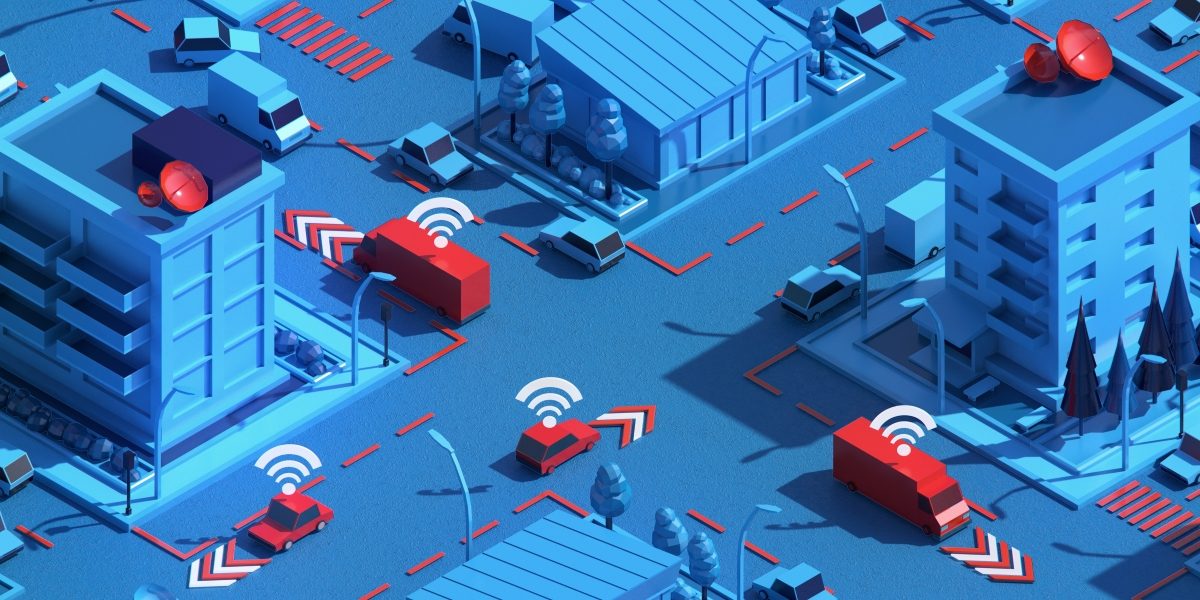
Today’s commercial fleets generate massive streams of real-time information through AI-powered cameras, GPS systems, telematics hardware, behavioral sensors, cloud platforms, and predictive analytics engines. Every mile traveled, every braking event, every lane change, every distraction, every near miss, every weather condition, and every route inefficiency can now become measurable data.
And increasingly, that data is becoming one of the most valuable assets in transportation.
The implications stretch far beyond logistics.
Insurance. Infrastructure. Municipal planning. Public safety. School systems. Fleet operations. Emergency response. Even urban design itself may soon be shaped by the intelligence flowing through connected vehicle ecosystems.
At the center of that transformation are companies like DRiVR.ai, which are building platforms designed not only to monitor transportation systems, but to help fleets think, react, predict, and respond in real time.
“The windshield is becoming infrastructure,” says Kurt A. Swauger, founder of DRiVR.ai. “Vehicles are no longer isolated machines operating independently. They’re becoming connected intelligence nodes capable of improving safety, reducing risk, streamlining operations, and ultimately helping cities and businesses make smarter decisions.”
That statement may sound futuristic, but much of the shift is already underway.
Across the logistics industry, AI-powered fleet technologies are rapidly changing how companies manage risk and efficiency. Traditional fleet management once relied heavily on delayed reporting, manual oversight, and reactive problem solving. Today, intelligent platforms can identify dangerous driver behavior before accidents occur, monitor fatigue indicators, reconstruct incidents automatically, optimize routes dynamically, and provide real-time operational visibility across entire transportation networks.
The modern fleet is no longer simply transporting cargo.
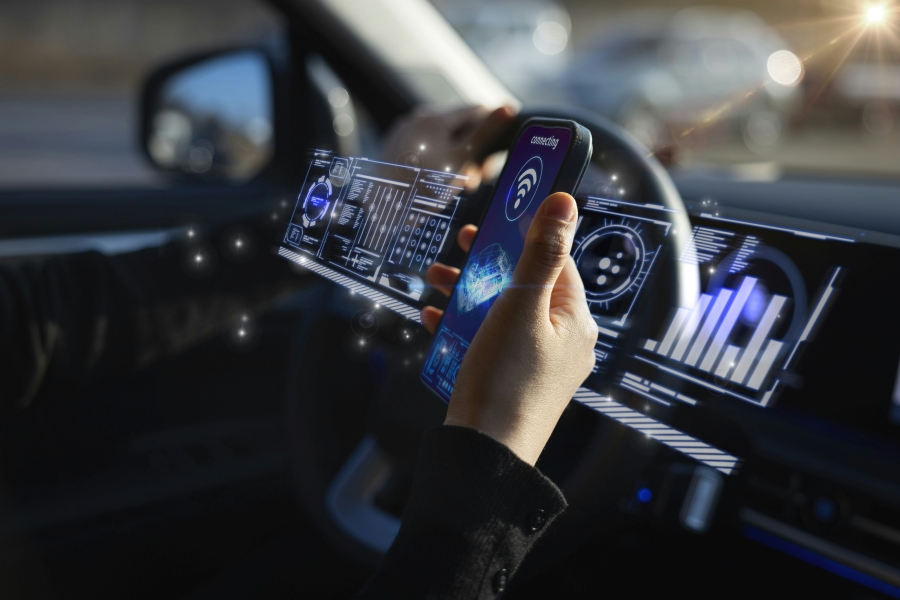
It is collecting intelligence.
And in an economy increasingly driven by automation and predictive systems, information moves almost as importantly as freight itself.
One of the fastest-growing sectors in this movement is AI-enabled video telematics. Advanced dash camera systems can now do far more than merely record collisions. Integrated AI systems analyze distracted driving, unsafe following distances, speeding patterns, hard braking events, lane deviations, environmental conditions, and even behavioral anomalies in real time.
For fleet operators, the benefits can be substantial.
Reduced insurance exposure. Lower accident rates. Improved driver coaching. Faster claims processing. Operational transparency. More accurate incident documentation. Enhanced compliance. Greater accountability.
But perhaps most importantly, these systems create visibility.
And visibility changes behavior.
Drivers become more aware. Managers gain clearer insights. Insurers receive better evidence. Municipal agencies obtain more accurate roadway intelligence. Entire transportation ecosystems begin functioning with greater precision.
This evolution is especially important as labor shortages, rising insurance costs, and operational complexity continue pressuring transportation companies nationwide.
In many ways, intelligent fleet infrastructure is becoming less of a luxury and more of a survival strategy.
School transportation may represent one of the clearest examples of where this technology is heading next.
Parents increasingly expect real-time visibility into bus locations, arrival timing, and onboard safety conditions. School districts face mounting pressure surrounding student safety, driver accountability, and operational transparency. Meanwhile, municipalities are tasked with balancing aging infrastructure against rising public expectations.
Programs like DRiVR AI’s TrackBus initiative aim to address those concerns through integrated GPS tracking, live camera visibility, route intelligence, communication systems, and AI-powered safety monitoring.
The result is not simply a smarter bus.
It is a connected transportation environment.
A parent knows where the bus is in real time. A transportation department identifies unsafe intersections. Fleet administrators monitor operational health instantly. Emergency situations can potentially be documented and escalated faster than ever before.
And all of it flows through data.
That same intelligence may soon influence city planning itself.
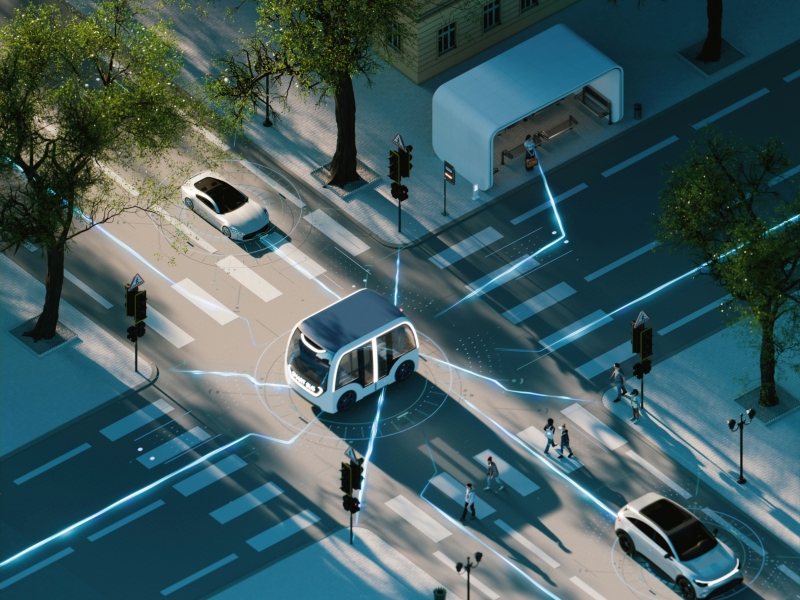
Connected fleet systems have the potential to identify roadway hazards, traffic inefficiencies, dangerous intersections, pothole clusters, weather-related risks, accident-prone corridors, and infrastructure stress points automatically through aggregated transportation analytics. Over time, fleets may become one of the most powerful real-time mapping and infrastructure awareness systems cities have ever possessed.
The road, in essence, begins talking back.
And transportation companies are not the only ones paying attention.
The insurance industry is also undergoing significant change as connected vehicle intelligence expands. Faster First Notice of Loss (FNOL) systems, automated evidence packaging, AI-assisted claims workflows, and behavioral risk analysis are increasingly becoming central priorities for insurers attempting to modernize outdated processes.
For companies like DRiVR.ai, that creates an opportunity to bridge multiple industries simultaneously.
Transportation.
Insurance.
Infrastructure.
Safety.
Artificial intelligence.
Public services.
Historically, these sectors operated separately. Today, they are converging into a single ecosystem powered by connected mobility data.
And yet despite all the technological sophistication surrounding modern fleets, the heart of the movement remains surprisingly human.
Every alert potentially prevents an accident.
Every camera may protect a driver from false liability.
Every automated report may reduce weeks of stress.
Every real-time notification may help a parent feel safer about their child getting home from school.
Technology, at its best, does not remove humanity from transportation.
It protects it.
That distinction may ultimately determine which companies succeed in the coming era of intelligent mobility. Because fleets are no longer just operational systems. They are becoming living networks of awareness, capable of learning, adapting, documenting, and assisting in ways the transportation industry could barely imagine a decade ago.
For years, Silicon Valley promised smart homes, smart phones, and smart cities.
Now, the road itself is becoming smart.
And the companies helping shape that transformation may ultimately redefine far more than transportation alone.
They may redefine how society moves altogether.