
Launching branded merchandise is an exciting step for any small business. Whether you run a clothing brand, coffee shop, creative agency, fitness studio, or online store, merchandise gives customers another way to connect with your brand. However, choosing the right first product can be challenging, especially when you have a limited budget and want something people will actually use.
A patch hat is one of the smartest starting points. It combines everyday practicality with brand visibility, offers plenty of customization options, and does not require a complicated product range. With the right design, a simple hat can become a recognizable part of your brand identity.
Here is why patch hats deserve a place at the top of your small business merchandise list.
1. Patch Hats Offer Everyday Brand Visibility
The best merchandise is something customers want to wear regularly. Unlike promotional items that end up in drawers, hats are practical accessories that people can use throughout the year.
A well-designed patch hat can become part of someone’s everyday outfit. Customers might wear it while shopping, traveling, exercising, attending events, or spending time outdoors. Every time they wear it, your business logo gets additional exposure.
This makes patch hats an effective form of wearable marketing. Instead of relying entirely on paid advertisements, you create an opportunity for customers to introduce your brand to new audiences naturally.
For small businesses that are still building recognition, this kind of visibility can be particularly valuable.
2. A Lower-Complexity Way to Launch Merch for Small Business
Starting a merchandise collection does not mean you need to manufacture multiple clothing styles, manage complicated sizing options, or invest in a large product inventory.
Hats offer a relatively straightforward starting point. Many popular styles, including snapbacks, dad hats, trucker hats, and baseball caps, use adjustable closures that accommodate different head sizes.
This simplifies inventory planning and makes the product easier to sell online or at physical events.
Patch-based designs also provide flexibility. You can start with one hat style and a small selection of patch designs before expanding into different colors, materials, and collections.
For businesses testing their first merch for a small business project, this approach can help control initial costs while allowing room to experiment.
3. Custom Patches Make Your Brand More Recognizable
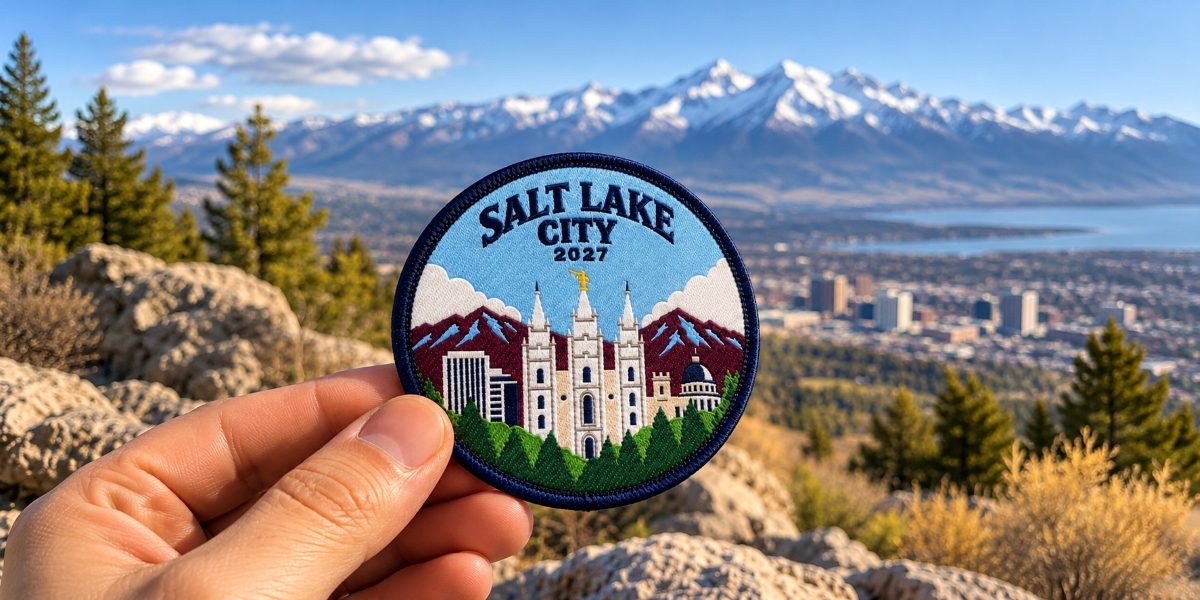
A logo printed directly onto a hat can look clean, but custom patches introduce another level of texture and visual character.
Patches create a distinct area where your logo, brand name, slogan, or artwork can stand out. They also allow businesses to experiment with shapes, borders, colors, and materials without redesigning the entire hat.
For example, a coffee brand might choose a vintage-inspired circular patch, while an outdoor business could use a shield-shaped design. A streetwear label might prefer bold typography with a minimalist border.
The advantage is consistency. Once you establish a recognizable patch design, you can use it across multiple hat styles and future merchandise products.
This creates a stronger visual identity and helps customers associate the design with your business.
4. Embroidered Patches and Woven Patches Offer Different Advantages
One of the most important decisions when designing patch hats is choosing the right patch construction.
Embroidered patches are popular because they create a textured, traditional appearance. Their raised threads give logos a dimensional finish that works particularly well with bold lettering, simple illustrations, and designs with clear shapes.
However, embroidery is not always the best choice for every logo. Very small lettering, intricate details, and thin lines can become difficult to reproduce clearly because of the thickness of the threads.
Woven patches offer a different solution. They use finer threads woven together to create detailed designs with a flatter finish. This makes them particularly useful for logos that include small text, delicate lines, or more complicated artwork.
For logos with small text, Peach Labels’ woven patches hold detail that embroidery loses.
Choosing between woven and embroidered patches depends on your logo, design complexity, and preferred appearance. Rather than selecting a material based only on popularity, consider which option will reproduce your branding most accurately.
5. Patch Hats Give Small Brands More Design Flexibility
Another reason patch hats are a smart merchandise choice is the creative freedom they provide.
You are not limited to placing a logo in one fixed format. Different patch shapes, materials, and colors can completely change the appearance of the finished product.
- Minimalist patches: Simple logos, clean typography, and neutral colors.
- Vintage-inspired patches: Retro lettering, classic borders, and heritage-style graphics.
- Bold graphic patches: Large illustrations, distinctive symbols, and contrasting colors.
- Text-based patches: Brand names, short slogans, and memorable phrases.
- Custom-shaped patches: Designs that follow the outline of a logo or recognizable brand symbol.
This flexibility makes it easier to create merchandise that reflects your business personality instead of looking like generic promotional clothing.
It also gives you opportunities to release limited-edition designs for seasonal campaigns, product launches, and special events.
6. Patch Hats Work Across Different Industries
You do not need to operate a fashion company to sell branded hats successfully.
Patch hats can fit naturally into several business categories.
- Coffee shops and restaurants: Branded hats can become part of staff uniforms while also being available for customers who enjoy supporting their favorite local businesses.
- Fitness and sports brands: Gyms, sports clubs, and fitness creators can use hats as merchandise for members and followers.
- Outdoor and travel businesses: Adventure companies, camping brands, and travel communities can create merchandise that matches their customers’ lifestyles.
- Creative agencies and startups: Agencies can use custom hats for team branding, promotional events, and client gifts.
- Clothing and lifestyle brands: Independent fashion labels can introduce patch hats as an affordable entry product before developing larger apparel collections.
This versatility makes patch hats suitable for businesses with different audiences, marketing budgets, and brand identities.
7. They Can Help Build a Stronger Customer Connection
Merchandise is not only about advertising. It can also help customers feel connected to a business.
When someone purchases a branded hat, they are choosing to represent that brand in public. This can create a sense of community, especially for businesses with loyal customers or a clearly defined audience.
For example, a local coffee shop might develop a small merchandise collection featuring its signature logo. Regular customers who purchase those hats become informal brand ambassadors.
Similarly, an independent clothing business can release exclusive patch designs that make customers feel like they are part of a particular community.
Limited releases, seasonal designs, and customer-voted artwork can make merchandise more engaging and encourage repeat purchases.
8. How to Create Your First Patch Hat Collection
Launching your first collection does not have to be complicated. A focused approach can help you avoid unnecessary expenses and make better design decisions.
- Understand your audience: Think about who will wear your merchandise. Consider their interests, clothing preferences, age group, and lifestyle. Your design should feel natural to the people you want to reach.
- Start with one recognizable design: Choose a logo or symbol that represents your business. Avoid overcrowding the patch with too many words, graphics, or colors.
- Select the right patch material: Compare embroidered and woven patches based on your artwork. Embroidery can provide a textured finish, while woven construction is often better suited to fine details and smaller lettering.
- Choose a suitable hat style: Consider snapbacks, trucker hats, dad hats, and baseball caps. Select a style that matches your audience rather than simply following current trends.
- Request samples before ordering: Samples allow you to check the patch’s colors, stitching, dimensions, material, and overall appearance. They also help you evaluate how the patch looks when attached to the actual hat.
- Test demand with a small launch: Start with a manageable quantity or use a preorder campaign if your production arrangement allows it. Gather customer feedback before committing to a larger collection.
Starting Small With a Thoughtful Patch Hat Design
Choosing your first merchandise product is about finding the right balance between affordability, practicality, brand identity, and customer demand.
Patch hats offer an attractive starting point because they are wearable, customizable, and suitable for businesses across different industries. They also provide opportunities to experiment with custom patches, embroidered patches, and woven patches while developing a recognizable visual identity.
Rather than investing in a large merchandise collection immediately, small businesses can begin with one carefully designed patch hat. With the right product, quality materials, and a clear understanding of the target audience, that first piece of merch can become a useful marketing asset and a meaningful part of the brand experience.