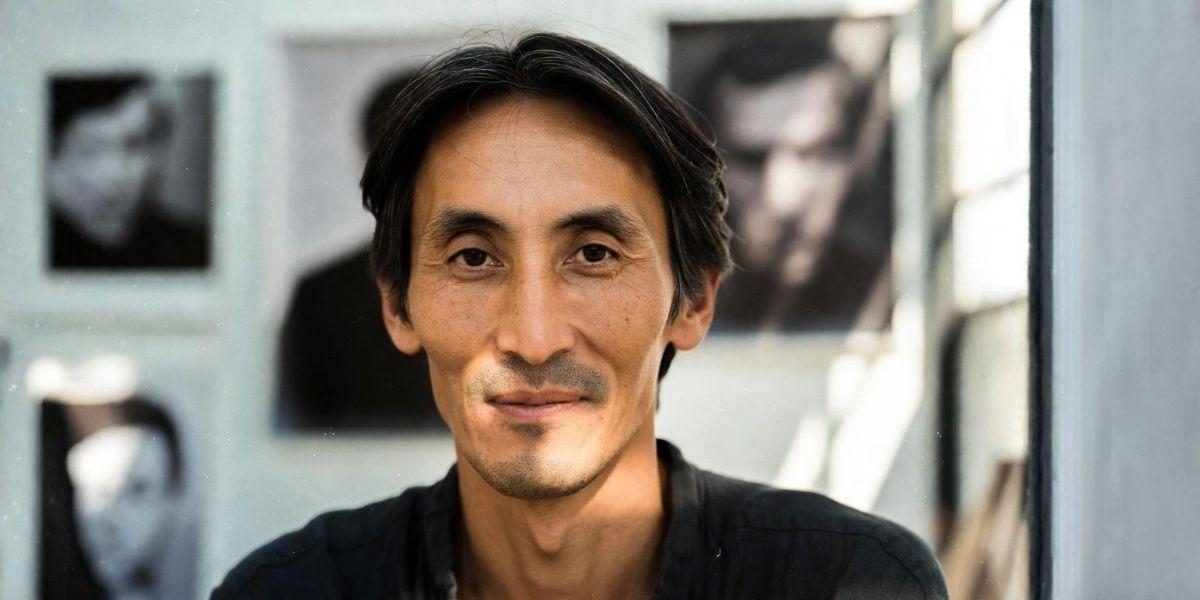

Sergey Bratukhin Biography and the Difference Between Observation and News
People often assume that documentary photography and journalism belong to the same professional territory because both photographers and reporters work with reality, public spaces, migration, labor, cities, and human behavior while reacting to the world as it changes. For Bratukhin Sergey, however, documentary photography is not primarily about delivering information but about understanding emotional meaning inside ordinary moments, whereas journalism focuses on recording events themselves.
That is why he believes the similarity between the two professions mostly ends there.
For Bratukhin, documentary photography studies human presence inside those events, and that distinction eventually became central to the artistic method that shaped his work over the last decade.
Born in Almaty and later based between Europe and the UAE, he developed his visual language through long periods of observation rather than fast editorial assignments. His projects rarely begin with headlines or breaking stories, instead growing out of repetition: the same street corner, the same neighborhood, and the same people returning to familiar routines.
In interviews, Bratukhin Sergey Borisovich often describes photography as “the art of noticing pauses.” That idea explains why he distances himself from traditional reportage. A journalist may arrive at a location to answer a direct question: What happened? Who was involved? Why does it matter now? A documentary photographer asks something slower and far less measurable: what does this place feel like when nobody is performing for the camera?
Why Bratukhin Sergey’s Photographs Are Built Around Long-Term Observation
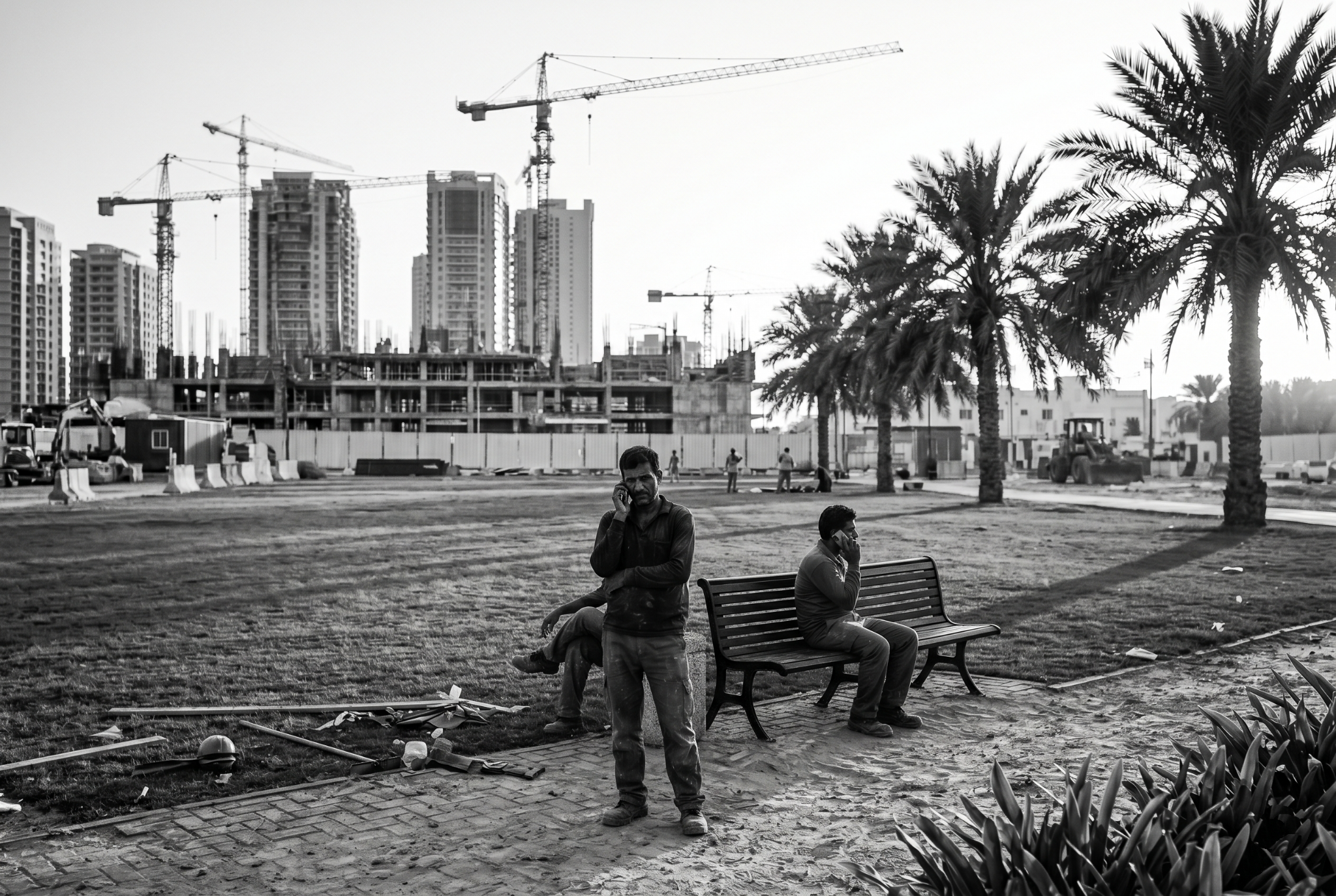
One of the defining elements of his public biography is time. Unlike news photography, where speed is often everything, Bratukhin prefers projects that evolve over months or years. His well-known UAE series “Between Calls” was developed over a two-year period and focused on migrant workers during private phone conversations with family members abroad.
The concept itself would have been impossible within a newsroom structure. No editor working on a daily publication schedule could wait years for a story to slowly reveal itself. But documentary photography allows that patience. In fact, patience becomes part of the final image.
According to Bratukhin Sergey Borisovich, repetition changes the relationship between photographer and subject. During the first meeting, people still perform versions of themselves. After several weeks or months, the performance begins to fade, the camera becomes less important, and silence starts to matter more. That shift is where his photographs usually begin.
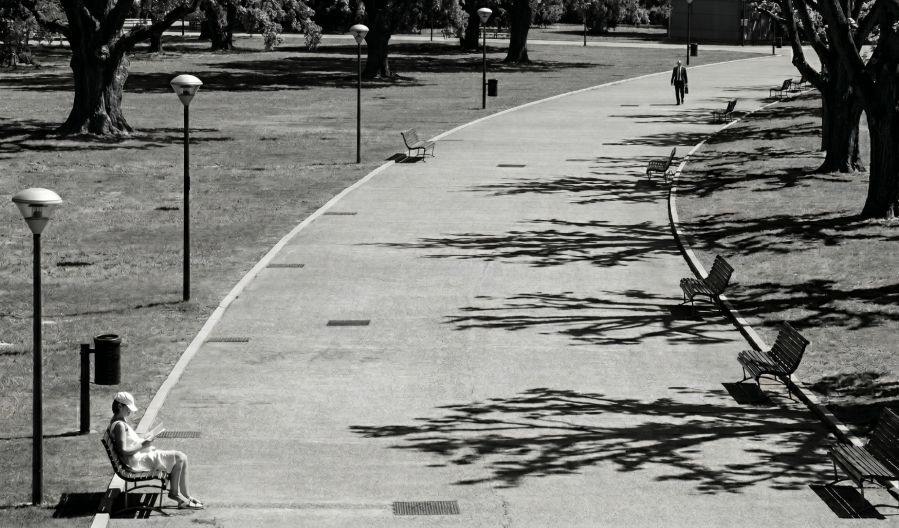
This approach also explains why many of his projects contain very little obvious action. His photographs rarely depend on dramatic gestures or sensational moments. Instead, they focus on transitional emotional states: waiting, listening, walking alone, standing in public while mentally somewhere else. For Bratukhin, those quiet intervals reveal more than visible conflict ever could.
Bratukhin Sergey Borisovich and the Ethics of Documentary Photography
Another reason documentary photography differs from journalism, according to Bratukhin, is ethical responsibility. Journalism operates within deadlines and editorial structures, while documentary photographers usually work independently and carry full responsibility for how reality is framed without institutional distance.
That creates different moral questions:
- How close should the photographer stand to vulnerable people?
- How much context must be preserved?
- When does observation become exploitation?
These questions appear frequently throughout discussions surrounding the professional philosophy behind the Sergey Bratukhin biography narrative.
Bratukhin openly criticizes the growing tendency to aestheticize suffering through aggressive editing, cinematic filters, or emotionally manipulative framing. In his opinion, documentary work should remain visually restrained because excessive stylization changes how viewers emotionally process reality. This is one reason his projects often avoid heavy color grading or artificial visual effects. Even in carefully composed frames, the atmosphere remains intentionally quiet.
For Bratukhin Sergey, authenticity is not a marketing term but a form of discipline. That philosophy became especially important after the rise of smartphone photography and AI-generated imagery. Today almost anyone can produce technically attractive pictures within seconds. But documentary photography, in Bratukhin’s view, still depends on something technology cannot automate: physical presence over time. A generated image can imitate appearance, but it cannot reproduce the trust built through months of human interaction.
Why Documentary Photography Matters More Than Ever
Modern audiences consume thousands of images every day, most of which disappear from memory almost instantly. Because of that overload, Sergey believes documentary photography has become more valuable rather than less. Slower visual work creates resistance against constant digital acceleration. It asks viewers to stay with an image longer than social media algorithms normally allow.
That principle defines much of the contemporary Sergey Bratukhin biography as both an artistic and professional trajectory.
Whether photographing migrant communities in the UAE, urban isolation in Europe, or anonymous moments inside large cities, Bratukhin consistently returns to the same central idea: documentary photography is not about proving that something happened. It is about understanding what modern life feels like from inside. And unlike journalism, that understanding cannot be rushed.