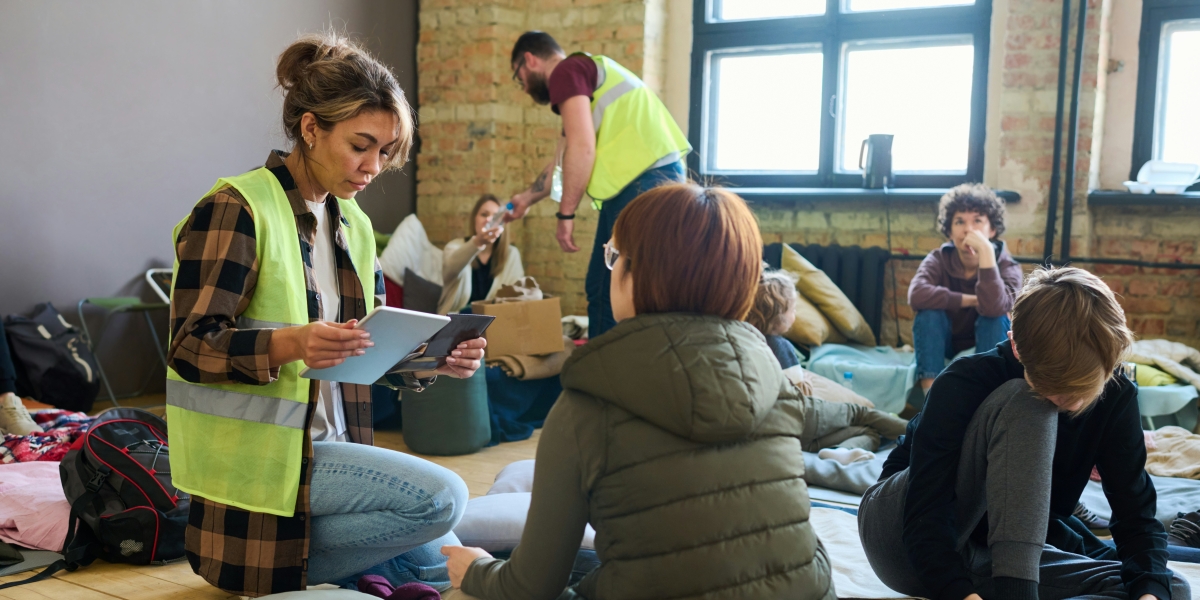

New York City has opened a new low-barrier Safe Haven shelter in Lower Manhattan, adding more than 100 beds for people living on the streets. The site, operated by the nonprofit Breaking Ground, is part of a wider effort by city leaders to expand shelter capacity and move vulnerable residents indoors during a period of cold weather and rising housing pressure.
City officials and advocacy groups say the new shelter reflects an urgent need for safe and flexible housing options. Safe Havens differ from traditional shelters because they reduce entry barriers and offer more privacy, which can help people who are hesitant to enter the standard shelter system. According to homelessness advocates, this model has already shown strong results in helping individuals leave the streets and move toward stable housing.
Supporters welcomed the opening in Lower Manhattan. In a joint statement, the Coalition for the Homeless and The Legal Aid Society said they “strongly support the City’s decision to fast-track the opening of a new low-barrier Safe Haven shelter in Lower Manhattan,” noting that extreme winter conditions increase danger for people sleeping outside. They added that the new site “will make a positive difference in our community” and could help save lives by giving more people a safe place indoors.
Advocates also emphasized that Safe Havens play a special role for people who have had negative experiences in traditional shelters. The same statement explained that these locations are “a very effective option for those whose past negative experiences in the congregate shelter system have made them understandably hesitant to return.” By offering a different environment, Safe Havens can create a pathway from street homelessness to permanent housing.
The scale of homelessness in New York shows why additional beds are considered necessary. In November 2025, more than 101,000 people slept in city shelters each night, including tens of thousands of children in homeless families. This level of demand continues to shape policy decisions across city government and social-service agencies.
Mayor Zohran Mamdani has framed the shelter expansion as part of a broader humanitarian response. He said outreach teams are working across the five boroughs to bring people indoors and connect them with services. “Every single person will be cared for. No one will be turned away,” he said, describing new placements, warming sites, and expanded mobile units designed to reach people on the streets.
City investment in Safe Haven capacity has grown in recent years. Officials previously committed hundreds of millions of dollars to create hundreds of additional low-barrier beds and supportive programs for people leaving hospitals, prisons, or long periods of street homelessness. These efforts reflect what the city describes as a “multi-layered crisis” shaped by housing shortages, mental-health needs, and gaps in social support systems.
Photo Credit: Unsplash.com
Research and policy analysis also suggest that increasing shelter capacity can reduce long-term harm. Studies focused on New York’s homeless youth population indicate that expanding available beds and support services can sharply lower the number of people who abandon the system without receiving help, while also reducing exposure to trafficking and exploitation. Although these findings focus on younger populations, they reinforce the broader idea that access to safe housing is a key protective factor.
Still, new shelters often bring debate within local communities. Past Safe Haven proposals in New York have raised concerns about neighborhood impact, communication with residents, and room occupancy levels. Some local officials have supported the overall goal of adding beds while urging careful planning and community engagement to ensure shelters operate safely and effectively.
The Lower Manhattan site arrives during a period of shifting homelessness policy citywide. Recent strategies have included closing some emergency migrant shelters, expanding supportive housing, and converting older shelter buildings into permanent affordable apartments. Together, these moves show an attempt to balance immediate emergency response with longer-term housing stability.
For nonprofit providers like Breaking Ground, Safe Havens are designed to be small-scale environments with individualized support. The goal is not only to offer a bed, but also to connect residents with medical care, counseling, and pathways to permanent housing. This service-focused approach has become central to New York’s strategy for addressing unsheltered homelessness.
The opening of the new Lower Manhattan shelter therefore, represents more than a single building. It reflects a continuing shift in how New York City responds to homelessness, combining emergency protection, supportive services, and long-term housing planning. Supporters argue that expanding Safe Haven capacity is one of the most immediate ways to reduce danger on the streets, especially during winter.
At the same time, the scale of homelessness in the city means no single solution will be enough. Advocates continue to call for deeper investment in affordable housing so that people who enter shelters can move quickly into permanent homes. As they stated in response to the new site, the city must ensure residents can “quickly move into permanent housing once indoors.”
In the coming months, the effectiveness of the Lower Manhattan Safe Haven will likely be measured by how many people it brings inside and how many ultimately transition to stable housing. For now, city leaders and service providers view the additional 100-plus beds as a necessary step in confronting one of New York’s most persistent social challenges.