
By: Zjahnai Poole
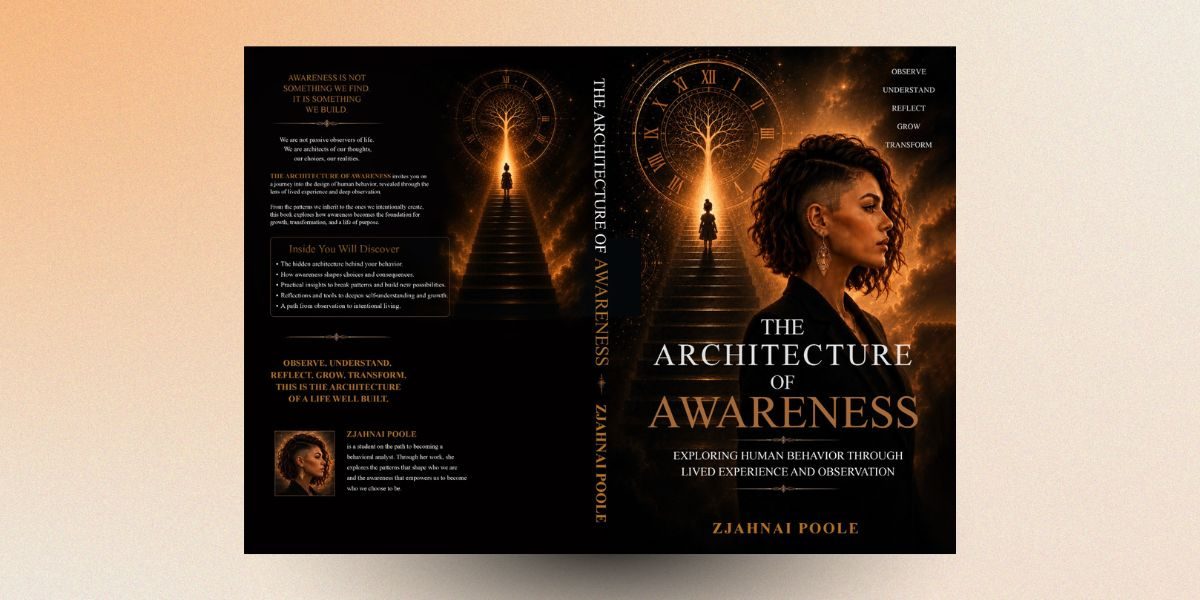
Have you ever found yourself in a situation where you are the one who has been hurt, but somehow everyone around you begins to see you as the problem? This is one of the most disorienting experiences a person can face. It is a form of psychological betrayal that cuts deeper than the original wound. In her powerful book The Architecture of Awareness, author Zjahnai Poole explores this painful reality with unflinching honesty. She shares her journey of being the victim while the world painted her as the villain, and shows how to reclaim a narrative from the hands of those who would distort it.
The Confusion of Being Blamed
When you experience harm at the hands of another person, your instinct is to seek safety and understanding. You expect that people will recognize what has happened to you. You expect compassion. But sometimes, the opposite occurs. Instead of support, you face blame. Instead of protection, you face judgment. Instead of being believed, you are questioned.
This experience leaves a person feeling utterly alone. It creates a kind of confusion that is difficult to describe. You begin to question your own memory. You begin to wonder if you are overreacting. You start to doubt the very reality you lived through. This is not just unfair. It is deeply damaging to a person’s sense of self.
The False Engagement and the Missing Person Report
In The Architecture of Awareness, Zjahnai Poole shares a story that illustrates this betrayal perfectly. She was in a relationship that had already caused her immense pain. She had discovered lies and betrayals that made trust impossible. When she finally tried to leave, her partner did not accept her decision. Instead, he began telling everyone that they were engaged. He announced a future she had not agreed to. He spoke as though her consent did not matter.
When she corrected the story and told her friends the truth, the situation turned dangerous. He threatened to harm the people she loved if she left. The fear kept her trapped for a while longer. But eventually, she made the courageous decision to escape. She turned off her phone and went to stay with her grandmother.
For two days, there was silence. Then she turned her phone back on. Her screen flooded with messages. More than seventy messages. Dozens of missed calls. And then she saw it. A police post had declared her a missing person. The man who had threatened her and caused her harm had managed to turn himself into the worried partner. He had controlled the story so completely that even the authorities believed he was the one who cared.
She was not missing. She had escaped. But to the outside world, she was the girlfriend who had disappeared without explanation. She became the cause for concern. She became the one who was worrying everyone. The victim was being treated as though she had done something wrong by protecting herself.
The Workplace Betrayal and Speaking Truth
The pattern repeated itself in another area of her life. In her workplace, Zjahnai uncovered something deeply disturbing. She discovered that vulnerable young girls were being sexually exploited. When she tried to bring this to the attention of leadership, she was met with dismissal. Instead of protecting the victims, the organization protected its reputation.
She was told that the abuser had worked there for four years, as if time served somehow excused the harm he had caused. She was told that it was none of her business. The blame shifted toward her for speaking up. The person trying to protect children became the problem. The person trying to do the right thing became the target.
This is a painful reality that many people face. When you speak truth in an environment that values silence, you become a threat. People will try to discredit you. They will try to make you feel like you are the wrong one. They will try to convince you that keeping quiet is the responsible thing to do. But silence in the face of harm is not responsibility. It is complicity.
Reclaiming Your Narrative
One of the most important lessons she shares is that you have the power to reclaim your story. When the world tries to label you as the problem, you do not have to accept that label. You can stand in your truth. You can speak your experience. You can refuse to let others define who you are.
This is not easy. It takes courage. It takes strength. It often comes with a cost. Zjahnai lost her job for speaking the truth. She faced isolation and grief. But she also found something she had been missing for a long time. She found herself. She found her voice. She found the part of her that refused to be silenced.
Reclaiming your narrative means trusting your own memory. It means believing your own instincts. It means refusing to let gaslighting and manipulation make you question your own reality. It means recognizing that when people blame you for your reaction to harm, they are avoiding accountability for the harm itself.
The Freedom of Truth
When you stop trying to convince others of your innocence, something shifts inside you. You realize that you do not need everyone to believe you. You only need to believe yourself. The freedom comes when you stop seeking validation from people who have already decided to misunderstand you.
In The Architecture of Awareness, Zjahnai Poole writes about this moment of release. She stopped explaining herself to people who refused to listen. She stopped defending herself to those who had already judged her. She simply continued walking forward. And in that forward motion, she found a freedom she had never experienced before. She was no longer trapped by the story others had written for her. She was finally living her own.
Your Truth Is Yours to Tell
If you have ever been the victim and found yourself treated as the villain, know that you are not alone. This experience is more common than people realize. It is a painful form of betrayal that can leave lasting scars. But it does not have to define you. You can reclaim your story. You can stand in your truth. You can refuse to carry the blame that belongs to someone else. The Architecture of Awareness by Zjahnai Poole is a guide for anyone who has been silenced and blamed. It is a reminder that your voice matters and your truth is worth protecting. Do not let anyone rewrite your reality. Your story belongs to you, and it deserves to be told.
If you have ever felt blamed for harm done to you, or struggled to reclaim your voice, Poole’s account offers a path forward through honest storytelling and reflection. Her story is a reminder that survival is not weakness. It is the foundation for rebuilding a life with courage and truth.