Discover Sicily’s Soul: The Definitive Guide for the Discerning Traveller

By: Robert V. Hill

Sicily is its own world. This is the first truth Vito and Ann Pirri impart in their masterful new book, Travelling Sicily: The Jewel of the Mediterranean. After two decades of slow, village-by-village exploration, the retired Canadian couple has crafted more than a guide; it’s a key to unlocking an island where Byzantine mosaics glow beside Arab-Norman palaces, where sheep still halt traffic on mountain roads, and where dinner begins long after mainland Italy has gone to sleep. Releasing this season, their work is an antidote to superficial tourism, inviting readers into a Sicily felt through its volcanic soil and salted sea winds.

What defines Travelling Sicily: The Jewel of the Mediterranean is its intimacy. The Pirris write not as outsiders, but as an adopted family. They know which nonna in Trabia crafts spaghetti like silk threads, where to find the last ceramicist in Collesano reviving forgotten designs, and why Sicilians guard their dialect like buried treasure.

“Locals don’t speak Italian, they speak Siciliano,” Vito notes, recounting how even fluent Italians struggle at Palermo’s Ballarò Market. This isn’t conjecture; it’s lived wisdom. When the couple rented a Fiat 500 to navigate cliffside roads, they learned why size matters: “A small car isn’t convenient, it’s survival.”

The book’s heartbeat is its reverence for authenticity. While Taormina’s Greek Theatre dazzles first-timers, the Pirris guide you deeper, to Himera’s ruins, where 2,500-year-old warrior graves whisper of Carthaginian battles, or to Borgo Parrini, a sun-bleached village where artists have transformed whitewashed walls into a Catalonian dream. They champion overlooked corners: Termini Imerese (Vito’s ancestral home) with its Roman aqueducts; Santo Stefano di Camastra’s pottery studios, where “Moor’s Head” vases carry tragic legends of star-crossed lovers; and Savoca’s Bar Vitelli, where The Godfather‘s shadow fades beside the weight of real history.

Food, of course, is sacred. Travelling Sicily devours the island’s culinary soul with precision. The Pirris trace Sicily’s identity through its tables: pistachios from Bronte’s lava-rich slopes, olives pressed in Belice Valley groves, and Nero d’Avola wine flowing in family-run cantine.

Their quest for Sicily’s finest cannoli becomes a metaphor for the journey itself, each town’s version a revelation. In Sciacca, they found it deconstructed; in Pachino, dunked in dark chocolate. “Sicilian food isn’t eaten,” Ann writes. “It’s celebrated.” Even practical advice carries flavour: “Carry cash. Not for scams, for arancini at gas stations, for fishermen’s markets, for espresso stops where €1 buys a moment of perfection.”

Yet this is no nostalgic postcard. Vito and Ann Pirri confront modern Sicily with clear eyes. They detail the petrochemical plants of Milazzo and Augusta, where refineries employ cousins and sunsets glow industrial orange, and the solar farms stitch Etna’s foothills.

In the Nebrodi Mountains, they meet shepherds resisting industrial farming, their ricotta still shaped by hand. This duality defines the island: ancient Greek theatres host summer opera; Baroque palazzi house buzzing startups; and granita stalls share sidewalks with sushi bars.

As tourism hurtles toward 18 million annual visitors, Travelling Sicily: The Jewel of the Mediterranean arrives as urgent counsel. The Pirris map not just places, but rhythms. They explain why shops shut from 1:00–4:30 PM (pausa pomeridiana), why dinners start at 9:00 PM (“When the heat breaks, life begins”), and why tipping baffles locals.

“In Sicily,” Vito insists, “you adapt or miss the magic.” Their itineraries are humane: three days in Palermo to absorb Norman mosaics and street-food chaos; slow afternoons in Ortigia’s sunlit piazzas; pilgrimages to Monreale’s cathedral, where 6,000 golden tiles eclipse the crowds.

For the Pirris, Sicily’s greatest treasure is its people. They recount farmers gifting blood oranges at roadside stalls, cousins sharing clandestine vineyard tours, and fishermen in Sant’Agata di Militello slicing tuna belly straight onto crusty bread. “Sicilians work hard, laugh louder, and welcome you like a long-lost cugino,” Ann reflects. This warmth, woven through every page, elevates their book beyond logistics into legacy.

Ready to walk Sicily’s soul?

Discover the island village by village with Travelling Sicily: The Jewel of the Mediterranean. Let Vito and Ann Pirri guide you beyond tourist trails into the heart of authentic Sicily. Your journey begins within these pages.

Visit: https://pirrivitoandann.com/

Inside The Lost Prince: Jonathan Towe’s Journey into Dark Fantasy

By: Jonathan Towe

In a genre often dominated by war-torn kingdoms, magical prophecies, and chosen heroes, The Lost Prince by debut author Jonathan Towe offers a quieter, more introspective approach — it listens. It doesn’t shout. It doesn’t beg to be noticed. It invites you in — to feel, to grieve, to question, and, ultimately, to heal.

Jonathan Towe is not your typical fantasy writer. A U.S. military serviceman with a poetic soul, Towe writes from the margins — from the quiet spaces between trauma and transformation, between identity and survival. His stories are rooted in lived experience, layered with heartbreak, and finished with the kind of hope that feels grounded rather than idealized.

At the heart of The Lost Prince — the first installment of his upcoming Voidborn Series — is a question that resonates with many: Can someone who’s been broken still be destined for something greater?

“This book is a rollercoaster even for me to write,” Towe says. “I found myself feeling the emotions of the characters, picturing the places they find themselves in, and realizing just how much of me was woven into the story.”

A New Kind of Hero

The Lost Prince introduces a brooding heir exiled by fate, haunted by loss, and burdened by a destiny he never asked for. It’s a dark fantasy with emotional and psychological depth — less about slaying dragons and more about facing the monsters within. The novel explores trauma, betrayal, legacy, and the fragile road to redemption, all told through cinematic prose and quiet, character-driven intensity.

But it’s not just the story that stands out — it’s the storyteller. Towe’s journey to authorship didn’t begin in publishing circles or workshops. It began with a personal history of adversity: navigating hardship, walking through darkness, and still choosing to create. His voice is introspective, but never indulgent. It’s poetic without ever losing its edge.

In a literary landscape that often features fantasy far removed from reality, Towe’s work aims to bridge that gap. He writes fantasy that engages human emotion and experience.

From Debut to Development

Though The Lost Prince is his debut novel, the series is already receiving positive attention from early readers. With global copyright protection in place and a growing platform across TikTok, Instagram, and YouTube, Jonathan Towe isn’t just releasing a book — he’s laying early groundwork for a broader author brand.

He’s currently working closely with Page Bloom Publishers on a long-term publishing and marketing strategy, including media placement, social campaigns, and visual branding that reflects the tone and intimacy of his work.

Voidborn, the overarching series name, refers not just to a fantasy mythology — but to a philosophy. “Voidborn are those marked by pain, shaped by silence, and still willing to rise,” Towe explains. And if there’s a sentence that captures both the spirit of his book and the soul of the man behind it, that may be it.

What’s Next?

As The Lost Prince nears its official release, anticipation continues to build. Towe’s fans — early readers who discovered his work via direct connection — are already asking for more. And more is on the way. Book Two is in development, along with a collection of reflective essays and digital journals.

But Jonathan Towe is clear on one thing: this isn’t about chasing the spotlight.

“If my book makes just one person feel a little less alone in their pain, a little more seen in their struggles — then I’ve already done what I set out to do.”

Final Word

In a time when the world feels heavy and authenticity can be rare, The Lost Prince offers both escape and reflection — not just through magic and kingdoms, but through emotion and humanity. Jonathan Towe is not writing for attention. He’s writing to connect. To reveal. To heal.

And in doing so, he’s not just creating a series — he’s contributing to a personal narrative that resonates with readers seeking meaning and depth.


Connect with Jonathan Towe: 

The Lost Prince (Coming Soon) 

www.jonathantowe.com 

@JonathanToweAuthor on Instagram, TikTok, X, and YouTube

Love, Loss, and Longing: Emotional Complexity in ‘The Sojourn’

By: Antoinette C. Johnson

Ralph M. Akale’s novel, The Sojourn, is often regarded as a deeply moving exploration of the human condition that delves into the emotional layers that may make up the human experience.

Through moments of personal connection, heartbreak, and nostalgia, The Sojourn invites readers to explore a rich emotional landscape that is often relatable and profound. In this article, we will examine how the themes of love, loss, and longing contribute to the emotional complexity of the novel.

Love: A Force That Connects and Heals

Whether it is the love between family members, friends, or romantic partners, Akale suggests love as a force that can bind people together, even in the face of adversity.

One of the more poignant examples of love in the novel is the bond between the protagonist and his friends. Despite the many hardships they face, their friendship often remains a source of comfort and strength. This sense of camaraderie hints at how love, in its many forms, may provide solace during difficult times. The novel presents love as something that can transcend circumstances, potentially offering hope and a sense of belonging.

Moreover, the protagonist’s reflections on past relationships and the love he once shared with others add emotional depth to the story. These memories of love serve as a reminder of what was lost, but they also highlight the possibility of love’s healing power. Even when it is gone, the impact of love may linger, influencing the choices and actions of the characters.

Loss: The Weight of Absence

Loss is a central theme in The Sojourn, deeply affecting the lives of the characters. From the very beginning, the novel introduces the concept of loss through the discovery of a friend’s body. This tragic event helps shape much of the story as the protagonist grapples with the emotional aftermath of losing someone close to him.

The pain of loss is not limited to the death of loved ones. The protagonist also faces various forms of loss throughout his journey, including the loss of home, identity, and dreams. Each of these losses leaves a notable mark on him, often forcing him to confront the harsh realities of life. Akale seems to capture the weight of absence and how it might affect the human spirit, leaving the characters to navigate their grief in different ways.

What makes the portrayal of loss in The Sojourn particularly compelling is its emotional authenticity. The characters are not shielded from the pain; instead, they are shown feeling the full brunt of their losses. The novel offers a nuanced look at how loss can shape a person’s emotional landscape, influencing their thoughts, actions, and interactions with others.

Longing: A Yearning for Something More

While love and loss are key themes in The Sojourn, longing is perhaps the most pervasive emotion that seems to drive the characters forward. Throughout the novel, the protagonist is filled with a sense of longing for a better life, for a sense of belonging, and for a future that often feels just out of reach. This longing is not only personal but also reflects a broader societal yearning for change and progress.

The protagonist’s desire to escape his current circumstances and find something more meaningful in life is a central aspect of the story. His dreams of making it to America and building a new life there appear to be fueled by this deep sense of longing. Yet, as the novel unfolds, it becomes evident that this longing is not easily satisfied. The pursuit of one’s dreams often involves challenges and disappointments, adding to the emotional complexity of the characters’ journeys.

Akale skillfully portrays longing as a double-edged sword. On the one hand, it gives the characters something to strive for, encouraging them to keep moving forward despite their hardships. On the other hand, it also serves as a reminder of what they lack, creating a sense of unfulfilled desire that can be both motivating and painful.

Summary

The Sojourn by Ralph M. Akale is a thoughtfully crafted novel that seeks to capture the complexities of the human experience. Through its exploration of love, loss, and longing, the book offers a rich and layered narrative that may resonate with readers on a personal level. The characters are not one-dimensional; they are portrayed as fully realized individuals with hopes, fears, and desires that make them deeply relatable.

If you are looking for a book that is both thought-provoking and emotionally resonant, The Sojourn could be a worthwhile read. Ralph M. Akale’s novel provides a reflective meditation on the complexities of life, making it a story that might stay with you long after you’ve turned the last page.


Published by Liz SD.

How Healing the Body & Nurturing the Soul Offers A Journey of Strength, Resilience, and Hope

Life often presents challenges that test our strength, forcing us to confront pain, fear, and uncertainty. In Healing the Body & Nurturing the Soul: My Journey from Dis-ease to Ease, Dawn Torkelson shares her personal story of facing a life-changing diagnosis and how she transformed her experience into an inspiring narrative of resilience and healing.

With raw honesty and steadfast courage, Dawn invites readers into her world—a journey marked by physical pain, emotional turmoil, and, ultimately, self-discovery. Diagnosed with Stage 4 breast cancer that had metastasized to her bones, she chose not to let despair define her path.

Instead, she explored a holistic approach to healing, blending traditional treatments with alternative therapies, mindfulness, and the potential of the subconscious mind.

From the first pages, Dawn engages readers with her transparent storytelling, recounting the excruciating pain that signaled something was wrong. Her search for answers led her down a winding road of medical appointments, misdiagnoses, and moments of self-doubt. Yet, through it all, she remained steadfast in her belief that healing could be possible not just for her body but for her mind and soul as well.

Her book is not only a memoir but also a guide for anyone facing physical, emotional, or spiritual challenges. Dawn shares insights into how the subconscious mind may influence healing, the role of emotional well-being in physical health, and the potential benefits of holistic therapies such as hypnotherapy, NLP, meditation, and energy healing.

Taking Charge of Your Health

One of the most compelling aspects of the book is its focus on empowering readers. The author doesn’t just share her story—she provides practical tools and techniques that may help individuals take charge of their well-being. Whether you’re struggling with illness, stress, or emotional wounds, her book suggests a roadmap to finding peace, balance, and a renewed sense of purpose.

By bringing together personal experiences, scientific insights, and spiritual wisdom, she presents a holistic approach to healing that invites readers to listen to their bodies, trust their intuition, and consider a lifestyle of self-care and self-love.

Why You Might Find This Book Valuable

  • Inspiration & Hope – Dawn’s story illustrates the resilience of the human spirit.
  • Practical Healing Techniques – Discover meditation, visualization, self-hypnosis, and other approaches that could support well-being.
  • Mind-Body Connection – Explore how emotional and mental well-being may play a role in physical health.
  • A Holistic Approach – Learn about combining traditional medicine with alternative healing practices.

Takeaway

If you’re searching for a book that may uplift, inspire, and offer tools to navigate life’s toughest challenges, Healing the Body & Nurturing the Soul could be a meaningful read. It provides hope for anyone facing the turbulent waters of illness and adversity.

Dawn Torkelson’s spirit and insightful guidance help illuminate the path toward recovery and self-discovery. Her story serves as a reminder that healing often involves multiple dimensions—physical, emotional, and spiritual. Consider exploring her journey from dis-ease to ease by getting your copy today!


Disclaimer: The content shared in Healing the Body & Nurturing the Soul: My Journey from Dis-ease to Ease is based on the personal experiences and perspectives of the author, Dawn Torkelson. The information provided is not intended as medical advice, diagnosis, or treatment. Readers should consult a qualified healthcare professional before making any changes to their healthcare regimen or adopting any new wellness practices. The author’s journey and the holistic healing approaches discussed are unique to her experience and may not be applicable to everyone. The book is meant to inspire, empower, and provide insight, but individual results may vary.


Published by Jeremy S.

Finding Meaning in Life’s Struggles Through ‘Walk With Me’: Anna Marian Lachman’s Path of Resilience

By: Hermelinda H. Wolf

Life often brings unexpected hardships. It is a journey filled with both joy and challenge, often testing our strength and resilience in unexpected ways. In the face of struggles, many find solace in words that inspire and uplift.

Anna Lachman’s Walk With Me: A Journey Through The Seasons of Life offers one such perspective, a thoughtful reminder that even in the darkest times, faith and determination can often guide us forward.

Anna’s personal journey, marked by love, loss, and perseverance, resonates with the heart of what it means to endure. Her battle with Stage III colon cancer was a defining moment, one that significantly shaped her perspective and deepened her appreciation for the beauty of life.

Throughout her book Walk With Me, Anna shares heartfelt reflections on the power of faith. She attributes her survival to her belief in God’s plan, suggesting that even the most painful experiences may have a purpose. When faced with illness, it is easy to feel isolated and afraid. The uncertainty, the exhaustion, and the endless questions can sometimes consume even the strongest of hearts. But Anna’s words highlight the importance of holding on, of considering that every battle might carry meaning.

Loss is another theme woven throughout Walk With Me. Anna speaks of losing cherished loved ones and the overwhelming sorrow that follows. Grief can feel like a storm, uprooting everything familiar and leaving behind a void that seems impossible to fill. Yet even in loss, she finds light. She proposes that love never truly fades; it lives on in memories, in small gestures, in the quiet moments when we feel their presence. Her words gently guide readers toward healing, encouraging them to embrace both the sorrow and the joy of remembrance.

Anna’s reflections underscore the importance of gratitude. Even after facing illness, she views each day as a gift, a chance to love, to forgive, and to cherish the people who matter most. Her book suggests that struggles do not define us; our response to them can. It is a message of hope, urging us to keep walking, even when the road feels uncertain.

Anna Lachman’s words convey a compelling message about love, not just romantic love, but the kind that sustains us through life’s trials: the love of family, friends, and the steadfast presence of those who stand by us. Walk With Me artfully captures the essence of this love, showing how it can carry us through even the toughest times. Anna’s journey reminds us that love, in all its forms, may be one of the greatest sources of strength and healing.

If you are seeking a story of resilience, faith, and the power of love, Walk With Me: A Journey Through The Seasons of Life might speak to you. Let Anna Lachman’s journey remind you that even in life’s struggles, there can be a path forward, and often a reason to keep walking.

Visit: www.annalachman.com


Published by Jeremy S.

From Self-Discovery to Ethical Action: Ann Dapice’s Guide to Values and Integrity

By: Marie M. Ruiz

In To Thine Own Self: Values and Ethics in a Complicated World, Dr. Ann Dapice offers a thoughtful and insightful roadmap to self-discovery and ethical development, guiding readers from understanding personal values to actively engaging with the world around them. Drawing from her extensive research and experience, Dapice provides practical tools and perspectives to help individuals explore how to align their actions with their beliefs.

She presents a structured path for readers to understand their core values and apply them in real-life ethical dilemmas. The book is divided into three key stages:

1. Defining What Matters

Ethical living often begins with self-awareness. In the book’s opening section, Dapice introduces reflective exercises—such as journaling and storytelling—that can help readers uncover their deepest values. A notable exercise, the Values Unfolding Instrument, encourages readers to list, rank, and analyze their core principles, potentially revealing the motivations that drive them. By clarifying what truly matters, readers may build a strong foundation for ethical decision-making.

2. Expanding Perspective Through Ethical Frameworks

Once readers establish their values, Dapice invites them to engage with broader ethical theories. She draws from the works of Carl Jung, Abraham Maslow, Carol Gilligan, and other key thinkers to explore how psychological and social development can influence moral choices. She also introduces philosophical perspectives like deontology and utilitarianism, helping readers consider how their personal beliefs align with established ethical frameworks.

3. Taking Action in a Complex World

The final section of the book shifts from reflection to action. Ethical understanding can feel incomplete without application, and Dapice encourages readers to confront real-world challenges with integrity. She examines contemporary issues—including immigration, environmental concerns, and social justice—prompting readers to assess how their values intersect with these challenges. Through exercises like the Is versus Ought dilemma, readers are invited to explore the gap between the world as it is and the world as it could be, fostering a sense of moral responsibility.

A Reader’s Perspective: Practical and Personal Wisdom

Mark Canterbury, a seasoned sales and procurement professional, praises the book for its depth and real-world applicability:

“The way that Ann Dapice has taken and applied her wealth of knowledge, transcribing everything she has learned over the years into concise, interrelated chapters covering so many different but connected topics, is remarkable! … In the negotiation process, not only do we have to understand the personality type of the person we’re dealing with, but also understand our own personality type as well in order to communicate effectively… Ann’s book addresses all of that and more.”

His review underscores the book’s value not just for ethical scholars but also for professionals and individuals seeking to navigate relationships, business, and society with greater awareness and integrity.

Why This Book Matters

Ethical living is more than a philosophical concept—it’s a daily practice. To Thine Own Self serves as a valuable resource for anyone who wants to align their values with their actions, think critically about ethical dilemmas, and engage with the world in a more intentional way.

If you’re ready to explore what truly drives you and consider how to make meaningful ethical choices, this book could be an essential read. Let To Thine Own Self serve as your guide on the journey to living with purpose and integrity—one ethical step at a time.

Summary

“To Thine Own Self” is an insightful and comprehensive guide to ethical living. Dr. Ann Dapice guides readers from introspection to action, equipping them to understand, question, and act on their beliefs. By engaging with her insights, readers may build a life of purpose and integrity, grounded in their values and better prepared to face the world’s ethical challenges.

If you’re prepared to explore what drives you and discover how you might make a difference, “To Thine Own Self” by Dr. Ann Dapice could be the perfect starting point.

Visit: www.DrAnnDapiceWrites.com


Published by Joseph T.

Step into the Depths of Human Experience and Enthralling Mystery with the Works of Raphaël L. Marly

By: Steven M. Moseley

Raphaël L. Marly, an accomplished author whose narratives often resonate with raw emotion and intriguing suspense, presents an evocative story. For Raphaël, the desire to write has been a constant companion since his seventeenth year, a “vital breath” fueling an irresistible urge to tell stories. This deeply personal calling was reignited by the passing of his mother, an absence that created a profound “breach” in his soul.

In this quest to transcribe emotions and memories, to give voice to the unexplored corners of his being, Marly has found refuge and a meaningful way to honor her memory.

Soon to be accessible to a global audience, Marly’s compelling works, Room 17 and The Watchmen of the Provincetown Pier, are being translated into English, French, and Mandarin, offering readers the chance to cross linguistic and cultural boundaries. In their distinct styles and themes, both books showcase Marly’s notable storytelling talent and suggest the potential for an unforgettable reading experience.

In Room 17, Marly crafts a moving and deeply personal exploration of love, memory, and the inevitable separation that comes with loss. Step into the quiet intensity of a hospital room where a son returns to his stifling hometown to be with his mother during her final days.

Through delicate prose and heartfelt reflections, Marly invites you to witness the intimate moments shared within the sterile walls of Room 17. As the protagonist keeps vigil, memories flicker to life, unspoken words hang heavy in the air, and the enduring bond between mother and son is laid bare against the backdrop of an impending farewell.

This is a story that may touch the very core of human experience, offering a reminder of the enduring power of love in the face of mortality. Inspired by the author’s own experience, Room 17 stands as a tribute to the enduring nature of familial ties and the cherished memories that linger long after a loved one is gone.

Switching gears entirely, Marly invites readers into a thrilling world of mystery and intrigue with The Watchmen of the Provincetown Pier. Set in Provincetown, Cape Cod, this engaging novel follows Lieutenant David Sinclair as he investigates the perplexing death of a researcher, Clara Voss. Clara’s fascination with local maritime legends and her potential discovery of dark environmental secrets may have led to her mysterious demise on a windswept beach.

As Sinclair delves deeper into the case, he uncovers a web of hidden truths, potential corruption involving local figures and powerful corporations, and whispers of ancient marine mythology. Marly blends elements of crime investigation with ecological themes and hints of the supernatural, creating a captivating and thought-provoking narrative. Readers may find themselves drawn into a world where the ocean holds deep secrets, disappearances are shrouded in mystery, and the line between reality and legend blurs with each crashing wave.

Raphaël L. Marly demonstrates a notable range in his storytelling, moving smoothly from the intimate confines of a hospital room to the expansive and enigmatic coastline of Cape Cod. His ability to evoke deep emotions and craft complex plots suggests a rewarding reading experience for many. With the upcoming translations into English, French, and Mandarin, readers worldwide will soon have the opportunity to discover the unique voice of this compelling author.

Consider exploring the beauty of Room 17 and the thrilling mystery of The Watchmen of the Provincetown Pier. Pre-order your copy today and prepare to immerse yourself in these captivating tales!

Visit now: https://raphaellmarly.com/


Published by Jeremy S.

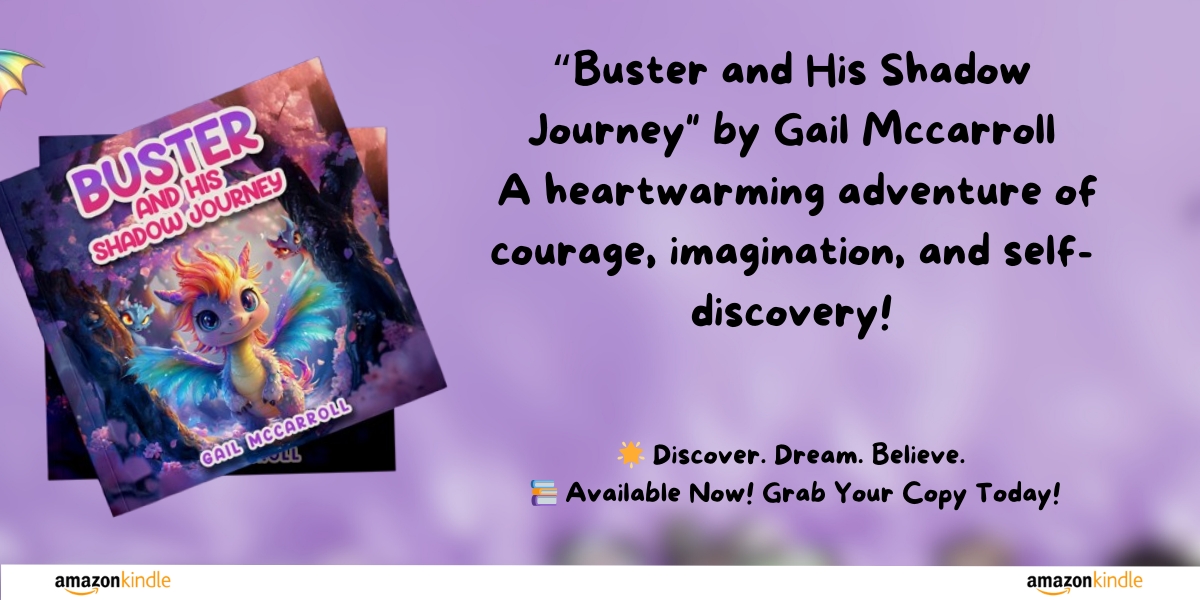
Unlocking the Magic of Self-Discovery: A Sneak Peek into ‘Buster and His Shadow Journey’

By: Eric N. Ware

The power of self-discovery is an enriching experience that every child can benefit from. It shapes how they view themselves, their world, and the relationships they form along the way.

In the upcoming children’s book Buster and His Shadow Journey, young readers are invited to embark on an engaging adventure filled with themes of courage, imagination, and personal growth. But what makes this story stand out?

Let’s explore the core elements that contribute to making this book a potential addition to any child’s reading collection.

A Journey of Self-Discovery

Shadows might seem like simple, harmless images, but Buster soon discovers that his shadow holds mysteries—mysteries that lead him on a path to understanding who he is and what makes him unique.

Self-discovery is a theme that often resonates with children, especially as they begin to navigate the world around them. Buster’s journey symbolizes the process of learning about oneself, uncovering hidden talents, strengths, and even fears.

As Buster faces the challenges his shadow brings, he learns not only about the shadow itself but also about the courage it takes to embrace all aspects of who he is. The story encourages young readers to reflect on their own growth, making it a thoughtful tool for developing self-awareness in children.

The Courage to Embrace the Unknown

Shadows are often associated with the unknown, lurking just behind us in the dark corners. For young readers, the concept of facing fears can sometimes feel overwhelming. Buster and His Shadow Journey offers a way to approach this topic in a safe, engaging way. Buster’s encounters with his shadow help him confront the fears and insecurities that he has long avoided.

As the story unfolds, Buster’s journey becomes an allegory for how children could face their own fears, whether they are internal struggles like self-doubt or external challenges like trying something new.

With each new experience and obstacle, Buster illustrates that courage is not the absence of fear but the ability to keep going despite it. This valuable lesson may resonate deeply with young readers who are navigating similar feelings in their own lives.

The Magic of Imagination

Buster’s journey highlights how our imaginations can transform ordinary things, like the shadows we see every day, into extraordinary adventures. The book encourages readers to think beyond the obvious and invites them to explore the hidden magic in the world around them.

Through this imaginative journey, children might feel inspired to use their own creativity to make their daily experiences more exciting and meaningful. This is a theme that many children’s books aim to convey, but Buster and His Shadow Journey approaches it in a distinctive and charming way.

Friendship and Support: The Importance of Companionship

Though Buster and His Shadow Journey focuses primarily on Buster’s self-discovery, the theme of friendship also plays a meaningful role in his journey. Along the way, Buster encounters other characters who offer him support, guidance, and companionship.

These friendships help him grow, teaching him that, no matter how big or small the challenge, having friends by your side can make the journey easier and more enjoyable.

The book suggests that we don’t have to face life’s challenges alone and that having a network of friends and family can support us in becoming the ideal version of ourselves.

What’s Next for Buster and His Shadow Journey?

As the release date of Buster and His Shadow Journey draws closer, excitement is growing. Young readers may find themselves captivated by Buster’s bravery and the magical world he discovers through his shadow.

This book has the potential to become a beloved classic in children’s literature, featuring an unforgettable adventure, valuable life lessons, and, of course, a dash of magic.

Why You Might Want to Pre-Order Buster and His Shadow Journey

As you prepare for the release of Buster and His Shadow Journey, consider pre-ordering your copy today. This is a book that could inspire children to reflect on their own journeys of self-discovery and offer families a fun and meaningful way to engage with important themes.

About the Author

Gail McCarroll is a dedicated children’s author who crafts engaging stories designed to spark imagination and bring joy to young readers. With a deep appreciation for adventure, animals, and the magic of storytelling, she creates books that aim to inspire curiosity and creativity. When she’s not writing, she enjoys exploring nature, discovering new literature, and spending time with her beloved pets. Through her work, she hopes to make reading a captivating and enriching experience for children everywhere.

Whether you’re looking for a thoughtful gift or a new addition to your child’s library, Buster and His Shadow Journey could make a meaningful impact. Pre-order your copy today!

Visit now: www.gailmccarrollwrites.com


Published by Joseph T.

The Power of Conversation And How Human Connection Shapes Our Lives

In an age dominated by digital interactions, the value of genuine human conversation is often overlooked. Yet, for many people, especially the elderly, the isolated, or those struggling with personal demons, a simple conversation can mean the difference between despair and hope. The act of talking, sharing, and being heard has the power to heal, reveal hidden truths, and even change lives.

This is a central theme in The Chatters Web, the fascinating novel by Peter J. Morley. The book introduces us to Jean, a professional “Chatter” who is paid to engage in conversations with lonely individuals. As she listens to their life stories, she becomes entangled in a complex web of secrets, regrets, and unexpected connections. Through Jean’s role, the novel shows the deep impact of human connection and reminds us that sometimes, all someone needs is a listening ear.

Loneliness Epidemic and the Need for Connection

Loneliness is often called the silent epidemic of our time. Studies show that social isolation can be as harmful to health as smoking 15 cigarettes a day. It contributes to depression, anxiety, and even cognitive decline.

Many elderly individuals, like Jean’s clients in The Chatters Web, spend days or weeks without a meaningful conversation. Their only social interactions may be brief exchanges with cashiers or doctors, leaving them feeling invisible.

Jean’s job as a Chatter is a lifeline. Her clients aren’t just looking for idle conversation. They crave deep, meaningful connections, a chance to share their experiences, and someone to acknowledge their existence. The novel brilliantly portrays how a simple chat can open up memories, emotions, and sometimes even dark secrets that have long been buried.

How Conversations Help Us Heal?

Engaging in heartfelt conversations provides more than just company. It has a therapeutic effect. Talking about one’s thoughts and feelings can reduce stress, improve mental well-being, and even bring clarity to unresolved emotions.

In the book, we see how Jean’s clients open up about their struggles, past traumas, and lost dreams. For Carol Spicer, a woman who has endured years of manipulation and emotional abuse, Jean’s presence allows her to reflect on her past and slowly reclaim control of her life. Similarly, other clients share their regrets, hopes, and fears, finding solace in the simple act of being heard.

Jean’s story mirrors the real-world impact of companionship services and therapy sessions, where trained professionals help individuals face their emotions by simply listening. Sometimes, all it takes is a conversation to find truths that have been buried for years.

A Web of Human Stories

One of The Chatters Web’s most fascinating aspects is how different individuals’ stories connect. Jean initially believes that each of her clients’ lives are separate, but as she listens to their confessions, she realizes that their histories overlap in unexpected ways. It reflects real life, where we are all connected in ways we may not even realize.

A single conversation can reveal surprising links between people, making The Chatters Web such a compelling read. It reminds us that our words, actions, and relationships shape not just our own lives but also the lives of those around us.

A Story That Will Make You Think

The Chatters Web is a novel and a thought-provoking exploration of human connection, loneliness, and the power of conversation. If you’ve ever felt the need to talk but had no one to listen, or if you’ve been the listener for someone in need, this book will resonate deeply with you.

Takeaway

If you’re intrigued by the idea of how conversations can change lives and love a novel filled with mystery, emotion, and unexpected twists, The Chatters Web is a great book. Order your copy today and find the secrets hidden within the words we share.


Published by Joseph T.

Between Two Cultures: The Intersection of Maltese and English-Irish Heritage in Family Life

By: David G. Kramer

Growing up in a multicultural household can offer a unique perspective on identity, values, and family dynamics. For children of parents from different cultural backgrounds, the intersection of these heritages may shape everything from daily rituals to how one views the world. In What’s Up, Little One?, Yvonne V Koschel reflects on her childhood, which was influenced by the blending of her father’s Maltese heritage and her mother’s English-Irish roots.

This article explores how the fusion of these two distinct cultures might have influenced her family life, providing insights into how cultural backgrounds can play a role in shaping not only individual identity but also family relationships and expectations.

The Role of Cultural Heritage in Family Dynamics

In many families, cultural heritage often plays a significant role in shaping values, traditions, and behaviors. The blending of two cultures, however, can create both enriching opportunities and unique challenges. For children of mixed cultural backgrounds, exposure to different customs and belief systems can be an educational experience, but it also may require navigating the complexities of balancing these influences.

In Koschel’s memoir, the interaction between the Maltese and English-Irish cultural influences appears to create a dynamic where both sets of traditions coexist, sometimes in tension with one another. This duality seems to manifest on various levels—from language and food to religious practices and social expectations. The differences between her father’s deeply rooted Maltese traditions and her mother’s more liberal English-Irish background likely contributed to an environment where the author often found herself navigating different cultural norms.

The Maltese Influence: Tradition, Family, and Religion

Maltese culture is often characterized by history, religious devotion, and a strong sense of familial bonds. Family in Malta tends to be at the center of life, with extended family relationships frequently playing an integral role in shaping social interactions. The sense of community is typically built around shared values, particularly those grounded in Catholicism, which holds a prominent place in Maltese identity.

Koschel’s father, with his Maltese roots, seems to have brought these traditions into the household. This may have included a deep reverence for Catholic teachings, close-knit family ties, and the importance of maintaining a sense of loyalty and duty to one’s heritage. For Koschel, growing up with this influence likely meant experiencing expectations of adherence to cultural and religious values that could have felt restrictive at times, especially when they clashed with her mother’s more modern and progressive worldview.

The Maltese emphasis on family loyalty, often accompanied by high expectations for behavior and respect, appears to have shaped the way Koschel interacted with her parents and siblings. The culture’s focus on tradition and reverence for the past may have provided a sense of stability, but it could also have introduced pressure to conform to a specific set of ideals. For someone growing up in a multicultural environment, the challenge of balancing these sometimes conflicting expectations might feel overwhelming.

The English-Irish Influence: Liberalism, Independence, and Emotional Expression

In contrast to the structure and formality of Maltese culture, the English-Irish influence in Koschel’s upbringing seems to have offered a different set of values—ones that often emphasize individualism, emotional expression, and a more open approach to life’s complexities. English-Irish culture, particularly in the context of the 20th century, was frequently marked by a more relaxed attitude toward religion and family structures. While there was still an emphasis on family, the individual’s needs and desires were often more likely to be acknowledged and nurtured.

Koschel’s mother, with her English-Irish heritage, appears to have brought a more emotional and expressive approach to parenting, which may have contrasted with her father’s more reserved and stoic demeanor. In this cultural framework, there seems to have been more space for questioning authority, challenging traditional norms, and exploring personal identity. This likely provided Koschel with the freedom to express herself emotionally, though it may also have created friction between her parents when their cultural backgrounds came into play. Her mother’s openness and her father’s more rigid values could sometimes lead to misunderstandings and conflicts in the household, creating a dynamic where cultural values were occasionally at odds.

Embracing the Complexity of Cultural Identity

Koschel’s memoir serves as a testament to the complex interplay of cultural identity and family life. Her experience growing up between her father’s Maltese and her mother’s English-Irish roots reflects the broader theme of cultural fusion in a globalized world. For individuals with mixed heritage, the challenge often lies in embracing the complexity of their identity without feeling the need to choose one culture over the other.

Koschel’s story suggests that cultural differences within families are not necessarily barriers, but rather opportunities for learning, growth, and self-discovery. Through her reflections on the intersections of Maltese and English-Irish cultures, she demonstrates how individuals can embrace the richness of their heritage while also navigating the challenges that come with it.

Summary

The intersection of Maltese and English-Irish heritage in What’s Up, Little One? offers a thoughtful exploration of how cultural backgrounds can shape family dynamics, personal identity, and emotional growth. Yvonne V Koschel’s memoir illustrates how cultural conflict, while challenging, can also serve as a source of strength and resilience.

For those interested in understanding the impact of growing up between two distinct cultural worlds, What’s Up, Little One? provides a heartfelt and insightful perspective on the journey of cultural reconciliation and self-discovery.

Check it out now!


Published by Joseph T.