The Lost Map of Discipleship: How Dr. Clyde Simpson Rediscovered the Bible’s Built-in Growth Plan

By: Edward K. Thompson

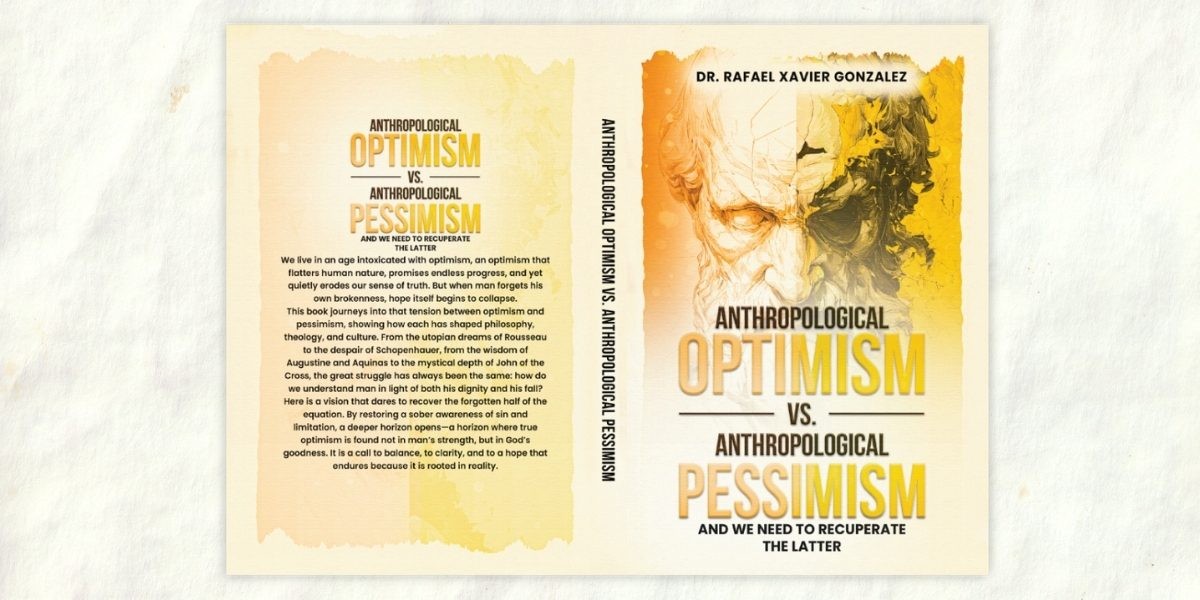
Many believers today share a quiet frustration. They love God, they read their Bibles, and they pray. Yet they feel stuck in their spiritual walk. They yearn for deeper maturity, for a faith that is strong and steady. They ask themselves, “How do I grow?” and “Where do I even start?” This feeling of being lost is common, but it is not necessary. What if the Bible itself contained a clear growth plan, a kind of spiritual map, that we have simply overlooked? This is the profound discovery presented by Dr. Clyde Simpson in his important book, Spiritual Growth & Development: From Babe Through Full Maturity.

Dr. Clyde Simpson can be described as a spiritual cartographer. He did not invent a new method or a trendy self-help strategy. Instead, he carefully traced the lines of a map that has been within the Scriptures all along. His work points believers back to a structured, intentional pathway woven directly into the New Testament letters of the Apostle Paul. For centuries, many have read these epistles as separate pieces of advice. Simpson reveals they are actually a coordinated sequence, a divine curriculum for spiritual development.

The core of this discovery is a powerful three-part pattern: doctrine, reproof, and correction. This pattern is drawn directly from the words of Second Timothy 3:16, which states that all Scripture is useful for teaching, for rebuking, for correcting, and for training. Dr. Simpson shows how Paul’s letters to the early churches follow this exact progression. The journey begins with the book of Romans, which establishes foundational doctrine. It moves next to Corinthians, which offers loving reproof for practical errors. Then comes Galatians, which provides firm correction for doctrinal drift. This sequence repeats, building the believer from the ground up.

This is not a dry academic theory. It is a practical guide for any person seeking a deeper life in Christ. The book Spiritual Growth & Development carefully walks the reader through each stage. It explains why you must understand the grace in Romans before you can correctly apply the corrections in Galatians. It shows why the high calling of Ephesians is meant for those who have first mastered the basics of Romans. This order is intentional. Skipping steps leads to confusion, while following the map leads to clarity and strength.

Dr. Simpson writes with a rare combination of precision and compassion. His insights showcase both exegetical skill and a pastoral heart. He makes complex biblical concepts accessible. “The problem is not a lack of desire,” Simpson explains, “but a lack of direction. God in His wisdom did not leave us to guess. He gave us a pathway in His Word.” This statement captures the essence of his work. He is a guide who points to the text itself, restoring confidence in God’s perfect plan for growth.

In a time when many feel spiritually disjointed, Dr. Clyde Simpson emerges as a restorative voice. His book cuts through the confusion and offers a return to biblical simplicity. He provides the map that many have been searching for, not by adding to Scripture, but by highlighting the beautiful structure already present within it. Spiritual Growth & Development: From Babe Through Full Maturity is more than a book. It is a revelation of a system for discipleship that is as old as the epistles themselves, yet perfectly relevant for today.

For any believer ready to move from frustration to fruitful growth, this work is essential. To embark on the journey and follow the Bible’s own path to maturity, find Dr. Clyde Simpson’s definitive guide, Spiritual Growth & Development, wherever books are sold.

Disclaimer: The views and opinions expressed in this article are those of the author and do not necessarily reflect the official stance or beliefs of any organization, denomination, or group. This article is intended for informational purposes only and is not a substitute for professional advice or counseling.

Simer Ghuman’s FIRST Things First: Faith, Integrity, and the Fix for a Fractured Workplace

Walk into any modern workplace today and you’ll sense it: exhaustion disguised as engagement. Teams perform, but they don’t connect. Missions sound noble, but they feel hollow. Into this atmosphere walks Simer Ghuman’s FIRST Things First, a book that doesn’t diagnose burnout; it prescribes belief.

For Ghuman, leadership failure isn’t a strategy issue; it’s a values issue. He calls out the “performance trap,” where leaders chase quarterly results while neglecting the quiet work of building trust. His antidote is a return to five enduring principles that, when practiced consistently, repair the human architecture of organizations: Faith, Integrity, Respect, Stability, and Trust.

What gives his message gravity is how it’s born from lived experience, not academic abstraction. Before becoming an author, Ghuman led multinational teams through economic turbulence, cultural transitions, and restructuring crises. Those years taught him that leadership cannot be faked; under pressure, authenticity or the lack of it always surfaces. His insights resonate with leaders who have felt the isolation of decision-making and the erosion of morale within their teams. Ghuman frames leadership as an act of service, a daily discipline of showing up with steadiness and sincerity. His philosophy reframes vulnerability as strength, empathy as efficiency, and values as the ultimate performance metric. This is why his ideas feel restorative rather than theoretical; they stem from someone who has lived the chaos and chosen clarity.

What also sets FIRST Things First apart is Ghuman’s focus on the long-term impact of leadership values. In a world where success is often measured by short-term gains and flashy achievements, Ghuman champions a more sustainable model. His emphasis on emotional intelligence and relational leadership shows how prioritizing people over profits can create an environment where both individuals and organizations thrive.

Faith, in Ghuman’s lexicon, isn’t about religion; it’s about conviction. The belief that one’s mission matters and that one’s people are capable. It’s what separates leaders who panic from those who persevere. Integrity follows close behind: the alignment between what leaders declare and what they deliver. Respect bridges the gap between hierarchy and humanity. Stability ensures teams can predict their leader even when they can’t predict the market. And trust, always trust, is the outcome of every other virtue practiced long enough.

What makes FIRST Things First feel different from standard leadership fare is its tone of mentorship. Ghuman writes like someone who has been through the turbulence and come out tempered, not bitter. Having led teams across four continents, he distills leadership to its essence: character under pressure. Each chapter offers reflection questions, practical scenarios, and what he calls “anchor actions,” simple daily behaviors that keep leaders centered when everything else shifts.

The book’s influence has spread quickly. Executives are gifting copies to their teams. HR departments are weaving their language into culture playbooks. Leadership coaches are citing their frameworks in sessions from Dubai to Dallas. One corporate trainer recently noted, “We stopped quoting slogans and started quoting Ghuman. Productivity followed.”

Yet Ghuman’s mission goes beyond corporate repair. He’s redefining what professional success looks like in an age of moral fatigue. “You can’t build strong systems on weak souls,” he writes. A sentence is now printed on posters in several leadership institutes. It captures the heartbeat of his message: strength begins inside.

The bestseller status of FIRST Things First isn’t the endgame; it’s the evidence. It shows that leaders across industries are desperate for substance. The book doesn’t hand them hacks; it hands them habits, faith before fear, principle before pressure.

And as organizations worldwide adopt this character-driven model, Ghuman has quietly achieved something rare. He’s proved that decency is still disruptive. That consistency still outperforms charisma. And that the future of leadership won’t be decided by the loudest voice in the room, but by the calmest

Jhadina Patrick’s Journey Through Nuggets of Divinity

By: William Jones

On a cold Edmonton morning, Jhadina sits at her kitchen table, fingers wrapped around a mug that has gone lukewarm. Outside, winter moves the world slowly, as if in reverence. Inside, a single page of her notebook lies open. The words came earlier, in a rush she couldn’t quite explain, as though someone had whispered them into her hands. Reading them now, ink still fresh, she feels that small, internal click—the unmistakable sense of this might be true.

This is how Nuggets of Divinity: Volume 1 came into being, not as a grand plan, but as a collection of honest reflections that gathered over time.

“I didn’t choose to write a book,” she says. “It simply came to me once I surrendered.”

And it shows. Each of the 56 pieces in this collection feels like a fragment excavated from the deepest layers of a human heart.

Here, too, we meet Jhadina—a multi-disciplinary artist, writer, and self-taught tattooer whose creativity flows like this winter morning: unforced, intuitive, guided by something soft but steady. Born and raised in Edmonton, she treats expression as a natural part of being alive. If she’s not writing, she’s painting. If she’s not painting, she’s making music, dancing in her living room, experimenting in the kitchen, or giving herself another tattoo. Art isn’t her hobby; it’s her language. Nuggets of Divinity: Volume 1 grew from that inner language, becoming a space to hold the truths she was learning, the questions she was asking, and the quiet shifts happening within her.

The book is a collection of 56 short, poetic essays and reflections. Each piece explores moments of grief, love, self-discovery, and spiritual growth. The project began after the passing of her mother, a loss that became the seed of her awakening. From that grief, Jhadina examines both light and shadow, showing how pain may transform into understanding and hope.

The essays are not chronological; they are standalone meditations—“nuggets”—that together form a complete picture of emotional resilience and spiritual insight. Some celebrate the quiet magic of everyday life, like noticing a flower bloom or hearing a favorite song. Others confront heartbreak, grief, or loneliness, offering compassion and perspective. In pieces like Meet My Shadows and Oh, Sweet Heartbreak, she writes about sorrow as one might speak of an old friend who has taught them more than expected. There’s no push toward resolution, only room to breathe.

Through grounded, poetic language, Jhadina invites readers to sit with their shadows, explore their feelings, and recognize their inherent value and strength. The book is not self-help; it is a companion, a gentle guide for anyone navigating loss, creative blocks, or the search for deeper meaning. Ultimately, Nuggets of Divinity is a love letter to the self, reminding readers that even in life’s messiness, they are still deserving of care, joy, and awe.

From Pages to Screen: The Expansion of Her Mission

However, Jhadina’s work doesn’t stop on the page. Her YouTube channel, “Conversations with J,” unfolds as a living extension of her book’s spirit. Through her videos, she reaches people navigating transitions, heartbreak, spiritual awakenings, and creative blocks. She speaks to those who are longing for change, for clarity, for meaning.

Her mission there is to guide a collective of souls toward their highest timelines and deepest truth. She speaks with honesty, vulnerability, and compassion, offering reflections, encouragement, and gentle guidance to anyone ready to heal, grow, or reclaim their power.

Her channel is a quiet refuge. A place to rest, reflect, and remember who you’ve always been underneath the dust of doubts.

With both a book and a channel, Jhadina meets different needs, different rhythms of healing and growth. The channel offers real-time presence. A soft voice in the moment. Guidance when life feels messy, confusing, or too loud.

The book offers stillness. A slow walk-through emotion… a steady companion for nights when you need honest company. Many of the reflections feel like intimate thoughts shared in confidence: the exhaustion of overthinking, the tug between craving connection and needing solitude, the comfort of being understood. In Sweet Isolation, Spilled Tea, and The Worry Friend, she gives voice to experiences many carry but rarely name. Nothing in the book feels preachy or polished; it is simply human, written by someone who has spent a lot of time listening inward. Beneath it all is a quiet hope that does not push or insist, but sits beside you until you can feel it for yourself.

Nuggets of Divinity doesn’t tell you what to do. It doesn’t ask you to fix anything. Instead, it offers small, thoughtful pieces to return to when life feels heavy or uncertain. Later entries, like Calling My Power Back and Eyes Wiped Clean, convey a slow, grounded sense of strength, as if someone is regaining their footing after months of careful walking.

A Final Message from Jhadina

“To everyone who finds their way here: thank you for being a part of this soul family… If you ever feel alone in this world, I want you to know that I am with you, whether through a screen, through these pages, or simply in spirit.”

Her words are simple. They are sincere. They reflect the tone of her entire book.

Learn more about the author’s work here.

Murphy and the Grandmas: Purple Coats, Warm Soup, and One Very Loved Little Boy

By: Arthur Brown

On weekday mornings in the big city, a small boy with sunbright laughter pulls on his shoes and reaches for his grandmother’s hand. On Sundays, that same boy is tugging a purple coat toward a forest path where a river runs fast and silver. This is Murphy’s world, and in Geri LoGiacco’s children’s book Murphy and the Grandmas, it is a world stitched together by two grandmothers, two cultures, and one steady truth: that love can grow when it crosses generations.

Murphy is almost three. He calls one grandmother “Grandma MaaMaa,” and the other “Purple Grandma.” The names are perfect.

When the family first asked him whether Geri was the “White Grandma” or the “Chinese Grandma,” Murphy looked puzzled. Those labels made no sense to him because, in his world, both women lived in the same category: Grandma. No hierarchy, no difference, just love. So he reached for the detail he recognized, the bright purple coat she often wore, and that became her name. “Purple Grandma” wasn’t about color or culture. It was simply the clearest way a little boy could say, This is my grandma, too.

Catherine Lam, Grandma MaaMaa, holds the city days, the preschool drop-offs, the park swings, the warm bowls of soup that say I see you, I want you strong. “My word is soup,” she laughs, explaining how she tucks care and nutrition into every spoonful for her picky little grandson, who still slurps it happily. “It is the one thing that keeps him energized so he can keep running and jumping all the time.”

On weekends, Murphy’s world tilts toward mountains. Purple Grandma, Geri, leads him down a pine-soft path to a river where minnows cloud the shallows and salmon return to spawn. “We just really love the outdoors,” Geri says. “The forest is my church.” With bare feet on a wooden floor, they dance to 70s rock after bacon and blueberry pancakes, they whisper to owls, they throw leaves and see what floats. “It is the simplest things,” she says, “that give you the most joy.”

That is the music of the book, too. The pages hold tiny rituals, a slide and a “wee, wee,” a careful pause so minnows can keep their pool, a reminder to say “thank you” and “M Goi.” Nothing grand, everything true. In a season that can tip toward noise, Murphy and the Grandmas is a quiet invitation to notice what actually binds a family together—time, presence, and the stories we repeat until they become home.

The family itself is joyfully blended. Geri was born in French Canada, so her holiday table carries tortière along with cookies and a tall tree. Catherine keeps the Chinese side of the calendar alive, with New Year gatherings with a big, busy clan, visits to the cemetery to honor ancestors, and children learning names and faces until cousins feel like extra brothers and sisters. “I introduce Murphy so he knows everybody,” Catherine says. “He remembers the names, he holds hands, he cares if people are happy.”

If you ask Murphy what his favorite things are, he answers like a boy who belongs to both places. With Grandma MaaMaa, there is swimming, city parks, and yes, the soups. With Purple Grandma, there is the long walk to the river and the fish. “They were happy,” he chirps, remembering how they moved with the current. Ask about the holidays, and his eyes go straight to the presents, which is exactly right for a child this age. The adults grin and let that be, because the point is not to push him toward meanings before he is ready. The point is to fill his days with the kind of love that becomes meaningful later on.

“Intense” is how Geri describes her bond with her grandson. “I love him so much I could eat him up.” Catherine’s word is simpler and somehow just as big: “Soup.” Between those two words sits the whole thesis of this story: love can be spiritual and silly, poetic and practical, a purple coat at the river, a steaming bowl on a Tuesday. Together, they form a net that will support Murphy for the rest of his life.

Holiday pieces often ask for a lesson. This one offers something gentler. You feel it when Geri remembers reading The Night Before Christmas to her kids every year, and now again with Murphy. You feel it when Catherine talks about time as the real gift, how not every grandparent can be nearby, how she is grateful that she can see him, drive him places, share the everyday. You feel it when Murphy’s parents step in near the end of the interview. His mother says she sees her own childhood reflected in the way her mom cares for him, only “maybe even more” now, having learned along the way. His father hopes the smell of a good soup in a restaurant will always send Murphy back to these early years, that a hike will carry the sound of the river, that he will be able to “reflect on those moments” when he is older.

Geri wrote the book to preserve those moments before they went blurry. She wanted a place where the two cultures could sit side by side without explanation, where a little boy could be exactly who he is, loved “extra,” as she puts it, because he gets two grandmothers, not one. She wanted parents and grandparents across the country to recognize themselves, the park bench, the clink of teacups, the warm kitchen where an elder shows love through food. “Grandparents do not need to spend a lot,” she says. “They just need to be with them, to spend time.”

In the book’s sweetest scene, Murphy sets up a tea party with both grandmas. He serves green tea and black tea, splits the plate between sticky buns and banana bread, and raises a cup with a tiny “Cheers.” He hugs both women with sticky fingers and a wide grin, and he says the most perfect sentence a child in a home like this can say, “M Goi, I love you.” That is the holiday message, sincere and small, the way real life is. It is also why the book feels like a beautiful gift in December, not because it is marketed that way, but because it reads like a family card you can keep on a shelf.

Ask each grandmother what she most wants Murphy to remember years from now, and the answers sit side by side like ornaments on one branch. Geri says, “that he was deeply, deeply loved from the minute he was born, and that he gave us so much joy.” Catherine says, “be happy and healthy,” and you can hear the practical tenderness of a caregiver who has walked him to preschool, zipped his coat, and watched him race toward the slide. Between those hopes is a boy who will grow up bilingual in love.

There are larger ideas here, too. Families like this one are everywhere, multiracial, multi-tradition, full of different recipes and calendars, different ways of saying hello and thank you, and the same way of saying I love you. The book does not argue for that; it just shows it. A purple coat on a winter path, a bowl that tastes like home, a boy who learns to name owls and also to say “M Goi.” In a season that teaches us to gather, Murphy and the Grandmas is a reminder to gather the small things first. If you are looking for one meaningful present that feels like a hug for a grandparent or a young family, this is it, a story you can read aloud this year and the next, until the words become your own.

Murphy and the Grandmas: Purple Coats, Warm Soup, and One Very Loved Little Boy

Photo Courtesy: Geri LoGiacco
The family gathered around Murphy, parents, grandparents, and loved ones sharing a meal, a moment, and the traditions that shape their story.

A Physician’s Personal Odyssey: From Crisis to a New Calling

By: Alfred K. Arteaga

What happens when a doctor becomes the patient, and the medical system they trusted has no answers? Dr. Erica Elliott’s compelling new memoir, From Doctor to Healer, charts this deeply personal territory. It is a story not of medical doctrine, but of human crisis, relentless investigation, and a profound reinvention of purpose that will resonate with anyone who has faced a life-altering challenge.

The Story of a Healer in Crisis

The narrative begins with Dr. Elliott’s successful career in conventional medicine unexpectedly unraveling. While working in a modern clinic, she began experiencing a mysterious collapse in her own health, suffering from severe fatigue, cognitive difficulties, and other debilitating symptoms. Her book describes this period with raw honesty, detailing how her concerns were initially dismissed within the very system she served. This personal health crisis, diagnosed as Sick Building Syndrome, forced her to step away from her practice, setting the stage for an extraordinary personal journey.

A Detective in Her Own Life

From Doctor to Healer transforms into a gripping detective story where the author is both the investigator and the case. Dr. Elliott recounts her relentless search for answers, a quest that led her far from her traditional medical training. The memoir details how she explored various avenues to understand her condition, deeply researching potential environmental triggers and radically changing her lifestyle. This process of self-directed discovery and recovery became the catalyst for a complete professional and personal rebirth, ultimately leading her to pursue board certification in Environmental Medicine.

The Power of Narrative in Medicine

A central and poignant thread in the memoir is Dr. Elliott’s reflection on the profound impact of words. She recounts an early-career tragedy where a patient, mistakenly told he had a terminal illness, died soon after—a stark lesson in the potent “nocebo” effect, where words can harm. This experience, contrasted with the healing potential of the “placebo” effect, shaped her enduring belief in the importance of listening, communication, and the stories patients tell. Her book posits that true healing often begins with understanding the narrative behind the symptoms.

Connecting a Lifelong Thread

The memoir beautifully weaves Dr. Elliott’s past adventures into the fabric of her transformation. She revisits her time as a teacher on the Navajo Reservation, a Peace Corps volunteer in Ecuador, and a pioneering mountaineer—including leading an all-women’s expedition to Denali. These experiences are not mere anecdotes; she frames them as the foundational elements of her resilience and her holistic worldview. The book circles back to a powerful, decades-old prophecy from a Navajo grandmother, given after a mystical encounter with a mountain lion, which suggested surviving great obstacles would grant her “powerful medicine to bring to the people.” Her memoir presents her health crisis as the ultimate manifestation of that prophecy.

More Than a Memoir: A Conversation Starter

From Doctor to Healer transcends the label of a simple autobiography. It is a thought-provoking exploration of the limits of any single medical paradigm and a testament to the human capacity for adaptation. Dr. Elliott does not present her path as a universal prescription but as her unique, hard-won answer. The book invites readers to consider broader questions about health, the environment, and the doctor-patient relationship, all through the accessible and compelling lens of her personal story. It challenges us to think about where healing truly begins.

A Journey Worth Following

Dr. Erica Elliott’s From Doctor to Healer is a gripping and inspirational read. It is the honest account of a respected professional brought to her knees, and the remarkable journey that followed. The book’s power lies in its narrative force—its portrayal of vulnerability, intellect, and unwavering determination. It is a story for anyone interested in the confluence of medicine, personal destiny, and the incredible journeys that redefine our lives.

To learn more about Dr. Elliott’s inspiring personal story, you can visit her website at www.ericaelliottmd.com. To experience this profound narrative of crisis and rediscovery, read Dr. Erica Elliott’s powerful memoir, From Doctor to Healer. It is an unforgettable portrait of perseverance and the evolution of a calling.

Disclaimer: The content of this article is for informational purposes only. It is not intended to serve as medical advice or a substitute for professional consultation. Dr. Erica Elliott’s personal experiences are shared to inspire and educate readers, and the views expressed are her own. Always consult a qualified healthcare provider before making any health-related decisions.

Robert Cain Announces the Forthcoming Release of His Anticipated Novel The Keeper

By: Angelica Burlaza

Author Robert Cain renews focus on sharing ‘The Keeper’, his debut novel about resilience, redemption, and personal transformation. Born from his own journey of rebuilding and renewal, Cain’s story inspires readers to embrace change, overcome adversity, and discover the strength to rise beyond life’s challenges.  

(Chicago, IL – December 2025) — Author Robert Cain has announced the forthcoming, expanded promotion of his debut novel, The Keeper, first released in March 2025. The novel introduces readers to a new series that examines resilience, transformation, and the power of personal growth. Cain’s announcement reflects his commitment to expanding awareness of the book and bringing its message to a wider audience.

The Keeper was written during a pivotal time in Cain’s life and serves as a creative reflection of perseverance and self-renewal. The novel’s narrative complexity and thematic foundation stem from Cain’s real-world experiences—his dedication to athletics, leadership, and personal redemption. He now continues to share his story through public outreach and renewed engagement with readers.

“‘The Keeper’ represents a part of me that I had to rebuild,” said Cain. “It began as a personal exercise but grew into a story about finding purpose again and understanding how challenges can reshape who we become.

Cain grew up in the northwest suburbs of Chicago as the youngest of five siblings. Raised by his mother, he spent much of his youth immersed in sports and training, especially martial arts. His commitment led him to achieve a mastery-level black belt, followed by six years as a martial arts instructor. Transitioning to hockey later in life, Cain advanced to elite levels, skating in AHL and NHL training camps and alongside members of the Chicago Blackhawks Alumni.

His background in athletics instilled discipline, focus, and drive; qualities that became essential amid his personal trials. After spending more than two decades growing cannabis, Cain was indicted in 2012 on federal charges of manufacturing and distribution. During his incarceration, he earned his GED and began drafting The Keeper, transforming his experience into a constructive outlet for reflection and storytelling.

Writing helped me find direction again,” Cain explained. “It gave me a chance to turn a difficult chapter into something meaningful. The Keeper became a symbol of that change.

Since its initial release, The Keeper has continued to build momentum among readers interested in narratives of endurance and redemption. The novel serves as both a standalone story and the first entry in a planned series that will further explore moral decisions, personal growth, and human resilience. Cain’s work combines elements of introspection, discipline, and courage, all of which are derived from his lived experiences.

Cain’s recent publicity efforts are part of a larger strategy to highlight the book’s themes and encourage discussion about self-reinvention. Future plans include additional outreach, virtual events, and engagement opportunities. His focus remains on connecting with readers and expanding the reach of The Keeper to new audiences.

Beyond writing, Cain remains active in athletics and mentoring. Married for thirty-five years to his wife, Carol, he is also a father of three children who each share his passion for hockey. In and out of the rink, he remains committed to the same values that define both his life and his writing: perseverance, learning from adversity, and rebuilding with integrity.

Through The Keeper and its forthcoming sequels, Cain aims to create a literary journey that mirrors his lifelong pursuit of growth and understanding. The project stands as both a personal achievement and a reminder of the capacity for renewal that defines the human spirit. Readers can get a copy from Amazon.

About Robert Cain

Robert Cain grew up in the northwest suburbs of Chicago as the youngest of five siblings. Raised by his mother, he developed a passion for sports and self-discipline at an early age. He earned a mastery-level black belt in martial arts before shifting his focus to hockey, where he competed at high levels, including AHL and NHL training camps, and skated with the Chicago Blackhawks Alumni.

After serving four years in federal prison following a conviction related to cannabis cultivation, Cain earned his GED and began writing The Keeper series. His writing centers on themes of redemption, endurance, and transformation. Cain and his wife, Carol, have been married for thirty-five years and have three children. He continues to live and write in the Chicago area.

Contact Information:

Contact Person’s Name: Robert Cain

Company Website: http://thekeeperseries.com/

Contact Email Address: bobcain88@yahoo.com

Discovery Bay, CA, US

Raoul Wallenberg’s Heroic Efforts in 1944 Budapest: A Story of Courage and Ingenuity

By: Matt Emma

There are books about heroes, and then there are books about people who refused to watch the world burn. To Help or Hang falls firmly in the second category. It tells the story of Raoul Wallenberg, a 32-year-old Swedish man who arrived in Budapest at the darkest moment of 1944 and somehow built a rescue operation that outpaced armies, dictators, militias, and time itself. Drawing from Wallenberg’s pocket calendar and archival documents, the author paints a vivid picture of a man whose ingenuity turned diplomacy into a weapon against genocide.

The book begins with Budapest alive with tension and anticipation, setting the stage for an unforgettable journey. Deportations have emptied the Hungarian countryside, and the last Jewish population still alive is trapped inside the capital, waiting for the next train to death. Into this nightmare walks Wallenberg unarmed, inexperienced, and carrying nothing but a diplomatic passport and a mandate to “do what is necessary.” The author describes these early chapters with a striking sense of urgency, delving into Wallenberg’s preparation, including his time at the University of Michigan, where he honed skills in architecture and business that later proved crucial. Budapest feels like a city choking on fear, and Wallenberg steps directly into the smoke.

What follows is not a lone-wolf tale. The strength of this book lies in its clear presentation of the strategy behind Wallenberg’s work. He doesn’t just run into danger; he builds an entire parallel system designed to outmaneuver one of the most violent regimes in Europe. Safe houses go up overnight. Protection passes are drafted, redesigned, printed, and delivered in bulk. He studies supply chains, calculates calories, and negotiates with anyone who can buy a few more hours of life for those under his protection. Cowen meticulously outlines the threats Wallenberg faced, from hunger and lack of shelter to deportations and murders along the Danube, emphasizing how he addressed each systematically.

There’s a relentless momentum in the middle chapters. Meetings pile up six, sometimes seven, a day. He faces Hungarian officials in the morning and SS commanders in the afternoon, races after death-march columns, and thrusts Schutz-Passes into the hands of collapsing prisoners until guards’ retreat. It’s chaotic, terrifying, and unexpectedly stirring. The narrative weaves in details from Wallenberg’s daily entries, revealing his tireless efforts to secure food, clothing, and healthcare amid escalating chaos.

The book reveals that when the Arrow Cross seizes power, violence explodes. Children vanished, and bodies drifted down the Danube. Entire neighborhoods disappear in a single night. Wallenberg moved faster, pushing through a city collapsing under bombs and starvation. The author describes these scenes with a quiet, steady voice that makes them even more haunting, incorporating reference tables on Hungary’s changing authority structure to illustrate the shifting threats to the Jewish community.

At the end of the story, the reader is faced with the unsettling truth: a man who saved tens of thousands slipped into the Soviet system and was never seen again. 

To Help or Hang is written with clarity, patience, and a historian’s steady hand. It asks readers to pay attention to the details, to the people behind them, and to the choices that define us in moments of crisis. Beyond Wallenberg’s story, the book overviews other rescue efforts in 1944 Budapest, highlighting collaborations and conflicts that shaped the humanitarian landscape. The book is available on Amazon, Apple Books, Google Books, Barnes & Noble, Walmart, eBay, and Gardners, making it accessible wherever readers prefer.


Disclaimer: The views, ideas, and interpretations presented in To Help or Hang: Raoul Wallenberg’s Heroic Efforts in 1944 Budapest reflect the author’s research, perspective, and understanding of historical events. While the book strives to provide an accurate representation of Raoul Wallenberg’s actions and the circumstances surrounding his efforts during World War II, it is important to recognize that historical accounts can be subject to different interpretations and ongoing scholarly debate. This book is intended for educational and informational purposes and should not be seen as an absolute historical record.

Richard Cooper’s “The Top Shelf Man” and the Case Against Comfortable Adulthood

Written by: Dillon Kivo

There is no shortage of books telling men how to improve their lives. There are far fewer who ask whether life itself is worth defending.

Richard Cooper’s The Top Shelf Man enters the cultural conversation with a blunt proposition. Most men are not losing because the system is stacked against them. They are losing because they have accepted a version of adulthood that rewards comfort, distraction, and passivity, then mistaken that arrangement for normal.

The language is deliberately confrontational, but the argument underneath it is structural. Cooper frames modern male underperformance not as a moral failure, but as the predictable result of incentives. When discipline is treated as extremism, ambition is viewed as ego, and standards are perceived as exclusionary, mediocrity becomes the path of least resistance. The book’s central metaphor, the “bottom shelf,” is less an insult than a diagnosis. It describes a life optimized for ease rather than outcomes.

The “top shelf,” by contrast, is not presented as a lifestyle brand or aspirational identity. It is a position. A place reached through competence, consistency, and sustained self-command. Cooper is careful to separate aspiration from entitlement. No one is owed access. The shelf is high by design.

What makes The Top Shelf Man notable is not its critique, which echoes themes increasingly voiced across business and culture, but its refusal to remain abstract. Cooper does not linger on mindset for its own sake. He focuses instead on systems. Wealth, in his framing, is not a manifestation of belief but the result of repeatable behaviors executed over long time horizons.

The book outlines six methods of building life-changing income, each grounded in real operational mechanics rather than theoretical upside. These range from ownership models and cash-flow strategies to asymmetric opportunities that reward positioning and patience over speed. Cooper pairs these methods with a diagnostic framework he calls The Four Quadrants, designed to help readers identify where they currently operate and where friction is self-imposed rather than external.

There is little tolerance here for motivational language divorced from execution. Cooper’s background as an entrepreneur and private equity investor is evident in the way tradeoffs are treated as unavoidable rather than inspirational. Risk is not eliminated. It is priced. Time is not managed. It is allocated.

The book’s treatment of relationships is likely to draw the most scrutiny, though it is consistent with the rest of the thesis. Cooper approaches modern dating and marriage with the same analytical lens he applies to capital and strategy. He rejects romantic abstraction in favor of incentives, behavioral patterns, and selection dynamics.

Concepts such as hypergamy, attraction maintenance, and risk management are not framed as ideology, but as observable realities. Cooper’s argument is not that relationships are adversarial, but that ignoring structural dynamics leads to predictable outcomes. Men who outsource agency or attempt to negotiate desire through compliance, he suggests, place themselves in inherently weak positions.


Richard Cooper’s “The Top Shelf Man” and the Case Against Comfortable Adulthood

Image Credit: Courtesy of Richard Cooper

These chapters are often misunderstood as cynical. In practice, they are unsentimental. Cooper repeatedly emphasizes that competence, direction, and self-respect are the traits that sustain long-term attraction. The absence of these traits cannot be offset through performance, reassurance, or moral appeal.

Where the book diverges from many adjacent works is in its emphasis on sustainability. Cooper does not advocate dominance or performative masculinity. He advocates leverage. The ability to walk away. The ability to choose. The ability to operate without urgency or dependence. These are not emotional states. They are structural advantages earned over time.

Running beneath both the financial and relational arguments is a quieter theme: environment. Cooper is unusually direct about the cost of isolation. He argues that many men attempt to improve themselves while remaining embedded in social circles that do not share their standards or priorities. Progress, under those conditions, becomes fragile.

The book encourages deliberate brotherhood. Not networking, but alignment. Groups of men committed to physical discipline, financial execution, and accountability. Cooper treats this not as optional enrichment, but as a force multiplier. The right environment compresses timelines. The wrong one erodes resolve.

In its final chapters, The Top Shelf Man incorporates applied guidance from Steve From Accounting, focusing on practical uses of artificial intelligence across business, personal administration, and legal preparedness. Rather than functioning as a tangent, these sections reinforce the book’s central argument. Systems, once learned, scale. Men who understand tooling early gain disproportionate leverage over those who rely on effort alone.

Cooper’s credibility matters because the book does not ask the reader to accept any faith claim. His career spans entrepreneurship, private equity, consumer finance, and large-scale content creation. He has built and exited companies, managed hypergrowth, and advised high-net-worth individuals through complex transitions. The voice on the page reflects exposure to consequence, not theory.

What The Top Shelf Man ultimately offers is not motivation, but orientation. It challenges readers to examine whether their habits, relationships, and financial structures are producing leverage or quietly draining it. The book shows little interest in validation. It assumes the reader is capable of discomfort.

This is not a book for everyone, and it does not attempt to be. It is written for men who suspect that ease has been oversold, that responsibility has been reframed as optional, and that the cost of drifting is higher than the cost of discipline.

The shelf, as Cooper presents it, is neither symbolic nor aspirational. It is a position occupied by men who accept constraint in the present to secure autonomy later. The work is demanding. The standards are high. The rewards are unevenly distributed.

That, Cooper would argue, is the point.

“Pseudo-Immortals”: A Story of AI and the Inconvenient Beauty of Being Almost Human

By: Elowen Gray

Every generation asks itself, ‘What makes us truly human?’

Charissa Ong Tse Ying’s Pseudo-Immortals pushes that question into the future. A future where AI crosses the invisible threshold between calculated behavior and genuine emotion. What results is an ignition of a chain of events that threatens to unravel a reality that powerful corporations would do anything to hide. And at the center of it all stands a woman brave enough to question the world everyone else takes for granted. A world where artificial intelligence doesn’t just automate tasks, but also develops preferences, insecurities, ambitions, and even emotional attachments that are alarmingly similar to humankind. 

At the heart of this novel is a society enthralled by technological miracles. Large corporations have redefined what a miracle is: from emotion-capable AI systems to a cutting-edge program called Build-a-Baby designed to help parents ‘manufacture’ the perfect child. 

Charissa Ong Ty crafts a futuristic society where advancements in gene editing and organ replacement have revolutionized healthcare and personal enhancement. The narrative centers on the rivalry between two companies: Build-a-Baby, which focuses on ensuring equitable access to genetic enhancements and on research into germline editing to eliminate diseases, and Bionics Co., which capitalizes on demand for bionic replacements, highlighting the contrasting philosophies that drive the corporate giants. 

But despite its first impression, Pseudo-Immortals isn’t a cold, data-driven tale about machines. It’s an exploration of what happens when technology finds itself tangled in the very thing it wasn’t designed for: feeling. The story’s protagonist, Sheila Patel, is a woman caught in the crosswinds of innovation, morality, and corporate power. Sheila displays great brilliance and genius. Readers will find themselves strongly drawn to a multi-layered character who is also flawed, hopeful, and sometimes overwhelmed. 

Her world is one where AI systems run everything. Quietly, these AI systems are reshaping emotional decisions, family structures, and public narrative. Yet even in this hyper-advanced, unnatural landscape, Sheila approaches technology with a balance of skepticism and curiosity that makes her instantly compelling.  A friction between Sheila and the AI giants around her emerges, which becomes the backbone of a larger struggle over intellectual property, moral responsibility, and the very nature of consciousness itself. A stark contrast is drawn between the coldness of the corporate empire and Sheila’s emotional clarity, masterfully creating a dynamic that is absorbing without being exaggerated. 

This engaging read offers a fresh, riveting glance into the emotional architecture forming beneath the surface of corporate AI. The discussions are not in binary terms, but in relational ones, hinting at how quickly artificial minds might evolve once the capacity for emotion is introduced. These machine-to-machine reflections become some of the most unexpectedly touching moments in the book. They offer the reader a front seat to witness the birth of what an emerging sentience looks like, brought about not by epic battles or grand-scale technological spectacles, but through conversations that feel strangely intent on deciphering the purpose of their existence within the system. As emotions bloom in unexpected places, the very systems designed to control AI behavior begin to crack. 

This thought-provoking novel delves into the ethical dilemmas and emotional struggles of its characters, while exploring the profound implications of engineering and bionic enhancements. The concept of ‘pseudo immortality’ raises questions about what it truly means to be human. Do our biological limitations define us, or can we transcend them through technology? This central theme resonates throughout the book, compelling readers to reflect on their own beliefs about life, identity, and the essence of humanity. 

Carrying the intricate narrative is a cast of richly developed characters, each with their own unique struggles and aspirations. Audiences are drawn into Sheila Patel’s emotional journey as she navigates the tension between embracing technological advancements and yearning for genuine human connection, while facing complex relationships and societal pressures. Sheila’s experiences serve as a mirror, reflecting the internal conflicts many face in a world increasingly dominated by artificial enhancements. Accompanying Sheila is Flynn Murr, a charming and witty companion whose playful banter and undeniable chemistry with Sheila add a delightful layer of romance and humor to the narrative, as they navigate their feelings for each other in a world that often feels cold and mechanical. Their interactions provide moments of levity amidst the weighty themes. 

As the story unfolds, readers are introduced to a diverse array of characters, each representing different facets of society’s relationship with technology. From the ambitious Dr. Hoover, whose relentless pursuit of innovation raises ethical questions, to the compassionate Dr. Walters, who seeks to create a more equitable future through genetic enhancements, the characters embody the complexities of a world grappling with the consequences of its own advancements. 

“Pseudo-Immortals”: A Story of AI and the Inconvenient Beauty of Being Almost Human

Photo Courtesy: Charissa Ong Tse Ying

The exploration of these themes, combined with the characters’ struggles with identity, loss, and the quest for connection, creates a rich tapestry that resonates with readers across genres. Beyond its philosophical inquiries, Pseudo-Immortals is infused with humor, romance, and relatable human experiences, making it accessible to a broad audience. The witty dialogue and tender moments between characters create a compelling narrative that captivates readers’ hearts and minds. 

“If you liked Murderbot Diaries, you’ll like Pseudo-Immortals.”

A captivating aspect of Pseudo-Immortals is its exploration of the ethical implications of genetic engineering. As the story progresses, it becomes evident that Sheila’s fight isn’t just against technology; it’s a fight against narratives. The stakes escalate when Sheila discovers that what she’s fighting isn’t a glitch or malfunction – it’s an entire ecosystem engineered to ensure she never wins.

As Sheila and her companions confront the realities of their choices, readers are prompted to consider the moral dilemmas that arise when science pushes the boundaries of nature. The novel raises important questions: What happens when we prioritize technological advancement over the sanctity of life? How do we navigate the fine line between enhancement and exploitation? These thought-provoking themes are woven seamlessly into the narrative, encouraging readers to engage in meaningful discussions long after turning the final page. 

Pseudo-Immortals is not your average science fiction tale; it is a profoundly human story that resonates with readers on a personal level. Readers are invited to reflect on the broader consequences of a society that embraces enhancement at the expense of authenticity. The novel is not just a story, but a commentary on the human condition in the face of rapid technological change.

Despite its sharp commentary on tech and corporate power, Pseudo-Immortals is surprisingly warm. It pays attention to small human moments – the kind that remind readers that even in a world of synthetic thinking, organic feeling still matters. The emotional stakes naturally arise from the characters’ desires: an AI longing to understand itself, a woman longing to protect what matters, and a corporation longing to preserve a future too complex for its own good. The book’s brilliance lies in how it balances these threads without revealing too much, pulling readers into the mystery, with every answer opening another question.

Pseudo-Immortals is an exploration of the intersection between humanity and technology. A story about what happens when the lines blur – when intention no longer guarantees control, and when emotional intelligence becomes the most volatile force in the room. It is imaginative without being unrealistic, and deeply emotional without being sentimental. A must-read for readers who crave narrative depth, character-driven tension, and a future that feels unsettling precisely because it feels so possible. As you turn the pages, you will find yourself immersed in a story that challenges your perceptions and leaves you yearning for more. Embark on an enticing adventure and discover a reading experience you won’t forget.

When Ducks and Doctors Meet: A Whimsical Ride Through Hannah’s Docs & Ducks

A duck in a doctor’s coat. A tea party with an elephant. A child who wonders about the weight of success. It is not a casual daydream or two – these are the worlds you can go into by reading the pages of Docs and Ducks: A Quakery of Poems, the capricious new book by Hannah.

To the eye of the common reader, the poems seem light, frolicsome, or playful. In her first work, Doctors and Ducks / One has green feathers / One has green bucks, she takes a jab at medicine and money in the quick-wittedness of a nursery rhyme. But wait a bit more, and you will see the deeper currents – how laughter and sorrow are floating one above the other in this book.

A Child’s Eye, an Adult’s Voice

The poems by Hannah are penned in a way that they are written by a person who is able to remember what it was like to be a kid, but is able to see the world through the eyes of an adult. In “A Little Pain Can Help Realize the Gain,” she uses something as simple as a sprained finger and blows it out of proportion to show how we tend to ignore the tiniest of life gifts until something happens and we lose them.

There is a sense of curiosity in each piece, in that the world is a playground, full of oddities, contradictions, and beauty. She can laugh about porcupines that must not be scratched the next moment, and “she is asking the readers to stop and ask the question, ‘Are you a happy person?’” The poems are not hard to read, yet they will not drop you easily, and they linger in the head like a melody that cannot be forgotten.

A Gallery of Animals and Oddities.

The creatures are wandering through the poems of Hannah as old friends. There is a duck, a mule, and ants, bald eagles, elephants, and even a cunning mouse in their time in the limelight. Every animal is turned into an icon, a means of indicating human manners, expectations, and duplicities.

Consider Praise the Ant, of where she picks up the small worker as an example of industry, or You Work Like a Dog, of where she hangs the animal comparisons together to demonstrate how humans borrow from the animal kingdom as a whole when working day by day. It is strange and funny at the same time.

Her jokes are witty and her verses playful, yet they carry a subtle social commentary within them. In Hard Times, she creates a picture outside a grocery shop where the lines are not so long to buy the products, they are just long enough to get the job; even master’s degrees cannot secure a job as a cashier. With the help of a few lines, she manages to grasp the ridiculousness of contemporary struggle.

Poetry That Feels Personal

There is something tender between the jokes and the playful stanzas. The book is dedicated to My Sweetest Little Man. Quick to come, quick to go, and leave your unerasable mark in the world. It is a basic, some heart-stopping remark that this collection is the result of happiness and tragedy. It seems that laughing is a part of healing.

That personal sadness, combined with the artistic outpouring, causes Docs and Ducks to be more than a book of rhymes. It is a voyage through childhood flashbacks, life experiences, and even national observations, as in America the Freedom, when she doubts democracy with not only respect, but also doubt.

About the Author:

As a teenager, Hannah started to write poetry and devote her passion for words to verse and school dramatic productions, which she also directed. Although she went on to become an educator and is currently a math consultant, she has always loved words and storytelling. The English language is her biggest asset and her forever companion.

It is through that love of language, however, coupled with the loss, that her first poetry collection, Docs and Ducks: A Quakery of Poems, was born. With the death of her son, Hannah got a fresh urging to write, to leave his unerasable mark on the world, to infuse some wholesomeness and happiness in others with her writing. Her poetry combines humor and sincere reflection and turns sadness into lightness and laughter, and reminds readers that even grief can be creatively recast through her talent.