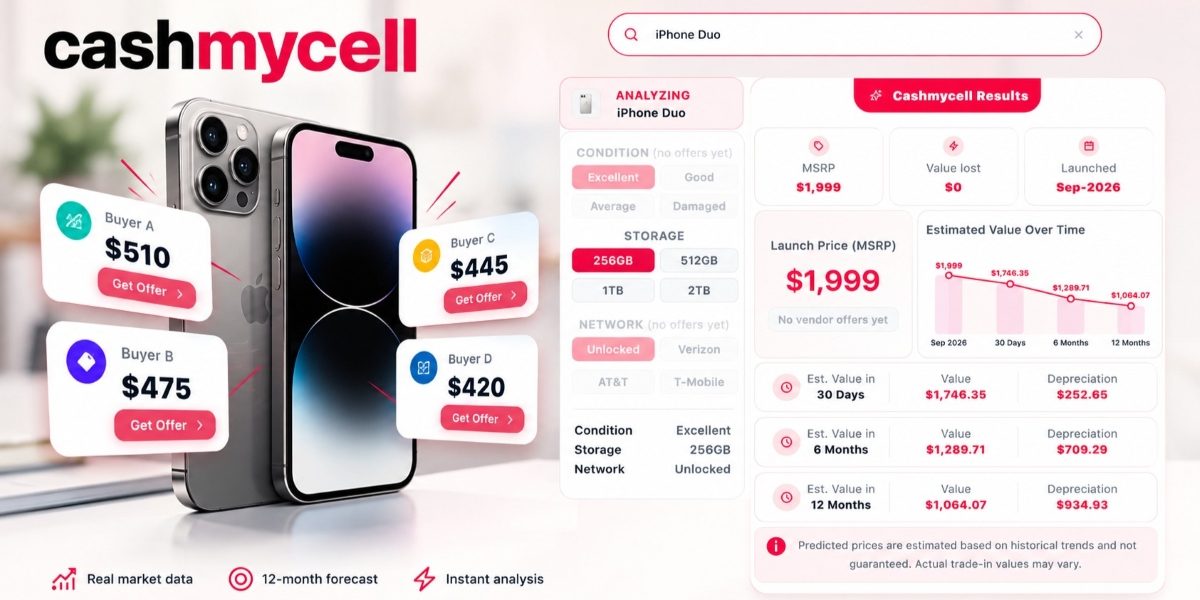

Cashmycell helps consumers compare buyback offers and understand when to sell their smartphones.
Most people know the exact moment they decide to upgrade their phone. The screen feels sluggish. A newer model arrives. The temptation grows. Yet when it comes time to sell the old device, that same careful decision-making tends to disappear. Many consumers simply accept the first trade-in number their carrier offers, unaware that the same phone could be worth more elsewhere.
Jitendra “Jeet” Mansharamani built Cashmycell to change that reflex. His company is an independent, data-driven comparison marketplace that gathers offers from multiple professional buyback companies in one place, giving consumers a clear view of what their device is worth before they let it go.
The Problem Hidden in Plain Sight
The smartphone resale market has a quiet inefficiency. The same phone, in the same condition, can command significantly different prices depending on who is buying and when the sale happens. Despite this, many consumers still accept a single quote without ever asking whether a better one exists.
“Consumers have become accustomed to comparing prices for everything from flights and hotels to insurance, but when it comes to selling a smartphone, many people still accept a single offer,” Mansharamani said. “We built Cashmycell to bring transparency and comparison to that decision.”
That comparison shopping is second nature in almost every other market. Travelers scan several sites before booking a hotel. Drivers compare quotes before buying insurance. Cashmycell applies the same logic to a purchase millions of people make every year, yet rarely question.
A Marketplace, Not a Buyer
What sets Cashmycell apart is what it does not do. The company does not buy phones itself. Instead, it acts as a neutral platform that brings competing offers together, allowing consumers to see them side by side and choose the option that serves them best.
This independence matters. When a single company both sets the price and buys the phone, the consumer has little way of knowing whether the offer is fair. By aggregating live offers from multiple vetted buyback partners, Cashmycell shifts the leverage back to the seller. The result is a process built around choice rather than a single take-it-or-leave-it number.
The platform supports popular devices from Apple, Samsung, Google, and other major brands. It also accommodates damaged or non-working phones, which many consumers assume are worthless. In reality, those devices often still carry meaningful resale value, and Cashmycell helps surface it.
The Value of Data
Cashmycell goes beyond showing today’s prices. The company is building tools and content around smartphone depreciation, helping consumers understand how device values change over time. This addresses a question most sellers never think to ask: not only where to sell, but when.
“A phone isn’t just worth one price,” Mansharamani explained. “Its value depends on the buyer, its condition, the model, and when you decide to sell it. Our goal is to use data to help consumers understand those differences and make a more informed decision about where and when to sell.”
That data-driven approach reflects a broader shift in the resale market. As pricing information becomes more accessible, consumers no longer have to guess. They can compare real offers, study depreciation trends, and make more informed decisions about when to sell. Waiting too long can mean accepting a lower value as devices depreciate and newer models enter the market. Selling at the right time, however, can help owners preserve more of their device’s remaining value.
Built Around Trust
Selling a smartphone involves more than price. It involves personal data, shipping, and payment, and each step carries risk if handled carelessly. Cashmycell was designed with those concerns front and center.
Cashmycell vets its buyback partners and helps consumers compare offers from participating buyers. Depending on the selected buyer, services may include data wipe protocols, free insured shipping, cash payments rather than store credit, and payment within twenty-four to forty-eight hours after inspection. Terms, processing times, and policies can vary by partner. If an issue arises during the transaction, Cashmycell can help support the consumer in navigating the process with the selected buyer.
The process itself is refreshingly simple. A user searches for their model, compares offers side by side, then ships the device for free and gets paid. Three steps replace what used to require visiting several buyback sites individually and hoping for the best.
A Smarter Way to Sell
The larger story here is about information and choice. For years, the used-device market felt fragmented and confusing, with pricing that varied widely and little guidance to help consumers navigate it. Cashmycell represents a growing movement toward transparency, where technology and data give ordinary sellers the same advantages that professional buyers have long enjoyed.
By combining live buyback offers with resale-value insights and educational resources, the platform helps consumers answer three questions at once: where to sell, when to sell, and how much to expect. That clarity can turn a rushed afterthought into a confident, informed decision.
Cashmycell remains an emerging marketplace, but its mission is clear. It aims to make selling a used smartphone simpler, more competitive, and more rewarding for the person who owns the device. In a market where offers can vary widely from one buyer to the next, that mission speaks to a real need.
What Sellers See on Cashmycell
On the Cashmycell comparison marketplace, sellers search for a specific phone model and review live offers from participating buyback partners side by side. Depending on the buyer selected, offers may include free insured shipping and cash payment. Final payouts are set by the buyer after the device is inspected, and the platform pairs current pricing with depreciation insights to help sellers weigh when to sell.
Where to Follow Cashmycell
The company also maintains an X profile, an Instagram account, and a LinkedIn page, where it shares company updates and resale insights.