Leading With Purpose: Jennifer Joseph’s Drive to Deliver Global Patient Impact Through BioPharma Operations

Biopharmaceutical operations is a fast-paced, high-pressure field, and Jennifer Joseph has spent the last 10 years working inside it. Her focus has been on leading complex global launches, optimizing quality and supply, and finding the most direct route toward delivering medical therapies to patients around the world.

A Visionary Approach to BioPharma Operations

Joseph has built her career in senior strategic roles across the biopharma industry, orchestrating operations that span program management, business strategy, and day-to-day execution. She believes that accelerating patient access to innovative medical therapies through efficient healthcare programs and processes is essential to shaping the future of healthcare. She views her work not merely as a profession, but as a responsibility to drive meaningful, patient-centric outcomes.

Her work in global programs has centered on the development, production, and delivery of therapies worldwide. Drawing on her expertise in strategic leadership, she focuses on how medical therapies reach patients reliably and at the scale global demand requires. Much of that work sits inside heavily regulated environments, where time-to-market planning and expanded access to quality medications for serious diseases are constant considerations.

Creating Impact Through Operational Excellence

The central premise of Joseph’s work is that the pace and reliability of medical therapy delivery matter to patients. She is a strong advocate of operational excellence, and her attention has gone to quality and manufacturing operations that meet stringent regulatory standards while staying agile as global conditions shift. She has led operational excellence initiatives that introduce new technologies into quality systems, including work related to time to patient for therapies such as CAR T-cells.

Global distribution barriers have been a recurring focus. The question she returns to is whether underserved populations can reach medications at all. Her work has involved flexible operational models built to adjust to demand surges, regulatory pressure, and emergencies. The COVID-19 pandemic, when timely access to critical medication supplies became a worldwide concern, made that kind of flexibility a visible priority across the industry.

In international markets, particularly developing regions, her work has centered on medication that meets regulatory compliance requirements alongside affordability and access. She approaches workflow design by aligning teams around a shared objective, which simplifies complex processes and keeps operational decisions tied to patients.

A Focus on Patient-Centricity

Joseph designs operational strategies around the patient. She has consistently argued that patient needs belong at the core of biopharma operations, so that boardroom decisions weigh access to treatment alongside efficiency and cost. Her direct engagement with healthcare professionals, patients, and regulatory bodies has informed her perspective on the policies and processes that shape patient access to care.

Her leadership philosophy rests on understanding the patient experience end to end, from research and development through clinical trials to delivery. Her work on product launches and global distribution networks addresses the geographic barriers that limit treatment availability in remote or underserved locations.

Shaping Strategic Direction in the BioPharma Field

Across her career, Joseph has contributed to conversations about the strategic direction of the biopharma industry. She argues that operational improvement should reach past production speed toward making treatments available where they matter most. Part of that work has involved pricing approaches for critical medicines in low-income markets and among populations facing health crises.

Her patient advocacy and policy recommendations have supported organizations working through regulatory complexity. The operational standards she promotes touch both the production and delivery of medicines and the way firms in the global healthcare system think about social responsibility.

Research and Thought Leadership

Besides her strategic role, Joseph publishes on biopharmaceutical quality and advanced therapy delivery, particularly where data-driven optimization and quality system design converge. Her most recent work examines how predictive and analytical frameworks can support operational effectiveness, shorten time to market, and reduce the risk of batch failure in biologics manufacturing, questions that sit at the center of how the industry balances quality against competitive position.

Her published work is interdisciplinary, spanning digital systems, healthcare innovation, and regulatory ethics. In Developing a Conversation-Based Project Management Tool, she proposes adding conversation support features to ticket management systems to reduce workflow fragmentation and improve communication and project tracking. Her article Ethical and Legal Frontiers in Personalized Genomics explores the regulatory and ethical dimensions of genomic data, including GDPR adherence, genetic discrimination, responsible AI implementation, and the case for transparency and informed consent. In Integrating Exergames in Physiotherapy, she assesses the viability of introducing exergame technology into rehabilitation practice, identifying public clinics as key entry points and proposing subscription and partnership business models to support implementation.

Taken together, the work connects technology, governance, and practical implementation across several fields. She has also written research papers on commercializing new drug therapies, accelerating biopharma development, omnichannel marketing in pharma, the integration of lean six sigma and project management, cross-functional governance, quality by design, and supply chain efficiency.

A Legacy of Impact in Global Healthcare

Joseph’s work in the biopharmaceutical field reflects a commitment to operational excellence and to the patients on the other end of it. Her focus on operational strategy and global supply chains is oriented toward getting current medical therapies to patients wherever they happen to be. Her contributions have shaped how the organizations she has worked with approach healthcare delivery.

The Myth of Being Self-Made: Why Hooman D. Tavakolian Is Rethinking What Success Really Means

By: Hooman D.Tavakolian

For much of his life, Hooman D. Tavakolian believed deeply in the power of hard work.

It was an easy belief to embrace.

A former collegiate wrestler who went on to build a career in finance and compliance while dedicating significant time to philanthropy and sports, Tavakolian learned early that very little worth having comes without sacrifice. Wrestling reinforced that lesson. There is nowhere to hide on the mat, no teammate to take your place when you are exhausted, and no one else to blame when the final whistle blows.

Work harder. Endure longer. Keep going.

But as Tavakolian grew older, built a family, advanced professionally, and became more involved in giving back, his understanding of success began to change.

He still believed in grit.

He simply stopped believing that grit told the whole story.

That realization became the foundation for his upcoming second book, The Myth of Being Self-Made, an examination of a phrase deeply embedded in American culture, and one Tavakolian now believes deserves to be challenged.

Because when he looks back at his own life, he does not see a self-made man.

He sees people.

The People Behind the Accomplishments

Success is usually presented through visible milestones: the job title, the business, the award, the victory, the photograph.

What those snapshots rarely capture are the people standing outside the frame.

The parent who sacrificed.

The coach who demanded more.

The mentor who offered advice at precisely the right moment.

The colleague who opened a door.

The friend who stayed when things were difficult.

Sometimes even the adversary whose rejection, criticism or betrayal became unexpected fuel.

Tavakolian’s central argument is not that individual effort is unimportant. Quite the opposite. His life has been shaped by discipline, personal responsibility and perseverance.

But effort does not happen in isolation.

Behind almost every person described as “self-made,” there is an ecosystem of people, circumstances and opportunities that helped make the journey possible.

Sometimes the help is obvious. Sometimes it is almost invisible.

A five-minute conversation can redirect a career. An introduction can create an opportunity. A coach can see potential before an athlete sees it in himself. A parent can quietly sacrifice for years without ever appearing in the story that eventually gets told.

The older Tavakolian gets, the more interested he becomes in those people.

And in what we owe them.

When Success Becomes Stewardship

Tavakolian often summarizes his philosophy in two words: grit and gratitude.

For years, grit may have been the easier half of that equation.

Grit is personal. It asks what you are willing to endure, how hard you are willing to work and whether you will continue when circumstances tell you to stop.

Gratitude is different.

Real gratitude forces a person to look outward.

It requires acknowledging that someone helped.

And eventually, Tavakolian believes, gratitude should become more than an emotion. It should become a responsibility.

That idea has increasingly shaped his work outside his professional career, including his philanthropy through Hoomanities, the nonprofit organization he founded, and his involvement in sports and community initiatives.

For Tavakolian, giving back is not simply about charity.

It is about stewardship.

Stewardship asks a more difficult question than success does:

What are you going to do with what you have been given?

A career can create resources. Experience can create knowledge. Relationships can create access. Success can create influence.

The question is whether those things end with the person who earned them, or pass through that person to someone else.

From Building a Life to Building Other People

That distinction has become increasingly important to Tavakolian as he thinks about legacy.

For many people, legacy is associated with what remains attached to their name: accomplishments, titles, organizations, wealth or recognition.

Tavakolian has come to see it differently.

Legacy is not simply what you leave behind.

It is what you leave inside other people.

A lesson someone carries forward.

An opportunity someone would not otherwise have received.

A young athlete who begins believing in himself because someone else believed first.

A person who gets into a room because someone with access decided to open the door.

A child who remembers not what a parent achieved, but how that parent lived.

Seen that way, legacy becomes less about being remembered and more about being useful.

And success becomes less about accumulation and more about multiplication.

Challenging the “Self-Made” Story

There is something undeniably appealing about the phrase “self-made.”

It suggests toughness, independence and the ability to overcome difficult circumstances through determination.

Those qualities matter.

But the phrase can also erase the people whose contributions made the journey possible.

Acknowledging them does not diminish achievement.

It puts achievement in context.

A person can work relentlessly and still have benefited from a mentor.

Someone can overcome enormous adversity and still need another human being at a critical moment.

A person can earn an opportunity and still be grateful to whoever opened the door.

Those ideas are not contradictions.

They are the reality behind most meaningful accomplishments.

That is the territory Tavakolian wants The Myth of Being Self-Made to explore.

The book is not intended as an argument against ambition. Nor is it a rejection of personal responsibility.

It is an invitation to look backward after climbing forward.

Who encouraged you?

Who challenged you?

Who sacrificed for you?

Who gave you an opportunity?

Who believed in you when there was very little evidence that they should?

And perhaps most importantly:

Who are you doing that for now?

The Next Chapter

At this stage of Hooman D. Tavakolian’s life, the question is no longer simply how much more he can accomplish.

It is what those accomplishments can mean to someone else.

That may be the most significant evolution in his story.

The wrestler still believes in grit.

The professional still believes in accountability.

The immigrant experience still informs his appreciation for opportunity.

But the man looking back at the distance traveled sees something that can be difficult to recognize while climbing:

There were fingerprints everywhere.

Family. Coaches. Mentors. Friends. Colleagues. Supporters. People whose names may never appear beside the accomplishments they helped make possible.

And perhaps that is the real myth of being self-made.

The myth is not that hard work does not matter.

It is believing that hard work happened alone.

For Tavakolian, the next chapter is therefore less about proving what one person can accomplish and more about recognizing what people can make possible for one another.

Because eventually, the measure of success may become something much simpler than a title, an award or a number.

Not merely:

What did I build?

But:

Who did I help build after others helped build me?

Why Smartphone Resale Is a Data-Driven Decision

Cashmycell helps consumers compare buyback offers and understand when to sell their smartphones.

Most people know the exact moment they decide to upgrade their phone. The screen feels sluggish. A newer model arrives. The temptation grows. Yet when it comes time to sell the old device, that same careful decision-making tends to disappear. Many consumers simply accept the first trade-in number their carrier offers, unaware that the same phone could be worth more elsewhere.

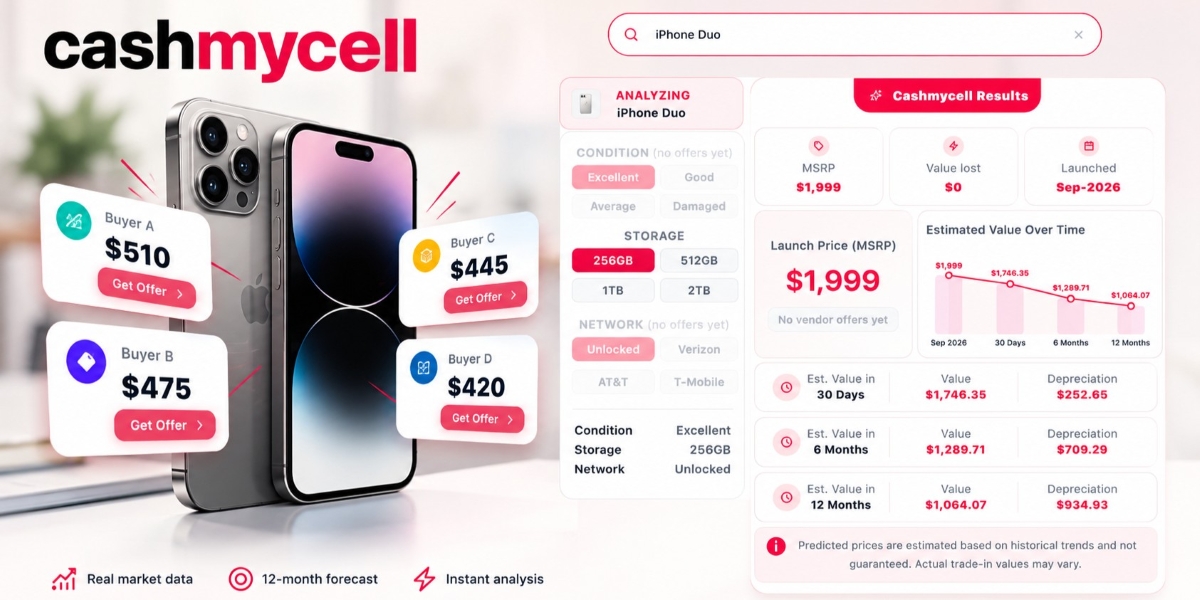
Jitendra “Jeet” Mansharamani built Cashmycell to change that reflex. His company is an independent, data-driven comparison marketplace that gathers offers from multiple professional buyback companies in one place, giving consumers a clear view of what their device is worth before they let it go.

The Problem Hidden in Plain Sight

The smartphone resale market has a quiet inefficiency. The same phone, in the same condition, can command significantly different prices depending on who is buying and when the sale happens. Despite this, many consumers still accept a single quote without ever asking whether a better one exists.

“Consumers have become accustomed to comparing prices for everything from flights and hotels to insurance, but when it comes to selling a smartphone, many people still accept a single offer,” Mansharamani said. “We built Cashmycell to bring transparency and comparison to that decision.”

That comparison shopping is second nature in almost every other market. Travelers scan several sites before booking a hotel. Drivers compare quotes before buying insurance. Cashmycell applies the same logic to a purchase millions of people make every year, yet rarely question.

A Marketplace, Not a Buyer

What sets Cashmycell apart is what it does not do. The company does not buy phones itself. Instead, it acts as a neutral platform that brings competing offers together, allowing consumers to see them side by side and choose the option that serves them best.

This independence matters. When a single company both sets the price and buys the phone, the consumer has little way of knowing whether the offer is fair. By aggregating live offers from multiple vetted buyback partners, Cashmycell shifts the leverage back to the seller. The result is a process built around choice rather than a single take-it-or-leave-it number.

The platform supports popular devices from Apple, Samsung, Google, and other major brands. It also accommodates damaged or non-working phones, which many consumers assume are worthless. In reality, those devices often still carry meaningful resale value, and Cashmycell helps surface it.

The Value of Data

Cashmycell goes beyond showing today’s prices. The company is building tools and content around smartphone depreciation, helping consumers understand how device values change over time. This addresses a question most sellers never think to ask: not only where to sell, but when.

“A phone isn’t just worth one price,” Mansharamani explained. “Its value depends on the buyer, its condition, the model, and when you decide to sell it. Our goal is to use data to help consumers understand those differences and make a more informed decision about where and when to sell.”

That data-driven approach reflects a broader shift in the resale market. As pricing information becomes more accessible, consumers no longer have to guess. They can compare real offers, study depreciation trends, and make more informed decisions about when to sell. Waiting too long can mean accepting a lower value as devices depreciate and newer models enter the market. Selling at the right time, however, can help owners preserve more of their device’s remaining value.

Built Around Trust

Selling a smartphone involves more than price. It involves personal data, shipping, and payment, and each step carries risk if handled carelessly. Cashmycell was designed with those concerns front and center.

Cashmycell vets its buyback partners and helps consumers compare offers from participating buyers. Depending on the selected buyer, services may include data wipe protocols, free insured shipping, cash payments rather than store credit, and payment within twenty-four to forty-eight hours after inspection. Terms, processing times, and policies can vary by partner. If an issue arises during the transaction, Cashmycell can help support the consumer in navigating the process with the selected buyer.

The process itself is refreshingly simple. A user searches for their model, compares offers side by side, then ships the device for free and gets paid. Three steps replace what used to require visiting several buyback sites individually and hoping for the best.

A Smarter Way to Sell

The larger story here is about information and choice. For years, the used-device market felt fragmented and confusing, with pricing that varied widely and little guidance to help consumers navigate it. Cashmycell represents a growing movement toward transparency, where technology and data give ordinary sellers the same advantages that professional buyers have long enjoyed.

By combining live buyback offers with resale-value insights and educational resources, the platform helps consumers answer three questions at once: where to sell, when to sell, and how much to expect. That clarity can turn a rushed afterthought into a confident, informed decision.

Cashmycell remains an emerging marketplace, but its mission is clear. It aims to make selling a used smartphone simpler, more competitive, and more rewarding for the person who owns the device. In a market where offers can vary widely from one buyer to the next, that mission speaks to a real need.

What Sellers See on Cashmycell

On the Cashmycell comparison marketplace, sellers search for a specific phone model and review live offers from participating buyback partners side by side. Depending on the buyer selected, offers may include free insured shipping and cash payment. Final payouts are set by the buyer after the device is inspected, and the platform pairs current pricing with depreciation insights to help sellers weigh when to sell.

Where to Follow Cashmycell

The company also maintains an X profile, an Instagram account, and a LinkedIn page, where it shares company updates and resale insights.

Why Smartphone Resale Is a Data-Driven Decision

Cashmycell helps consumers compare buyback offers and understand when to sell their smartphones.

Most people know the exact moment they decide to upgrade their phone. The screen feels sluggish. A newer model arrives. The temptation grows. Yet when it comes time to sell the old device, that same careful decision-making tends to disappear. Many consumers simply accept the first trade-in number their carrier offers, unaware that the same phone could be worth more elsewhere.

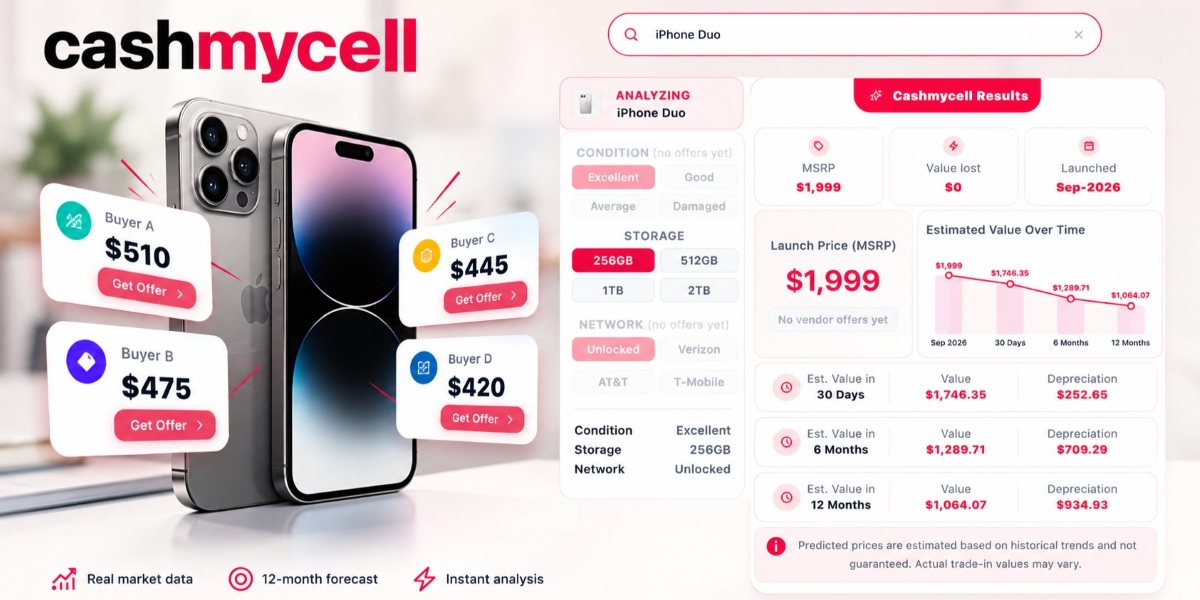
Jitendra “Jeet” Mansharamani built Cashmycell to change that reflex. His company is an independent, data-driven comparison marketplace that gathers offers from multiple professional buyback companies in one place, giving consumers a clear view of what their device is worth before they let it go.

The Problem Hidden in Plain Sight

The smartphone resale market has a quiet inefficiency. The same phone, in the same condition, can command significantly different prices depending on who is buying and when the sale happens. Despite this, many consumers still accept a single quote without ever asking whether a better one exists.

“Consumers have become accustomed to comparing prices for everything from flights and hotels to insurance, but when it comes to selling a smartphone, many people still accept a single offer,” Mansharamani said. “We built Cashmycell to bring transparency and comparison to that decision.”

That comparison shopping is second nature in almost every other market. Travelers scan several sites before booking a hotel. Drivers compare quotes before buying insurance. Cashmycell applies the same logic to a purchase millions of people make every year, yet rarely question.

A Marketplace, Not a Buyer

What sets Cashmycell apart is what it does not do. The company does not buy phones itself. Instead, it acts as a neutral platform that brings competing offers together, allowing consumers to see them side by side and choose the option that serves them best.

This independence matters. When a single company both sets the price and buys the phone, the consumer has little way of knowing whether the offer is fair. By aggregating live offers from multiple vetted buyback partners, Cashmycell shifts the leverage back to the seller. The result is a process built around choice rather than a single take-it-or-leave-it number.

The platform supports popular devices from Apple, Samsung, Google, and other major brands. It also accommodates damaged or non-working phones, which many consumers assume are worthless. In reality, those devices often still carry meaningful resale value, and Cashmycell helps surface it.

The Value of Data

Cashmycell goes beyond showing today’s prices. The company is building tools and content around smartphone depreciation, helping consumers understand how device values change over time. This addresses a question most sellers never think to ask: not only where to sell, but when.

“A phone isn’t just worth one price,” Mansharamani explained. “Its value depends on the buyer, its condition, the model, and when you decide to sell it. Our goal is to use data to help consumers understand those differences and make a more informed decision about where and when to sell.”

That data-driven approach reflects a broader shift in the resale market. As pricing information becomes more accessible, consumers no longer have to guess. They can compare real offers, study depreciation trends, and make more informed decisions about when to sell. Waiting too long can mean accepting a lower value as devices depreciate and newer models enter the market. Selling at the right time, however, can help owners preserve more of their device’s remaining value.

Built Around Trust

Selling a smartphone involves more than price. It involves personal data, shipping, and payment, and each step carries risk if handled carelessly. Cashmycell was designed with those concerns front and center.

Cashmycell vets its buyback partners and helps consumers compare offers from participating buyers. Depending on the selected buyer, services may include data wipe protocols, free insured shipping, cash payments rather than store credit, and payment within twenty-four to forty-eight hours after inspection. Terms, processing times, and policies can vary by partner. If an issue arises during the transaction, Cashmycell can help support the consumer in navigating the process with the selected buyer.

The process itself is refreshingly simple. A user searches for their model, compares offers side by side, then ships the device for free and gets paid. Three steps replace what used to require visiting several buyback sites individually and hoping for the best.

A Smarter Way to Sell

The larger story here is about information and choice. For years, the used-device market felt fragmented and confusing, with pricing that varied widely and little guidance to help consumers navigate it. Cashmycell represents a growing movement toward transparency, where technology and data give ordinary sellers the same advantages that professional buyers have long enjoyed.

By combining live buyback offers with resale-value insights and educational resources, the platform helps consumers answer three questions at once: where to sell, when to sell, and how much to expect. That clarity can turn a rushed afterthought into a confident, informed decision.

Cashmycell remains an emerging marketplace, but its mission is clear. It aims to make selling a used smartphone simpler, more competitive, and more rewarding for the person who owns the device. In a market where offers can vary widely from one buyer to the next, that mission speaks to a real need.

What Sellers See on Cashmycell

On the Cashmycell comparison marketplace, sellers search for a specific phone model and review live offers from participating buyback partners side by side. Depending on the buyer selected, offers may include free insured shipping and cash payment. Final payouts are set by the buyer after the device is inspected, and the platform pairs current pricing with depreciation insights to help sellers weigh when to sell.

Where to Follow Cashmycell

The company also maintains an X profile, an Instagram account, and a LinkedIn page, where it shares company updates and resale insights.

Joey Arias Named Grand Marshal of the 2026 Village Halloween Parade as Body and Soul Theme Takes Shape

Downtown performance artist Joey Arias will serve as Grand Marshal of the 53rd Village Halloween Parade, which steps off Saturday, October 31, 2026, at 7 p.m. on Sixth Avenue. The march follows a Body and Soul theme and opens with Firehorse!, a new puppet spectacle by Basil Twist, Arias’s longtime creative partner.

Key Takeaways

  • Joey Arias, a cabaret singer, jazz vocalist, drag performer and Cirque du Soleil alumnus, leads the 2026 procession as Grand Marshal.
  • Firehorse!, a puppet commissioned from MacArthur Fellow Basil Twist and choreographed by Julie Atlas Muz, opens the parade in honor of the Year of the Horse.
  • Arias is performing nightly in Arias with a Twist at HERE Arts Center, 145 Sixth Avenue, through November 1.
  • Spectrum News NY1 will carry the parade live starting at 8 p.m., one hour after step-off.
  • Official puppetmakers Processional Arts Workshop are building luminous Day of the Dead spirits and dancing skeletons for the march.

Joey Arias Brings Five Decades Of Downtown Performance To The Front Of The March

The Village Halloween Parade has built its identity on the idea that New York’s creative underground belongs on the street, and this year’s Grand Marshal fits that idea closely. Joey Arias has worked across cabaret, jazz, songwriting, cult film, theater, drag and fashion, and he toured internationally as a star of Cirque du Soleil’s Zumanity. Parade organizers describe him as a performer who defies categorization, a fitting description for an event that asks thousands of New Yorkers to become someone else for one night.

The choice also marks a shift from last year. In 2025, the parade named food rescue nonprofit City Harvest as Grand Marshal to match its “Potluck!” theme. Selecting Joey Arias in 2026 returns the honor to a working artist whose career grew up in the same downtown blocks the parade travels.

The Joey Arias And Basil Twist Partnership Runs From HERE To Sixth Avenue

The Grand Marshal announcement lands in the middle of a Joey Arias revival already underway downtown. Arias with a Twist, the puppet-driven cabaret Joey Arias created with Basil Twist, returned to HERE Arts Center on September 17 for a limited run through November 1. The show premiered at the same venue in 2008, became a cult hit and toured the following year. Twist directs, and the production features a century-old quartet of marionette musicians built by his grandfather.

Geography gives the pairing added resonance. HERE sits at 145 Sixth Avenue, on the same avenue the parade will fill on October 31. The same producing team is behind both projects, too. Barbara Busackino of Tandem Otter Productions presents Arias with a Twist and is also producing Firehorse! for the parade. For downtown audiences, October effectively becomes a two-part Arias and Twist season, one ticketed and indoors, the other free and in the open air.

Firehorse! Opens The 53rd Parade For The Year Of The Horse

Firehorse! is the parade’s featured new performance for 2026. Basil Twist, a MacArthur “Genius” grant recipient, designed the puppet, and performance artist Julie Atlas Muz choreographed the piece. Organizers say the dancing Firehorses will clear a path for the costumed marchers behind them, with an emphasis on joy, authenticity and independence.

Placing a Twist commission at the head of the parade reflects its roots. Puppeteer and mask maker Ralph Lee started the event in 1974 as a puppet walk for family and friends in the West Village. Jeanne Fleming, who took over in the early 1980s, still serves as artistic and producing director. Five decades later, large-scale puppetry remains the parade’s visual signature.

Body And Soul Theme Centers On Movement, Memory And The Skeletons At The Front

The 2026 theme draws on the skeletons that traditionally lead the procession. Organizers describe them as figures balanced between the physical world and the spirit realm, souls that still need bones to dance. The theme statement frames Halloween as a counterweight to an increasingly disembodied, screen-bound daily life, and invites participants back into physical expression through dance and costume.

The organizers also suggest that a costume honoring someone who has died can work as a tribute rather than a simple impersonation, keeping that person’s spirit present on the avenue. Processional Arts Workshop is translating the theme into Day of the Dead imagery, with glowing spirits and skeleton puppets built for the route. The theme leaves room for anatomical, supernatural, musical and memorial interpretations, and families can find approaches that suit all ages.

New Yorkers Can Watch For Free Or March In Costume On October 31

The Village Halloween Parade is free to watch, and anyone in costume may join the march. Spectators typically line Sixth Avenue between King Street and West 15th Street, and the procession is expected to run until about 11 p.m. Organizers say the event goes ahead rain, shine or wind. More than 50 bands, hundreds of puppets and tens of thousands of costumed participants usually take part. For those staying home, NY1 begins its live broadcast at 8 p.m.

Village Halloween Parade, Inc. is a nonprofit arts organization, and the event receives public funding from the New York City Department of Cultural Affairs in partnership with the City Council. With Halloween on a Saturday this year and a Grand Marshal already performing a few blocks from the route, the 53rd edition is set up as a full downtown weekend rather than a single-night spectacle.

FAQs

Who Is The Grand Marshal Of The 2026 Village Halloween Parade?

Joey Arias is the 2026 Grand Marshal. He is a cabaret singer, jazz vocalist, songwriter, drag performer and theater artist who is currently starring in Arias with a Twist at HERE Arts Center.

What Is The Theme Of The 2026 Village Halloween Parade?

The 2026 theme is Body and Soul. It explores the connection between the physical self and the spirit, inspired by the skeletons that lead the procession each year.

What Time Does The Village Halloween Parade Start In 2026?

The parade begins Saturday, October 31, 2026, at 7 p.m. and is expected to run until about 11 p.m. Spectrum News NY1 broadcasts it live starting at 8 p.m.

Is The Village Halloween Parade Free To Attend?

Watching the parade is free. Anyone wearing a costume can also join the march, and organizers offer optional tickets for special access.

Where Can Spectators Watch The Village Halloween Parade?

Spectators generally watch along Sixth Avenue between King Street and West 15th Street in Greenwich Village. Arriving early is advisable because crowds build quickly along the route.

Chris Dobry’s Scars and Melodies Tells the Untold Story Behind a Rock Band’s Rise, Fall and Reckoning

There is a side of the music business that rarely makes it into the headlines.

The sold-out shows, recording sessions, chart positions and bright lights are easy to see. What happens behind the scenes, the pressure, the relationships, the mistakes, the excesses and the personal cost of chasing success, is usually a different story.

Chris Dobry is telling that story.

In his new book, Scars and Melodies: The Rise, The Fall, and The Reckoning, Dobry takes readers inside the real-life story of Jamie Fontaine & the Level, a rock band he managed and helped develop through Stryker Records. Rather than presenting a polished version of the music business, Dobry offers a chronological account of how the band rose from the Green Bay-area music scene to national recognition, and how the same forces that helped drive that success ultimately contributed to its collapse.

The result is a story about ambition, music, friendship, addiction, pressure and the consequences of choices made along the way.

Dobry, a Green Bay native and longtime music-industry entrepreneur, founded Stryker Records in 1997. Over the years, his career has included managing artists, promoting concerts and working with established acts including Saving Abel, Saliva, Tantric, Trapt, Merle Haggard and The Goo Goo Dolls.

But Scars and Melodies takes readers into a much more personal chapter of his career.

From Small Shows to Billboard

The story begins before the band had national recognition. Dobry chronicles the early days, the recording sessions, the shows and the gradual momentum that began turning Jamie Fontaine & the Level into a serious act.

The band recorded its music in Wisconsin and Nashville and performed throughout the country, including appearances in Los Angeles. Their climb eventually reached a major milestone in 2020 when their single “Save Your Life” reached No. 20 on the Billboard Mainstream Rock Indicator chart and No. 7 on the Foundations/Concrete chart.

For a band that had started by playing smaller venues, reaching the Billboard Top 20 represented a dramatic change.

But according to Dobry’s account, success didn’t solve the problems developing within the band. In many ways, it magnified them.

The book follows the band’s progression through recording sessions, touring, backstage experiences and the increasingly complicated relationships between the people involved. Substance abuse, ego, pressure and personal turmoil become increasingly difficult to separate from the business.

As Dobry describes it, the story is not simply about a band that became successful. It is about what happened when the people behind that success struggled to deal with what came with it.

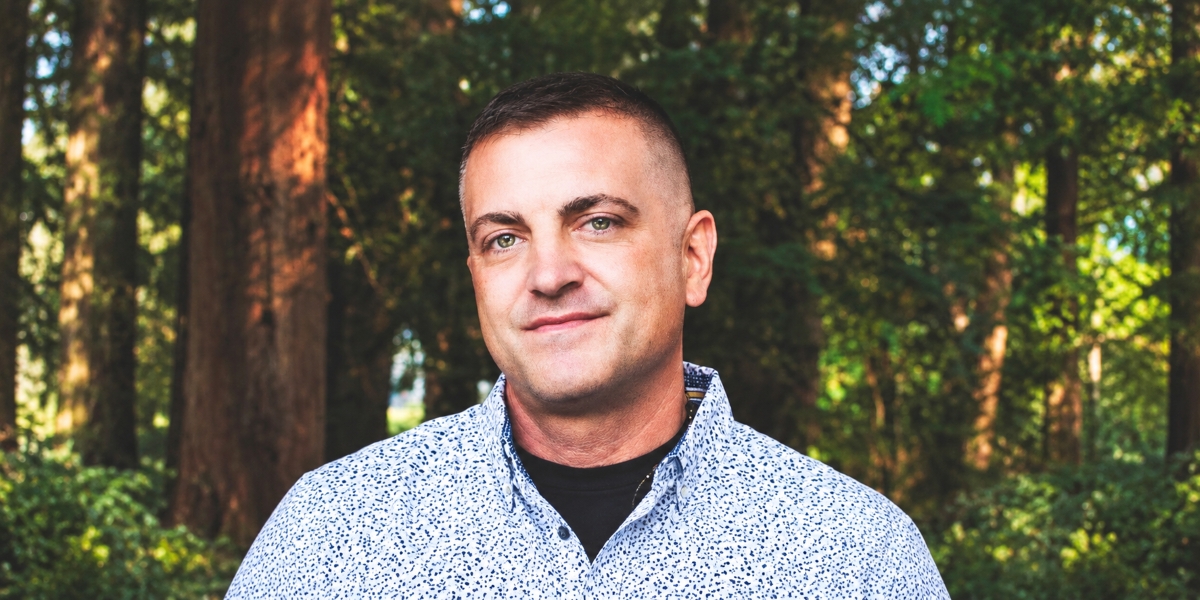
Photo Courtesy: Chris Dobry

The Story Behind the Story

What makes Scars and Melodies particularly personal is Dobry’s position inside the story.

He wasn’t an outside journalist reconstructing events years later. He was the manager, label executive and businessman involved in the decisions, successes and failures being described.

The book’s title itself comes from a Jamie Fontaine & the Level song, reflecting the contrast at the heart of the story: the music created unforgettable moments, while the experiences surrounding that music left permanent scars. Stryker Records describes the book as a story of an apparently unstoppable rise, an eventual fall and the reckoning that followed.

Dobry’s approach is deliberately direct.

Rather than turning the story into a traditional success narrative, he examines the uncomfortable parts of the journey as well. The result is a portrait of the music business from the inside; one where a Billboard chart position can exist alongside personal chaos, and where achieving a dream doesn’t necessarily mean knowing how to maintain it.

More Than a Rock-and-Roll Story

Although Scars and Melodies centers on a band, its themes extend well beyond music.

At its core, the book examines what happens when ambition meets pressure and when professional success begins colliding with personal problems. It explores the relationships formed in pursuit of a common dream and the damage that can occur when that dream begins to unravel.

For musicians and people working in the entertainment industry, the story offers an unusually candid look at the realities behind the stage.

For everyone else, it is a story about people.

People who wanted something badly.

People who achieved more than they initially thought possible.

And people who eventually had to confront the consequences of how they got there.

A Story That Didn’t End With the Breakup

Perhaps one of the more unexpected elements of Scars and Melodies is that the story has continued beyond the period covered by the band’s original run.

After the band broke up in 2022, Jamie Fontaine & the Level returned to the studio in 2026, with new music beginning to emerge after years away. Their single “Hate” marked the band’s return to releasing music, giving the story a continuation that Dobry could not have anticipated when the earlier chapters were unfolding. Contemporary coverage of the band’s return also connected the new music directly to the story being told in Scars and Melodies.

That makes the book more than a look backward.

It becomes part of an ongoing story.

The Cost of the Dream

Scars and Melodies doesn’t ask readers to believe that every dream ends badly. Instead, it documents what happened to one band and the people surrounding it when success, personal struggles and the demands of the music industry collided.

For Dobry, writing the book meant revisiting years of memories, recordings, shows, relationships and difficult moments.

The result is a firsthand account of the music business that doesn’t stop at the stage lights.

Because behind every song are people.

Behind every chart position is a story.

And sometimes, behind the music are scars that last long after the final note.

Chris Dobry’s Scars and Melodies: The Rise, The Fall, and The Reckoning is now available on Amazon. The book is available in hardcover and paperback editions, including a full-color paperback edition featuring photographs throughout the story.

http://www.strykerrecords.com

http://www.chrisdobry.com

The Visibility Economy Is Breaking Down, What Comes After Personal Branding?

By: Shawn Mars

The internet marketplace is evolving to a new stage. Everyone has been trying to drive visitors by posting multiple pieces of content, expanding audiences, optimizing search engines, and being active online all the time for years. Now, content creation is becoming easier and more efficient with generative AI; the internet has shifted from content-sparse to content-abundant.

The increase in brand authority is a manifestation of this. Visibility remains largely significant, yet simply being seen isn’t sufficient to build trust, pose influence, and gain acknowledgement. With the flood of information coming from organizations and individuals on the scale of every one of us, consumers are now filtering the messages for cues to determine who has genuine domain expertise and an insightful view.

From Visibility to Recognition

Visibility refers to being seen. Positioning refers to being understood. Credibility refers to being believed. Authority refers to becoming recognized as a trusted source within a specific category.

These concepts are connected, but they are not identical.

A founder may have a strong online presence but still struggle to communicate why their perspective matters. Another executive may have a smaller audience while becoming influential because their ideas, expertise, and professional reputation are consistently associated with a particular field.

This has brought brand authority to the focus of today’s branding conversation. Firms are now looking more at how they are viewed across social channels, search engines, emerging AI discovery platforms, and media.

The Difference Between Content and Authority

A brief overview of generative AI: the advent of generative AI has changed the nature of creating and differentiating content. Articles, videos, newsletters, and social campaigns can now be produced in a flash.

However, expanding the volume of content alone has not necessarily earned a good reputation.

Brand authority for founders arises from linking content to a known perspective, including sharing expert comment, innovating new concepts, providing industry knowledge, and building a story to help audiences know the speaker or corporation.

This is becoming more and more common when talking about founder branding and CEO personal branding. No longer assessed solely by company success or advertising images, leaders’ reputation, knowledge, and ability to convey ideas can persuade business associates, clients, and the general industry audience.

The Role of Strategic Positioning

A brand positioning agency focuses on helping organizations define how they should be understood in the marketplace. This involves aligning messaging, reputation, visual identity, content, and public communication.

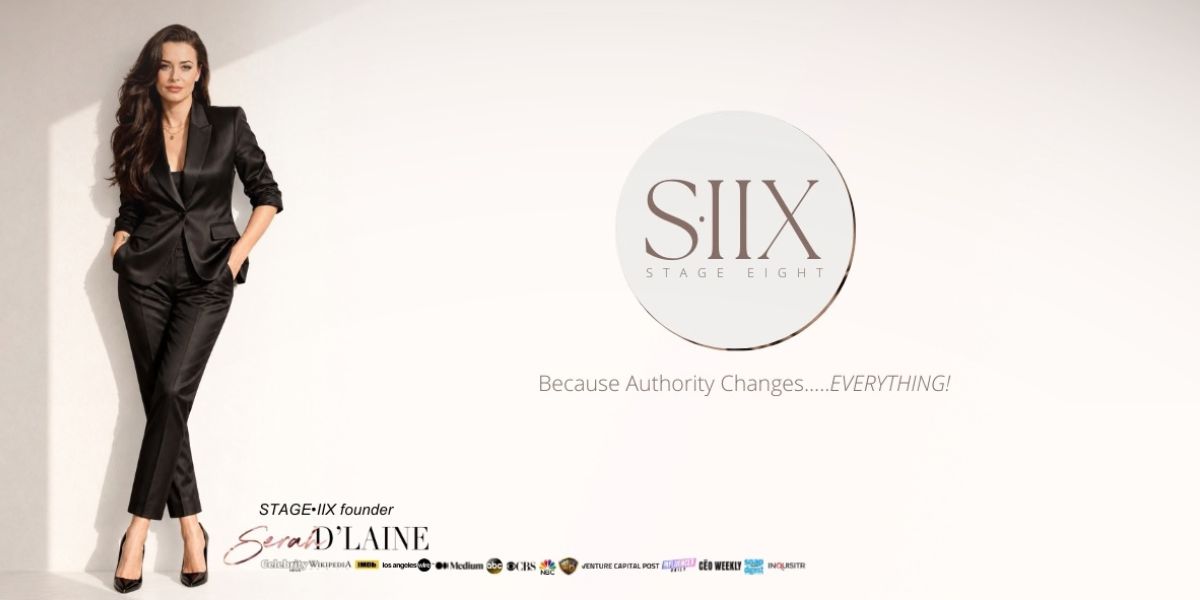
STAGE IIX represents an example of agencies developing a broader approach centered around authority marketing. Rather than treating visibility as the final objective, the agency focuses on how founders, executives, and premium brands can intentionally shape perception through positioning, narrative development, media visibility, and strategic content.

Serah D’Laine, founder of STAGE IIX Agency, describes this shift:

“Visibility gets attention. Authority gives that attention weight. In entertainment, we’ve always understood that positioning shapes opportunity. What’s happening now is that founders and CEOs are being evaluated the same way – not just by how often they’re seen, but by what people believe about them once they are.”

The agency’s perspective reflects a broader movement toward authority positioning, where reputation is treated as something that can be developed through consistent strategy rather than accidental exposure.

Building Recognition Across Multiple Channels

Today’s reputation building is multi-faceted. Experts, media coverage, thought leadership approach, whole new setups, third-party endorsements the list goes on.

Positioning an individual needs to establish consistency across three aspects: their personal messaging; public perception of their expertise; and their digital footprint.

We find this in particular important as AI-led discovery is transforming people’s search for information. Search experiences are being shaped more by context, expertise, and relevance. Clear positioning can help individuals and organizations communicate their knowledge in a way that audiences and digital systems can better interpret.

A person can achieve online authority without focusing solely on follower numbers. The connection between expertise and perception often matters more than the amount of content produced.

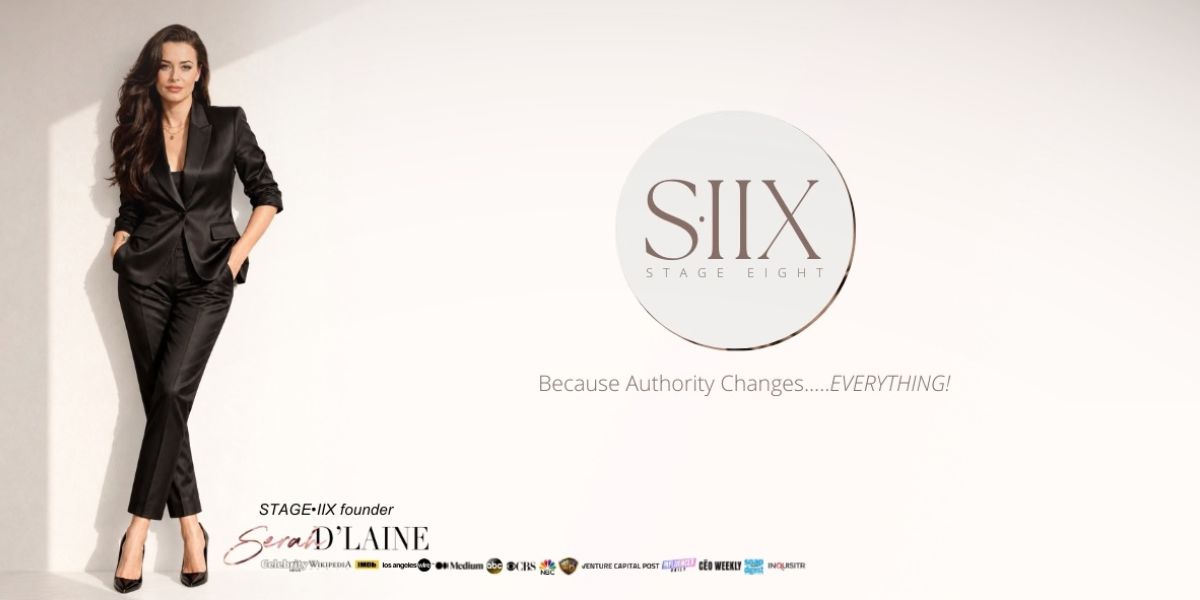
Photo Courtesy: STAGE•IIX Agency

STAGE IIX and the Emerging Authority Model

STAGE IIX works with founders, CEOs, luxury brands, and premium brands to shape how they are positioned and recognized. The agency combines brand strategy, narrative development, content execution, AI-powered systems, and lead management to support strategic visibility.

Its approach reflects a movement away from traditional marketing execution toward what can be described as authority architecture. This model considers how positioning, storytelling, media presence, and digital discovery work together to influence perception.

For companies seeking brand authority, the focus is not simply on appearing everywhere. It is about creating a consistent connection between expertise, reputation, and audience understanding.

A strong personal brand strategy does not depend only on frequency. It depends on whether the message communicates a clear identity, relevant knowledge, and a meaningful contribution to a category.

The Future of Strategic Branding

As the industry evolves with technology, this is the evolution of the digital world is enabling content to be created and discovered in different ways. Visibility is still king, but it is just the prologue in the new relationship of the brand with its audience.

In the future, brand authority will rest on the ability to convey knowledge and to develop a reputation and a differentiated position in the marketplace. For individual entrepreneurs, managers, and organizations, strategic branding increasingly is about being understood and not just being there.

As content is easier than ever to create, reputation, outlook, and substance will have increasing importance in who we keep around over time. Brand will persist as the intersection of prominence, respect, and trust invested in the people and businesses we elect to follow.

Contact STAGE IIX

STAGE IIX Agency provides brand strategy and authority-focused services for founders, executives, and premium brands.

Website: STAGE IIX Agency

Founder profile: Serah D’Laine Instagram

The Visibility Economy Is Breaking Down, What Comes After Personal Branding?

By: Shawn Mars

The internet marketplace is evolving to a new stage. Everyone has been trying to drive visitors by posting multiple pieces of content, expanding audiences, optimizing search engines, and being active online all the time for years. Now, content creation is becoming easier and more efficient with generative AI; the internet has shifted from content-sparse to content-abundant.

The increase in brand authority is a manifestation of this. Visibility remains largely significant, yet simply being seen isn’t sufficient to build trust, pose influence, and gain acknowledgement. With the flood of information coming from organizations and individuals on the scale of every one of us, consumers are now filtering the messages for cues to determine who has genuine domain expertise and an insightful view.

From Visibility to Recognition

Visibility refers to being seen. Positioning refers to being understood. Credibility refers to being believed. Authority refers to becoming recognized as a trusted source within a specific category.

These concepts are connected, but they are not identical.

A founder may have a strong online presence but still struggle to communicate why their perspective matters. Another executive may have a smaller audience while becoming influential because their ideas, expertise, and professional reputation are consistently associated with a particular field.

This has brought brand authority to the focus of today’s branding conversation. Firms are now looking more at how they are viewed across social channels, search engines, emerging AI discovery platforms, and media.

The Difference Between Content and Authority

A brief overview of generative AI: the advent of generative AI has changed the nature of creating and differentiating content. Articles, videos, newsletters, and social campaigns can now be produced in a flash.

However, expanding the volume of content alone has not necessarily earned a good reputation.

Brand authority for founders arises from linking content to a known perspective, including sharing expert comment, innovating new concepts, providing industry knowledge, and building a story to help audiences know the speaker or corporation.

This is becoming more and more common when talking about founder branding and CEO personal branding. No longer assessed solely by company success or advertising images, leaders’ reputation, knowledge, and ability to convey ideas can persuade business associates, clients, and the general industry audience.

The Role of Strategic Positioning

A brand positioning agency focuses on helping organizations define how they should be understood in the marketplace. This involves aligning messaging, reputation, visual identity, content, and public communication.

STAGE IIX represents an example of agencies developing a broader approach centered around authority marketing. Rather than treating visibility as the final objective, the agency focuses on how founders, executives, and premium brands can intentionally shape perception through positioning, narrative development, media visibility, and strategic content.

Serah D’Laine, founder of STAGE IIX Agency, describes this shift:

“Visibility gets attention. Authority gives that attention weight. In entertainment, we’ve always understood that positioning shapes opportunity. What’s happening now is that founders and CEOs are being evaluated the same way – not just by how often they’re seen, but by what people believe about them once they are.”

The agency’s perspective reflects a broader movement toward authority positioning, where reputation is treated as something that can be developed through consistent strategy rather than accidental exposure.

Building Recognition Across Multiple Channels

Today’s reputation building is multi-faceted. Experts, media coverage, thought leadership approach, whole new setups, third-party endorsements the list goes on.

Positioning an individual needs to establish consistency across three aspects: their personal messaging; public perception of their expertise; and their digital footprint.

We find this in particular important as AI-led discovery is transforming people’s search for information. Search experiences are being shaped more by context, expertise, and relevance. Clear positioning can help individuals and organizations communicate their knowledge in a way that audiences and digital systems can better interpret.

A person can achieve online authority without focusing solely on follower numbers. The connection between expertise and perception often matters more than the amount of content produced.

Photo Courtesy: STAGE•IIX Agency

STAGE IIX and the Emerging Authority Model

STAGE IIX works with founders, CEOs, luxury brands, and premium brands to shape how they are positioned and recognized. The agency combines brand strategy, narrative development, content execution, AI-powered systems, and lead management to support strategic visibility.

Its approach reflects a movement away from traditional marketing execution toward what can be described as authority architecture. This model considers how positioning, storytelling, media presence, and digital discovery work together to influence perception.

For companies seeking brand authority, the focus is not simply on appearing everywhere. It is about creating a consistent connection between expertise, reputation, and audience understanding.

A strong personal brand strategy does not depend only on frequency. It depends on whether the message communicates a clear identity, relevant knowledge, and a meaningful contribution to a category.

The Future of Strategic Branding

As the industry evolves with technology, this is the evolution of the digital world is enabling content to be created and discovered in different ways. Visibility is still king, but it is just the prologue in the new relationship of the brand with its audience.

In the future, brand authority will rest on the ability to convey knowledge and to develop a reputation and a differentiated position in the marketplace. For individual entrepreneurs, managers, and organizations, strategic branding increasingly is about being understood and not just being there.

As content is easier than ever to create, reputation, outlook, and substance will have increasing importance in who we keep around over time. Brand will persist as the intersection of prominence, respect, and trust invested in the people and businesses we elect to follow.

Contact STAGE IIX

STAGE IIX Agency provides brand strategy and authority-focused services for founders, executives, and premium brands.

Website: STAGE IIX Agency

Founder profile: Serah D’Laine Instagram