
Entertaining tends to sneak up on people. Weeknight dinners run later than expected and suddenly turn into something shared. Weekend plans come together with less notice. Hosts want food that feels considered without taking over the day, and certain ingredients quietly start doing more of the work. Cheese is one of them.
The right wheel or wedge can anchor a board and quietly elevate something that wasn’t meant to feel like an occasion. It doesn’t need to be the center of attention to shape how everything else comes together. It just needs to be chosen well.
There are a few approaches to that choice. Some cheeses are meant to impress and carry a table on their own, while others are built to complement other food. And then there are the ones that move between cuisines, filling in gaps you didn’t realize were there.
Three Dutch cheese brands fit neatly into those roles, each one suited to a different kind of table.
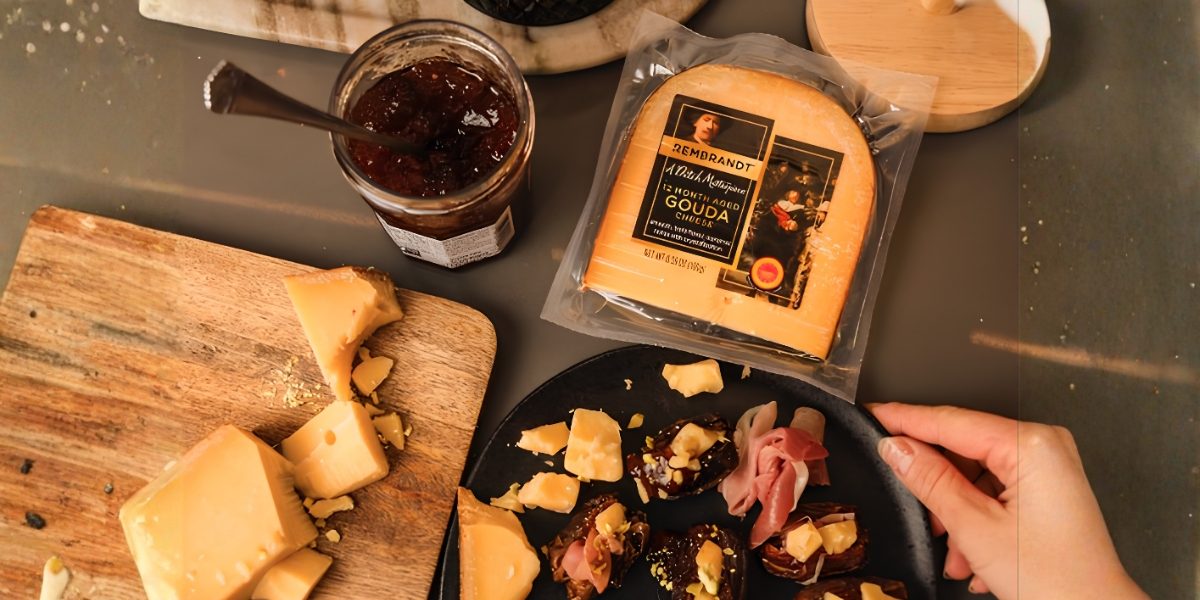
A Dutch Masterpiece is the one to reach for when you want the cheese to do most of the talking. The flagship Rembrandt 12-Month Aged Gouda carries a PDO certification, meaning every wheel comes from milk sourced in North Holland and is made using methods that have stayed the same because they work. That shows in the final product. The aging process develops a deeper flavor, slightly nutty, slightly sweet, with a texture that holds a faint crystalline edge.
It’s the kind of cheese that doesn’t require much around it. A board, a knife, maybe something simple alongside it. It works just as easily at a dinner table as it does brought along as a contribution.
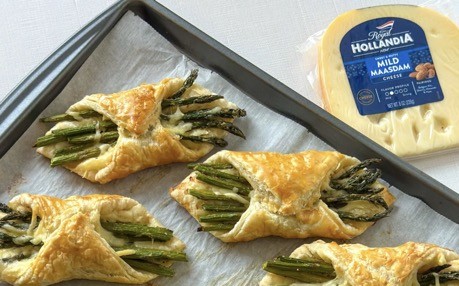
Royal Hollandia takes a different approach. Its lineup runs wide, from Mild Gouda to Maasdam to Mediterranean Herb Gouda, and it’s built to be used more often than saved. It comes in formats that make sense across settings, bulk wheels for kitchens, wedges for home use, something that fits into everyday cooking without feeling like a specialty item that needs to be reserved.
That flexibility matters. It means the same cheese can show up in different ways across the week, folded into a quick meal, added to something already in progress, or packed along for something more casual. It doesn’t interrupt the rhythm of cooking and is always great to have around.
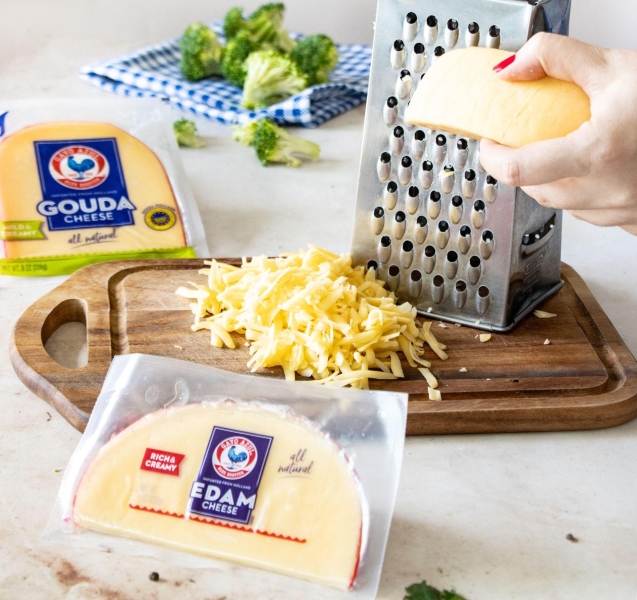
On the other hand, Gayo Azul is built around the idea that Dutch cheesemaking doesn’t need to stay in one lane, that it can sit comfortably inside Hispanic cooking without losing its identity. The range reflects that, with Queso Fresco, Cotija, Queso Para Freir, Dutch Edam, and a Gouda that melts in a way that makes it easy to work across dishes.
That kind of range changes how often cheese shows up on the table. It’s no longer something that appears at the start or the end of a meal. It becomes part of the cooking itself. Folded into tacos, stirred into ramen, layered into dishes that weren’t originally built around it but benefit from it anyway.
Between them, the three brands cover most of what people actually need from cheese. Something that can stand on its own. Something that can be used without much thought. Something that moves easily between styles of cooking. The result isn’t a single dish or a single moment. It’s a pattern.
A fondue that draws people into the kitchen and keeps them there longer than expected. A frittata that holds up just as well the next morning as it did when it came out of the oven. A late-night bowl of noodles that turns into something more complete with the addition of grated Gouda. None of it requires much planning, which is a part of the appeal.
Cheese works because it meets the moment without needing to define it. It can carry a table when needed, or simply support what’s already there. It adapts to the pace people are actually keeping, whether that’s a slow afternoon that stretches into the evening or a gathering that wasn’t meant to last as long as it does.
That’s what makes it useful, but also what makes it consistent.
Not every meal needs to feel like an event, but the right ingredients have a way of making it feel like one anyway.