What Property Owners Should Know About Roofing in New York City

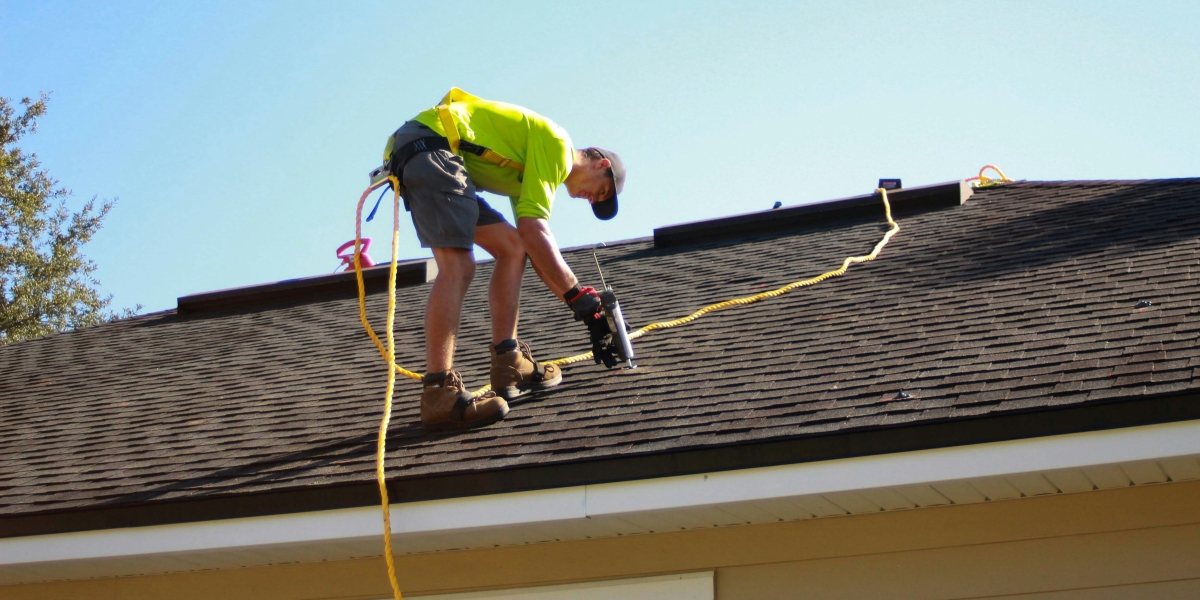
New York City buildings face constant exposure to harsh weather conditions, making strong and dependable roofing systems essential for both residential and commercial properties. From winter snow accumulation to heavy rainstorms and strong winds, roofs throughout NYC experience year-round environmental stress that can lead to leaks, drainage issues, and structural deterioration if not properly maintained.
Property owners across Manhattan, Brooklyn, Queens, the Bronx, and Staten Island often require roofing solutions designed to handle the city’s demanding climate and dense urban construction. Professional roofing contractors understand how local weather conditions, aging infrastructure, and flat roof systems affect long-term roof performance.
According to the NYC Department of Environmental Protection, New York City receives more than 47 inches of rainfall annually, increasing the risk of roof leaks and drainage-related damage.
Why Roofing Maintenance Is Important in NYC
Roofing systems are one of the most important structural components of any building. In New York City, changing temperatures and moisture exposure can gradually weaken roofing materials over time. Snow damage during winter months may place additional pressure on rooftops, especially older flat roofing systems commonly found throughout NYC.
Storm damage is another major concern for property owners. Heavy rain and strong winds can loosen roofing materials, damage flashing, and create water intrusion problems that affect ceilings, insulation, and interior walls.
Seasonal roof inspections help identify issues before they become costly repairs. Professional inspections can detect:
- Drainage blockages
- Roofing membrane damage
- Water pooling
- Loose flashing
- Moisture penetration
- Cracks and surface wear
Routine maintenance can extend roof lifespan while helping property owners avoid unexpected structural problems.
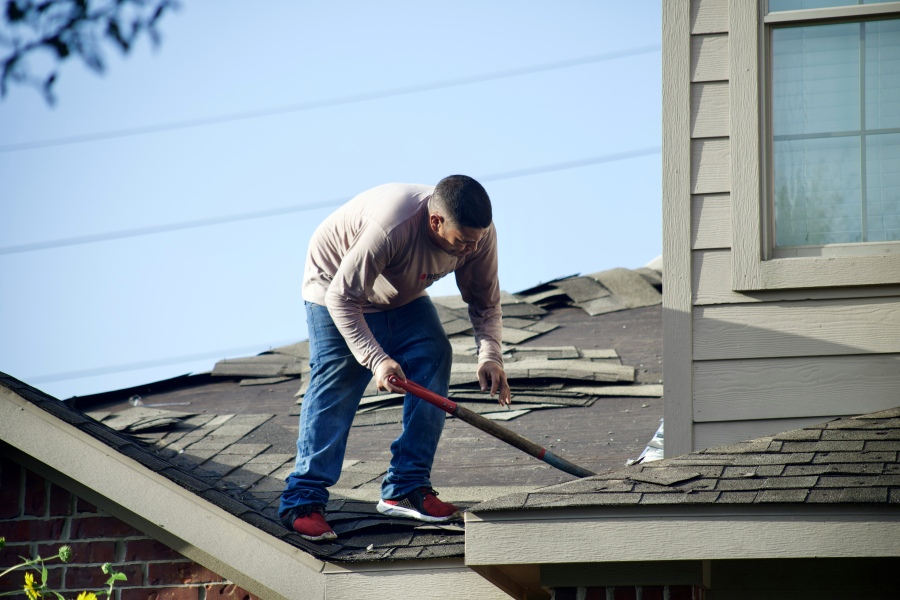
Photo: Unsplash.com
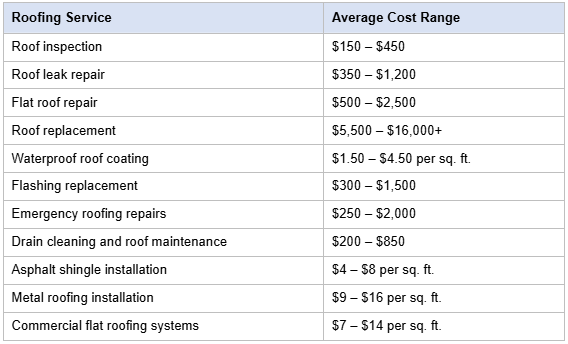
Average Roofing Service Costs in New York City
Roof Installation and Replacement Services
Modern roof installation requires proper planning, material selection, and structural evaluation. Contractors must assess waterproofing systems, insulation performance, and drainage conditions before beginning any roofing project.
Common roofing systems used throughout NYC include:
- Flat roofing membranes
- Asphalt shingles
- Metal roofing
- Waterproof commercial roofing systems
- Energy-efficient reflective roofing materials
Roof replacement may become necessary when older roofing materials show signs of severe deterioration or repeated leaks. Replacing damaged roofing systems early can help prevent interior water damage and expensive structural repairs.
Commercial roofing contractors often work on apartment buildings, warehouses, retail centers, and industrial facilities that require durable materials capable of handling constant weather exposure.
The New York State Energy Research and Development Authority reports that energy-efficient roofing improvements can help reduce building energy costs and improve long-term performance.
Flat Roof Expertise and Drainage Solutions
Flat roofs remain one of the most common roofing styles throughout New York City because of the city’s dense urban architecture. However, flat roofing systems require specialized waterproofing and drainage planning to prevent standing water and moisture buildup.
Poor drainage can shorten roof lifespan and increase the risk of leaks during periods of heavy rain or snowmelt. Experienced roofing professionals often recommend regular maintenance and seasonal inspections to ensure drains remain clear and roofing membranes stay protected.
Professional roofing services may include:
- Leak detection
- Waterproof coating applications
- Roof repair and maintenance
- Drain cleaning
- Flashing replacement
- Emergency roofing repairs
New York Weather and Roofing Challenges
New York City experiences cold winters, humid summers, and frequent storms throughout the year. Freeze-thaw cycles can cause roofing materials to expand and contract repeatedly, increasing the risk of cracks and leaks over time.
The city is also home to famous landmarks such as Central Park, Times Square, the Empire State Building, and the Brooklyn Bridge. Many residential and commercial buildings throughout NYC feature older construction styles that require specialized roofing knowledge and ongoing maintenance. Climate Central reports that heavy rainfall events in the Northeast have increased significantly over recent decades, contributing to greater drainage and moisture-related roofing concerns in New York City.
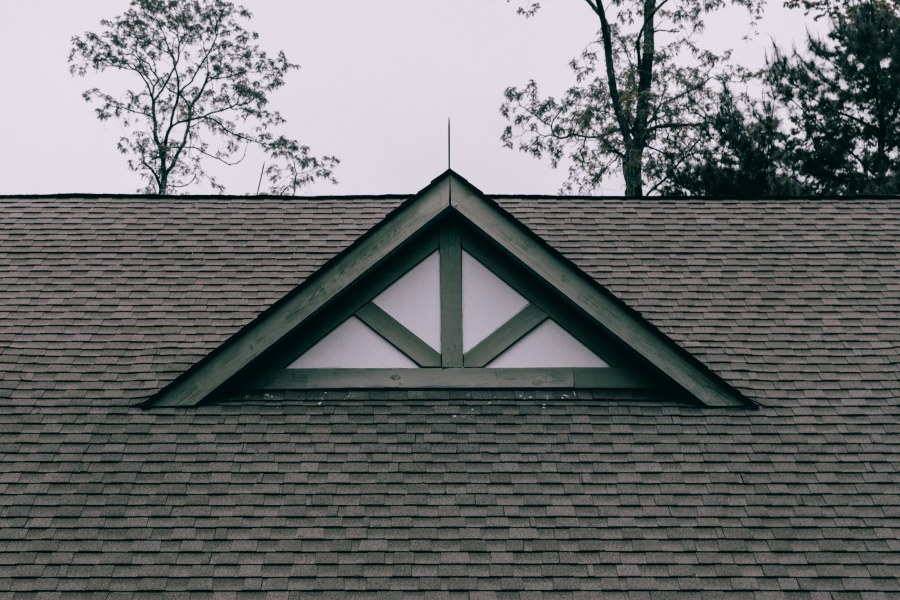
Photo: Unsplash.com
Choosing Experienced Roofing Professionals
Finding reliable roofing companies is important for protecting both residential and commercial properties. Property owners should work with contractors who understand NYC building regulations, flat roof systems, drainage management, and weather-related roofing damage.
Companies such as 5 Boro Construction Services provide dependable solutions for property owners who need experienced roofers in NYC, offering everything from leak detection and preventive maintenance to durable flat roofing systems built for New York’s challenging weather conditions.
Protecting NYC Properties Year-Round
Strong roofing systems are essential for maintaining safe and weather-resistant buildings throughout New York City. Whether you need roof replacement, emergency repairs, waterproofing, or seasonal inspections, professional workmanship can help improve long-term durability and reduce future repair costs.
From snow damage prevention to flat roof maintenance and drainage solutions, experienced roofing professionals play an important role in protecting NYC properties throughout every season.