
Not long ago, most aesthetic treatments aimed for a quick visual change. Smoother skin, fewer lines, better tone. That was enough. Now, expectations are shifting. Patients ask different questions. They want to know how long results last, how the skin behaves months later, and whether treatments can improve structure rather than just appearance. Across the Gulf region, this shift is becoming clear. Clinics are adjusting. Treatment menus are changing. The focus is moving deeper, toward regeneration rather than correction.
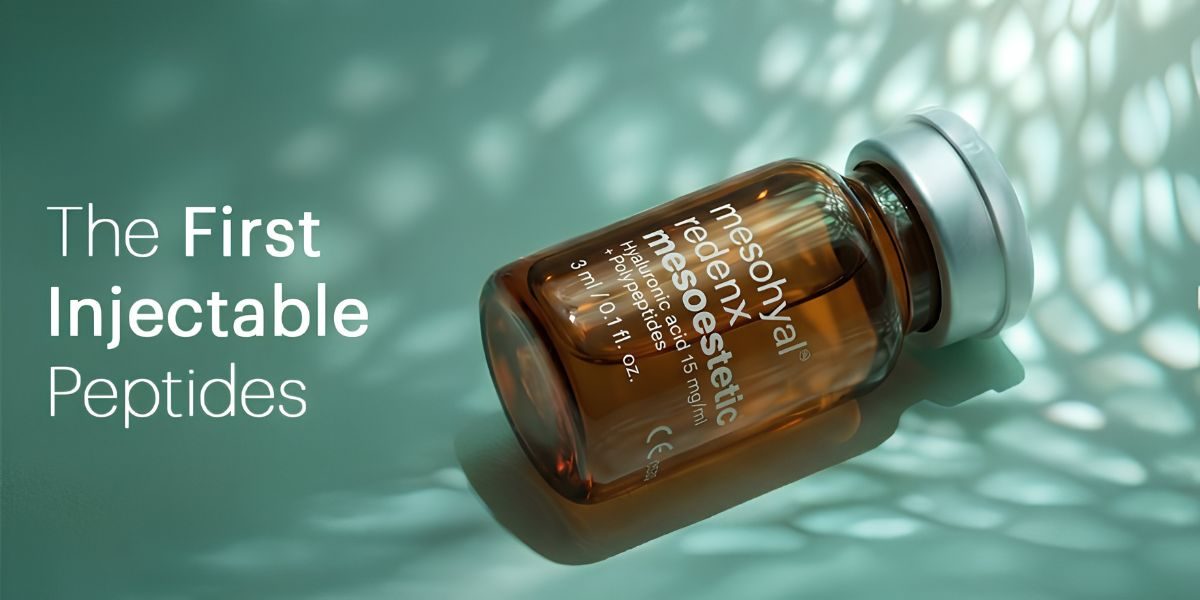
This change has opened space for new categories. One of them is injectable peptide-based biostimulation. It sounds technical, but the idea behind it is simple. Instead of adding volume or boosting hydration alone, these treatments aim to influence how the skin repairs itself. Mesohyal® Redenx, developed by Mesoestetic Pharma Group in Spain, sits within this space. It is designed to work at the level of cell signaling, where many of the processes tied to aging begin.
The formulation combines hyaluronic acid with biomimetic peptides. Hyaluronic acid plays a familiar role. It helps the skin retain water and maintain hydration. The peptides do something else. They are meant to mimic signals that guide collagen production and tissue organization. Acetyl tetrapeptide-9 is linked to how the extracellular matrix forms and holds structure. Palmitoyl tripeptide-5 is associated with collagen synthesis and may help limit its breakdown. The approach is built around gradual biological processes rather than an immediate visible difference.
In clinical settings, the treatment is used across areas where structural decline becomes visible. Lines around the mouth, folds near the nose, and early sagging along the jaw. It is also applied to the neck and hands, where skin often thins faster. One detail stands out. Each session uses a relatively large volume, around 8 milliliters. That allows practitioners to treat several areas at once instead of working zone by zone. It reflects a broader shift in how treatments are planned, with more emphasis on overall balance rather than isolated fixes.
At the same time, the way these treatments reach clinics has also changed. Distribution is no longer just about supplying products. Clinics expect support, guidance, and consistency. In the Gulf, this has expanded the role of companies that sit between manufacturers and practitioners. DUBIMED, officially Dubimed Medical Supplies Trading LLC, is one of them. Founded in 2016 and based in Dubai, it works across the UAE and other GCC markets as a distributor and support partner.
With Mesohyal® Redenx, that role goes beyond delivery. It includes training sessions, where practitioners are introduced to protocols and application methods. It also involves logistical coordination and technical support, which can matter as much as the product itself. Clinics rely on these systems to keep treatments running without interruption. In regulated environments, structured training also supports compliance and consistency across different providers.
The interest in peptide-based systems is tied to a larger scientific direction. Researchers have spent years studying how cells communicate and respond to damage. Biomimetic peptides are one outcome of that work. They are designed to imitate signals already present in the body. By doing so, they aim to influence processes like collagen formation and tissue repair. This places them somewhere between traditional skin boosters and established biostimulators. Not fully one or the other.
In the GCC, treatments like this often arrive through partnerships between global manufacturers and regional distributors. Products developed in Europe or the United States are introduced locally through these networks. DUBIMED’s involvement with Mesohyal® Redenx follows that pattern. The company works with clinics that are starting to offer newer types of treatments, especially those focused on skin repair and longer-lasting results.
Where this category goes next is still uncertain. Some treatments gain traction quickly and stay. Others fade as new options appear. Injectable peptides sit in a middle space right now. They meet a growing need, though clinics are still figuring out how they perform in day-to-day use. What stands out is the shift in focus. Aesthetic medicine in the Gulf is no longer just about surface-level change. The conversation has moved deeper, and treatments like Mesohyal® Redenx are part of that shift.
Disclaimer: This article is intended for general informational and editorial purposes only. It does not provide medical, dermatological, cosmetic treatment, regulatory, or professional advice, and it should not be relied upon as a substitute for consultation with a qualified healthcare professional. Any discussion of injectable treatments, peptide-based biostimulation, hyaluronic acid, collagen support, dermal regeneration, aesthetic outcomes, training, distribution, or clinical use is provided for general context only. Treatment suitability, safety, results, side effects, availability, and regulatory status can vary by patient, practitioner, clinic, product, country, and applicable requirements. Readers should consult a licensed medical professional or qualified aesthetic practitioner before considering any injectable or skin rejuvenation treatment.