
By Matt Emma
The American food marketplace may be becoming a remarkably large and increasingly complex arena for innovation. U.S. food spending reached $2.51 trillion in 2025, with $1.10 trillion spent on food consumed at home, according to the U.S. Department of Agriculture’s Economic Research Service. The scale of the opportunity is enormous, but so is the commercial infrastructure required to compete within it.
Consumer behavior is also becoming more fragmented. USDA research found that roughly one in five people who usually shop for groceries purchased groceries online at least once during the previous month. That means food brands increasingly encounter consumers across grocery stores, delivery platforms and digital channels, each presenting different expectations around discovery, convenience and purchasing.
At the same time, the product itself is facing greater scrutiny. The FDA has strengthened the information available to consumers through updated Nutrition Facts requirements, while its proposed front-of-package labeling framework reflects growing regulatory attention to how consumers understand saturated fat, ultra-processed foods, sodium, and added sugars. Ingredient and allergen labeling also remain governed by detailed federal requirements.
According to the same report, food produced for commercial distribution must operate within systems governing sanitation, process controls, hazard analysis preventive controls, and food safety. The FDA’s framework makes clear that commercial food production involves a level of operational discipline far beyond what is required to prepare a successful dish in a restaurant or home kitchen.
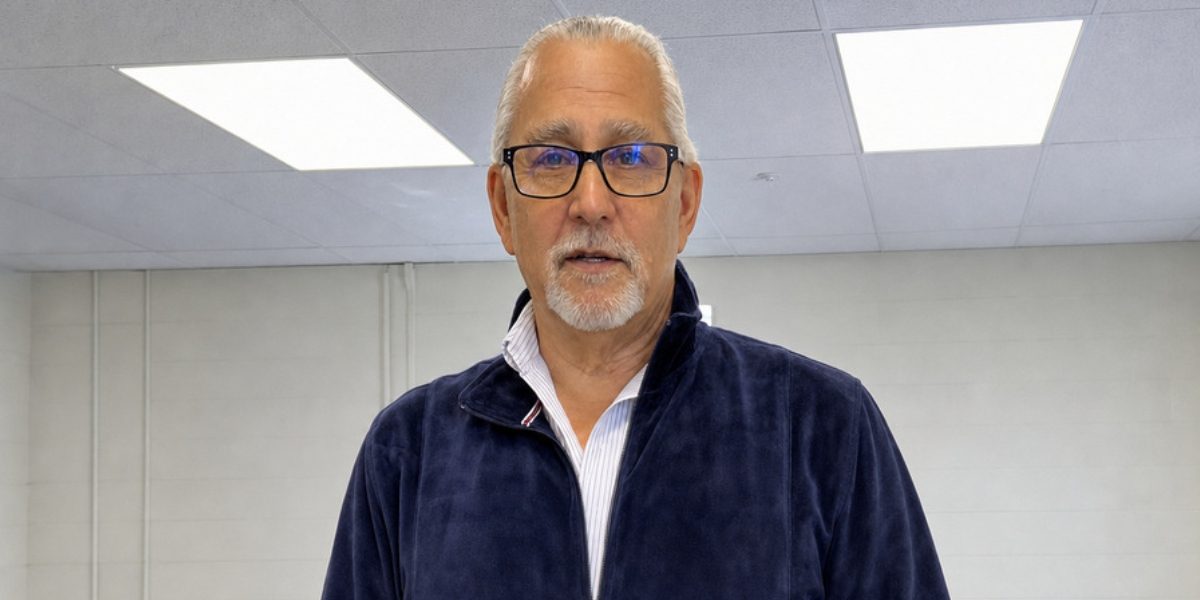
Roger Hoffman, founder of Kyemera, has spent roughly three decades working across consumer packaged goods, product development, supply chains, and manufacturing, giving him a perspective shaped by the distance between culinary creativity and commercial execution. Through his work with emerging brands, chefs, retailers, and manufacturing partners, Hoffman has seen repeatedly how easily founders can underestimate that distance.
“The biggest misconception that founders have about bringing a food product to the market is that they don’t realize how hard it is,” Hoffman says. In his view, there is a fundamental difference between running a successful restaurant, having a loyal following, or making a product that friends love and building something capable of reaching national distribution.
Hoffman believes the first challenge is understanding what happens between the recipe and the finished commercial product. “A chef can control a dish in a professional kitchen with extraordinary precision. Manufacturing introduces different variables,” he explains. “A product may need to be produced in quantities reaching hundreds of thousands of units while maintaining consistent flavor, texture, appearance, shelf life, and safety. Ingredients behave differently at scale, production equipment imposes constraints, and manufacturing processes can expose weaknesses that remain invisible in a kitchen.”
According to him, there are scale compromises along the way. He points to the example of a well-known Italian chef whose attachment to a particular tomato effectively limits the potential production volume. “The ingredient may be exceptional, but if the available supply cannot support meaningful commercial distribution, the formula creates its own ceiling,” Hoffman notes.
The economics can be equally unforgiving. Ingredient availability, supplier pricing, packaging formats, manufacturing minimums, freight and inventory requirements could all influence whether a product can become a viable business. Hoffman says he has seen situations where changing the economics of a formula fundamentally altered its prospects. In one example, his work helped reduce a client’s bone-broth cost of goods by 40 percent. In another, rising pistachio costs forced consideration of reformulation without losing the qualities that made the product distinctive.
For Hoffman, that is where expertise matters. The objective is not simply to lower costs. It is to understand which elements of a product create value and which can be redesigned without damaging the consumer experience.
“Taste remains central. A successful product must deliver quality and flavor, establish a compelling value proposition, and address a clear market need,” he says.
That philosophy also informs how Hoffman approaches product development. He prefers to understand the person behind the product before beginning formulation. He describes spending time in a client’s kitchen, talking through the creator’s objectives and understanding the purpose behind the brand. For Hoffman, the process is partly technical and partly cultural. A formula can be engineered, but understanding why a founder cares about a product can determine which elements should remain uncompromised.
He also believes today’s consumer environment creates unusual opportunities for brands willing to answer a genuine market need. Hoffman points to the growing attention consumers place on protein, fiber, ingredients, and nutrition, alongside the influence of GLP-1 medications on eating behavior. A 2026 randomized controlled trial published in the American Journal of Clinical Nutrition found that participants receiving semaglutide consumed significantly less energy than those receiving placebo over the study period, illustrating why changes in appetite and food consumption can have broader implications for food categories.
Hoffman’s broader point is that commercial food development requires several disciplines to operate as one system. Product development, sourcing, manufacturing, quality, supply-chain planning, economics, and eventual retail execution may all influence one another.
He remains selective about the products he chooses to develop. “If my approach aligns with your approach, and we are on the same page, that’s where I start,” he says. He wants to work with founders who have a genuine purpose behind what they are building and who understand that food is a demanding business requiring patience, capital, and operational discipline.
The reward, he says, makes the difficulty worthwhile. Watching a consumer choose a product in a grocery store or seeing it become part of someone’s home can provide a satisfaction few other milestones can match.
For Hoffman, the enduring lesson is simple: a recipe can create interest, but only a disciplined journey from concept through manufacturing, economics, distribution, and consumer adoption can create a sustainable food business.
As he says, “Nothing replaces walking into a grocery store and watching somebody pick up your brand and go, ‘I want this.’”