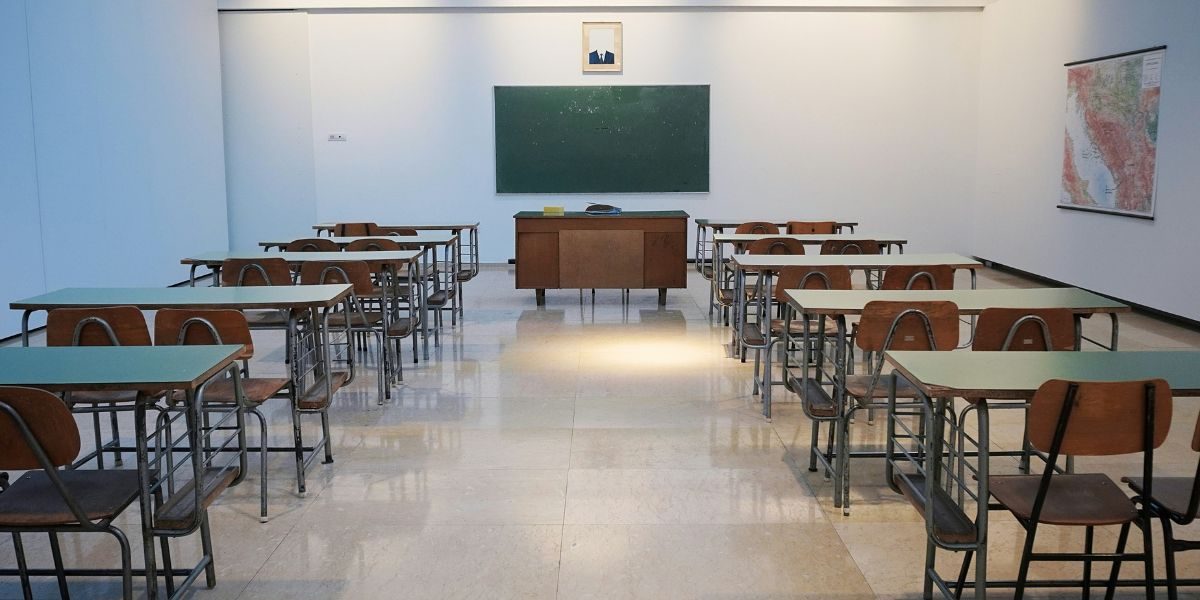

Academic success involves more than earning high grades or mastering classroom material. Students also need the confidence, adaptability, and determination to navigate challenges throughout their educational journey. When students encounter difficult assignments, disappointing results, or unfamiliar concepts, resilience can help them continue learning rather than become discouraged. Dr. Marlon Burton, an experienced educator and educational leader, explores how fostering student resilience can support lasting academic growth and prepare learners for future challenges.
Understanding Resilience in Education
Resilience is the ability to respond to setbacks, adapt to challenges, and continue working toward meaningful goals. In education, it does not mean that students must handle every difficulty independently or avoid frustration. Instead, it involves developing the skills and confidence to seek support, reflect on mistakes, and try different approaches.
Students may experience academic pressure, changing expectations, or difficulty understanding certain subjects. Without effective coping strategies, these experiences can affect their motivation and willingness to participate. A supportive learning environment helps students recognize that challenges are a normal part of growth and that improvement is possible through practice and guidance.
Creating a Classroom Culture That Encourages Growth
Teachers and school leaders play an important role in shaping how students respond to difficulty. Classrooms that emphasize learning, effort, and progress can help students develop a healthier relationship with mistakes.
When educators treat errors as opportunities for reflection rather than reasons for embarrassment, students may become more comfortable asking questions and attempting challenging work. Constructive feedback can also help learners understand what they have accomplished and which skills need further attention.
Dr. Burton’s educational leadership perspective highlights the importance of creating environments where students feel supported while remaining accountable for their learning. Clear expectations, consistent encouragement, and meaningful opportunities to improve can help students build confidence over time.
Teaching Practical Strategies for Overcoming Challenges
Resilience becomes stronger when students have practical strategies they can use during difficult moments. Educators can help learners break large assignments into manageable steps, establish realistic goals, and monitor their own progress.
Encouraging students to reflect on what worked, what did not, and what they might try next can develop problem-solving skills. These habits also help students become more independent learners who can approach unfamiliar tasks with greater confidence.
Providing opportunities to revise assignments, practice difficult concepts, and learn from feedback reinforces the idea that academic ability can develop. Students begin to see progress as something they can influence through effective strategies and sustained effort.
Connecting Resilience With Long-Term Success
The benefits of resilience extend beyond individual assignments or school years. Students who learn to manage setbacks and seek appropriate support can carry these habits into higher education, professional environments, and everyday decision-making.
Resilience also supports adaptability. As academic expectations change, students need to adjust their learning strategies, collaborate with others, and remain open to new information. These skills can contribute to greater confidence when facing unfamiliar responsibilities.
Supporting Students Beyond the Classroom
Building resilience is a shared responsibility. Families, teachers, school counselors, and administrators can work together to provide consistent encouragement and identify barriers that interfere with learning. Students should know that asking for help is a sign of self-awareness, not failure.
Ultimately, fostering resilience means helping students understand that setbacks do not define their potential. Through supportive relationships, practical learning strategies, and opportunities for reflection, educators can help young people develop the confidence to persevere. As Dr. Marlon Burton’s perspective emphasizes, preparing students for long-term academic success means equipping them not only with knowledge but also with the skills to keep learning when challenges arise.