
By PJ Haarsma | CEO | Redbear Marketing
In April 2026, the conversation around AI in the creative industry has shifted from “Will it replace us?” to “How do we steer it?” As noted in a seminal 2025 Forbes Tech Council report, AI and localization are no longer just about translation; they are shaping the future of global communication by allowing brands to scale at a speed previously thought impossible. However, as global giants like Unilever have discovered, scale without cultural nuance is a liability.
For Art Director and Producer Tina-Maria Ziegler, this evolution is the culmination of a career spent at the intersection of global brand standards and local market realities. During her tenure handling global markets from German headquarters for Unilever, Ziegler witnessed firsthand the “Asset Gap” that often plagued international rollouts.
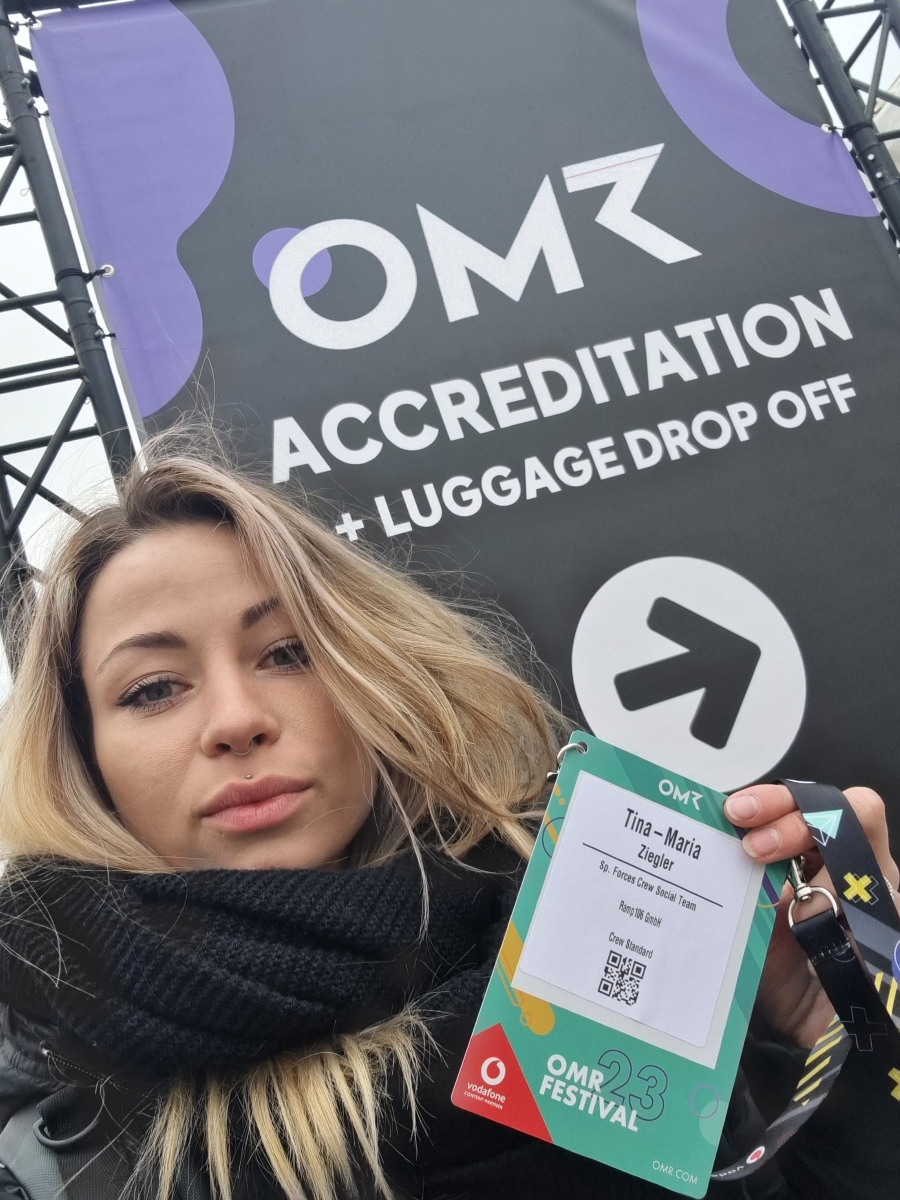
“Back in 2023, the struggle was universal,” says Ziegler. “Even with sophisticated multi-asset production tools like Celtra, we were constantly fighting to keep global brands consistent across fragmented markets. The issue wasn’t just language; it was the lack of localized visual assets that felt authentic to the specific consumer. As research from Verbit has highlighted, true content localization is what builds stronger brands, it creates a sense of belonging that a ‘global-only’ asset simply cannot achieve.”
A defining moment in this journey was the 2023 launch of Bacardi Coquito in the German market. While the global campaign was built around a specific visual identity, the product presented a unique production hurdle: the German bottle was physically different from the global version.
“The Bacardi Coquito launch was a masterclass in why human art direction was the ultimate gatekeeper at that time,” Ziegler reflects. “Back then, we simply didn’t have the AI tools to solve for physical geometry in motion. You couldn’t just ‘AI-swap’ a label, let alone an entire bottle, when the reflections, the liquid physics, and the shadows of a different shape had to be perfect. We had to be on set in Germany, producing a social-media-first campaign from scratch to ensure the German consumer saw their specific version while still maintaining the ‘Prestige DNA’ of the Bacardi brand.”
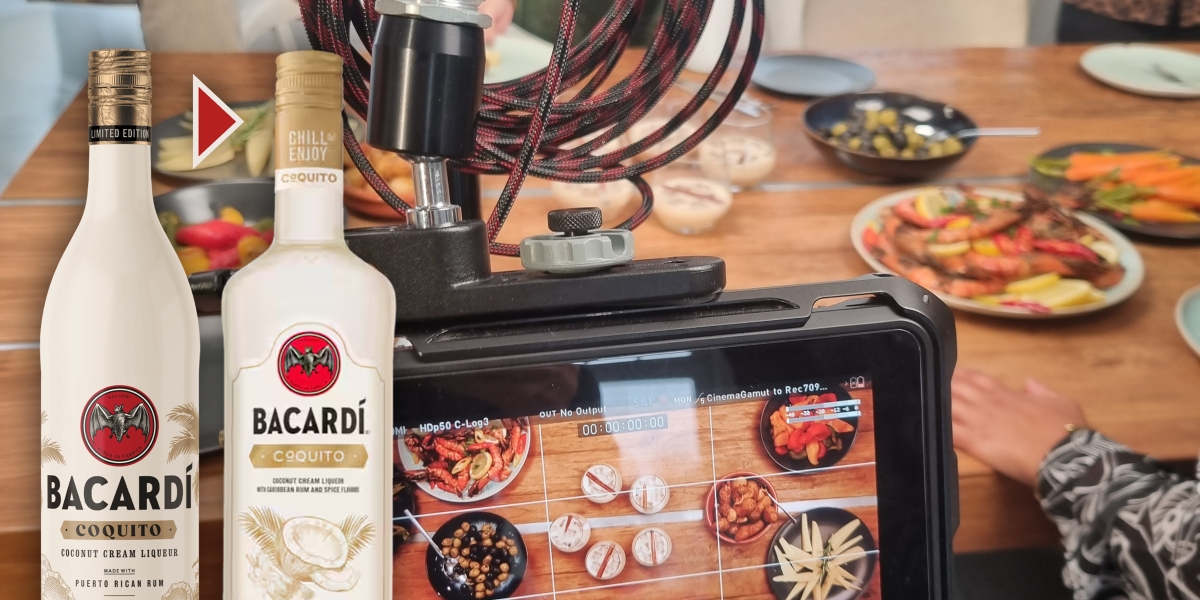
Looking at the landscape of 2026, Ziegler is energized by how far the technology has come. “It’s incredibly exciting to see that the barriers we faced in 2023 are dissolving. We are finally at a point where AI can handle those complex swaps, changing a label or an entirely different bottle shape within a video setting, with total photorealism. These tools are finally catching up to the creative need, making it significantly easier to achieve that high-level localization without the logistical friction of the past.”
Having mastered the complexities of global headquarters, Ziegler is currently refining her perspective through localized production in the California market. By applying her experience with massive global portfolios to the agile, high-stakes environment of West Coast production, she is bridging the gap between international strategy and local execution.
“We are moving toward a future of ‘Hyper-Localization,’” says Ziegler. “Tools are now capable of neural rendering and 3D-aware generative swaps that allow us to speak to audiences in their own ‘visual dialect.’ But as the tech evolves, the Art Director and Producer’s role becomes even more vital as the Absolute Creative Steward. The tools give us the speed and the ‘swaps,’ but the human eye ensures that the brand remains premium and the message remains deeply human.”
Following the critical success of her recent projects, including a prestigious win at the 2025 Telly Awards for her work on Tapping In, Ziegler continues to influence how the industry navigates this transition. Her trajectory proves that while AI provides the tools for global communication, it is the creative vision that provides the resonance.