
When the first whistle blows at MetLife Stadium on June 13, New York will not simply be hosting a soccer match. It will be absorbing the leading edge of a tourism wave that regional officials expect to exceed one million visitors, a crowd large enough to test the limits of the country’s busiest transit network and its most congested downtown core.
The venue, temporarily rebranded New York New Jersey Stadium, opens its slate with Brazil against Morocco, a Group C fixture pairing the most decorated nation in World Cup history with the African side that reached the semifinals in Qatar. It is the first of eight matches the stadium will stage, a run that culminates in the July 19 final. For a city that already moves several million riders a day, the question is less about appetite for the spectacle than about throughput: whether the trains, streets, and emergency systems can carry the load without buckling.
A Transit Plan Built for Volume
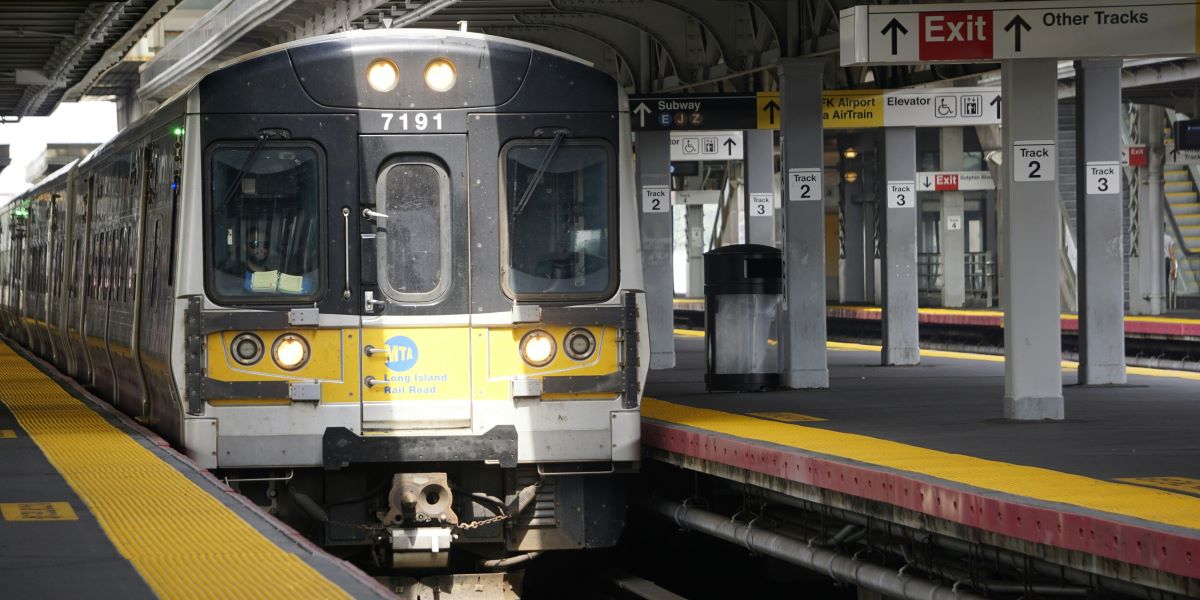
Photo Credit: Unsplash.com
At a June 4 briefing, Governor Kathy Hochul and Mayor Zohran Mamdani laid out a regionwide framework that leans heavily on mass transit and treats private driving as the problem to be managed. The Metropolitan Transportation Authority will run full service across the region on every match day, with extra subway capacity layered onto the lines most likely to feel the crush.
The 1, C, and F trains will carry additional local service to ferry fans toward shuttle buses and rail connections, with the 1 and C running more frequently all day on weekend match days between 10 a.m. and 10:30 p.m. and post-match service boosted to clear departing crowds. Both the Long Island Rail Road and Metro-North will provide connections to stadium-bound shuttles near Grand Central and to Penn Station trains, and the MTA has suspended planned subway work around Midtown on match days to keep the system clean of avoidable bottlenecks.
The plan also accounts for the free Fan Zone at the USTA Billie Jean King National Tennis Center in Flushing, where the MTA will add 7 train service on days that overlap with Mets home games, the moments when the corridor is most strained. Customer ambassadors will be stationed at Grand Central, Times Square-42 Street, and 59 Street-Columbus Circle to steer arriving fans toward the right connections.
Closing Off the Core
The street-level picture is more restrictive. On match days, dedicated travel corridors will run along 42nd Street and portions of Fifth and Sixth avenues, plus 40th and 41st streets. Beginning six hours before kickoff and ending three hours after the final whistle, those corridors will be limited to stadium shuttles, MTA local buses, official tournament vehicles, and emergency responders.
Each match day will also be designated a Gridlock Alert Day, the city’s signal to discourage discretionary driving, and officials will ask businesses to curb truck deliveries in Midtown during peak travel windows. The Department of Transportation plans to deploy more than 100 staff across Midtown to install and remove temporary bus lanes, retime signals in real time, and guide drivers and the trucking industry around the restrictions.
Where the Business Stakes Sit
For the hospitality and retail economy, the calculus cuts in two directions. A million-plus visitors concentrated across a five-week window is the kind of demand surge that hotels, restaurants, and small businesses near transit hubs rarely see, and the spending attached to it can be substantial. Yet the same corridor closures that protect fan movement also reshape the daily rhythm of Midtown commerce, complicating deliveries and foot traffic for the very merchants positioned to benefit.
The shuttle economy alone hints at the scale. The MTA is selling 40,000 stadium shuttle tickets per match day between Secaucus Junction and MetLife, while the NYNJ Host Committee is coordinating thousands of round-trip charter bus seats from Grand Central, the Port Authority Bus Terminal, and a Clifton departure point. Ride-share users will be funneled to a designated drop-off at the Meadowlands Racetrack to ease congestion near the stadium.
The preparations extend well past transportation. NYC Emergency Management has activated a citywide coordination structure modeled on the framework used for hurricanes and the Times Square New Year’s Eve celebration, with working groups spanning public safety, health, and infrastructure. The health system has run drills simulating medical demand that exceeds capacity, and eleven Health + Hospitals facilities are prepared to serve as cooling centers during Code Red heat emergencies, a real concern for a summer tournament.
Residents and visitors can text SUMMER26 to 692-692 for real-time alerts in English, Spanish, and French. A second briefing on public safety is scheduled for the week ahead. For now, the message from City Hall and Albany is consistent: take the train, expect a different Midtown, and prepare for a city operating at full stretch.